Balancing Challenge and Accessibility in RPG Mechanics
11 April 2026
Let’s be real for a sec—RPGs (role-playing games) are amazing. They transport us into fantastical worlds, allow us to become heroes (or villains), and let us shape our own stories. But there's a delicate dance that RPG developers have to perform: making a game that's challenging enough to be rewarding, but accessible enough that it doesn't scare off new players. So, how do they pull that off without making everyone want to throw their controller at the wall?
It’s a classic tightrope walk. On one side you’ve got hardcore RPG veterans who live for permadeath, complex stat trees, and punishing difficulty spikes. On the other side? Casual players who are maybe dipping their toes into the genre for the first time and just want an engaging story with a manageable learning curve.
Let’s dive into how game designers tackle this balancing act and what it means for players like you and me.
Why Difficulty Matters in RPGs
First off, challenge isn't just there to make us rage-quit. It serves a purpose.The Reward Loop
Think about this: when you finally beat a tough boss after your third (or tenth) try, how does it feel? Incredible, right? That’s the power of challenge—it makes victories feel earned. Whether you're grinding levels in a JRPG or figuring out the precise timing of a parry in an action RPG, the effort you put in makes the payoff sweeter.Engagement and Mastery
Difficulty also keeps players engaged. If everything comes too easy, it gets boring fast. That sense of progression—of leveling up your character, mastering the mechanics, and getting better at the game—feeds our inner completionist.But here's the flip side...
The Problem with Being Too Hard
There’s a fine line between satisfying challenge and just plain frustrating.Not Everyone Likes to Suffer
Let’s face it, not all of us have the time (or patience) to die 50 times just to beat a miniboss. Life’s stressful enough. Some players just want to chill with a good story, experience cool characters, and have some fun—not stress over stat math or pixel-perfect dodges.Accessibility vs. Elitism
Sometimes, communities around difficult games get a bit… gatekeeper-y. As if only players who “git gud” deserve to experience the full game. That mindset can shut out a lot of people—especially those with disabilities, less free time, or who are just new to the genre.And that’s not cool. Games should be for everyone.
What is Accessibility in Game Design?
Let’s clear something up: accessibility isn’t about dumbing down games. It’s about making sure more people can play them in a way that suits their needs.Adjustable Difficulty
One of the easiest (and surprisingly controversial) fixes is the humble difficulty slider. Let players choose between Story Mode, Normal, or Hardcore settings. It doesn’t hurt anyone’s experience, and it opens the doors to a wider audience.Customizable Controls and UI
Some players might need remappable controls, others need colorblind options or screen readers. Accessibility means removing unnecessary barriers—not the challenge itself.Cognitive Load
RPGs are known for their complex systems—menus stacked on menus, with skills, abilities, gear stats, buffs, debuffs, and more. Great RPGs manage to layer this complexity in a way that’s understandable and doesn’t overwhelm new players. That’s a skill all in itself.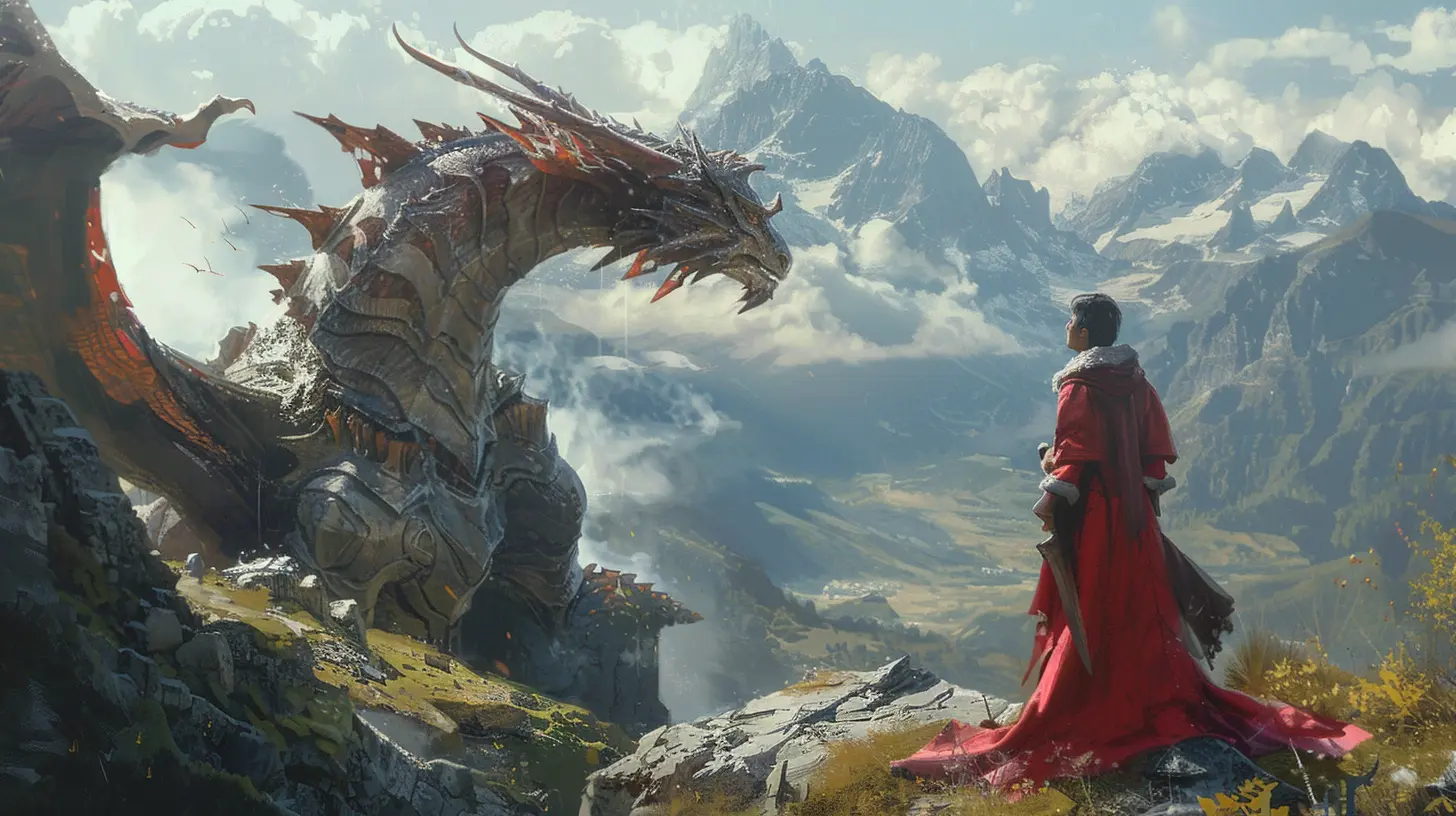
So How Do Devs Balance Challenge and Accessibility?
Ah, the million-dollar question. There’s no one-size-fits-all solution, but here are a few strategies that actually work.1. Multiple Play Styles
Some of the best RPGs of the last decade allow players to approach challenges in different ways. Think about games like The Elder Scrolls V: Skyrim. You can sword fight, sneak, cast spells—or just talk your way past a lot of enemies. The game doesn’t force one style on you. That flexibility makes it more accessible and interesting.2. Gradual Complexity
A great RPG doesn’t drop you into a labyrinth of skill trees and expect you to know the difference between dexterity and agility right away. It eases you into it, layering mechanics slowly, teaching you through gameplay rather than instructions. Think Pokémon—starts simple, then slowly adds depth.3. Smart Difficulty Scaling
Some games adapt to how well (or poorly) you're doing. Enemies might get tougher if you’re breezing through, and easier if you’re struggling. It’s a subtle way to keep things challenging without ever needing to tweak settings.Games like Dragon Age: Inquisition did this pretty well with its Tactical Mode for players who wanted more depth, and real-time combat for those who didn’t.
4. Optional Challenges
You don’t have to make the main game brutally hard to satisfy hardcore fans. Just add optional boss fights, secret dungeons, and post-game content for those who crave a challenge. That way, everyone gets what they want.Final Fantasy games are masters at this—easy enough to finish, but with hidden bosses that’ll test even the most seasoned players.
Real-World Examples of Balanced RPGs
Let’s look at a few RPGs that really nailed this balance (and maybe a couple that didn’t).Persona 5
Persona 5 is stylish and story-driven, appealing to both hardcore and casual players. The turn-based combat is deep but not overwhelming, the difficulty modes are flexible, and the tutorial does a great job of easing you in.Plus, there’s a Safety Mode for players who just want to focus on the narrative. Win-win.
The Witcher 3: Wild Hunt
This one’s a bit trickier. The Witcher 3 isn’t the easiest game to get into. The combat, alchemy, and gear upgrading systems are super detailed. But it also offers various difficulty modes, an excellent journal to keep track of everything, and one of the best quest systems ever made.CD Projekt Red basically said: “Here’s an epic story, play it your way.” And it worked.
Dark Souls (Yes, We Have to Talk About It)
On the other end of the spectrum, we’ve got Dark Souls. Famously brutal, minimal hand-holding. It’s not for everyone, and that’s okay. But here’s the thing—it actually does have its own kind of accessibility.Players can choose different builds, summon help (unless you’re offline), and explore multiple paths. It’s not easy, but it is fair—most of the time.
Still, it could benefit from more accessibility options for players with disabilities. Difficulty isn’t the enemy, gatekeeping is.
What Could the Future Hold?
As RPGs evolve, you can bet designers will keep experimenting with ways to make games more inclusive without sacrificing what makes them fun. And honestly? That’s a future we should all be excited about.AI-driven difficulty balancing, better storytelling mechanics, even accessibility presets tailored to different cognitive or physical needs—these are all already happening in some form.
Indie RPGs are also doing exciting stuff here. Games like Celeste (while not a traditional RPG) let players customize difficulty in deeply thoughtful ways without judgment. That mindset is spreading across the genre.
Our Role as Players
Let’s not forget—we play a part in this too.We should encourage diversity in game design and stop gatekeeping. Let’s welcome more people into the RPG world, because more voices mean better games. And hey, recommending Story Mode to a friend doesn’t make you any less of a hardcore gamer.
Video games, at their core, are about fun. And making sure everyone, regardless of skill level or ability, gets to have that fun? That’s a win for all of us.
Final Thoughts
Balancing challenge and accessibility in RPG mechanics isn’t about choosing one over the other. It’s about giving players the tools, options, and freedom to enjoy the game in a way that suits them. From adjustable difficulty settings to more inclusive design, the RPG genre is moving toward a more thoughtful future. And we, the players, are better for it.So whether you’re a min-maxing wizard of Excel-like builds or someone who’s just starting their first RPG, there’s a place for you at the table. And that’s kind of the whole point, isn’t it?
all images in this post were generated using AI tools
Category:
Rpg GamesAuthor:

Leif Coleman
Discussion
rate this article
2 comments
Seraphis Bell
Striking the perfect balance between challenge and accessibility in RPGs is essential for fostering inclusivity and engagement. Let's celebrate games that empower all players, ensuring everyone can experience epic adventures and grow alongside their characters!
April 13, 2026 at 5:12 AM
Leif Coleman
Absolutely, striking that balance enriches the gaming experience for everyone. It's all about creating spaces where players can thrive and enjoy the journey together.
Anastasia Rivera
Crucial topic! Striking balance enhances player engagement and enjoyment.
April 11, 2026 at 4:03 AM
Leif Coleman
Thank you! Striking that balance is key to creating immersive experiences for all players.