Buying vs. Trading: The Best Way to Grow Your Game Collection
15 July 2026
So, you're a passionate gamer with a growing love for collecting video games. Maybe you’ve got a shelf of physical copies you proudly show off, or a digital library that’s becoming harder to scroll through. Either way, you've probably asked yourself — what's the smartest way to enlarge your collection? Should you be handing over cash, or is it better to go old-school and trade with fellow gamers?
Well, the answer might not be as black and white as you'd hope. Let's break it down — buying vs. trading. Which method truly helps you build a killer game collection without draining your wallet or your motivation?
Stick with me as we unpack the pros and cons of each approach, share some practical tips, and help you figure out what works best for your budget, style, and gaming goals.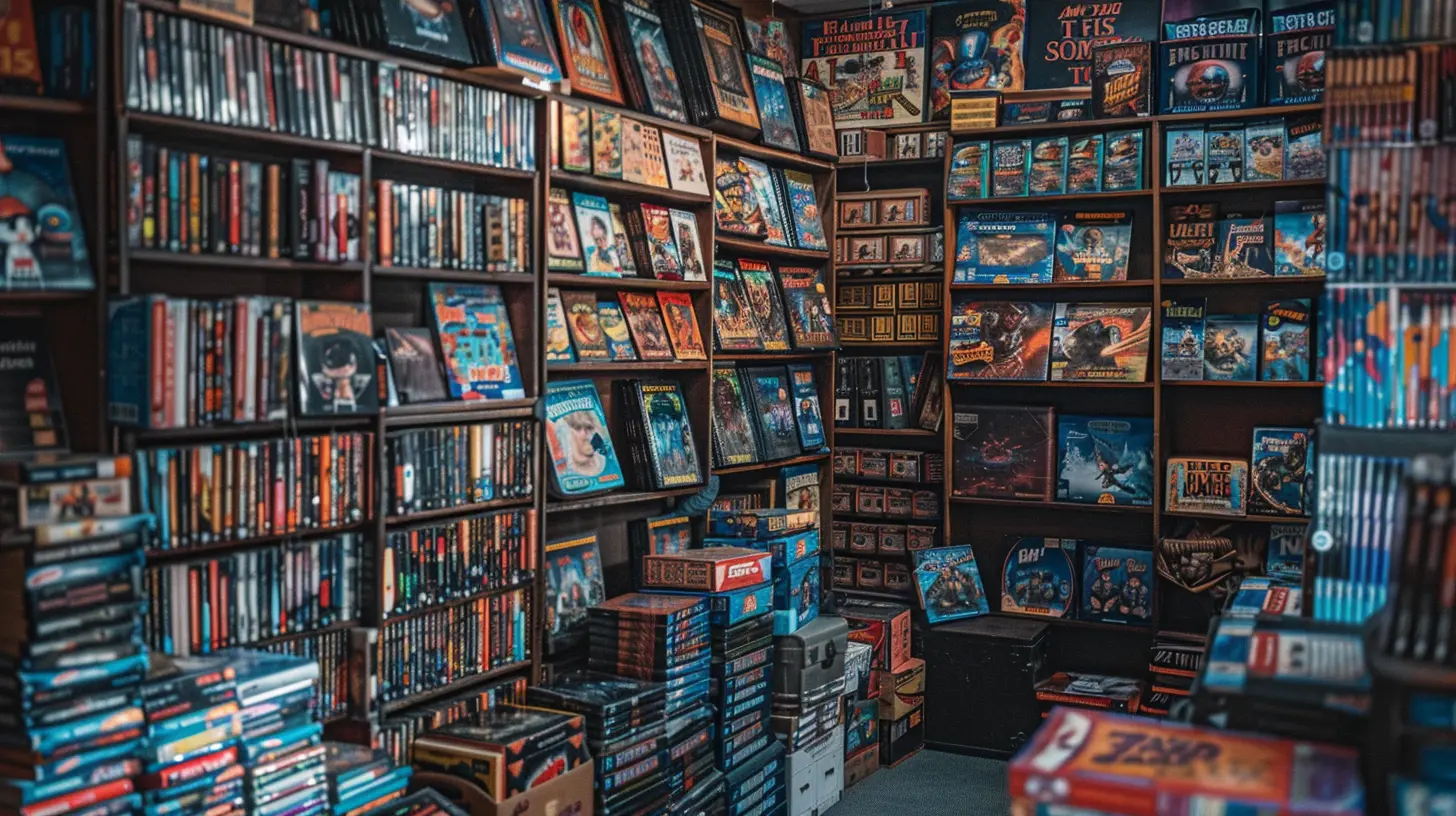
Why Grow a Game Collection in the First Place?
Before we even dive into the mechanics of buying and trading, let’s get one thing straight — why collect games at all?For a lot of us, it’s more than just playing. It’s about nostalgia, history, artwork, and the thrill of owning something physical or rare. Holding that original PlayStation copy of Final Fantasy VII or an unopened NES cartridge is like holding a small piece of gaming history. It’s magic. It’s passion. And honestly? It’s just plain fun.
Building a game collection isn’t about hoarding — it’s about curating a personal time capsule of your favorite gaming experiences.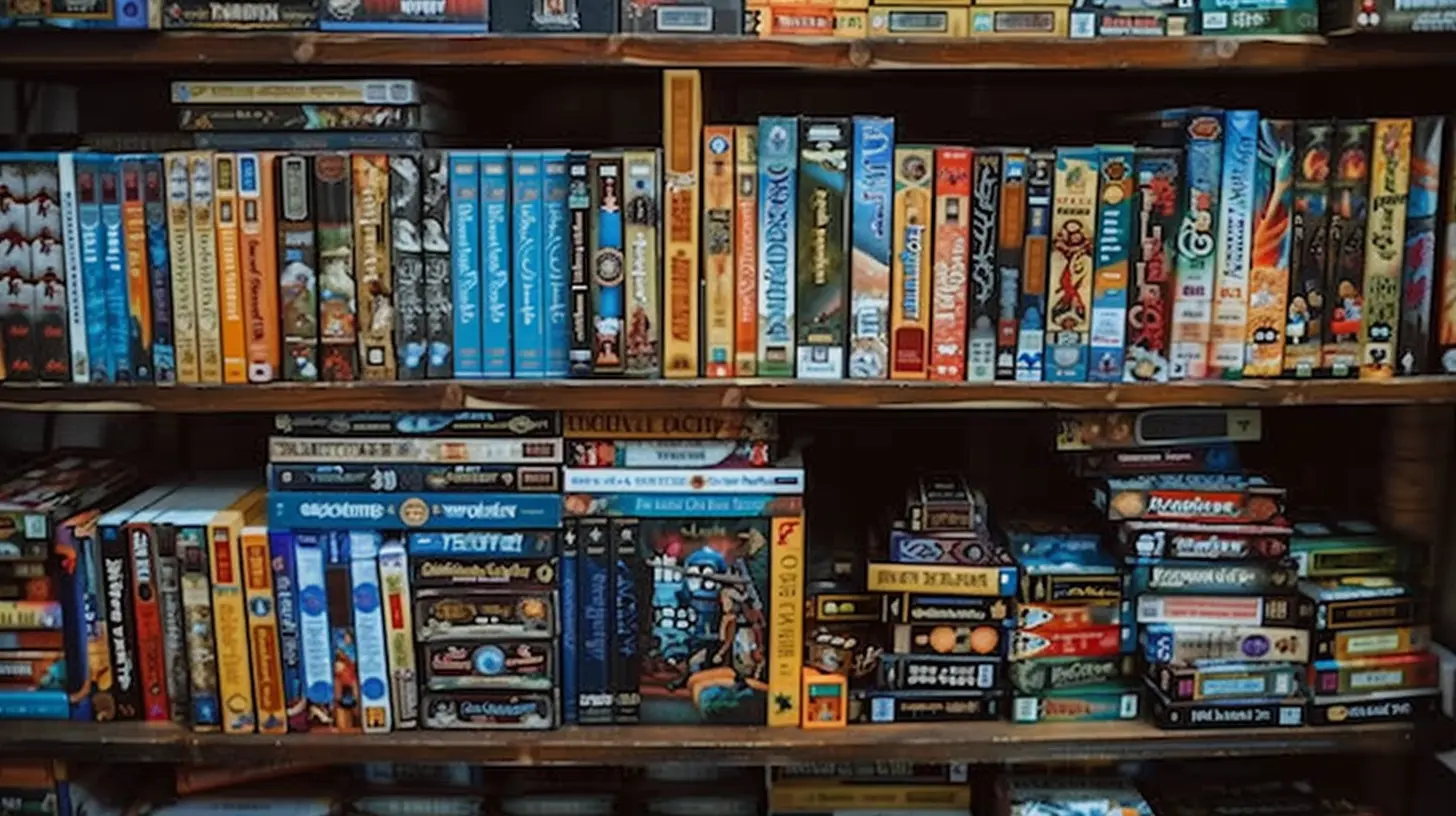
The Joy (and Pain) of Buying Games
What Makes Buying Awesome?
Buying is pretty simple. Money equals games, right? Whether you're hitting up local game stores, shopping online, or snagging deals during seasonal sales, buying gives you control and immediate access. Here's why it can be a great strategy:- Instant Gratification – Buy it, play it, love it. No waiting for someone to accept a trade.
- More Choices – Shopping means browsing thousands of titles. No need to rely on what other people want to give up.
- Sales Can Be Sweet – Hunt around, and you can find amazing discounts. The digital world is bursting with deals if you time it right.
- New Releases – Want something fresh off the shelf? Buying is the only method that guarantees you get the latest games.
Where Buying Bites Back
But here’s the flipside: buying isn’t always the sunshine-and-rainbows option.- It Can Get Pricey – Collecting through buying alone gets expensive, fast. Especially if you're into retro or rare titles.
- Impulse Buys – Admit it. We've all been burned by a flashy cover and a $5 sale that ends in regret.
- Shelf Space – If you're into physical games, you’re gonna need a lot of room... and maybe a label maker.
So yeah, buying is convenient — but it can burn a hole in your wallet and leave you with a backlog you’ll never touch.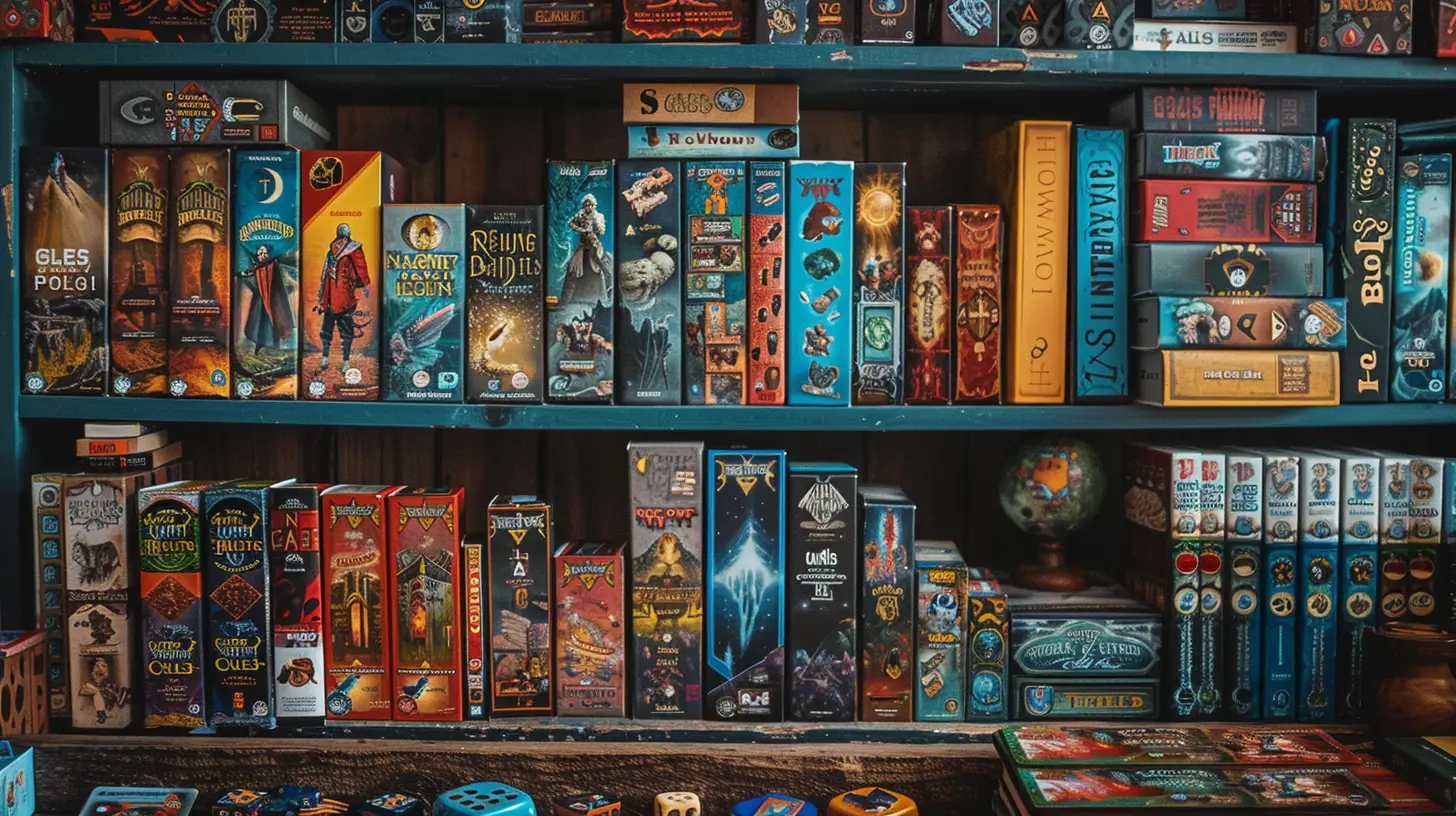
Trading Games: A Swap Worth Making?
Why Trading Rocks
Trading is a bit like the garage sale of the gaming world — but way cooler and with much better loot. Here's why you might fall in love with it:- Zero Cost (Well, Almost) – You give a game, you get a game. No money involved (usually). That’s a win.
- Build Community – Trading often happens between gamers who love to talk shop. It’s a great way to connect, share stories, and geek out.
- Sustainable Collecting – Let go of titles you've finished, and swap them for games you'd rather play. It's eco-friendly and budget-friendly.
- Unlock Rare Finds – Sometimes, someone’s “meh” is another’s “OMG I’ve been hunting for this forever!”
Trading encourages you to think more intentionally about what’s staying on your shelf — and what could make another gamer happy.
But Let’s Be Real… It’s Not Perfect
On the other hand, trading isn’t always easy, and it does come with its quirks:- Limited Matches – You need people with the games you want AND who want what you have. That’s a juggling act.
- Trust Issues – Especially online, there’s always a risk. Scammers exist, unfortunately.
- Takes Time – Finding the right trade partner might take days or even weeks. Patience is a must.
- Condition Matters – What you consider "gently used" might not match someone else's standards.
Still, with the right mindset, trading feels more like a mini-adventure than a chore.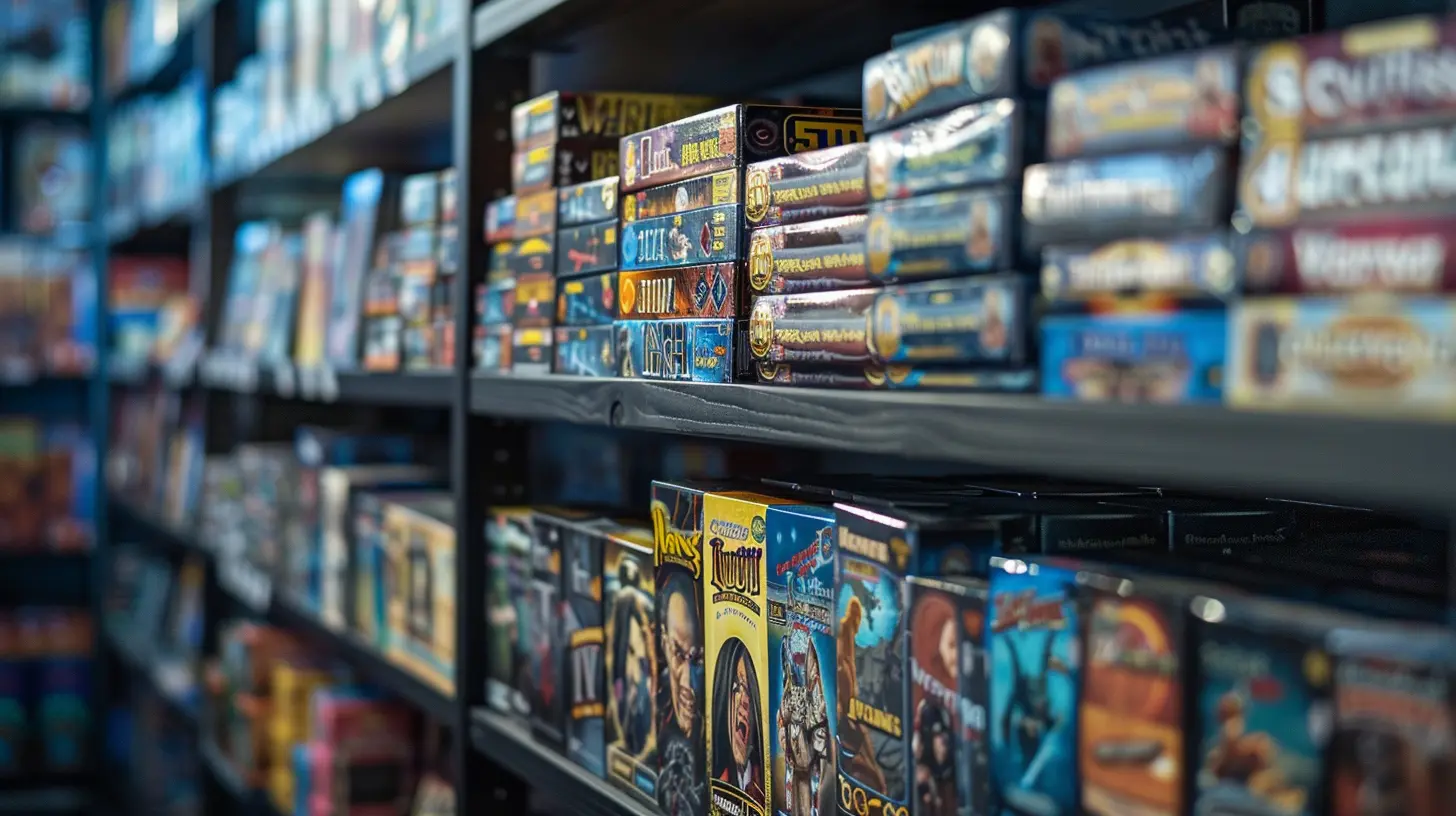
Buying vs. Trading: Let’s Compare
| Feature | Buying | Trading ||------------------------|------------------------------------|----------------------------------------|
| Cost | High (unless on sale) | Low (sometimes zero) |
| Availability | Wide (especially digital) | Limited to what others offer |
| Convenience | High | Medium to Low |
| Community Building | Low | High |
| Sustainability | Low (consume more) | High (reuse and recycle) |
| Rarity/Unique Titles | Harder to find, can be pricey | Possible with the right trade |
| Control | You choose exactly what you buy | Might have to settle or compromise |
So what’s better? Honestly, it depends on you.
Mixing It Up: The Hybrid Approach
Here’s a little secret — you don't have to pick just one side. The smartest collectors? They mix and match.- Buy when it makes sense (like sales, deals, or must-haves).
- Trade when you’re done with a game and want something new, without spending more.
This hybrid approach gives you the best of both worlds — flexibility, affordability, and constant movement in your collection.
Imagine your game library like a garden. Buying is planting new seeds. Trading is sharing clippings with friends and getting new ones in return. Both help your collection bloom.
Where to Buy and Trade Games Safely
Whether you're buying or trading, where you do it matters. Here are a few solid options.Best Places to Buy:
- Online Stores – Amazon, Best Buy, GameStop, Walmart- Digital Platforms – Steam, PlayStation Store, Xbox Marketplace, Nintendo eShop
- Second-Hand Shops – GameXChange, local shops, retro stores
- Marketplaces – Facebook Marketplace, eBay, OfferUp (but tread carefully!)
Best Places to Trade:
- Reddit Communities – r/GameSwap, r/Gamesale- Discord Servers – Many gaming groups have active trade channels.
- Local Meetups – Retro game stores sometimes host swap events.
- Facebook Groups – Local buy/trade/sell groups can be goldmines.
Wherever you go, keep it safe. Use PayPal Goods and Services for buyer protection, meet in public spots if trading in person, and always double-check user ratings or reviews.
Tips to Grow Your Collection Smarter
Let’s wrap it up with some quick-hit tips to help you level up your collection game:1. Set a Budget – Don’t blow your rent money on rare SNES gems. Seriously.
2. Make a Wishlist – Know what you want. It’ll help avoid random impulse buys/trades.
3. Track Your Collection – Use apps or spreadsheets so you don’t buy duplicates.
4. Condition Matters – Always check for scratches, box art wear, or missing manuals.
5. Trade Smart – Be fair, honest, and don’t ghost someone mid-trade.
6. Buy During Sales – Steam Summer Sale, Black Friday, holiday promos — wait for 'em.
7. Keep the Passion Alive – Don’t treat it like a chore. If it stops being fun, take a break.
Final Thoughts: What’s Right for You?
Growing a game collection should be personal, exciting, and fulfilling. Whether you're diving into stacks of physical media or building a killer digital archive, both buying and trading have their quirks and perks.If you’ve got the cash and want full control, buying might suit your style. But if you’re in it for the journey, the community, and cost-cutting fun — trading could be your jam.
And honestly? You don’t have to choose. Just go with what feels right in the moment. Your game collection is yours to shape — one cartridge, disc, or download at a time.
Happy collecting, my fellow gamers. Game on.
all images in this post were generated using AI tools
Category:
Game CollectingAuthor:

Leif Coleman
Discussion
rate this article
2 comments
Remington Simon
Great insights! I love trading games; it adds a personal touch to building my collection.
September 28, 2026 at 2:46 PM
Tamsin McConnell
Sure, because nothing says fun like haggling over a used game while your buddy's already playing the latest release. Trading is the ultimate thrill, right?
July 22, 2026 at 4:23 AM
Leif Coleman
I get your point. It can feel frustrating, but for some, trading brings a unique excitement and a chance to discover hidden gems.