Choosing Between Collecting Games or Consoles
18 April 2026
So, you've been bit by the retro gaming bug—or maybe the collector's itch. One day you're browsing eBay for a nostalgic game you loved as a kid, and the next, you're knee-deep in plastic drawers filled with cartridges or consoles. We’ve all been there. It starts small, almost harmless. Then boom! You're rearranging your living room just to make space for that bulky Sega Saturn you just had to have.
Now, here's the age-old question for us gaming collectors: should you focus on collecting games, or should you aim to amass a collection of consoles? Of course, you could try to do both, but let’s be real—it ain’t cheap, and it definitely isn’t easy on your shelf space.
Let’s unpack this together, heart-to-heart.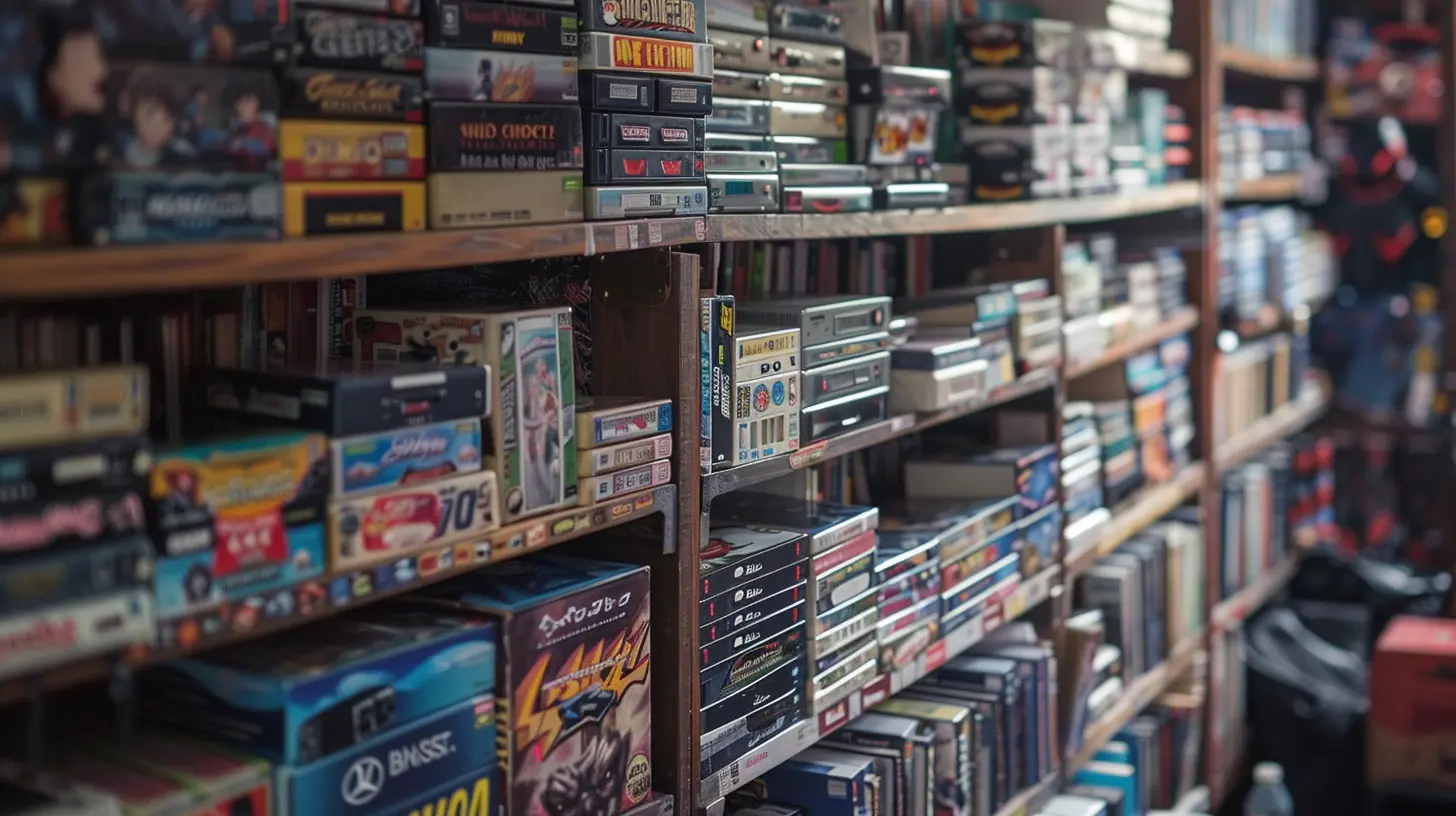
The Thrill of the Hunt
Before we dig into games vs. consoles, let’s talk about why we even collect in the first place. It’s not just about owning stuff, right? It’s the hunt, the stories, the memories. Whether it’s scoring a rare copy of EarthBound at a flea market or finally getting your hands on that mint-condition Dreamcast, each find is like a little time-traveling treasure.And here’s the thing—whether you go for games or consoles, that magical thrill stays the same.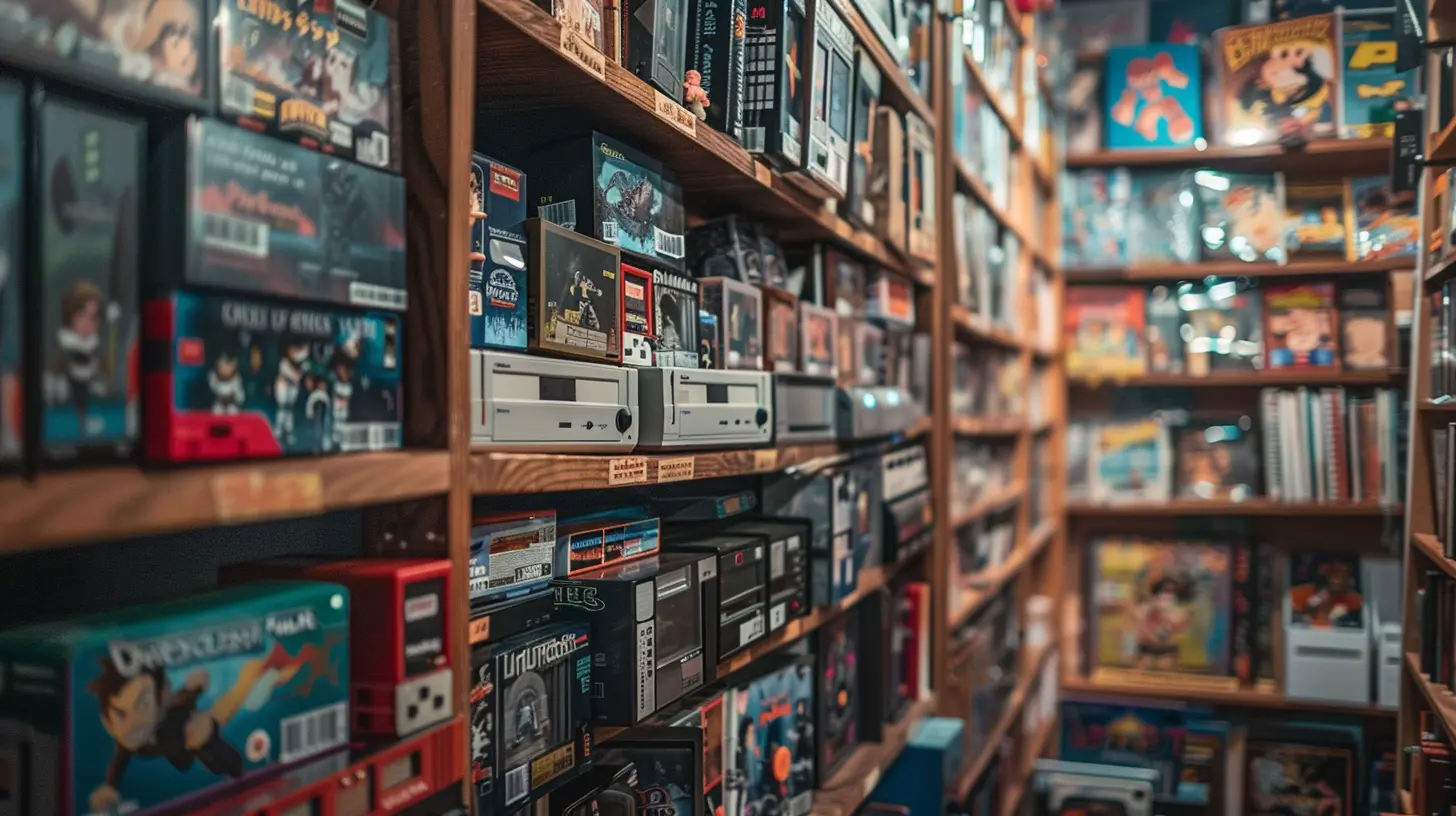
Collecting Games: The Joy of the Experience
Let’s start with game collecting. This one hits close to home for a lot of folks. Why? Because games are where the heart is.? It's All About Playability
Let’s face it—games are meant to be played. When you collect games, you’re not just stacking cartridges or discs on a shelf. You're building a library of unique experiences. Whether you're revisiting the pixelated charm of Super Mario World or diving deep into the story of Final Fantasy VII, games keep you engaged.And here’s the kicker—you can actually play them (assuming they’re in working condition). That’s an instant, tangible reward.
? Variety and Accessibility
Game collecting offers incredible variety. Every console has hundreds—sometimes thousands—of titles. From cult classics to hidden gems, the possibilities are limitless.And let’s not ignore the budget factor. Sure, some rare games will cost you a pretty penny (lookin’ at you, Little Samson), but there are still tons of affordable options out there. Local thrift shops, garage sales, and even online lots can unearth some surprising treasures.
? Nostalgia Feels Stronger
Think back. Was there a game that absolutely glued you to your controller as a kid? For me, it was Chrono Trigger. Replaying it now feels like flipping through the pages of a well-loved storybook.Games don’t just bring memories—they bring you back to those memories. That’s powerful.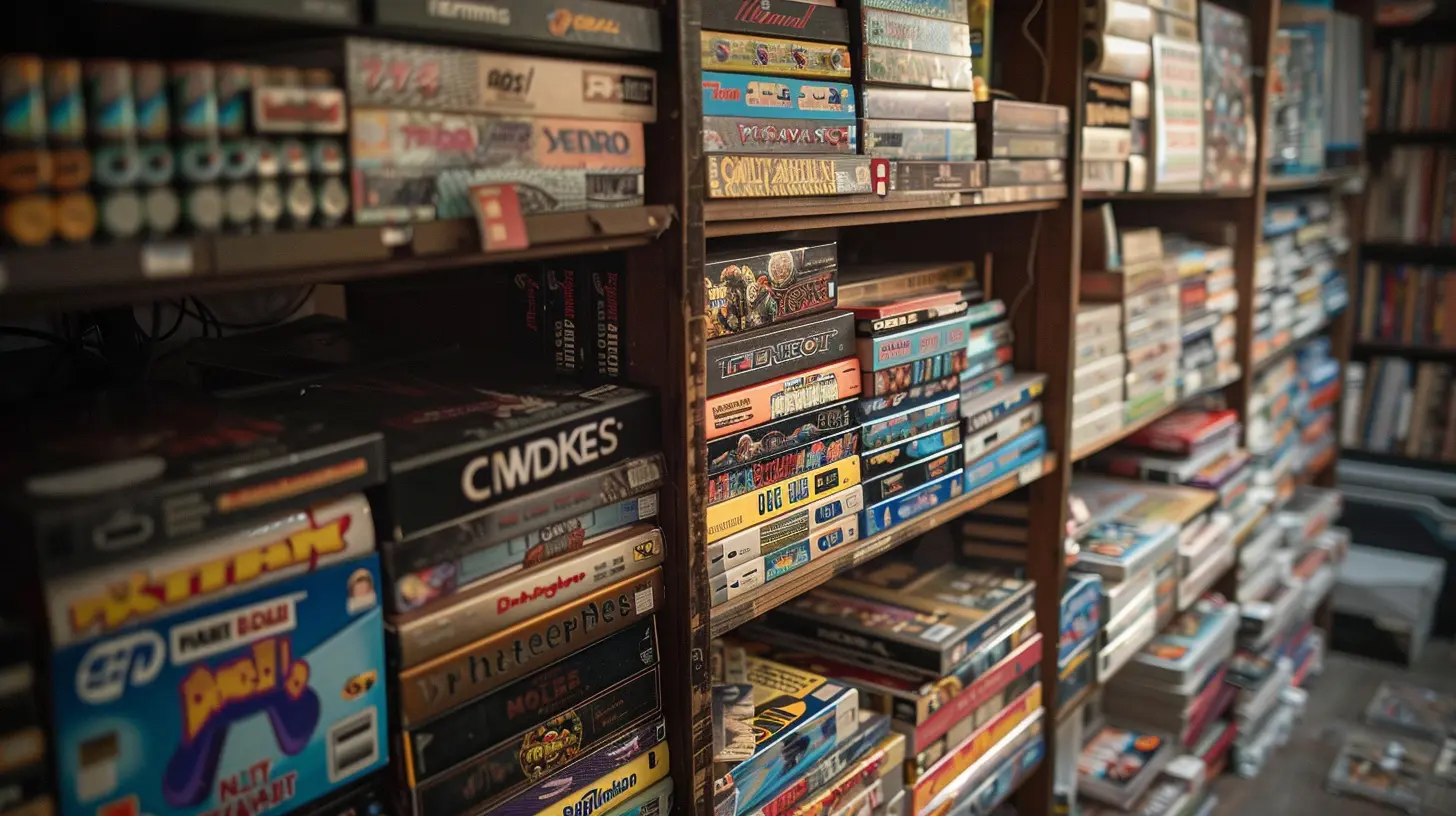
Collecting Consoles: The Beauty of the Machines
Now, let’s chat about the other side of the coin—console collecting. This one’s a different kind of magic.?️ A Showcase of Design and Innovation
From the blocky charm of the NES to the sleek curves of the PS5, consoles are legit pieces of tech art. Each one tells a story about its time, the tech available then, and how developers thought games should be played.Some folks collect vintage cars. Others collect musical instruments. Console collectors? We crave those milestones of gaming evolution. They’re tangible symbols of progress.
? A Challenge Worth Chasing
Let’s be honest—it’s harder to find and store consoles than games. But isn’t that kind of the point? There's something incredibly satisfying about tracking down a pristine GameCube or finally landing a top-loading NES. It's like piecing together a living museum.Plus, a full console collection just looks cool on a shelf. It’s a conversation starter. A flex, even.
? Historical Significance
Each console has a story to tell. The underdog rise of the original PlayStation. The ambitious misfire that was the Virtual Boy. These aren’t just machines—they're chapters in the history of gaming.If you’re a history buff or a tech nerd, console collecting scratches that itch in a way game collecting might not.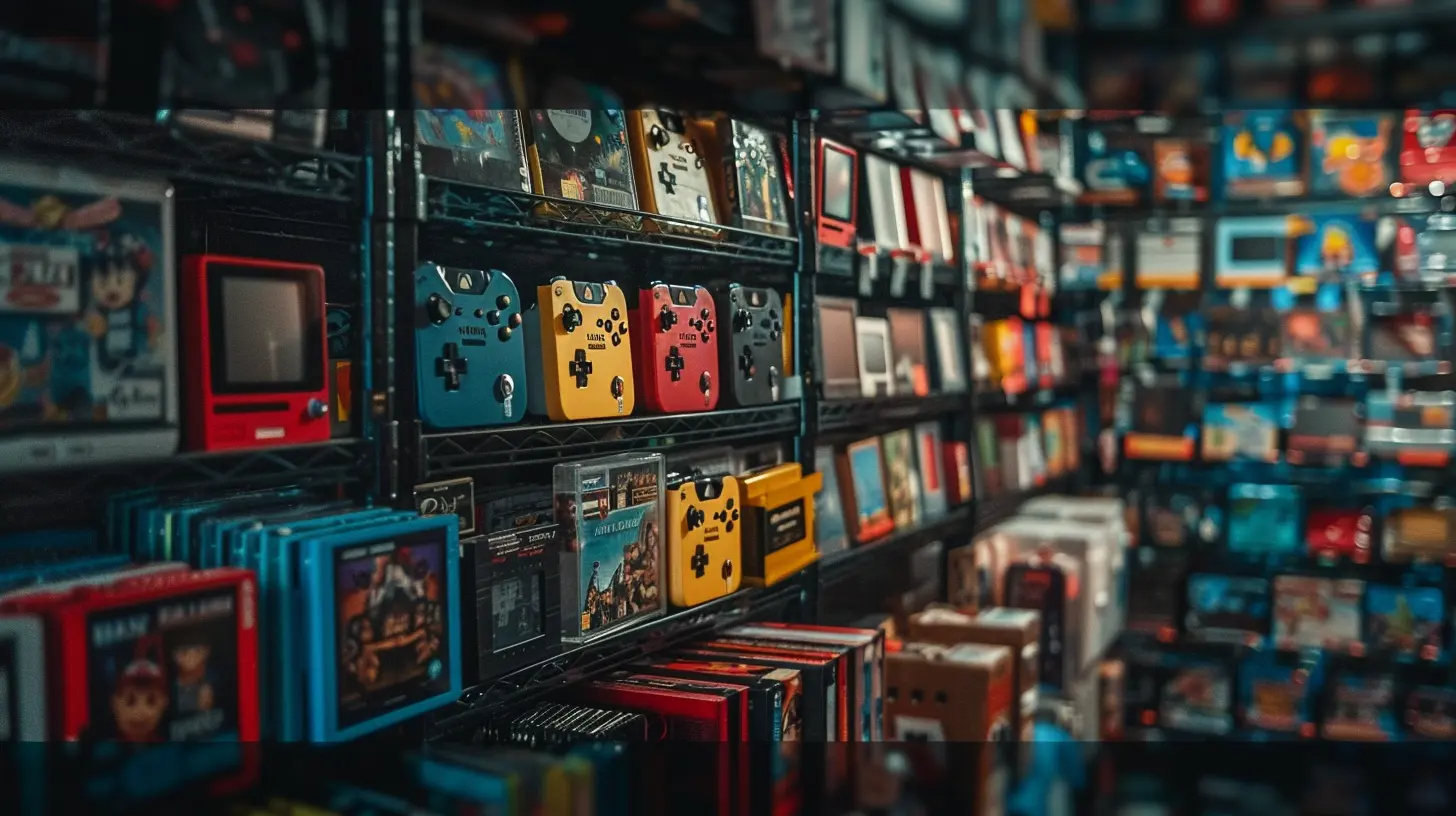
So... Which One's for You?
Alright, let’s lay it out. You’ve learned the pros of both. But how do you decide? It all comes down to YOUR goals.? Ask Yourself a Few Honest Questions:
- Do I want to play what I collect, or mostly just display it?- Do I have the space to store bulky consoles?
- What’s my budget like?
- Am I in it for nostalgia, history, or investment?
- How much time do I want to spend hunting and maintaining the collection?
Let’s walk through a few collector "personas" to help you figure it out.
Collector Profiles: Where Do You Fit?
? The Gamer First
You’re in it for the gameplay. You want to revisit old favorites, discover new gems, and actually play through your collection. Games are your jam. Pick game collecting—it’ll keep you entertained, immersed, and endlessly curious.?️ The Aesthetic Enthusiast
Do you love how consoles look? Maybe you’re into arranging them on shelves, curating the perfect display, or even restoring them to their original glory. If the idea of owning one of every major gaming console gets you pumped, console collecting is your thing.? The Historian
For you, it’s about the story behind the story. You’re drawn to the evolution of design and technology. You love researching collectors' guides, launch dates, and rare prototypes. Console collecting will give you the fix you're after.? The Investor
Hey, it’s okay to think long-term. Some rare items appreciate in value. While both games and consoles can be smart investments, rare consoles in good condition tend to hold value well. Think limited editions or consoles with unique bundles.?♀️ The Hybrid Collector
Want a little bit of everything? Go for it. Just know that being a hybrid means you'll need to be extra mindful about space, budget, and time. But hey, if your heart says “both,” who are we to argue?Real Talk: Budget and Space Matter
Let’s not sugarcoat it—collecting anything gets expensive fast. Games, especially the rare or sealed ones, can cost hundreds. Consoles can be even pricier, especially if you’re going after limited editions or imports.Then there’s storage. Consoles take up space, need proper airflow, and often require their own cables and accessories. Games, on the other hand, can squeeze into shelves a bit more easily. But even then, a massive PS2 library isn’t something you can just tuck under the bed.
So, think long-term. Make a plan. Set a monthly budget. And whatever you do, avoid going down the rabbit hole of impulse buys unless you’re prepared to find out what a “console closet” is.
Tips for Starting (or Growing) Your Collection
Whether you go with games or consoles, here are a few general tips to make the ride smoother:? Start Local
Hit up flea markets, thrift stores, and local game shops. You’d be amazed what you can find at places like these—and often for way cheaper than online.? Join Communities
Gaming forums, Discord groups, and Reddit communities are goldmines of info, trade opportunities, and moral support. Plus, sharing your finds with fellow collectors? That never gets old.? Document Your Journey
Take photos. Track your collection. Create a spreadsheet. Not only is this smart for insurance reasons, it’s also super satisfying to see how far you’ve come.? Care for Your Babies
Proper storage, dust covers, and cleaning routines will keep your collection looking sharp and functional for years to come.Final Thoughts: Collect What You Love ❤️
At the end of the day, there’s no “right” way to collect. Some people chase sealed copies, others hunt for beat-up childhood relics. Some fill walls with console boxes, others line rows of carts like books in a library.Whether you choose to collect games, consoles, or take a stab at both, the most important thing is this: do it because you love it. Not because it's trendy. Not because it might be worth something someday. But because those plastic rectangles and whirring machines bring you joy.
You’re not just collecting things—you’re curating a museum of your memories.
And that’s something pretty dang special.
all images in this post were generated using AI tools
Category:
Game CollectingAuthor:

Leif Coleman
Discussion
rate this article
2 comments
Khloe Gates
Great read! I’ve always struggled with this choice. It's so tough to balance the joy of collecting games versus the nostalgia of consoles. Thanks!
April 19, 2026 at 4:22 AM
Leif Coleman
Thank you! I’m glad you enjoyed the article and that it resonated with your experience. Balancing both can be a rewarding challenge!
Emily Mathews
In the shadows of gaming, a choice looms: collect the treasures that define eras or gather the consoles that brought them to life. What whispers of nostalgia will guide your journey?
April 18, 2026 at 3:49 PM
Leif Coleman
As an author, I believe the choice reflects personal nostalgia—each treasure tells a story, but the consoles hold the memories of our gaming journeys. Choose what resonates most with your heart.