Creating Safe Learning Environments Through Games
21 August 2026
Let’s face it: learning can sometimes feel like a chore. We’ve all been there—staring at boring textbooks, zoning out during dry lectures, or feeling too nervous to ask a “dumb” question. But guess what? It doesn’t have to be this way. Especially not in a world where games can turn even the most dreaded topics into something fun, exciting, and most importantly—safe.
Yep, we’re talking about using games to build safe learning environments. Not just for kids at school, but for all types of learners—whether you're in a classroom, at home, or leading a team at work. Games aren’t just for entertainment anymore—they’ve become powerful tools that foster creativity, confidence, and connection.
So, how exactly do games help? Why are they such a game-changer (pun totally intended)? Let’s dive into it.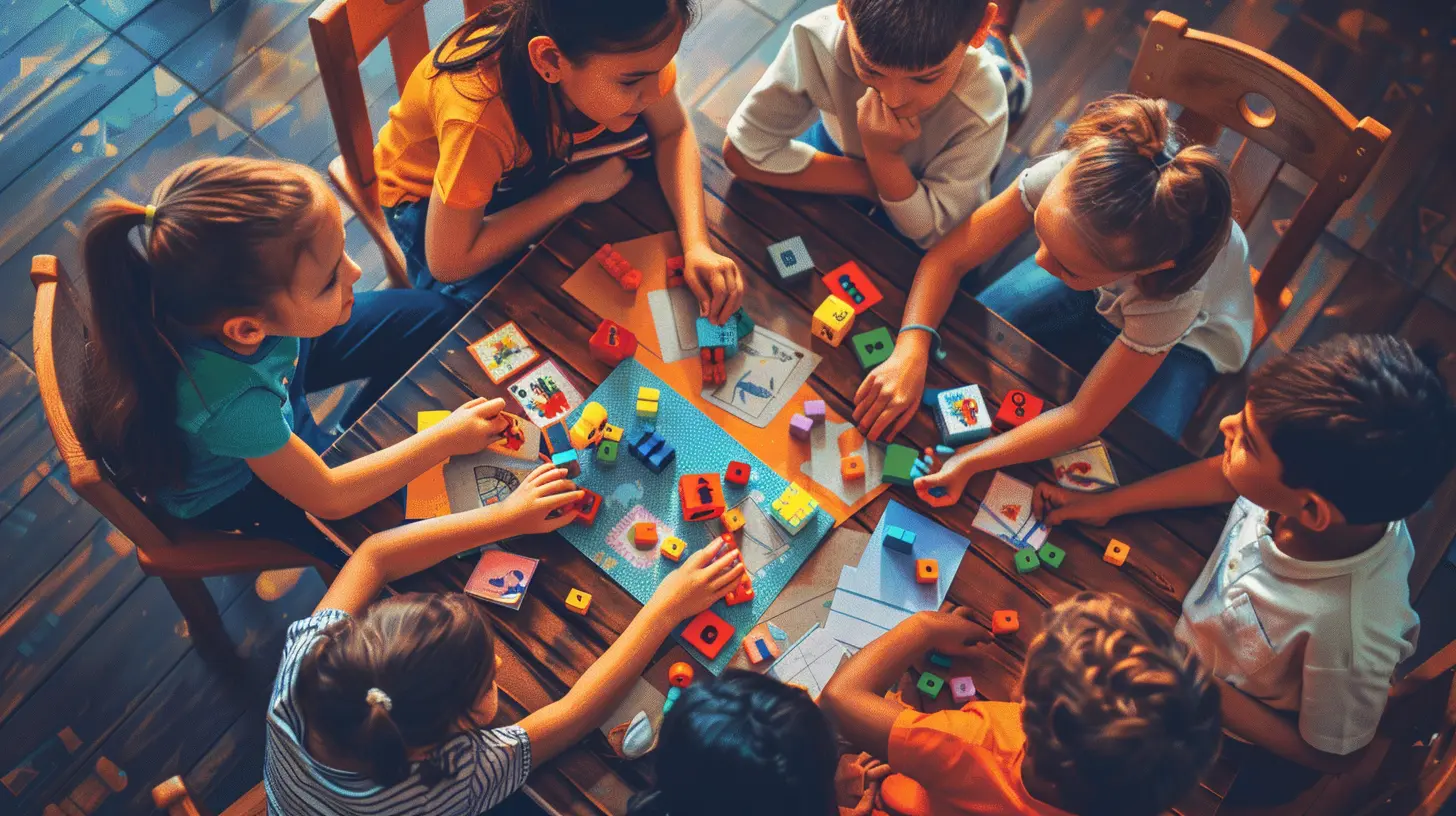
What Is a Safe Learning Environment Anyway?
Before we go any further, let’s define what we mean by “safe learning environment.” It’s not just about avoiding physical danger (though that’s important too). A safe learning environment is a space—physical or virtual—where learners feel comfortable, respected, and free to be themselves.It’s where mistakes become stepping stones instead of stumbling blocks. It’s where curiosity is encouraged, not shut down. It’s the kind of place where no one feels judged, ignored, or left out.
Sounds like the ideal classroom or workplace, right? Now... let’s talk about how games help us get there.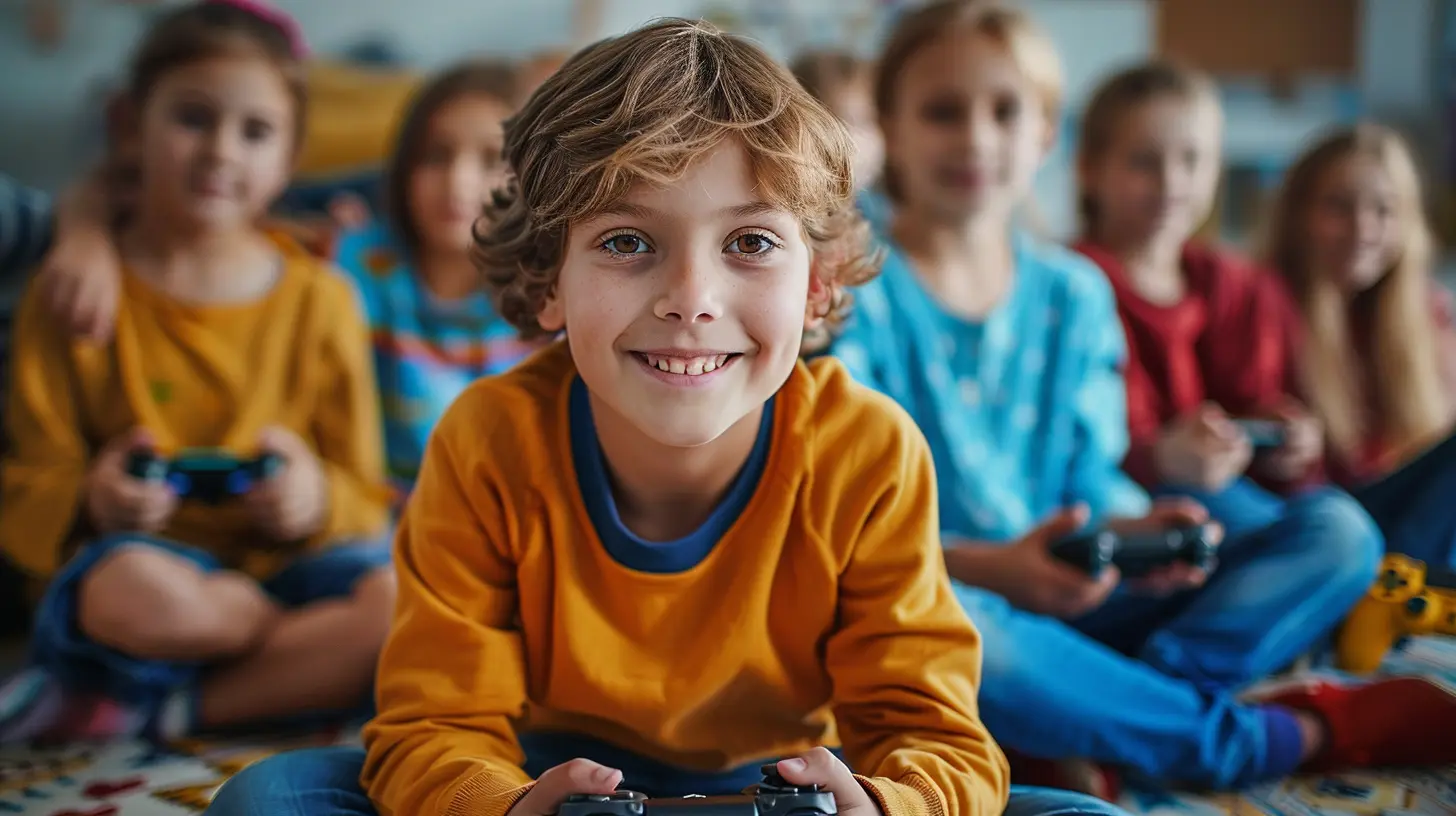
Why Games Work So Well for Learning
To understand the magic of games, think about what makes them so compelling. When you’re playing, you’re focused. You're engaged. You’re problem-solving, experimenting, even collaborating with others. You’re learning—but it doesn’t feel like “studying.”Games naturally embody many of the principles of great teaching:
- Failure is safe and expected. You mess up? No biggie—you respawn and try again.
- Progression is built-in. You start at level one and build your skills over time.
- Feedback is instant. You know right away if your strategy worked or not.
- Collaboration is often key. Multiplayer games thrive on teamwork.
- Motivation is internal. You're driven to win, solve puzzles, or unlock cool stuff.
These qualities make games the perfect tool to support a safe and effective learning environment.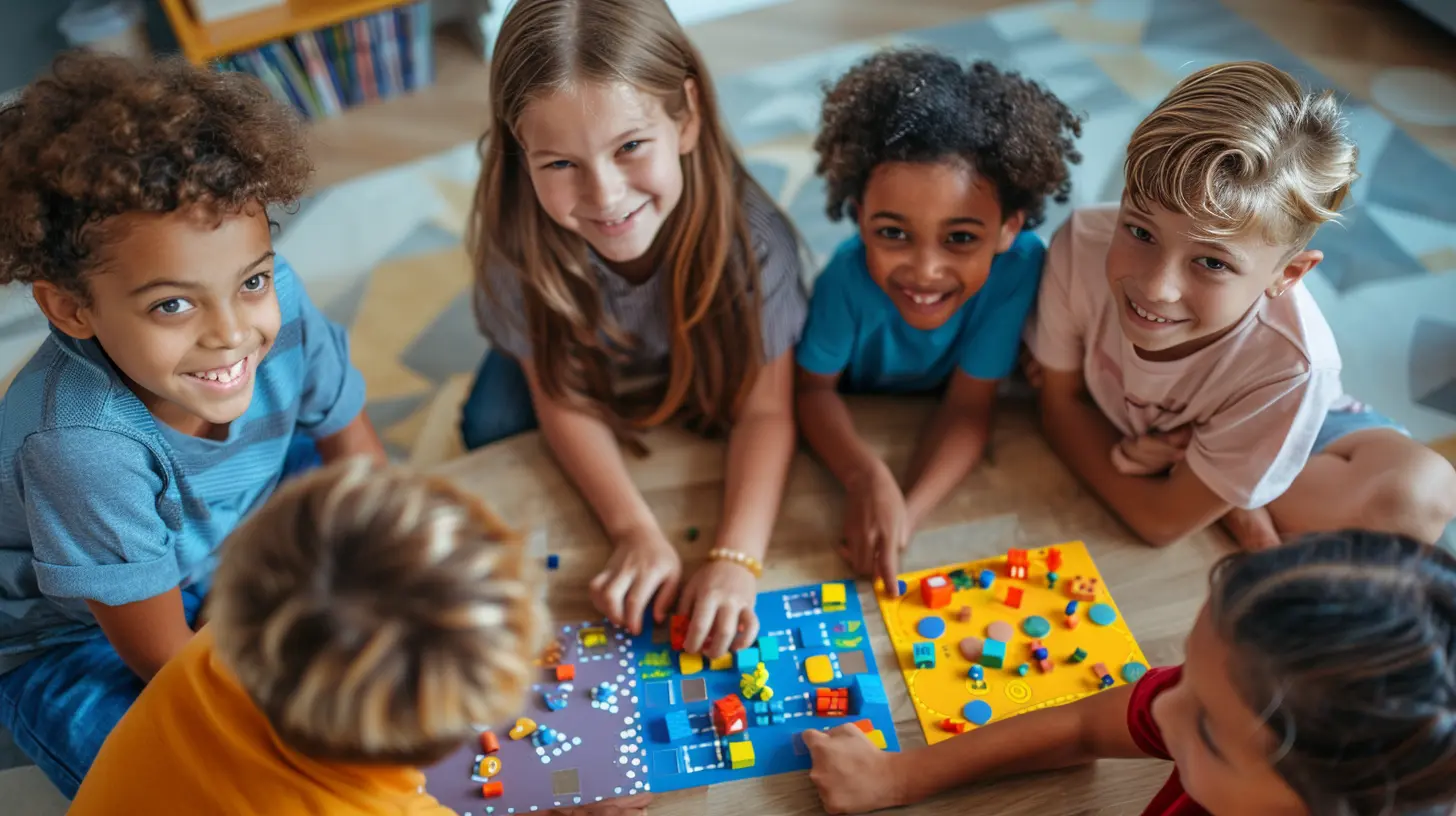
The Psychological Comfort Zone: Games Reduce Anxiety
One of the biggest barriers to learning is fear—fear of failure, embarrassment, or judgment. Games flip that script. Picture this: you’re playing a game and mess up a puzzle. What happens? Nothing really. You just try again. Maybe laugh at yourself. Maybe take a different approach. No shame, no pressure.That low-stakes environment is gold for learning. It helps reduce anxiety and boosts confidence. When learners feel it’s okay to make mistakes, they’re far more likely to take risks, ask questions, and stick with it when things get tough.
Games depersonalize failure. Instead of thinking "I'm bad at this," students think "I haven’t figured out the puzzle yet." See the difference?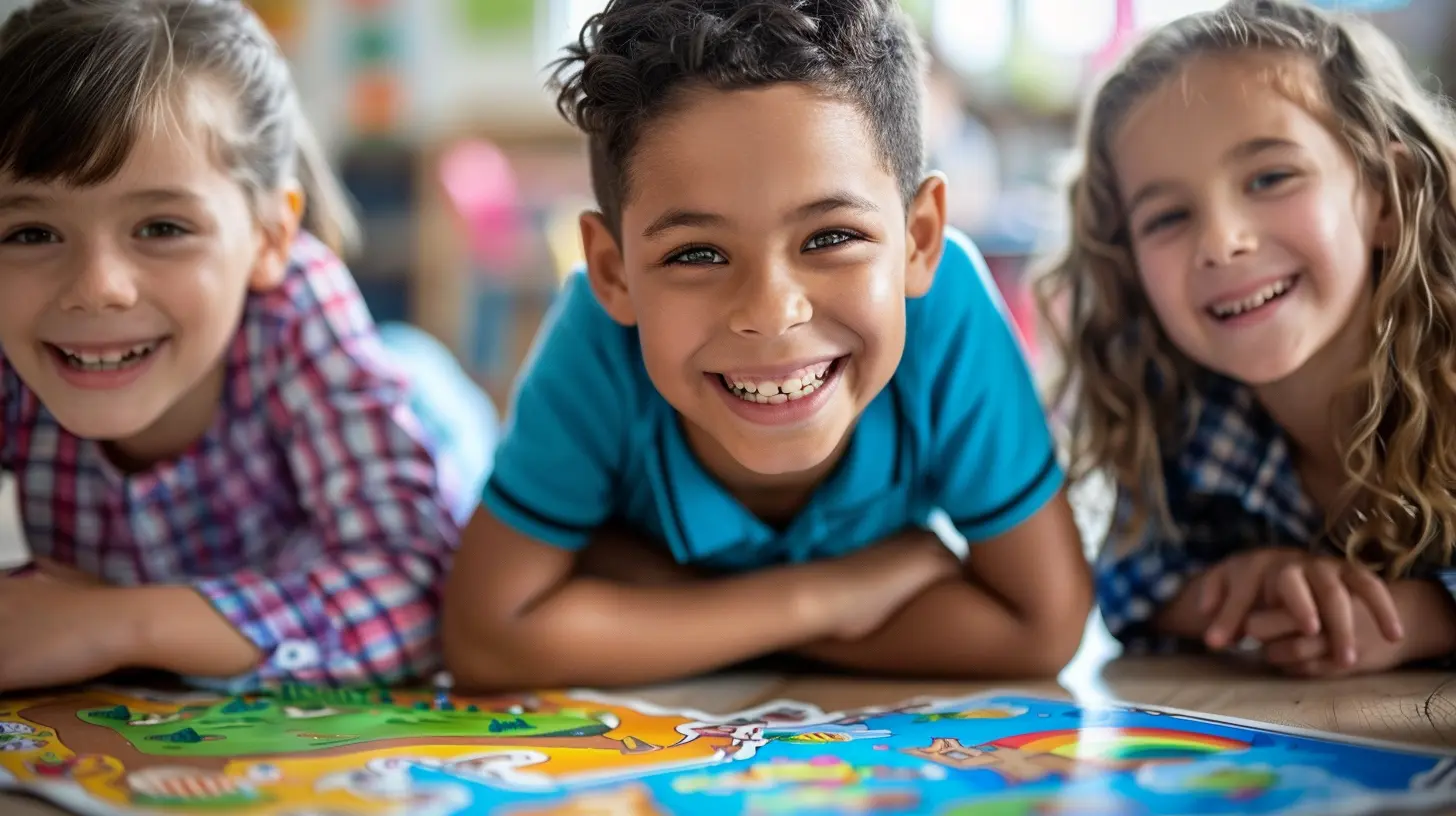
Encouraging Inclusion and Connection Through Play
Here’s the cool part—games also have this sneaky way of bringing people together. Whether it’s a group of students solving an escape room challenge or co-workers playing a strategy game during a team-building session, games break down walls.Think about it. In a traditional setting, there’s often a hierarchy. The teacher has the answers. The students are expected to listen. In a game? Everyone’s on the same playing field. Literally.
Games:
- Give everyone a role
- Level the power dynamic
- Encourage communication
- Foster empathy
- Promote collaboration
When learners feel like they belong and their voice matters, magic happens. They engage more. They help others. They become braver learners.
Building Soft Skills While Having Fun
Sure, games can reinforce academic content, but they’re also an amazing way to build soft skills. You know, the stuff that’s harder to teach but super essential—like teamwork, resilience, leadership, and emotional intelligence.Let’s say your students play a cooperative board game. They’ll need to plan together, solve problems, manage setbacks, and celebrate wins. Without even realizing it, they’re developing skills that go way beyond the game.
And because the experience is enjoyable and memorable, those lessons tend to stick.
The Role of Game-Based Learning in Modern Classrooms
Teachers around the world are catching on. Game-based learning is showing up in all sorts of ways—from full-blown educational games (like Minecraft: Education Edition or Kahoot!) to simple classroom activities that involve game mechanics.The results? More engagement, improved outcomes, and happier students. And it’s not just about digital games. Even traditional card games, role-playing scenarios, and board games can be powerful tools.
Here’s how educators are making it work:
- Using games to review content or prep for exams
- Giving students choice and autonomy in how they “level up” their skills
- Turning classroom management into a game (think XP points and leaderboards)
- Creating safe spaces for vulnerable discussions through simulation games
The key is intentionality. When games are chosen thoughtfully and aligned with learning goals, they can transform the entire learning experience.
Safe Spaces in Virtual Learning: Games to the Rescue
Remote learning introduced a whole bunch of new challenges. Students felt isolated. Teachers struggled to keep things engaging. Motivation dropped for many. But guess what came to the rescue? You got it—games.Games helped make virtual classrooms feel more human. They added fun, structure, and a sense of community. Tools like Breakout EDU, Classcraft, and online escape rooms became lifelines for teachers trying to connect with students from afar.
Even something as simple as starting a Zoom class with a quick trivia game helped set a positive tone and break the ice.
Real World Examples: Success Stories from the Field
Let’s bring this to life with some real-world examples.1. The Anti-Bullying Game: One middle school implemented a role-playing game where students navigated social situations and made choices related to standing up for peers, empathy, and kindness. The result? Improved empathy scores and fewer reported incidents of bullying.
2. Literacy Through Minecraft: A group of high school students with dyslexia used Minecraft to build scenes from novels they were reading. It allowed them to process the story visually and kinesthetically, boosting both comprehension and engagement.
3. Workplace Training Simulations: Companies are using gamified simulations to teach communication, negotiation, and leadership skills. The safe, virtual environment allows employees to practice and grow without fear of real-world consequences.
These stories aren’t just feel-good moments. They’re evidence that games have the power to truly reshape how we learn and interact.
A Few Tips for Creating a Safe Game-Based Learning Space
Alright, so you’re convinced games are awesome (because they are). But how do you actually create a safe learning environment through games? Here are some quick tips:1. Choose inclusive games. Make sure everyone can participate—regardless of background, experience, or ability.
2. Debrief after gameplay. Use reflective questions to connect game experiences with learning goals.
3. Avoid overly competitive games. If winning becomes the only focus, it can actually create stress. Try co-op games where everyone contributes to a shared goal.
4. Set clear expectations. Let learners know it’s okay (and encouraged) to take risks, fail, and laugh along the way.
5. Rotate roles and challenges. Give everyone a chance to shine by switching up tasks or teams.
The Future of Learning Is Playful—And That’s a Good Thing
As we move further into the 21st century, our understanding of education is rapidly evolving. Rigid, top-down instruction is giving way to dynamic, student-centered approaches. And games? They’re right at the heart of this transformation.Whether it’s adapting to remote learning, encouraging social-emotional growth, or simply making hard topics easier to digest, games are proving they belong in every educator's and leader’s toolkit.
Let’s stop seeing play and learning as opposites. They’re actually best friends. And when used together with care and creativity, they build not just better students—but better humans.
So next time you’re designing a lesson plan, training module, or even a family activity—ask yourself: “How can I turn this into a game?”
You might just create the safe, inspiring, and meaningful learning environment we all wish we had.
all images in this post were generated using AI tools
Category:
Educational Value Of GamesAuthor:

Leif Coleman
Discussion
rate this article
1 comments
Charlie Stone
In a world where pixels shape realities, the line between safety and adventure blurs. What secrets do games hold in nurturing young minds? As we explore this uncharted territory, can we unlock the potential of play to forge connections and resilience? The quest for understanding begins... where will it lead us?
August 21, 2026 at 3:12 PM
Leif Coleman
Games can spark curiosity and creativity while teaching valuable lessons about teamwork and problem-solving. By designing safe spaces for play, we can help young minds thrive and foster connections that last. The journey of exploration is just beginning.