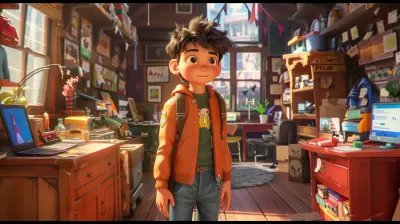
Educational Games That Actually Engage Teenagers
25 September 2026
Let’s face it — trying to get a teenager excited about anything remotely educational can feel like herding cats. One minute they’re laser-focused on a TikTok trend, and the next they’re deep into a video game, totally immersed. But schoolwork? Not so much.
What if I told you there’s a secret sauce that gets teens not only learning — but loving it? Yep, educational games (the right ones, not the boring, clunky ones from ten years ago) can actually grab their attention and hold it. They blend strategy, interactive storytelling, challenges, and by-the-way-you're-learning moments that don't feel like homework in disguise.
If you’ve ever wrestled with the question, “How do I get my teenager to care about learning?”, you’re in the right place. Let's dive into educational games that genuinely click with teens without making them roll their eyes to the back of their heads.
Why Most Educational Games Fall Flat
Before getting into the winners, let’s talk about the losers — and why they miss the mark.Think back to the clunky math games we played as kids. You know, the ones where you had to solve a fraction problem before your spaceship flew into a star? Boring. Predictable. And zero fun.
Most educational games traditionally focus too much on "education" and forget the "game." They forget what makes games so dang addictive: competition, choice, creativity, challenge. Teenagers want agency — they want to feel like they're in charge, making smart moves, solving problems, and doing something cool.
So, when educational titles ignore fun mechanics and immersive design, teens tune out faster than you can say "algebra."
What Makes an Educational Game Engaging for Teens?
There’s a science — and an art — to creating a game that teaches and entertains. Here’s what separates the hits from the snoozers:1. Storytelling That Doesn’t Talk Down
Teens are sharp. They can smell cheesy dialog from a mile away. Games with rich narratives and complex characters appeal to their growing emotional intelligence. Bonus points if the story includes moral dilemmas, plot twists, or real-world parallels.2. Real Choices, Real Impact
Give them autonomy. Games like "Life is Strange" or "The Sims" are so beloved because players shape the story. Educational games that mimic this choose-your-adventure style keep teens invested.3. Immediate Feedback = Instant Gratification
Teens thrive on quick feedback loops — it’s part of why social media is so addictive. Games that offer fast responses to actions (correct answers, achievements, unlocks) feel more rewarding.4. Social & Collaborative Elements
Is it even a game if you can’t tell your friends about it or play alongside them? Multiplayer modes, leaderboards, or even just online score sharing make learning feel like a challenge, not a chore.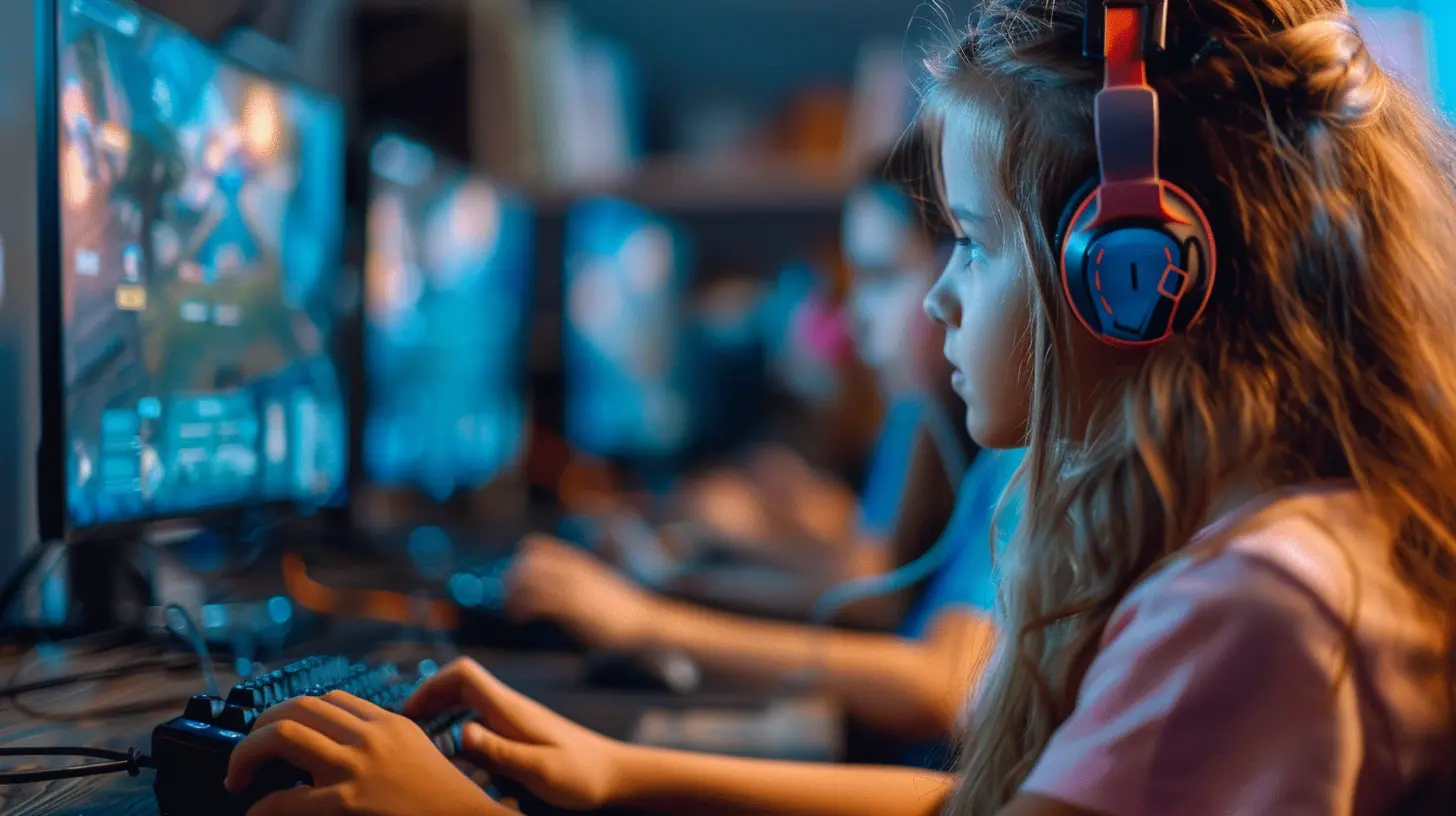
The Best Educational Games That Actually Engage Teenagers
Now, the good stuff — here’s a rundown of educational games that hit that magic mix of fun and functional. These aren’t just games teens tolerate — these are titles they’ll actually want to play.1. Minecraft: Education Edition
Let’s get this one out of the way — because it’s a classic, and for good reason.Why it works:
- Gives teens creative control
- Teaches coding, math, architecture, history, teamwork — all while feeling like play
- Can be adapted by teachers or parents to fit different learning goals
Minecraft is basically a digital sandbox where teens can build worlds, solve engineering problems, and even learn about ancient civilizations by rebuilding them block by block. And the best part? They don’t feel like they’re in school.
2. Kahoot!
Technically, it’s not a traditional video game — but Kahoot! transforms quizzes into interactive battles.Why it works:
- Competitive and fast-paced
- Rewards quick thinking and recall
- Works in classrooms, study groups, or solo
Set up a trivia-style quiz on any subject from chemistry to pop culture, and let teens duel it out for the top spot. It's like "Who Wants to Be a Millionaire?" meets Zoom.
3. Assassin’s Creed: Discovery Tour
This is a mind-blowing way to sneak some educational value into a mega-popular franchise.Why it works:
- Blends historical accuracy with immersive gaming
- No combat, just exploration of ancient Egypt or Greece
- Gorgeous visuals and rich storytelling
Discovery Tour turns the iconic Assassin’s Creed universe into a virtual museum where teens can walk through the past, interact with historical figures, and see how ancient civilizations truly lived. It’s a history teacher’s dream.
4. Kerbal Space Program
Rocket science? For teens? Believe it — and they’ll thank you for it.Why it works:
- Encourages experimentation and critical thinking
- Teaches physics, aerodynamics, and engineering
- Failure is hilarious and encouraged (your rocket explodes and it’s oddly satisfying)
Players build and launch their own spacecraft with realistic physics. It’s tricky, challenging, and wildly rewarding. Plus, the little green astronauts (Kerbals) are adorable.
5. Duolingo (Gamified Language Learning)
Okay, so it’s not technically a game, but it sure feels like one.Why it works:
- Teaches foreign languages through short, gamified lessons
- Uses streaks, leaderboards, and XP points to keep motivation high
- Perfect for bite-sized learning on the go
With enough sass from the owl mascot and dopamine hits from leveling up, Duolingo has cracked the code on language apps that don’t feel like flashcard torture.
6. CodeCombat
Here’s one for the budding programmers out there.Why it works:
- Teaches real coding languages like Python and JavaScript
- Feels like a fantasy RPG battle game
- Slays the boredom of textbook coding tutorials
Teens get to use code (real code, not drag-and-drop stuff) to move characters, solve puzzles, and beat bosses. It’s like hacking, but for a noble cause.
7. Civilization VI
This game teaches more than you’d expect.Why it works:
- Encourages strategic thinking, resource management, and diplomacy
- Includes real-world historical leaders and events
- Extremely addictive for detail-oriented teens
In Civ VI, players build and manage empires over time — from ancient eras to modern-day. It’s like world history, but you're the one rewriting it.
Tips for Parents and Educators
So maybe you’re sold on the idea of educational gaming — but where do you start? Here are a few pro-tips:Start With Their Interests
If your teen is into space, launch them into Kerbal. If they’re into storytelling, try Discovery Tour or Life is Strange. Match the game to the passion, and you win half the battle.Don’t Force It
Teens can spot an agenda from a mile away. Suggest games casually, or better yet — play alongside them. It builds connection and makes the experience feel collaborative, not directive.Balance Screen Time With Offline Talk
Some of the best learning happens after the game. Ask them what strategy they used, what they built, how they solved a problem. You’ll be surprised how much learning stuck.The Real-World Value of Learning Through Games
Here’s the thing: traditional education doesn’t always keep up with how teens think or want to learn. Games offer a kind of “safe practice zone” where teens can fail, try again, and build confidence. They teach resilience, problem-solving, and adaptability — skills that go way beyond textbooks.In today’s world, where soft skills are just as vital as hard ones, educational games aren’t just a fun using of screen time. They’re training grounds for future leaders, creators, and thinkers.
Final Thoughts: Learning Doesn’t Have to Be a Battle
Look, not every teen is going to jump out of bed excited to study algebra or write an essay on ancient Rome. But throw them into a game where they build a city, design a bridge, or decode an ancient prophecy? Now you’re speaking their language.The best educational games for teenagers blend fun with growth. They teach without preaching, challenge without punishing, and most importantly — they respect the player. When that happens, learning stops feeling like a burden and starts feeling like a choice.
And isn’t that what we all want for our kids? To be curious, to choose to grow, and to love learning — on their terms.
all images in this post were generated using AI tools
Category:
Educational Value Of GamesAuthor:

Leif Coleman