Educational Potential Hidden in Sandbox Games
6 January 2026
Let’s be real for a sec—when people think of video games, especially sandbox games, “learning” probably isn’t the first word that pops into their heads. Most folks imagine kids building random stuff in Minecraft or goofing around in Roblox. But here's the kicker: sandbox games are packed with sneaky educational value. Yep, these digital playgrounds aren’t just for fun—they’re mental gyms hiding in plain sight.
So, if you’ve ever rolled your eyes at the idea of games being “productive,” it’s time for a mindset shift. Let’s dive deep into how sandbox games are quietly turning players into creative, strategic, and even socially awesome little legends.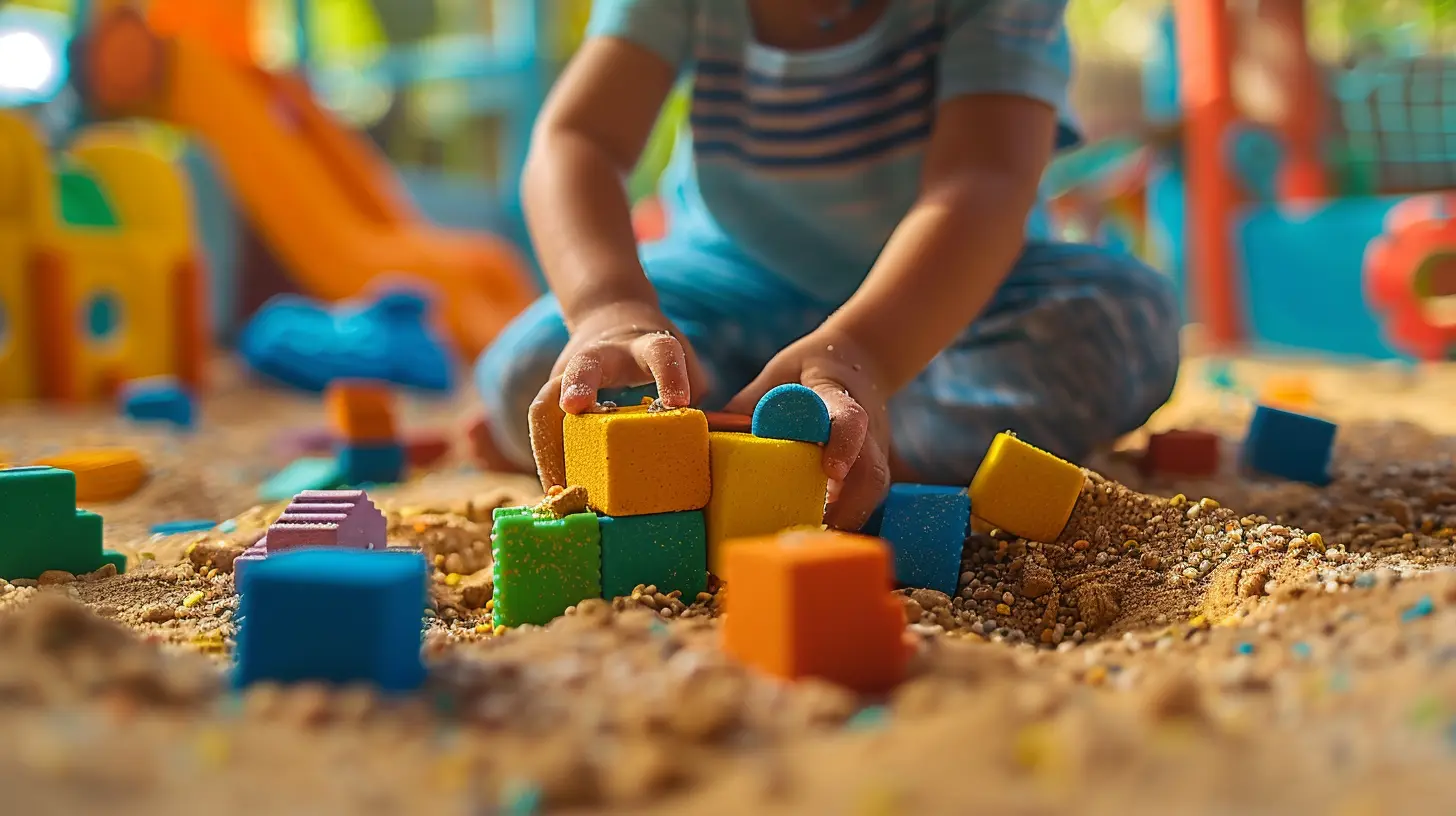
What Are Sandbox Games, Anyway?
Alright, before we go full-on geek mode, let’s define the basics.Sandbox games are open-world experiences where players have the freedom to explore, create, and interact with game elements on their own terms. Think Minecraft, Roblox, Terraria, or even Garry’s Mod. There's no strict storyline, no fixed goals—you’re free to roam, experiment, and build your own objectives.
You could say sandbox games are like buckets of digital LEGO bricks. What you make of it is up to you, and that’s where the magic (and education) happens.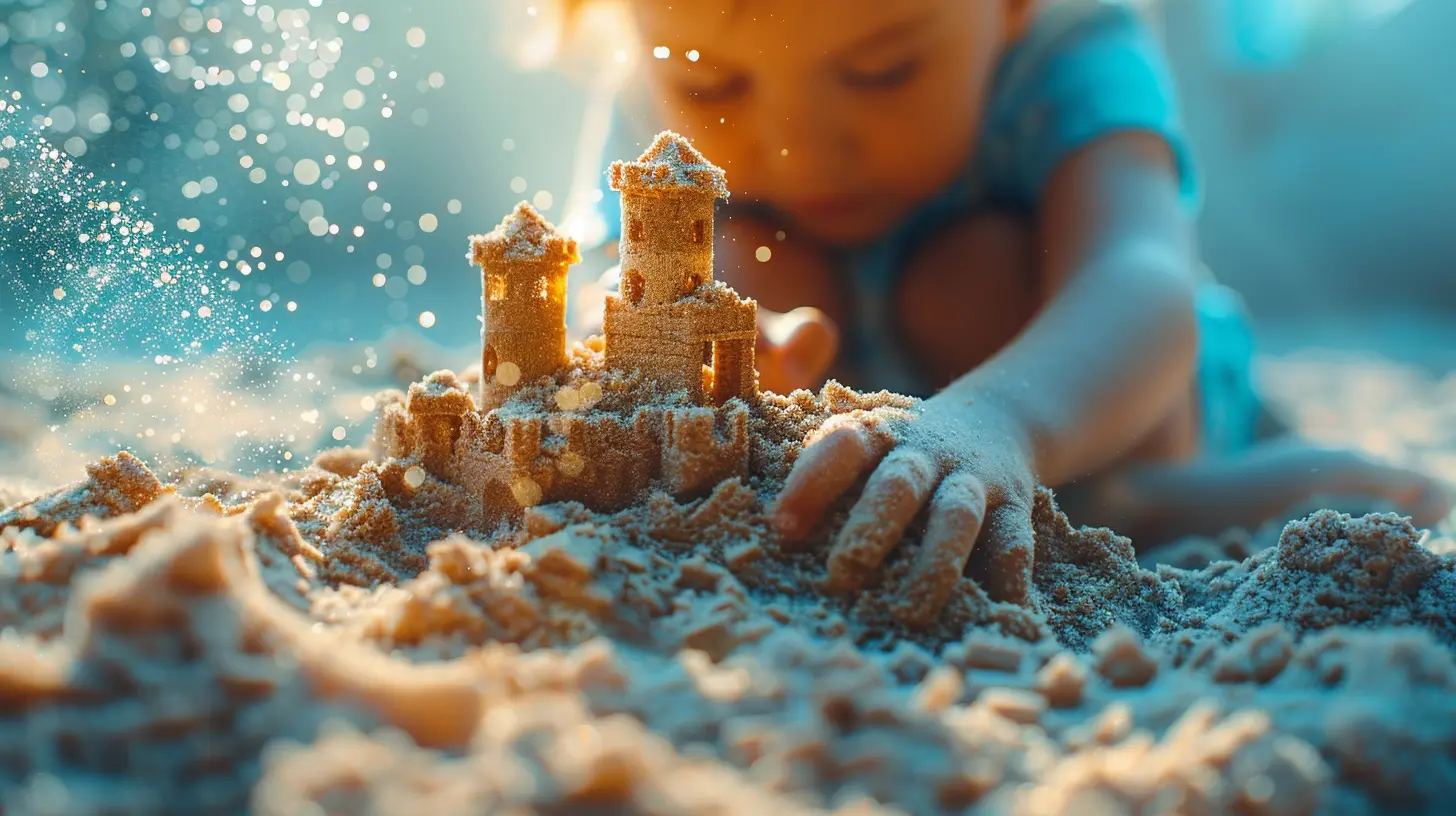
Learning Without Realizing: The Genius of Sandbox Design
You know what's cool? These games teach you stuff without screaming, “Hey, this is educational!” They’re like sneaky teachers that let you have fun while secretly leveling up your brain.Here’s how:
1. Critical Thinking and Problem-Solving
You ever tried surviving your first Minecraft night without a clue what you’re doing? It’s chaotic. But eventually, players learn to gather resources, build shelters, and avoid getting eaten by virtual monsters—all through trial and error.Sandbox games constantly throw challenges at players, and there’s no one-size-fits-all solution. You’ve got to think on your feet, plan ahead, and craft strategies on the fly. That’s problem-solving gold right there.
2. Creativity Runs Wild
Nothing boosts imagination like being handed an empty canvas and a toolbox full of possibilities. With no rigid mission structure, players are encouraged to make their own stories, structures, and even games within games.In Roblox, some kids are out there designing full-blown multiplayer games with custom mechanics. In Minecraft, entire cities and functioning computers (yes, computers) have been created from digital blocks. That’s not just play—it’s art, coding, and engineering wrapped in one.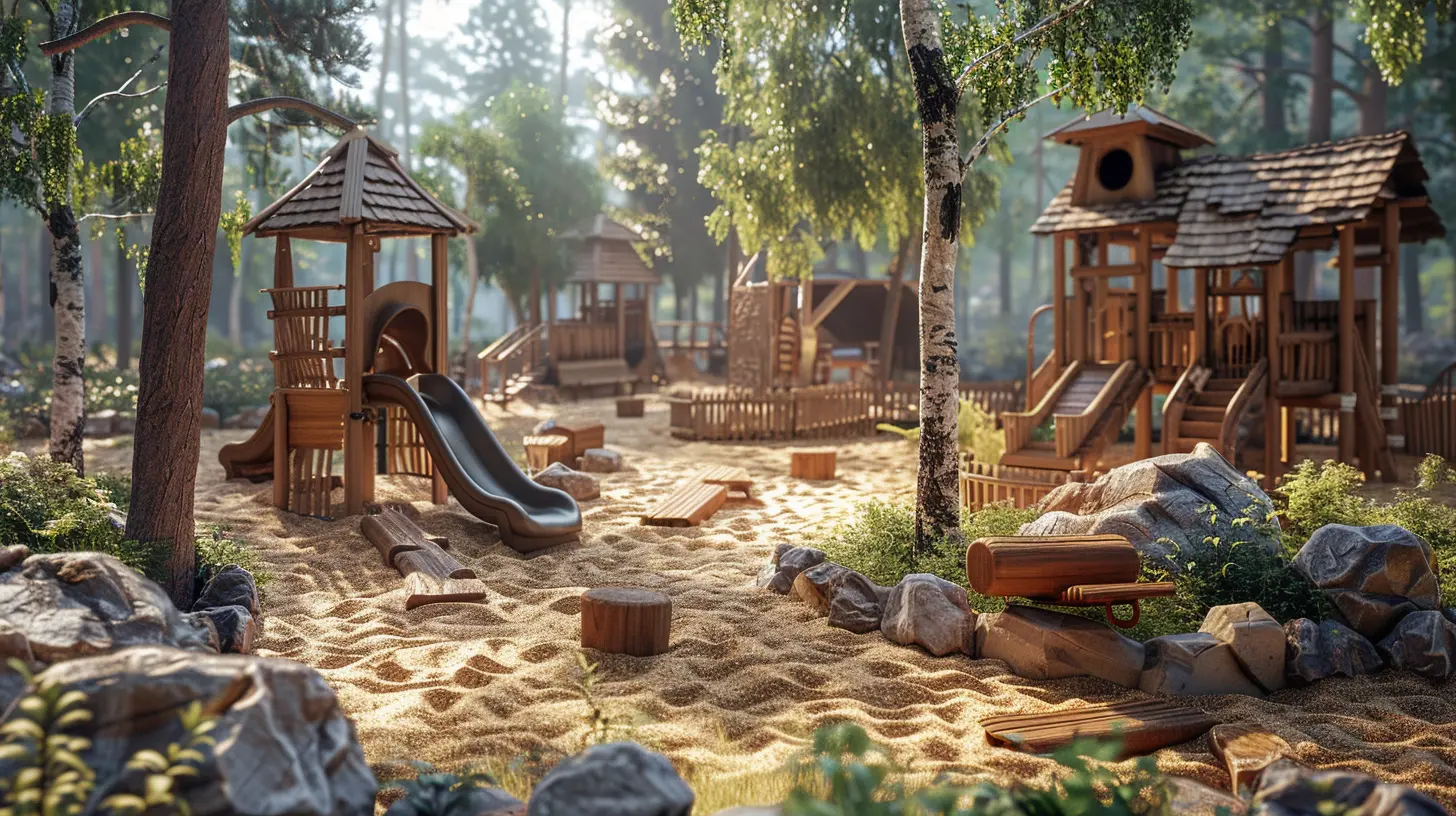
Core Educational Areas Where Sandbox Games Shine
Let’s get into the nitty-gritty. Sandbox games aren’t just making kids more creative—they’re giving them hands-on experience with real-world skills. Let’s break it down.1. STEM Skills (Science, Technology, Engineering, Math)
Bet you didn’t think redstone in Minecraft was teaching basic circuitry, huh?Sandbox games introduce STEM concepts in a way that’s engaging and approachable:
- Minecraft Redstone: Teaches logic gates, circuits, and automation.
- Roblox Studio: Uses Lua coding, which introduces programming fundamentals.
- Kerbal Space Program (yes, it counts): Teaches physics, orbital mechanics, and aerospace engineering.
And here’s the kicker—players want to learn this stuff so they can bring their wild ideas to life. That’s pure motivation right there.
2. Project Management and Planning
When you decide to build a massive roller coaster in Terraria or a sci-fi base in Minecraft, you don’t just wing it. Players learn to:- Break big goals into smaller tasks.
- Manage virtual resources.
- Work through designs phase-by-phase.
It’s like managing a project in the workplace—except your coworkers are creepers and your deadlines are set by your own excitement.
3. Collaboration and Social Skills
Multiplayer sandbox games are mini laboratories for teamwork. Whether it’s building a city in Minecraft Realms or co-developing a Roblox game with friends, players learn to:- Communicate ideas clearly.
- Deal with conflicts.
- Delegate tasks.
- Give and receive feedback.
These aren’t just “soft skills”—they’re essential life skills. And the gaming world is one heck of a place to develop them.
Real-Life Applications: Beyond the Screen
Okay, so how does crafting castles and coding games actually help in real life?Education Systems Are Catching On
Some teachers now use games like Minecraft: Education Edition in the classroom. They’re using it to teach subjects from history to chemistry—why? Because students are engaged. They’re not just memorizing—they’re experiencing.And then there’s Roblox Education, helping kids dive into game design and development. We’re talking real-world career paths started in virtual spaces. Wild, right?
Career Inspiration Starts Here
You know how many developers, engineers, and designers got their start by messing around with sandbox games as kids? Tons.Playing with redstone circuits can spark an interest in electrical engineering. Designing custom buildings can lead to a passion for architecture. Scripting behavior in Roblox can be the gateway to a tech job. These games are literally talent pipelines dressed up as entertainment.
The Freedom to Fail (Safely)
Here’s something schools often struggle to provide: a safe space to fail and try again.Sandbox games are the ultimate safe spaces for failure. Want to build a rollercoaster that flings into lava? Go for it. Want to test a machine that goes kaput half the time? Why not?
Failure doesn’t come with punishment. It comes with learning. Iterating. Improving. That’s a powerful mindset shift—and it’s something sandbox players pick up naturally.
Even Adults Can Learn (Yep, You Too)
Think sandbox games are just for kids? Think again.Adults mess with sandbox games too—and not just for nostalgia. They use them to unwind, explore creativity, or even sharpen project management and leadership skills by running huge multiplayer servers.
We’ve seen parents playing Minecraft with their kids to bond and even sneak in lessons about teamwork or geometry. It's gamified learning in the family room—no textbooks required.
Addressing the Elephant: Screen Time Concerns
"But isn’t too much gaming bad?"Fair enough—balance is key. But let’s be honest, not all screen time is created equal.
An hour of aimlessly scrolling social media? Not the same as an hour spent creating a functioning calculator in Minecraft or coding a new game in Roblox. One’s passive, the other's creative and skill-building.
It’s all about the quality of the screen time.
Final Thoughts: It’s Time To Rethink What “Educational” Looks Like
So here's the takeaway—sandbox games aren’t just mindless fun. They’re dynamic, engaging, and totally capable of sharpening some seriously valuable skills. From critical thinking to collaboration, from coding to creativity, the educational potential hidden in sandbox games is massive.Schools should take these platforms more seriously. Parents should see them as tools, not just toys. And we, as gamers or educators or just curious humans, should give credit where it's due.
Because at the end of the day, these games are digital sandboxes where the next generation of thinkers, builders, and problem-solvers are quietly getting their start—one block at a time.
all images in this post were generated using AI tools
Category:
Educational Value Of GamesAuthor:

Leif Coleman
Discussion
rate this article
3 comments
Renee Bryant
Sandbox games offer a unique platform for creativity and problem-solving, fostering critical thinking and collaboration. Their open-ended nature encourages players to explore, experiment, and learn, making them valuable tools for education and personal development.
April 9, 2026 at 4:19 PM
Leif Coleman
Thank you for your insights! I completely agree—sandbox games indeed provide a rich environment for creativity and critical thinking, making them excellent educational resources.
Fenn McCarty
Great insights! Sandbox games indeed offer unique opportunities for learning and creativity. Exploring their educational potential can revolutionize how we approach gaming and learning in engaging ways.
January 21, 2026 at 5:19 AM
Leif Coleman
Thank you for your thoughts! I completely agree that sandbox games can transform learning by fostering creativity and exploration. Their potential in education is truly exciting!
Elowyn Watson
This article beautifully highlights the often-overlooked educational benefits of sandbox games. It's refreshing to see their potential for creativity and problem-solving emphasized. I truly appreciate the insights shared here—thank you for shedding light on this important topic!
January 15, 2026 at 6:08 AM
Leif Coleman
Thank you for your thoughtful comment! I'm glad you found the insights valuable. Sandbox games really do offer so much potential for learning and creativity.