Exploring Non-Traditional Warfare in Indie War Games
16 December 2025
When you hear "war games," you probably think of big-budget blockbusters like Call of Duty or Battlefield, right? Explosions. Helicopters. Grizzled soldiers yelling something about "taking the perimeter." It's all very Hollywood. But let me hit you with something different—indie war games. Yeah, those quirky little gems made by devs with more passion than budget. They don’t just rehash the same shooty-bang-bang formula; they flip the script entirely.
These games are the eccentric cousins of traditional war games. They’re not out here trying to be photorealistic portrayals of war. Nope. Instead, they use clever mechanics, unconventional narratives, and unique art styles to redefine what "warfare" even means. And boy, do some of them get weird—in the best way possible.
So, buckle up, because we’re about to dive into the fascinating world of non-traditional warfare in indie war games. Trust me, it's like opening a treasure chest of creativity... but instead of gold, you get mind-blowing gameplay. 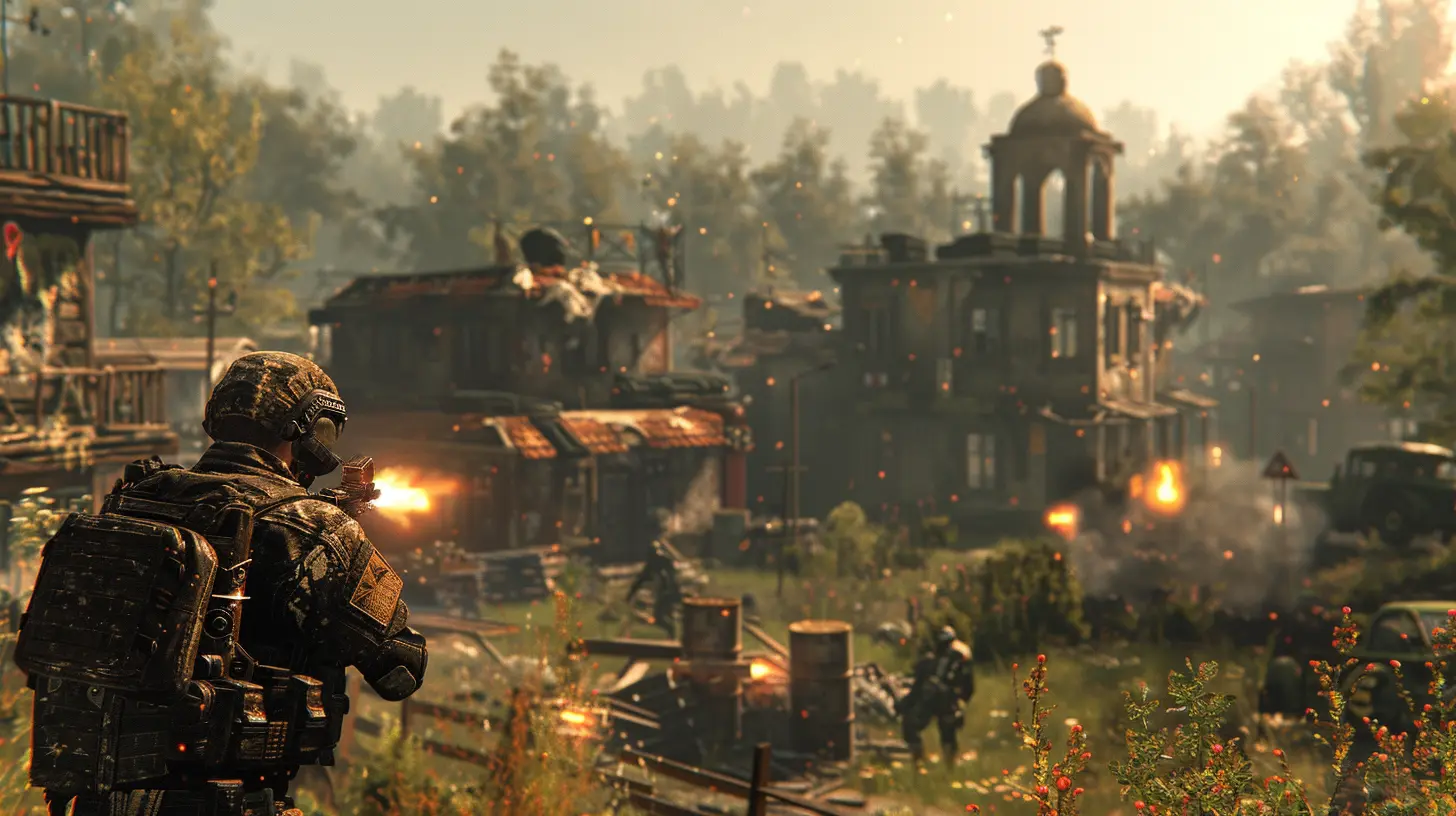
Not Your Grandpa’s War Game
First things first: what even qualifies as "non-traditional warfare"? Well, in games like Call of Duty, war usually means guns, bombs, tanks, and brute force. But in the indie realm? Warfare can mean anything from hacking into enemies' minds to outsmarting them on the battlefield with nothing more than a set of cards.It’s war, sure, but not in the way you’ve been conditioned to think of it. Let’s explore some of the innovative ways indie developers are redefining the genre.
1. Emotional Warfare: This War of Mine
Let’s start with a heavy hitter—This War of Mine. You’re not a soldier in this game. Nope, you’re a civilian trying to survive a war-torn city. And let me tell you, this game hits like a ton of bricks emotionally.Instead of "pew-pew" and "kaboom," your battles are with hunger, sickness, and moral dilemmas. Do you steal food from your starving neighbors? Do you risk getting shot while scavenging at night? It’s less about winning the war and more about surviving the chaos.
Playing This War of Mine is like watching a drama that hurts so good you can’t look away. It shines a spotlight on the collateral damage of warfare—something traditional war games usually gloss over in favor of flashy explosions.
Why It’s Brilliant for the Genre:
It reminds us that wars aren’t just fought on the battlefield. They’re fought in living rooms, kitchens, and makeshift shelters too. It’s uncomfortably real, and that’s what makes it unforgettable.2. Warfare in a Deck of Cards: Into the Breach
What if I told you a game about war could also feel like playing chess—with kaiju? That’s the genius of Into the Breach. This turn-based tactical game pits you against giant alien monsters, but instead of relying on reflexes, you rely on your brainpower.Every move matters. One wrong decision, and an entire city block might get obliterated. But here’s the kicker: you’re not just thinking about the battle in front of you. You’re planning three steps ahead, like some kind of war-time psychic.
Why It’s Brilliant for the Genre:
It takes the idea of warfare and turns it into a puzzle. It’s not about spraying bullets and hoping for the best. It’s about strategy, thinking outside the box, and accepting you can’t always save everyone.3. Psychological Warfare: Papers, Please
Okay, okay, you’re probably thinking, “What’s a game about checking passports doing on this list?” But hear me out: Papers, Please is a war game, just not in the way you think.You’re an immigration officer working the border of a fictional, dystopian country. Your job? Approve or deny people’s entry based on increasingly convoluted rules. But here’s the twist: while you’re busy stamping papers, you’re also navigating the moral minefield of loyalty, bribery, and human lives.
War doesn’t just happen on the battlefield; it happens in government offices too. And the mental toll of Papers, Please? That’s warfare for your soul.
Why It’s Brilliant for the Genre:
It highlights the bureaucratic side of war—the red tape, the impossible decisions, and the personal cost of staying "loyal" to a regime. It’s a slow burn, but it’ll leave you questioning your morality at every turn.4. Guerrilla Warfare with a Twist: Invisible, Inc.
Think XCOM, but make it sneaky. That’s basically Invisible, Inc. in a nutshell. This game puts you in charge of a team of spies infiltrating corporate strongholds. Instead of guns blazing, you rely on stealth, strategy, and a healthy dose of clever gadgetry to achieve your objectives.It’s like being in a spy movie—but with the stakes of Mission Impossible cranked to 11. From hacking into security systems to sneaking past guards, it’s all about using your wits rather than brute force.
Why It’s Brilliant for the Genre:
It shifts the focus from all-out warfare to espionage, proving that sometimes the best offense... is not being seen at all. It’s a refreshing take that rewards brains over brawn.5. Satirical Warfare: Totally Accurate Battle Simulator (TABS)
Sometimes, war is just plain ridiculous—and TABS leans all the way into that. This physics-based battle simulator lets you pit absurd armies against one another. Want an army of knights to fight a swarm of chickens? Sure, why not.The beauty of TABS is that it doesn’t take itself seriously. At all. The wobbly animations and unpredictable outcomes are pure chaos, but somehow, amidst the silliness, there’s an undeniable charm.
Why It’s Brilliant for the Genre:
It’s a reminder that war games don’t always have to be grim and gritty. Sometimes, it’s okay to just laugh at the absurdity of it all.
Why Indie War Games Matter
Indie war games are like the underdogs of the gaming world. They’re not trying to compete with AAA titles; they’re carving out their own niche. With smaller teams and tighter budgets, indie developers have the creative freedom to take risks—and boy, do they take some bold ones.While traditional war games focus on spectacle, indie war games focus on substance. They remind us there’s more to warfare than explosions and kill streaks. It’s about the human experience, the moral dilemmas, and sometimes, the sheer absurdity of it all.
They’re the games that make you think, make you feel, and occasionally, make you laugh until your sides hurt. Honestly? The big-budget games could learn a thing or two from their indie counterparts. 
A Potential Future for War Games
As gamers, we’re often drawn to what’s familiar. But stepping outside that comfort zone by trying indie war games can be a game-changer—pun 100% intended.The future of war games doesn’t need to be about who can create the most realistic explosion. It could—and maybe should—be about telling untold stories, challenging perspectives, and breaking free from the mold.
And who’s leading that charge? Indie devs, of course. 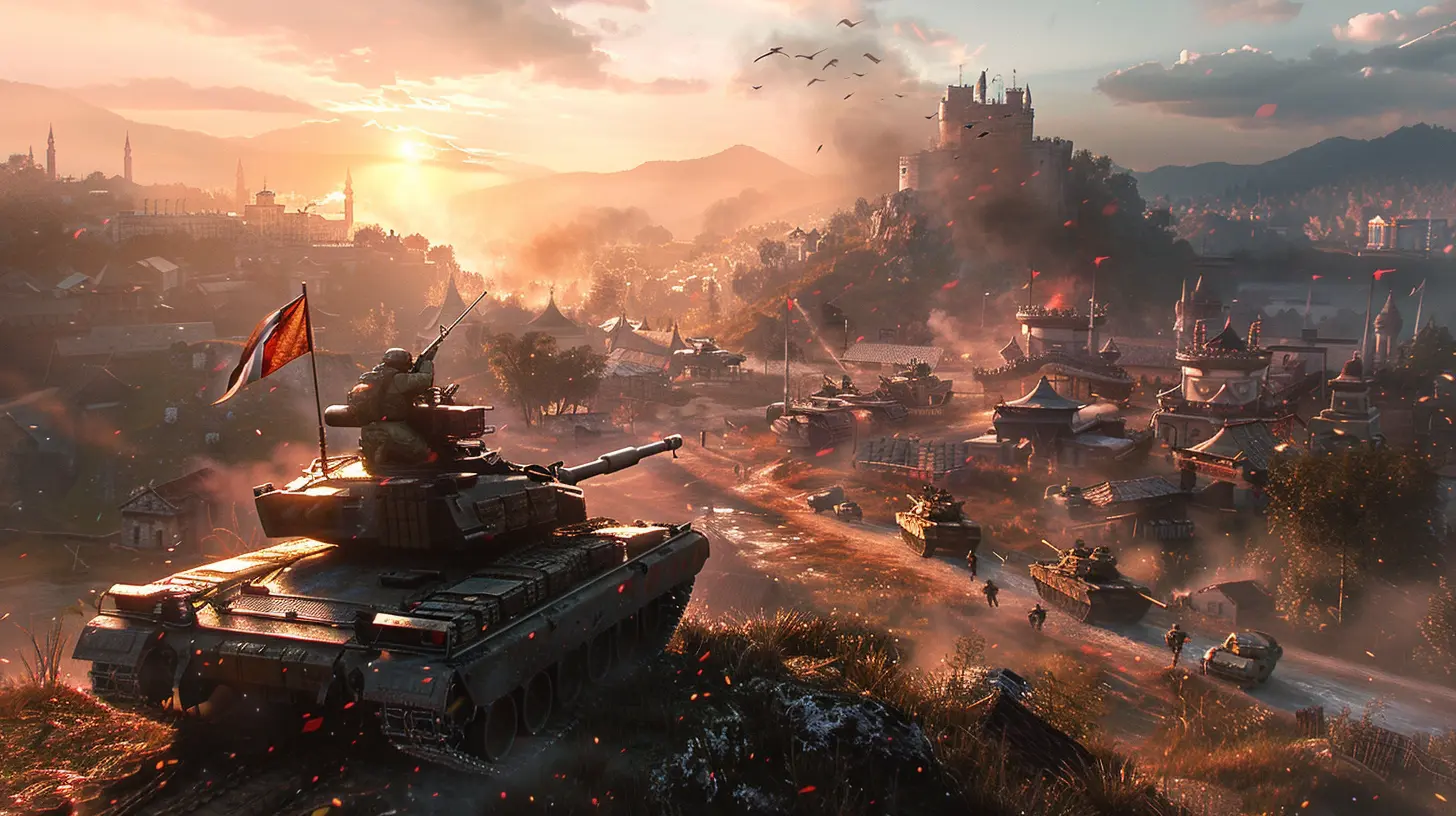
Wrapping It Up
So there you have it, folks: the weird, wonderful, and wildly inventive world of non-traditional warfare in indie war games. They’re emotional rollercoasters, intellectual challenges, and comedy acts all rolled into one.If you haven’t dived into this genre yet, what are you waiting for? Go give This War of Mine, Into the Breach, or even TABS a shot. You might just discover a new favorite. And hey, at the very least, you’ll have some great stories to share at your next gaming session.
all images in this post were generated using AI tools
Category:
War GamesAuthor:

Leif Coleman
Discussion
rate this article
3 comments
Signe McIlwain
This article brilliantly highlights how indie war games redefine conflict through innovative mechanics and storytelling. By focusing on non-traditional warfare, these titles challenge players to think strategically and ethically, enriching the gaming landscape with fresh perspectives.
April 1, 2026 at 2:45 AM
Leif Coleman
Thank you for your insightful comment. I'm glad you found the article's exploration of innovative mechanics and ethical challenges in indie war games compelling. It's exciting to see how these games push boundaries.
Lumen Banks
Interesting insights; non-traditional warfare enhances strategic depth.
January 8, 2026 at 4:22 PM
Leif Coleman
Thank you! I'm glad you found the insights valuable. Non-traditional warfare indeed opens up new strategic dimensions in indie war games.
Zaren Scott
Indie war games redefine conflict by blending strategy and creativity—proof that battles can be fought in new ways.
December 21, 2025 at 4:45 AM
Leif Coleman
Thank you for your insight! Indie war games truly offer innovative perspectives on conflict, showcasing the power of creativity in strategy.