Exploring Religion and Myth in Fantasy RPGs
18 February 2026
When you fire up your favorite fantasy RPG, what draws you in first? Is it the lush landscapes, the deep character customization, or the edge-of-your-seat combat? Those things are great, sure. But let’s be honest—what really makes a game stick with you? It's the worldbuilding. The lore. The ancient gods. The mysterious cults. The celestial balance between good and evil.
Religion and myth are the heartbeat of many fantasy RPGs, pumping rich, immersive vibes into the worlds we love to lose ourselves in. They're not just background noise—they're integral, shaping everything from the decisions of kings to the questlines of commoners.
So, let’s dive into how religion and mythology play such massive roles in RPGs. This isn’t a theology class—don’t worry. It’s more like staying up late talking lore with your guildmates. Let’s go!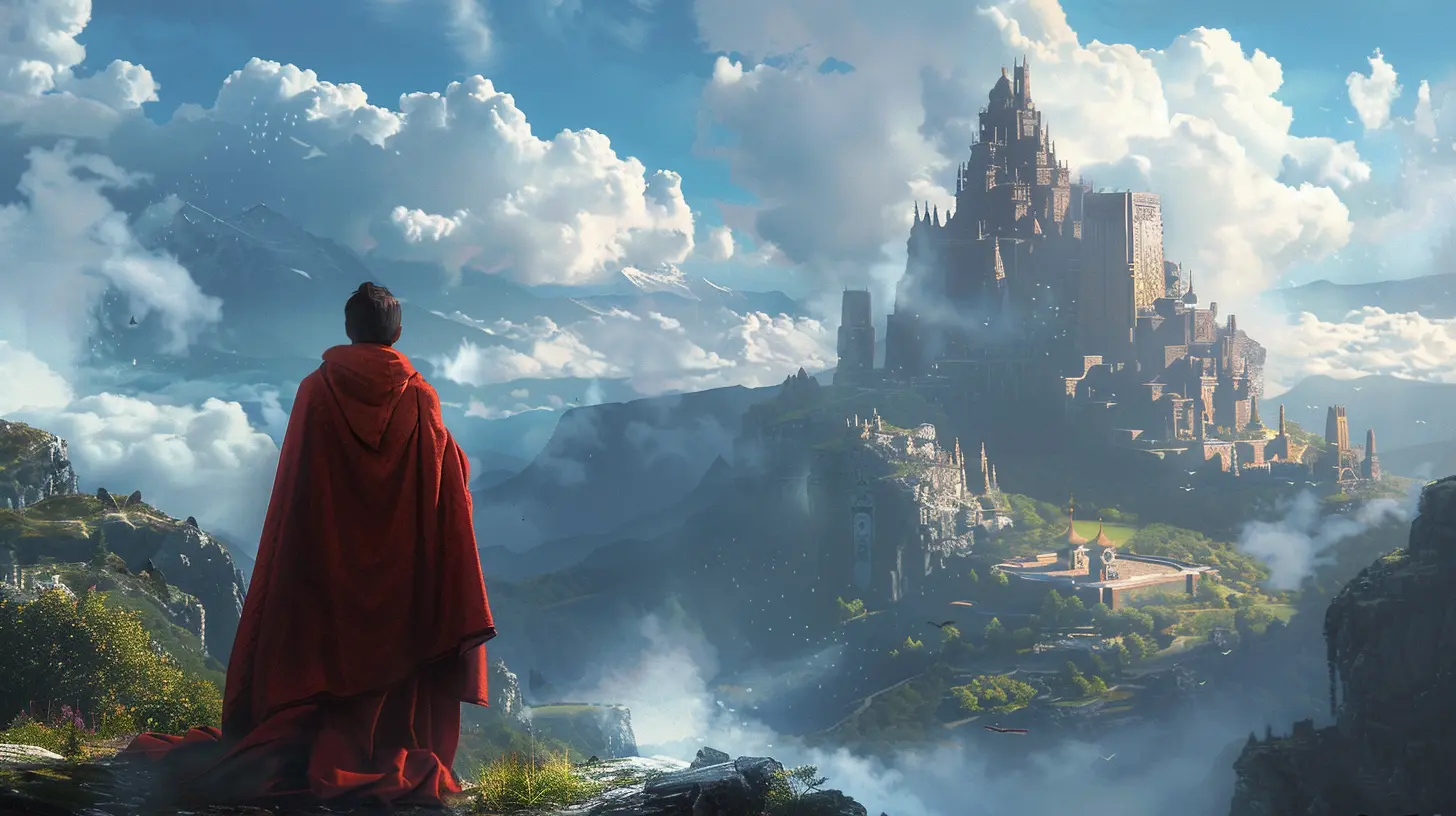
Why Religion and Myth Matter in RPGs
You ever wonder why fantasy worlds feel so... alive? It’s because they mirror bits of our own. And in our real world, religion and mythology have shaped cultures, wars, art, and philosophy for centuries. Game developers know this. When they borrow from or build upon these ancient systems of belief, they make the game world feel deep, authentic, and lived-in.Think of it like seasoning. Plain chicken is okay, but when you add garlic, salt, pepper, and maybe a little paprika? Chef’s kiss. Religion and myth are the invisible spices that flavor the world—sometimes subtle, sometimes overwhelming—but always noticeable.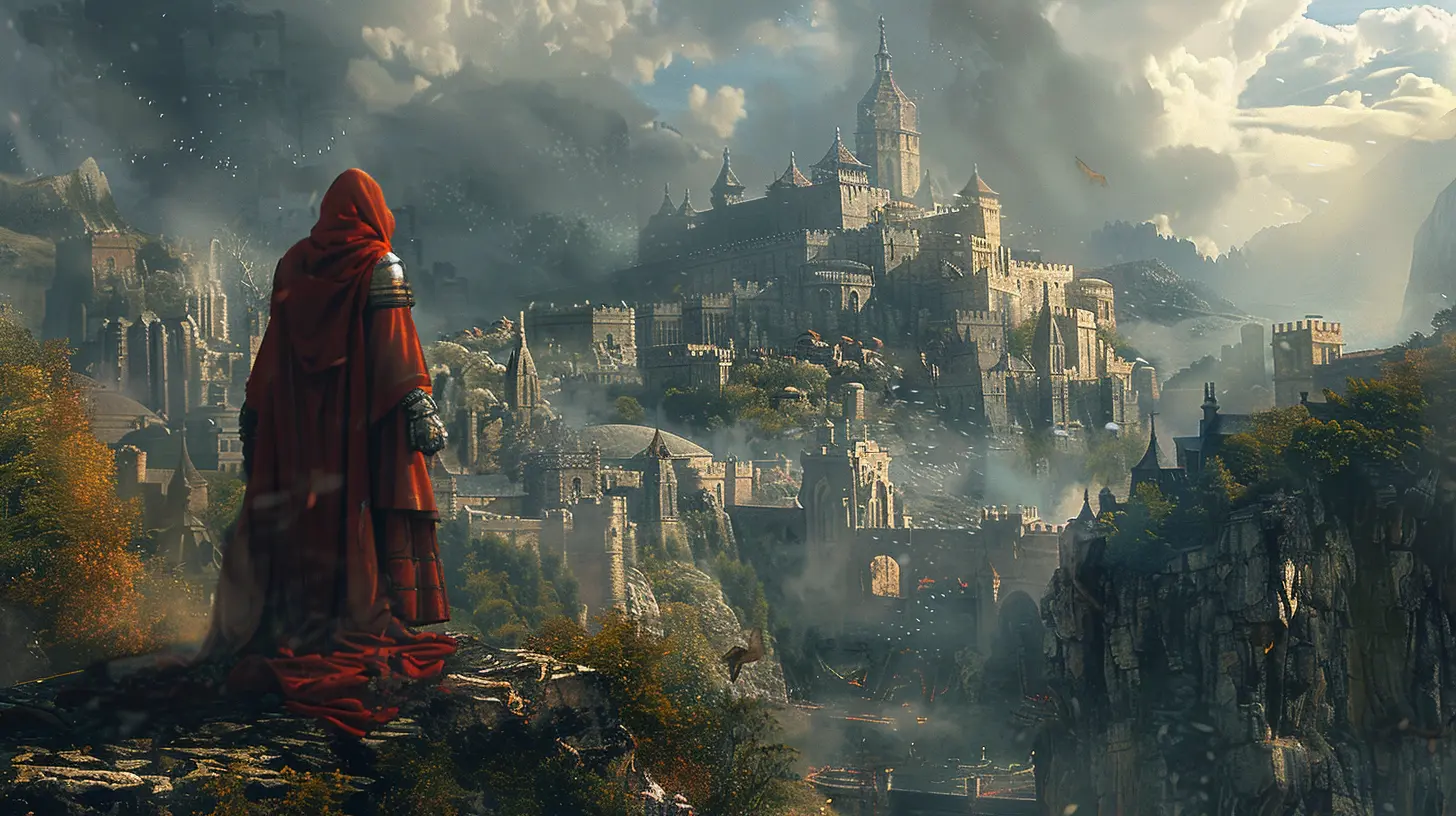
The Pantheon of Power: Gods, Goddesses, and More
In many fantasy RPGs, deities aren’t just abstract ideas or statues in a chapel. They're real. Sometimes terrifyingly so. They intervene. They bless. They curse. In some settings, you can literally meet them, fight them, or even become one.Series like The Elder Scrolls and Dragon Age are prime examples. You’ve got gods and spirits in constant push-and-pull, shaping realms through their followers. Sometimes they’re benevolent. Other times… let's just say you might need a few potions and your strongest sword.
These divine beings often represent different aspects of the world—war, love, death, nature, chaos. And depending on which god a person worships, their beliefs and behaviors will change. That makes every character, from the main villain to the innkeeper, feel more grounded and real.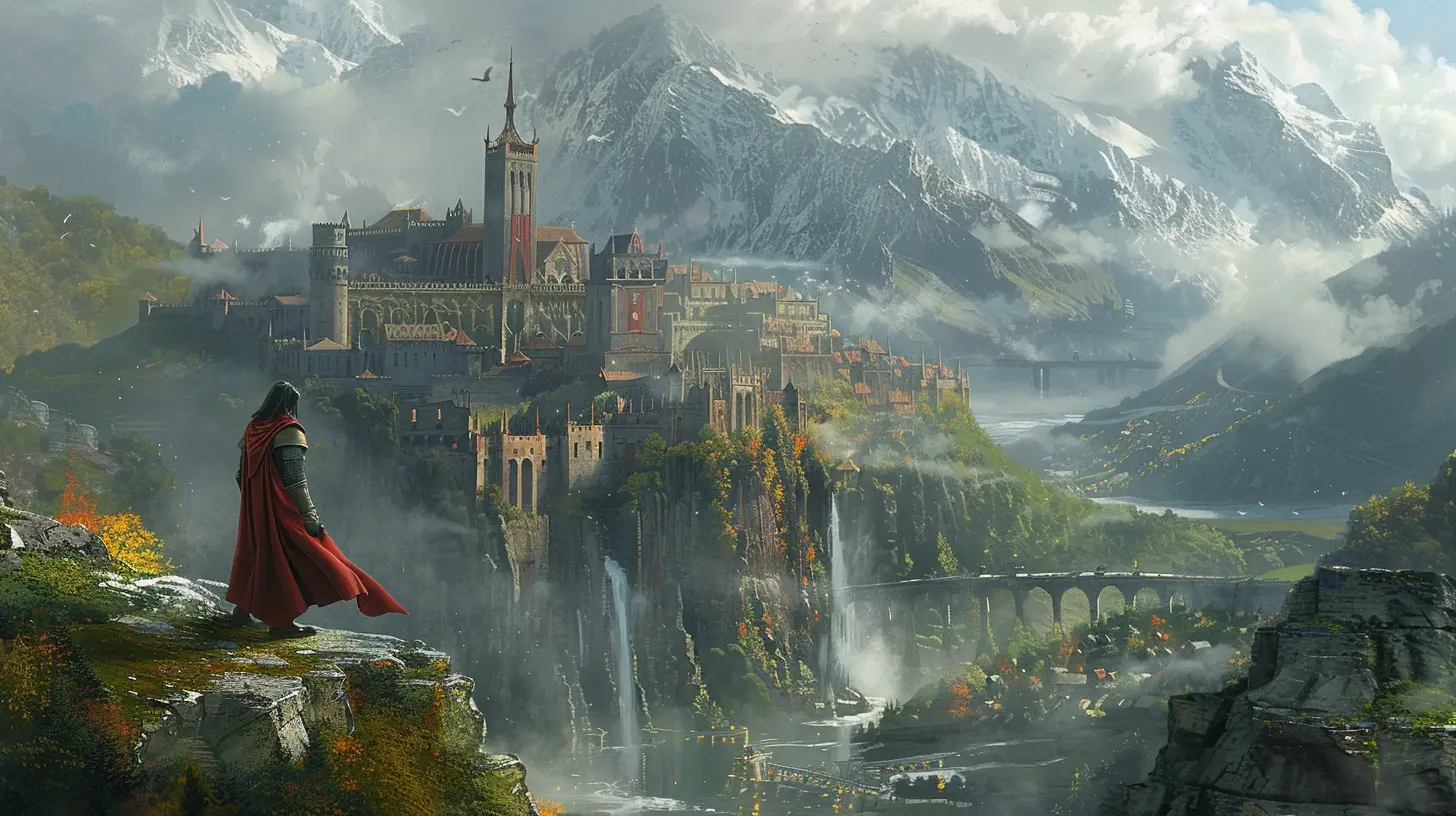
Faith as a Gameplay Mechanic
Religion in RPGs isn’t just storytelling—it can be gameplay too.Take Dark Souls or Elden Ring, where faith isn’t just a stat for show. It affects what spells you can cast, what gear you can use, and how you build your character. Want to throw lightning bolts like Zeus himself? Better level up that Faith score.
In Divinity: Original Sin 2, gods influence the story directly, choosing champions and affecting your choices. Who you align with might change the entire game’s outcome.
And then there’s Neverwinter Nights, where clerics and paladins gain powers directly from their deities. But stray from your god’s teachings? You risk losing those powers. It’s like having a divine supervisor watching your every move.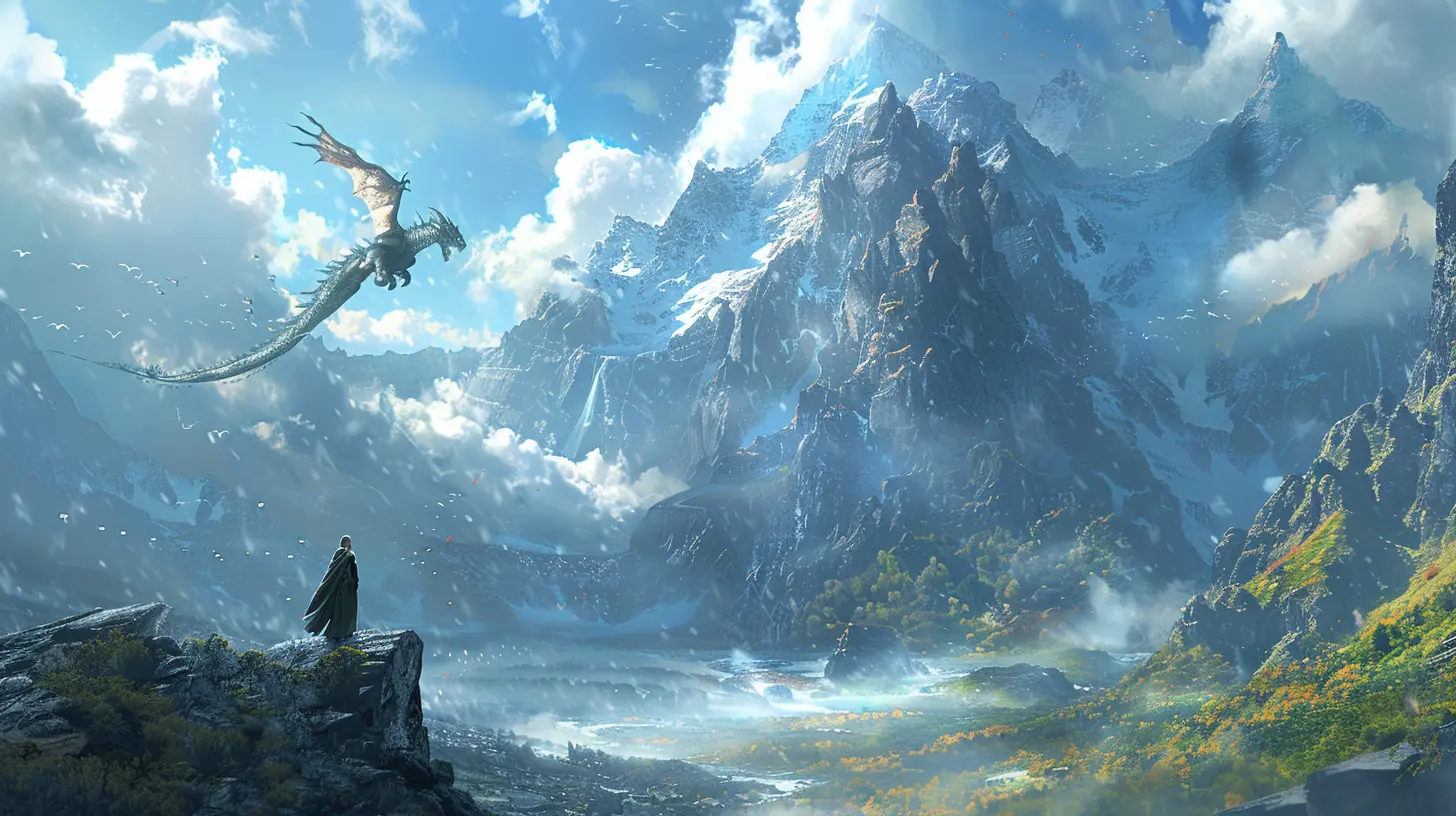
Mythology: The Blueprint of Fantasy Worlds
Real-world mythology is a goldmine for fantasy game devs. Greek, Norse, Egyptian, Hindu—you name it. These ancient stories are packed with magic, monsters, and moral lessons tailor-made for RPGs.Let’s look at Norse mythology. Ragnarok isn’t just the end of the world—it’s an epic showdown between gods, giants, and fate itself. Sound familiar? Probably because you've seen it echoed in games like God of War (2018) and Assassin's Creed: Valhalla.
But devs don’t just copy-paste myths into their games. They remix them, breathe new life into them, or build entirely new myths from scratch. They ask: “What if Loki wasn’t just a trickster, but a tragic anti-hero?” or “What if there was a goddess of machinery in a steampunk world?”
That kind of creative spin is what draws us in. It’s myth-making 2.0.
Cults, Clerics, and Conflict
Where there’s religion, there’s drama. From heresies to holy wars, fantasy RPGs use religion as a tool for good storytelling.Think about it. If a king wages war in his god’s name, is he a righteous paladin… or a delusional tyrant? Depends who you ask. That moral ambiguity makes for juicy side quests and tough decisions. You’re constantly asking, “Am I making the right choice?”
Games like Pillars of Eternity and The Witcher 3 don’t shy away from this. There are factions fighting over doctrine, inquisitors burning books, and secret societies worshipping forbidden gods. Religion becomes a chessboard—every belief a move, every heretic a threat.
It all adds to the tension, the stakes, and the heartache. Especially when you’ve got to choose between your party’s beliefs and what the main quest demands.
Building Your Character’s Belief System
One of the coolest parts of RPGs is how personal they are. When character creation lets you pick your deity, belief, or spiritual path—it’s not just flavor text. It can shape your interactions, allies, and enemies.If you’re playing a cleric in Baldur's Gate 3, who you worship affects your spells, your roleplaying dialogue, and even how NPCs treat you. You might be revered in one town and exiled in the next. Kinda like how real-world religious identity can open or close doors.
Even in games where faith isn’t a hard stat, devs drop hints about your character’s belief. Maybe your barbarian wears a charm from their tribe’s sky god, or your rogue whispers a prayer before every heist. It’s these little details that make our characters feel real to us.
Religion as a Mirror for the Player
Religion in fantasy RPGs isn’t just for show—it asks us questions. Big ones.What do you believe in?
Is power divine or corrupting?
What’s the cost of blind faith?
Even if your character is just pixels on a screen, the choices you make in-game echo real-world moral dilemmas. That’s powerful stuff, right? These aren’t just fantasy problems—they mirror the struggles people have faced throughout history.
Fantasy RPGs give us a safe space to wrestle with belief systems, question authority, and explore what it means to be devoted—or defiant.
Inclusivity and Representation in Fantasy Faiths
Let’s be real: not all games have nailed this perfectly. Early fantasy often defaulted to monolithic, Euro-centric religions. But the tide is turning.More and more games are weaving in diverse pantheons, inclusive narratives, and faiths inspired by global cultures. From East Asian spiritual traditions in Ghost of Tsushima, to African mythology in indie gems like Aurion: Legacy of the Kori-Odan, the range is expanding.
And it's not just about where the myths come from—it's also about how belief is presented. LGBTQ+ inclusive religions, matriarchal societies with priestess orders, or atheist factions questioning divine authority? Yes, please. Bring it all on.
When developers take the time to build well-rounded, inclusive belief systems, it sends a message: this world welcomes everyone.
Common Tropes in Religion and Myth
Fantasy RPGs love their tropes. Some are comforting. Others are ripe for subversion. Here are a few you’ve probably seen:- The Chosen One: A prophet or divine warrior destined to save (or doom) the world.
- The Corrupt Church: A powerful religious institution hiding dark secrets.
- The Fallen God: A once-revered deity turned villain—or misunderstood hero.
- The Pagan Rebellion: Nature-based faiths fighting imperial or oppressive doctrines.
Tropes aren’t bad. They’re familiar touchstones that help players get immersed quicker. But the best games twist these just enough to keep us guessing.
Religion and Myth Beyond the Main Story
Here’s the thing: not every religious or mythical element has to be front and center. Sometimes, it’s in the background that the magic happens.A tomb with ancient inscriptions. A forgotten temple overrun by monsters. A side quest about a saint who might’ve performed miracles.
These bits of environmental storytelling add layers to the world. They're like breadcrumbs for curious players. Not all of us are lore-divers, but for those who are? This stuff is treasure.
And the beauty is, it doesn’t feel forced. It’s not, “Here, read this textbook.” It’s more like, “Poke around this old ruin, and you might stumble upon something cool.” That slow discovery is half the fun.
Final Thoughts
Religion and myth in fantasy RPGs aren't just worldbuilding tools—they’re emotional, philosophical, and narrative powerhouses. They pull us in, make us think, and force us to confront moral gray areas. Whether you're talking to a sun priest, fighting a dragon-god, or uncovering the truth behind a heretic’s tale, you’re engaging with something deep and complex.And at the end of the day, isn’t that what we love RPGs for?
So next time you’re deep in a dungeon or standing at the gates of a divine stronghold, take a second to think about the lore behind it all. There’s more there than XP and loot. There’s a story older than the world itself—just waiting for you to uncover it.
all images in this post were generated using AI tools
Category:
Rpg GamesAuthor:

Leif Coleman
Discussion
rate this article
2 comments
Elara Coffey
This article beautifully captures the intricate ways religion and myth shape fantasy RPGs. It’s fascinating to see how these elements enhance storytelling and player immersion, making the experience truly transformative.
February 28, 2026 at 4:12 AM
Leif Coleman
Thank you! I'm glad you found the connection between religion, myth, and storytelling in RPGs compelling. Your insight underscores the importance of these elements in enhancing player immersion.
Theo Roberts
Fantasy RPGs often serve as a reflective mirror, revealing our collective hopes, fears, and moral dilemmas through the lens of religion and myth. By intertwining these elements, they challenge players to confront their beliefs and question the nature of heroism, faith, and identity.
February 23, 2026 at 4:06 PM
Leif Coleman
Absolutely! Fantasy RPGs invite players to explore deep-seated beliefs and moral complexities, using myth and religion as rich backdrops for self-reflection and character development.