Fast Travel vs Manual Exploration in Role-Playing Games
4 March 2026
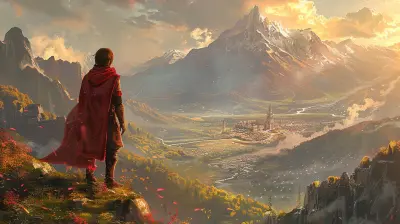
Role-playing games (RPGs) have always been about immersion, storytelling, and the thrill of discovery. Whether we’re slaying dragons, uncovering ancient relics, or getting caught up in some guild rivalry, RPGs pull us into other worlds and let us live out epic adventures. But there’s one little debate that consistently divides players: fast travel vs manual exploration.
Do you skip across the map with the click of a button, or do you hoof it from one end of the world to the other? Let’s dive into this age-old gaming debate and figure out what really makes an RPG experience memorable.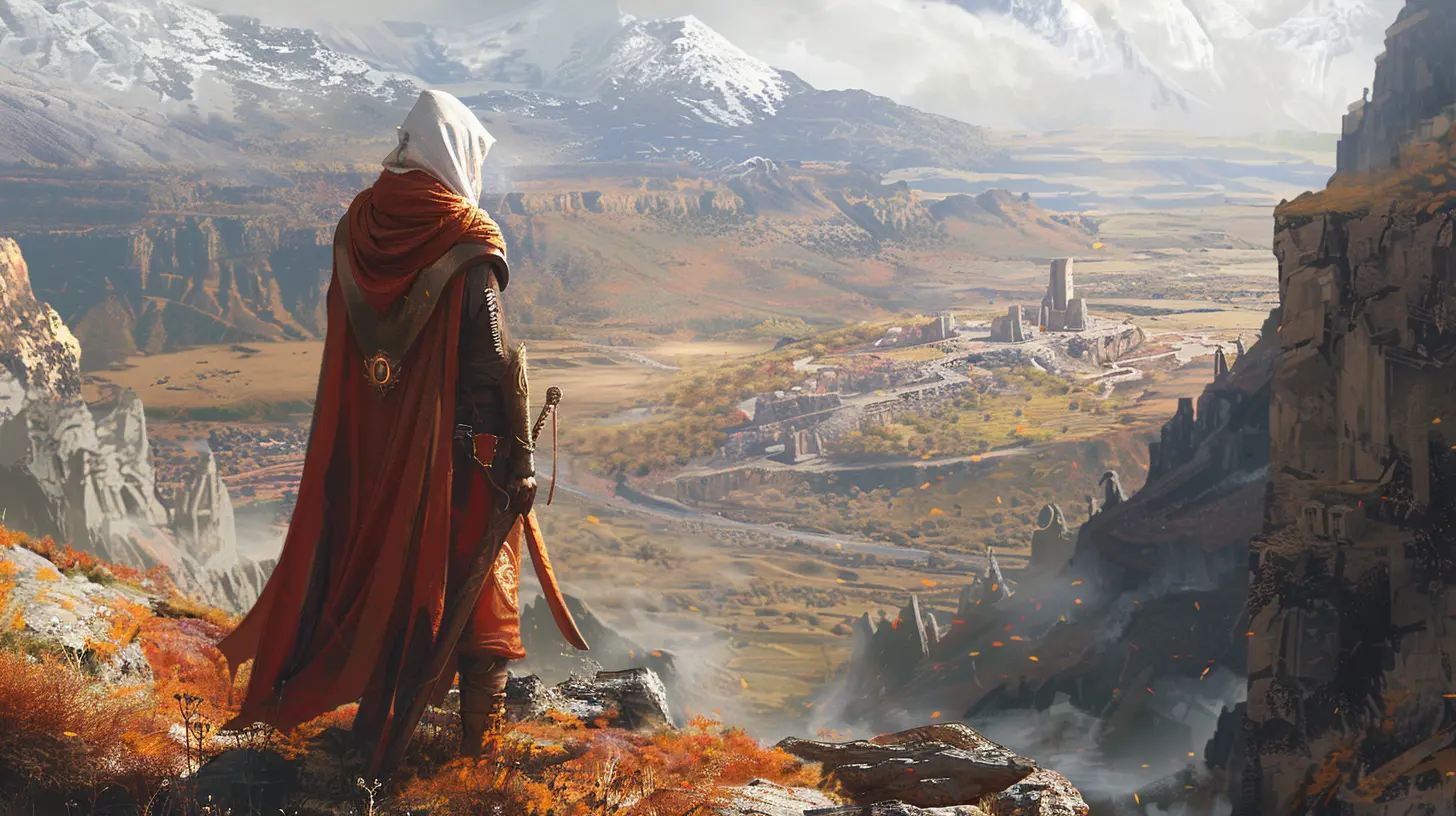
What Is Fast Travel in RPGs?
Fast travel is exactly what it sounds like. It’s a feature in many role-playing games that lets you instantly move your character from one known location to another. Think of it as a teleportation system – click a town on your map, boom, you’re there. No fuss, no random encounters, just straight to your destination.You’ve probably seen it in major RPGs like Skyrim, The Witcher 3, and Fallout. It’s convenient, it saves time, and let’s be honest, sometimes we just want to get to the juicy part of the story without hiking across the virtual wilderness.
But here’s the thing: fast travel isn’t without its downsides.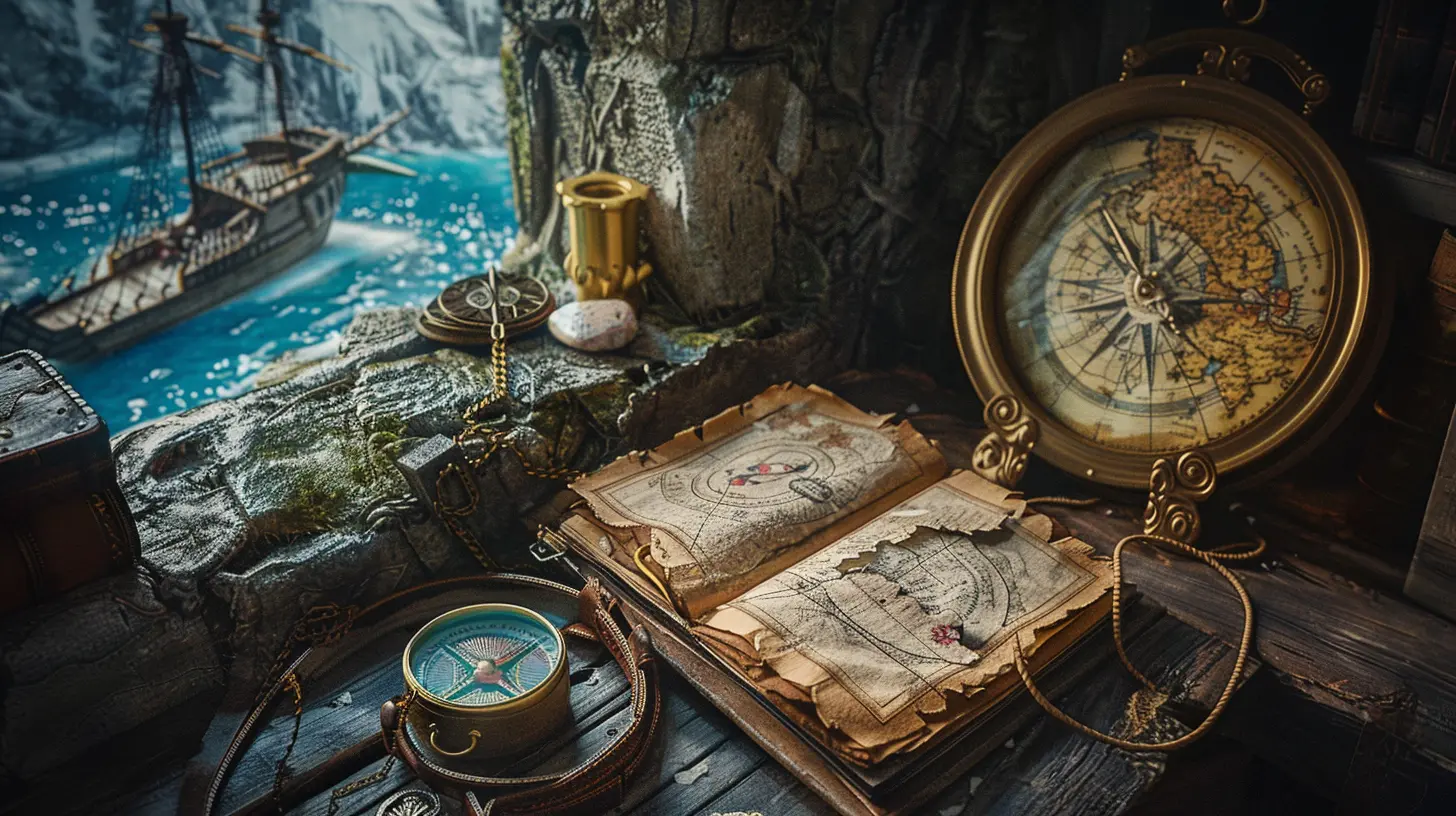
What Is Manual Exploration?
Manual exploration means you're walking (or riding, or sailing, or flying) from place to place yourself. No shortcuts. You experience every hill, river, and goblin ambush along the way. It's all about the journey, not just the destination.Games like Elden Ring and Red Dead Redemption 2 put heavy emphasis on this style. As a player, you’re encouraged (sometimes forced) to traverse the world naturally, soaking in the environment, stumbling into side quests, discovering hidden locations, and crafting your own stories through sheer curiosity.
Manual exploration may take more time, sure – but it’s also where some of the most memorable gaming moments are born.
The Allure of Fast Travel
Let’s be real, fast travel is a blessing. When you’ve been playing a 100+ hour RPG, walking back the same route for the 40th time gets old—fast.Here’s why fast travel is appealing:
1. Time Efficiency
Time is precious. We all have games in our backlog stacking up like laundry. Fast travel respects your time. Instead of spending 20 minutes galloping from Whiterun to Riften for the fifth time, fast travel lets you zip there in seconds.2. Easier Quest Management
Most RPGs throw a truckload of side quests at you. Fast travel lets you juggle multiple missions without backtracking like a lost courier. It keeps the momentum going.3. Accessibility
Not everyone has the luxury (or patience) to spend hours exploring. For players with limited time or disabilities that make manual navigation tough, fast travel is a game-changer.So yeah, fast travel has its perks. But convenience can sometimes come with a price.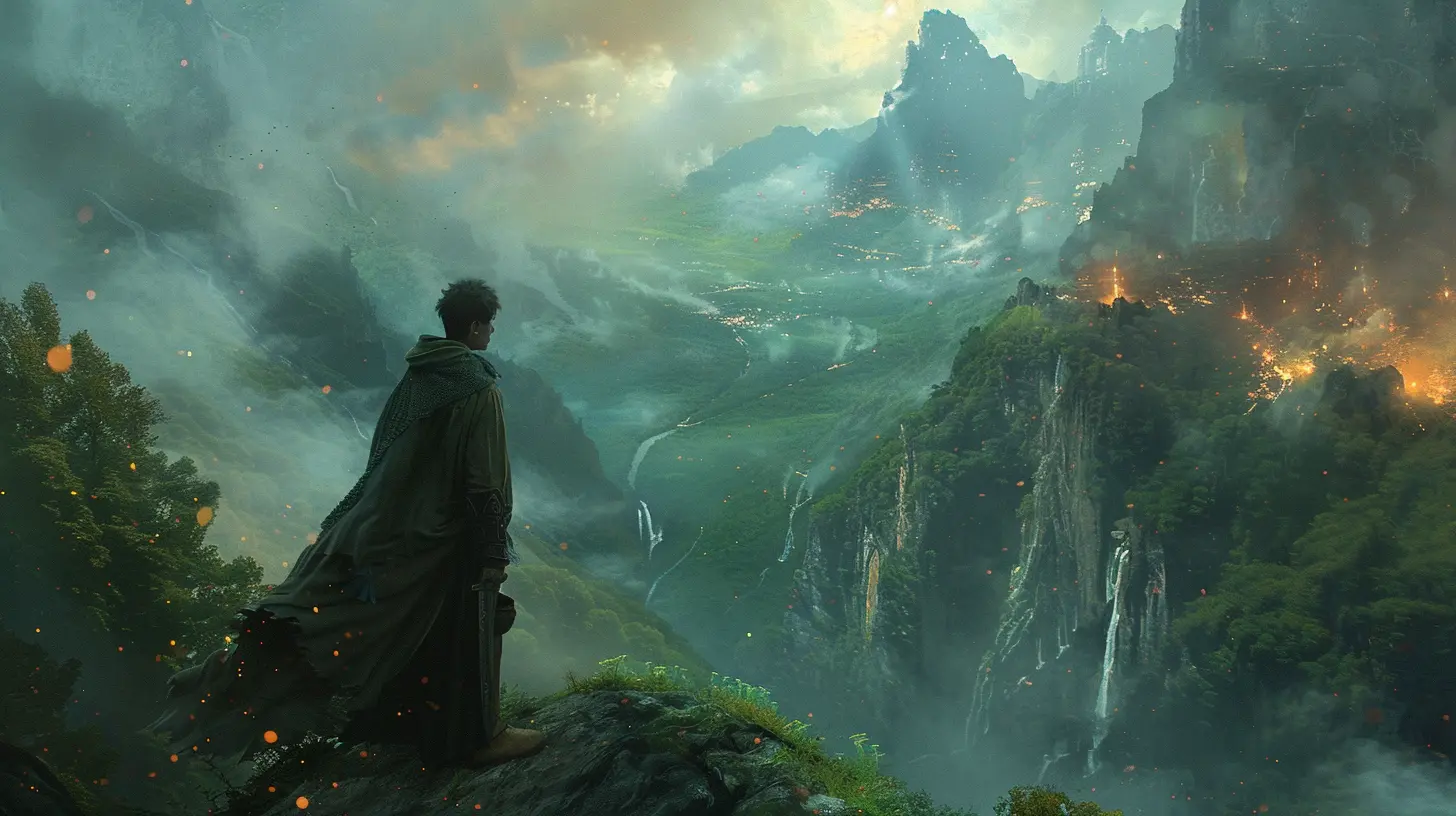
The Magic of Manual Exploration
Let’s shift gears for a second. Manual exploration isn't just trudging from point A to B—it's adventure in its purest form.1. World-Building at Its Finest
Game developers pour insane amounts of effort into world design. The forests, the ruins, the creepy abandoned towns—they’re all part of a living, breathing world. You miss most of it if you’re just teleporting everywhere.Walking through the world makes it feel real. The transitions between biomes, the dynamic weather, the music shifting as you climb a snowy peak—it draws you in.
2. Organic Discovery
Ever accidentally found a hidden cave while chasing a butterfly? That’s the beauty of manual exploration. Some of the best quests, loot, and lore are tucked away off the beaten path. You find them not because a quest marker told you to, but because you were curious. That’s gold.3. Emotional Connection
You remember the path you took when you climbed a deadly mountain or crossed a desert wasteland. Those moments stick with you. They become your story. Fast travel skips the struggle, but it also skips the satisfaction.Striking the Balance
Here’s the twist: it doesn’t have to be one or the other. The best RPGs find a way to make both fast travel and manual exploration feel valuable.A Great Example: The Witcher 3
The Witcher 3 gets this just right. Fast travel is only available from specific signposts, meaning you still have to explore on foot or horseback to get to those points. It encourages you to discover the world first, and then lets you shortcut it later.Rewarding Exploration
Some games even tempt you to explore manually by rewarding you with better loot, secret quests, or achievements. Breath of the Wild practically begs you to climb every mountain, glide from every tower, and poke around every ruin. The sense of discovery is addicting—and it never gets old.Arguments Against Fast Travel
Let’s address the criticisms. Fast travel, if done poorly, can totally kill immersion.- Kills the World’s Scale: If you can instantly jump across the map, the world stops feeling big. A sprawling kingdom feels like your backyard.
- Discourages Exploration: Why wander when you can teleport? Players end up missing half the content because they skip the journey.
- Breaks Immersion: One minute you're in a snowy tundra, the next you're in a desert city. No transition, no sense of time or distance passing.
The bottom line? Overusing fast travel can make an epic open world feel like a series of disconnected loading screens.
Arguments Against Manual Exploration
Now, fair is fair—manual exploration has its own set of drawbacks.- Time Sink: Sometimes the road is just boring. Not every forest is magical, and not every path is filled with bandits.
- Repetitive: Backtracking through the same areas can get tedious. Especially if there’s no new content or dynamic events.
- Inconvenient for Quests: Some quests require you to crisscross the map. Doing it all manually can feel like a chore rather than an adventure.
It’s all about pacing. Spending 30 minutes running to turn in one quest? That’s not fun. That’s filler.
Fast Travel vs Manual Exploration: The Game Design Perspective
From a developer’s point of view, this isn’t just a philosophical choice—it’s about shaping player behavior.Think about it: if you want players to really see your world, manual exploration is the way to go. But if your game is long, dense, and packed with quests, fast travel becomes a necessity to keep things smooth.
Some Smart Design Choices Include:
- Unlocking Fast Travel Locations Only After Visiting Them: Encourages initial exploration.- Limited Fast Travel (Costs Resources or Cooldown): Prevents abuse while offering convenience.
- Mixing Travel Types: Like a train system, mounts, airships, portals—give players options without making travel feel too “gamey.”
Which One Is Better?
So here it is—the big question. Fast travel or manual exploration?Honestly? There’s no universal answer. It depends on how you like to play.
- If you’re all about story progression, ticking off quests, and saving time—fast travel is your best friend.
- If you crave immersion, surprises, and building a personal connection with the world—manual exploration is where the magic happens.
Ideally, a well-designed RPG should give you the freedom to choose. That way, you can tailor the experience to fit your mood and playstyle.
My Take? Use Both—Smartly
Personally, I start every RPG with full-blown manual exploration. I get lost in the world, soak up the lore, and take the long road every time. But once I’ve been somewhere a dozen times? You better believe I’m fast traveling.The trick is to use fast travel as a tool—not a crutch. Don’t let it rob you of those unexpected moments, the ones that come from going off the path just to “see what’s over that hill.”
If a game hooks you enough that you don’t want to fast travel—that’s the sign of great design.
Final Thoughts
Fast travel vs manual exploration isn’t a right or wrong scenario—it’s a matter of purpose and preference. Great RPGs understand the importance of both and give players the freedom to explore how they want.Whether you’re a die-hard explorer or a speedrunning quest-junker, what matters most is that the journey feels meaningful. Because at the end of the day, it's not just about getting from point A to point B—but about all the stories that unfold in between.
all images in this post were generated using AI tools
Category:
Rpg GamesAuthor:

Leif Coleman
Discussion
rate this article
2 comments
Theodore Bowman
Loved this article! It perfectly captures the age-old debate between fast travel and manual exploration. While fast travel is a game-changer for efficiency, nothing beats the joy of uncovering hidden gems in a richly crafted world. Can't wait to dive into my next RPG!
March 15, 2026 at 4:02 PM
Leif Coleman
Thank you for your insightful thoughts! Glad you enjoyed the article—there's truly magic in both fast travel and exploration. Happy gaming!
Echo Oliver
Fast travel: teleportation for the lazy, exploration: cardio for the curious!
March 12, 2026 at 5:58 AM
Leif Coleman
That's a great way to put it! Fast travel can streamline gameplay, but exploration adds depth and adventure. Each has its own appeal!