From Pixels to Realism: Graphics Evolution in RPGs
11 September 2026
Anyone who’s ever dived into a classic RPG from the '80s or '90s and then jumped into something like The Witcher 3 or Elden Ring can tell you—graphics in role-playing games have come a long, long way. We’re talking about a journey that started with pixelated character sprites and static backgrounds and now gives us ultra-realistic characters with facial expressions that can actually make you feel something.
This isn’t just about shiny visuals. The evolution of graphics in RPGs has reshaped how these games tell stories, how they draw us into their worlds, and how they make us feel like we're truly part of something epic. Let’s roll the dice and take a deep dive into how we got from chunky pixel knights to cinematic open worlds that blur the line between gaming and reality.
The Pixel Era: Where It All Began
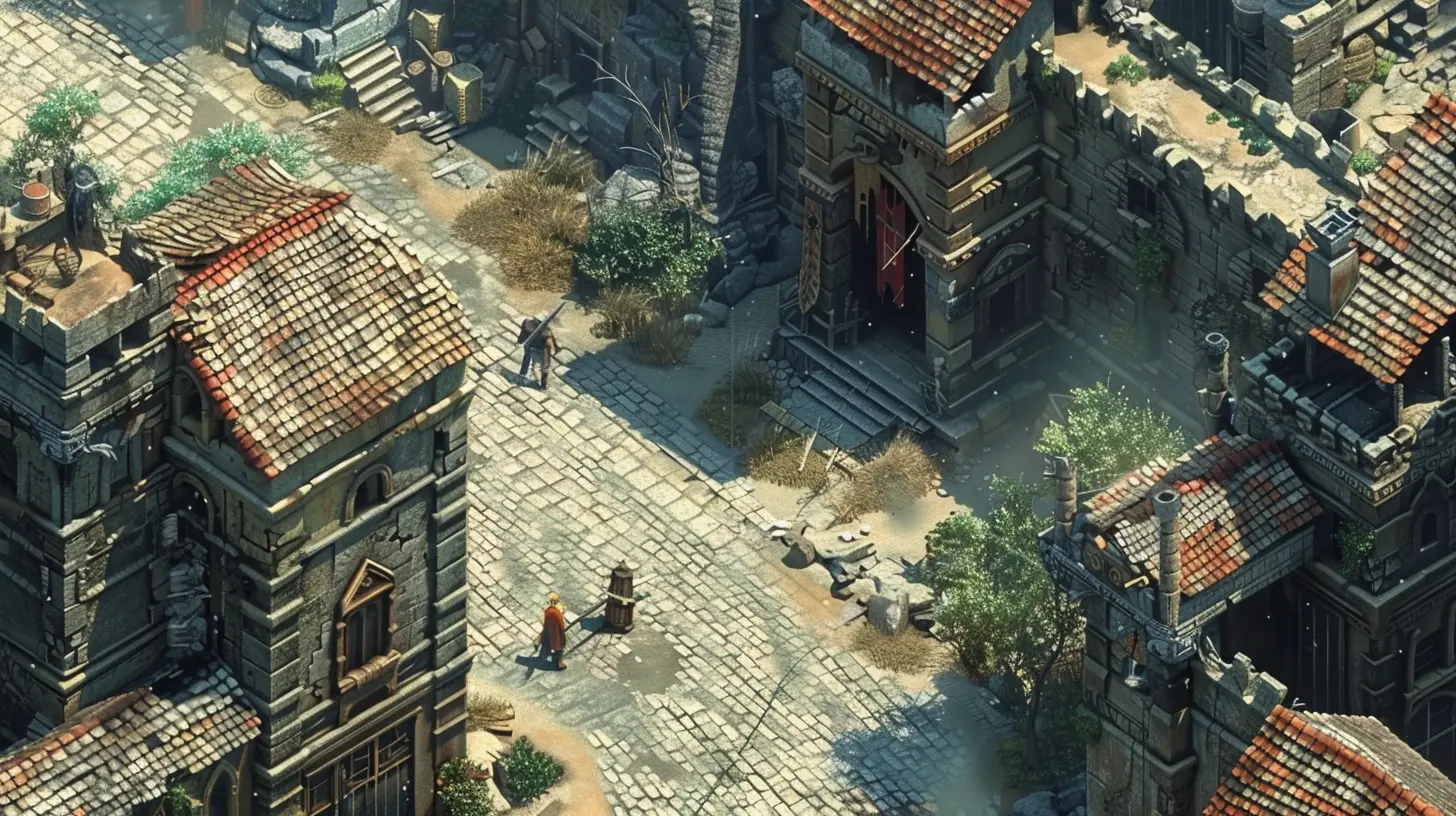
Let’s rewind to the '80s and early '90s. Back then, RPGs lived in a world ruled by limitations. Developers were working with limited memory, simple CPUs, and primitive display tech. Yet somehow, they delivered engaging worlds that sparked imaginations.Think of games like the original Final Fantasy (1987) or Dragon Quest (1986). These games used 2D sprites, tile-based environments, and basic animations. Sure, they looked simple. But the charm? Unmistakable.
Graphically, everything was symbolic. A tiny pixelated warrior stood for a brave hero. A few sprites on the screen became a sprawling dungeon in your mind. Developers leaned heavily on narrative, music, and gameplay to do the heavy lifting.
Why Did It Work?
Because your brain filled in the gaps. The graphics gave you just enough to imagine the rest. It was like reading a good book—you saw the world not on the screen, but in your head.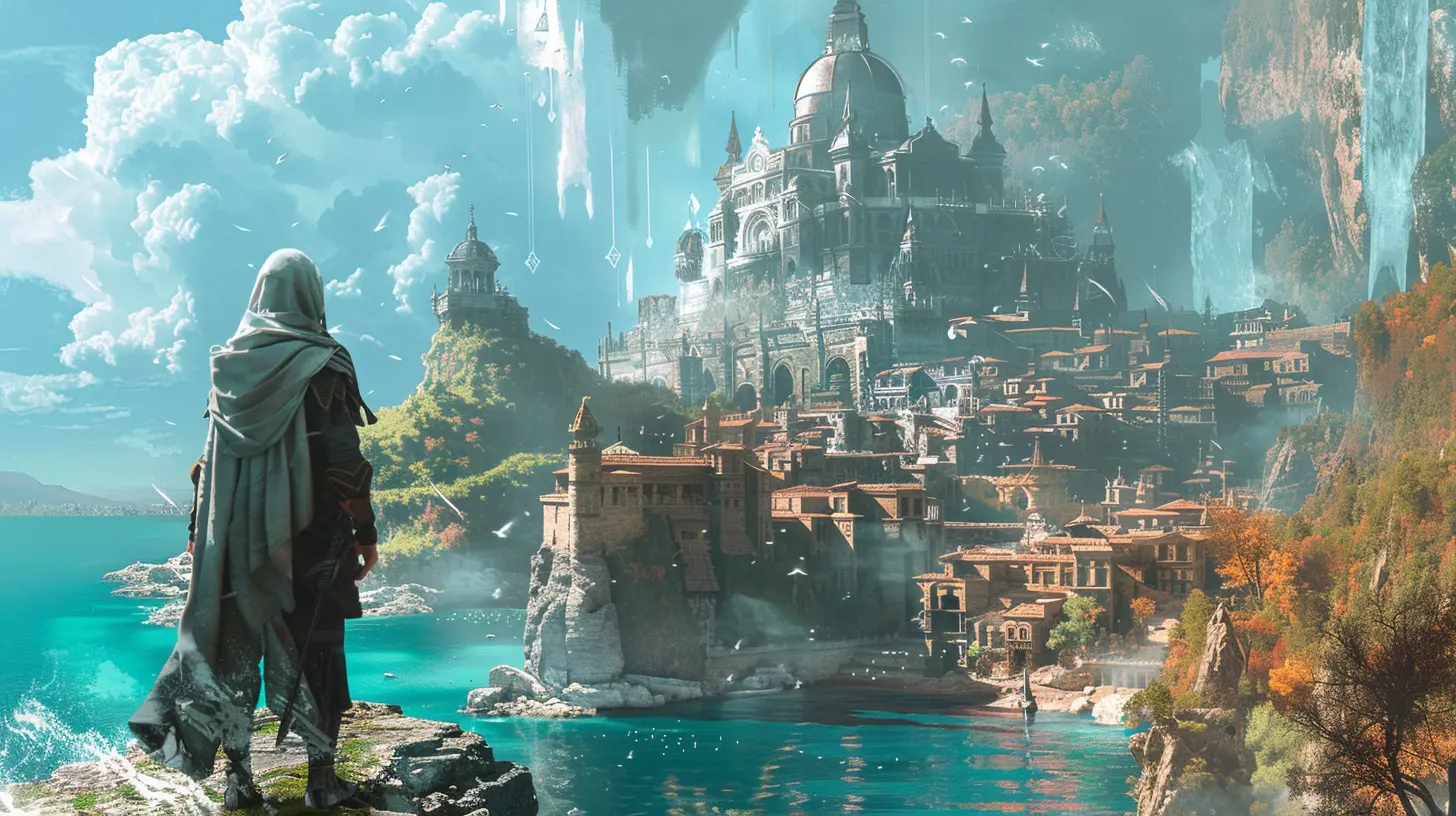
The 16-Bit Renaissance: Sprites, Detail, and Personality
Then came the SNES and Sega Genesis era—the 16-bit revolution. Suddenly, colors popped, animations became smoother, and there was flavor in every pixel.Developers could now add expressions to character sprites, design lush overworlds, and offer richer battle animations. Games like Chrono Trigger (1995) and Final Fantasy VI (1994) are often cited as legends during this time, not just for storylines, but for their incredible art direction.
More Than Just Prettier Pixels
The improved graphics gave characters more personality. You could actually tell who was angry, happy, or scared. NPCs began to feel a little more alive, and worlds started taking on a more tangible sense of place.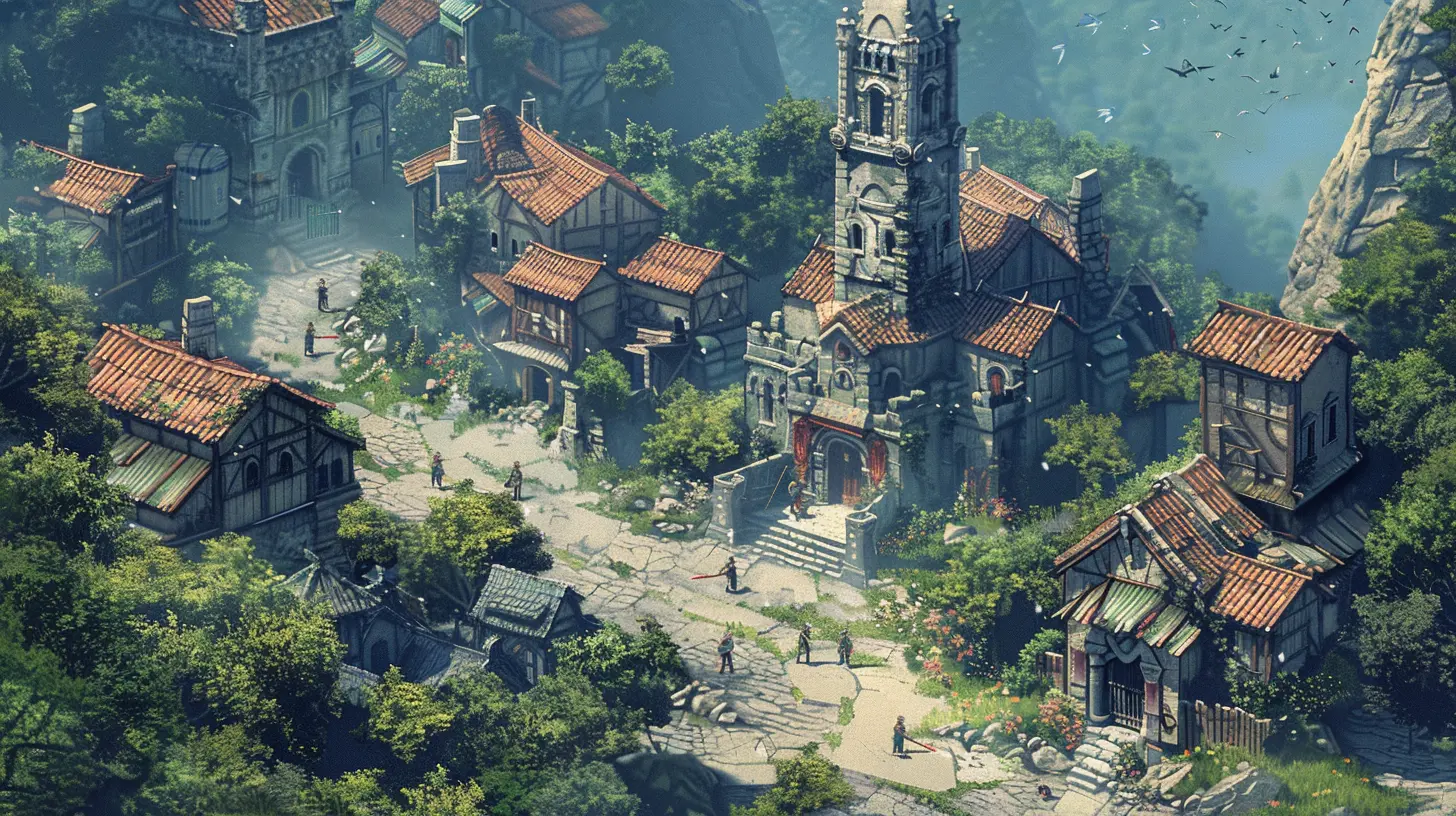
Enter 3D: The Polygon Push
The mid-'90s brought the dawn of 3D graphics, and RPGs were quick to jump on the polygon train. Remember Final Fantasy VII (1997)? It was like nothing we’d ever seen. Sure, the character models were blocky and awkward, but seeing them move in three-dimensional space was revolutionary.Suddenly, we weren’t just looking at flat towns and skyboxes—we were spinning the camera around, exploring 3D dungeons, and seeing cinematic cutscenes.
The Awkward Teen Phase
Let’s be honest, early 3D RPGs looked weird. Characters had hands shaped like mittens, faces with no expressions, and environments that were either too empty or too cluttered. But it was a necessary phase. This was the first step toward the cinematic RPGs we have now.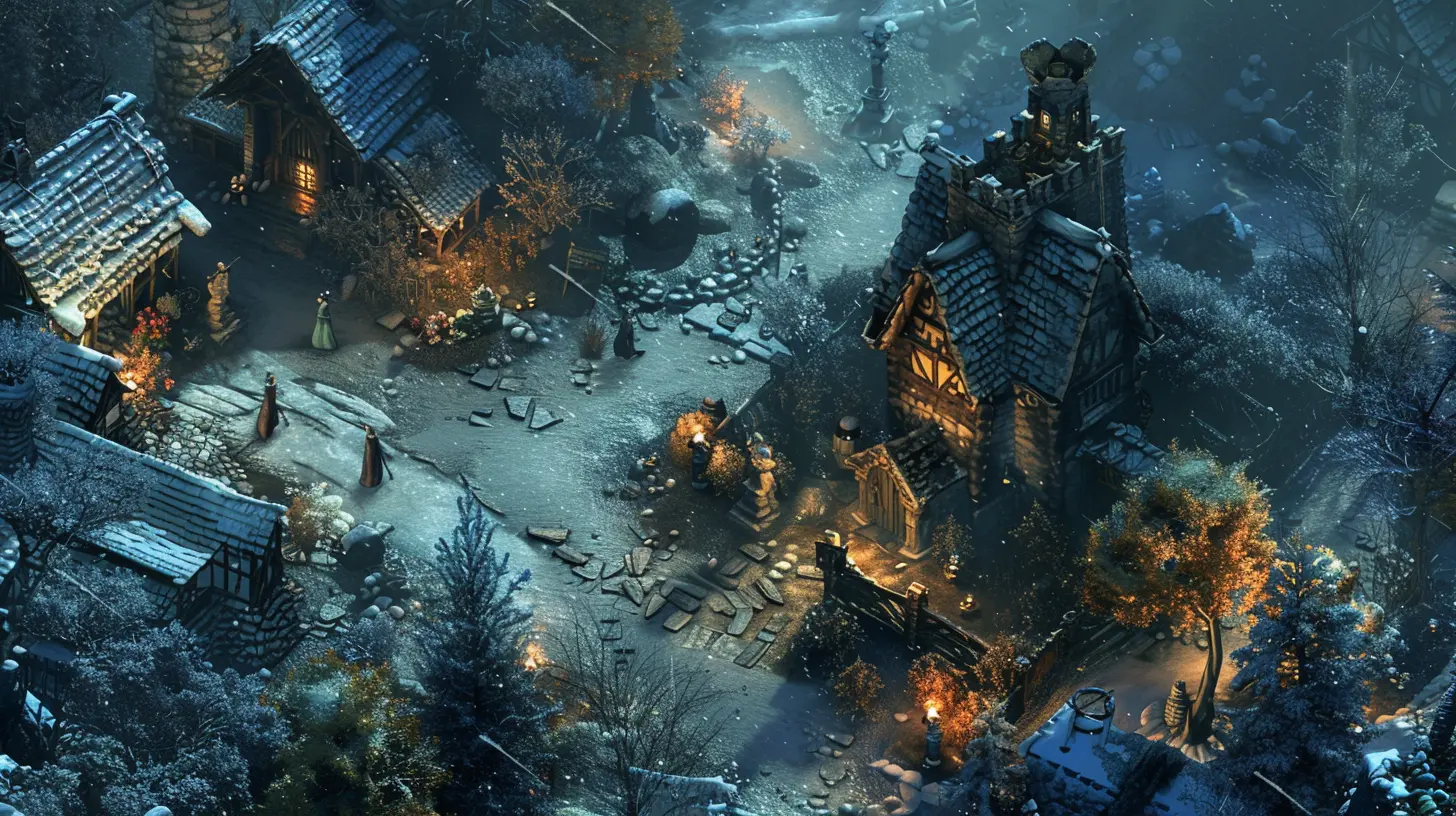
The PS2 and Beyond: Styles Start to Diverge
In the early 2000s, graphics hardware got a serious boost. Consoles like the PlayStation 2, Xbox, and GameCube allowed developers to really start flexing their creative muscles.You now had two clear paths forming in RPG visuals:
- Stylized Art: Think Kingdom Hearts or Tales of Symphonia. These games embraced anime-inspired visuals, with bright colors and exaggerated features.
- Realistic Ambitions: Games like Final Fantasy X or The Elder Scrolls III: Morrowind pushed for more grounded environments, realistic anatomy, and lifelike motion.
Why Did This Matter?
Because the graphic style began to shape the tone of the game. Stylized games felt whimsical or fantastical. Realistic games felt more serious, gritty, and immersive.High-Def Era: Realism Kicks into Gear
By the time the PS3 and Xbox 360 rolled in, RPGs were looking seriously sharp. Cinematic storytelling became a key component, and characters didn’t just talk—they acted.Games like Mass Effect, The Witcher 2, and Skyrim showed just how important quality graphics could be for immersion. Facial animations began syncing with voice acting, environments were brimming with detail, and lighting effects brought worlds alive.
Immersion, Redefined
Graphics weren’t just something to admire anymore—they were crucial to the experience. Better lighting meant scarier caves. Realistic water physics made oceans feel endless. Atmospheric effects like fog, rain, and snow actually made you feel cold or lost.
The Modern Era: Cinematics, Ray Tracing, and Artistic Fusion
Today, RPGs can be jaw-droppingly beautiful. We’re talking about games with ray tracing, ultra-realistic character models, dynamic weather, and even photogrammetry (which uses real-world photos to build in-game textures).Just take a look at Cyberpunk 2077, Elden Ring, or the Final Fantasy VII Remake. These games aren’t just good-looking—they’re immersive experiences that rival Hollywood blockbusters.
But Wait—Realistic Isn’t Always Better
Interestingly, not all RPGs are chasing photorealism. Games like Persona 5 and Octopath Traveler show that there’s still a massive appetite for stylized, art-driven visuals. Octopath even successfully marries old-school sprites with modern lighting and depth-of-field effects—a brilliant mash-up of old and new.It’s Not Just About Looks: Graphics and Storytelling
Here’s where things get deep. Graphics in RPGs don’t just set the mood—they tell the story.When a character’s eyes fill with tears and their lip quivers, you feel that. When a ruined city’s textures show cracks, decay, and rust, you understand the despair without a single word spoken. Visual storytelling has become just as important as dialogue or music.
Take The Last of Us Part II—not primarily an RPG, but it uses graphics to such emotional effect that you can’t ignore it. The line between cinematic experience and video game is now razor thin.
The Role of Tech: Engines That Power the Magic
Let’s talk engines. Behind every graphically impressive RPG is a powerful game engine. Unreal Engine, Unity, Frostbite—these names might not mean much to the average gamer, but they’re the tools that create magic.New generation consoles and high-powered PCs now allow for features like:
- Ray tracing (realistic lighting and reflections)
- Motion capture (real human movements and expressions)
- AI-driven animation (NPCs that act and react naturally)
- Massive open worlds with no loading screens
These tech advancements mean RPGs no longer feel like static worlds with strict boundaries. They feel living, breathing, and unpredictable.
What’s Next? The Future of RPG Graphics
Where do we go from here?Here are a few trends likely to shape the future:
- Photorealism as Standard: What’s groundbreaking today becomes baseline tomorrow.
- VR Integration: First-person VR RPGs will make you step into the boots of your character like never before.
- Biometric Feedback: Games that change based on your heartbeat or expressions are more science fact than fiction now.
- AI-Generated Graphics: Don’t be surprised if future RPGs generate entire quests, characters, and cities on the fly using AI.
Final Thoughts: It's About the Feel, Not Just the Frame Rate
Graphics in RPGs have gone from basic blocks to breathtaking realism. But the real magic lies in how visuals serve the story, the characters, and your connection to the world. Whether it's through 16-bit nostalgia or 4K cinematic sequences, the goal has always been the same: pull you in and make you believe, even if just for a while, that you're living an epic tale.So next time you boot up an RPG and take a moment to admire the flickering torchlight on a dungeon wall or the wind moving through the trees—know that you’re experiencing the culmination of decades of graphic evolution, all designed to make your adventure feel real.
all images in this post were generated using AI tools
Category:
Rpg GamesAuthor:

Leif Coleman
Discussion
rate this article
1 comments
Ulysses Robinson
Great read! It's fascinating to see how RPG graphics have transformed over the years. The balance between artistic style and realism really adds depth to the gaming experience. Keep it coming!
September 12, 2026 at 3:30 PM
Leif Coleman
Thanks for the kind words! I'm glad you enjoyed the journey through RPG graphics. There's so much more to explore in this evolution. Stay tuned for more!