Getting Your Games Graded and When It’s Worth It
15 June 2026
So, you’ve just stumbled upon your childhood stash of retro video games. You open a dusty box and there it is: your mint-condition copy of Super Mario 64. You can hear the angels sing (or maybe that’s just your neighbor’s ringtone). Suddenly, you think, “Hey, I wonder how much this baby is worth?” And just like that, the rabbit hole of video game grading opens up beneath your feet.
Welcome to the wild, sometimes absurd, and always dramatic world of grading video games. Buckle up, because we’re about to look at whether getting your games graded is a brilliant collector move—or just glorified plastic-wrapping for nerds with too much money.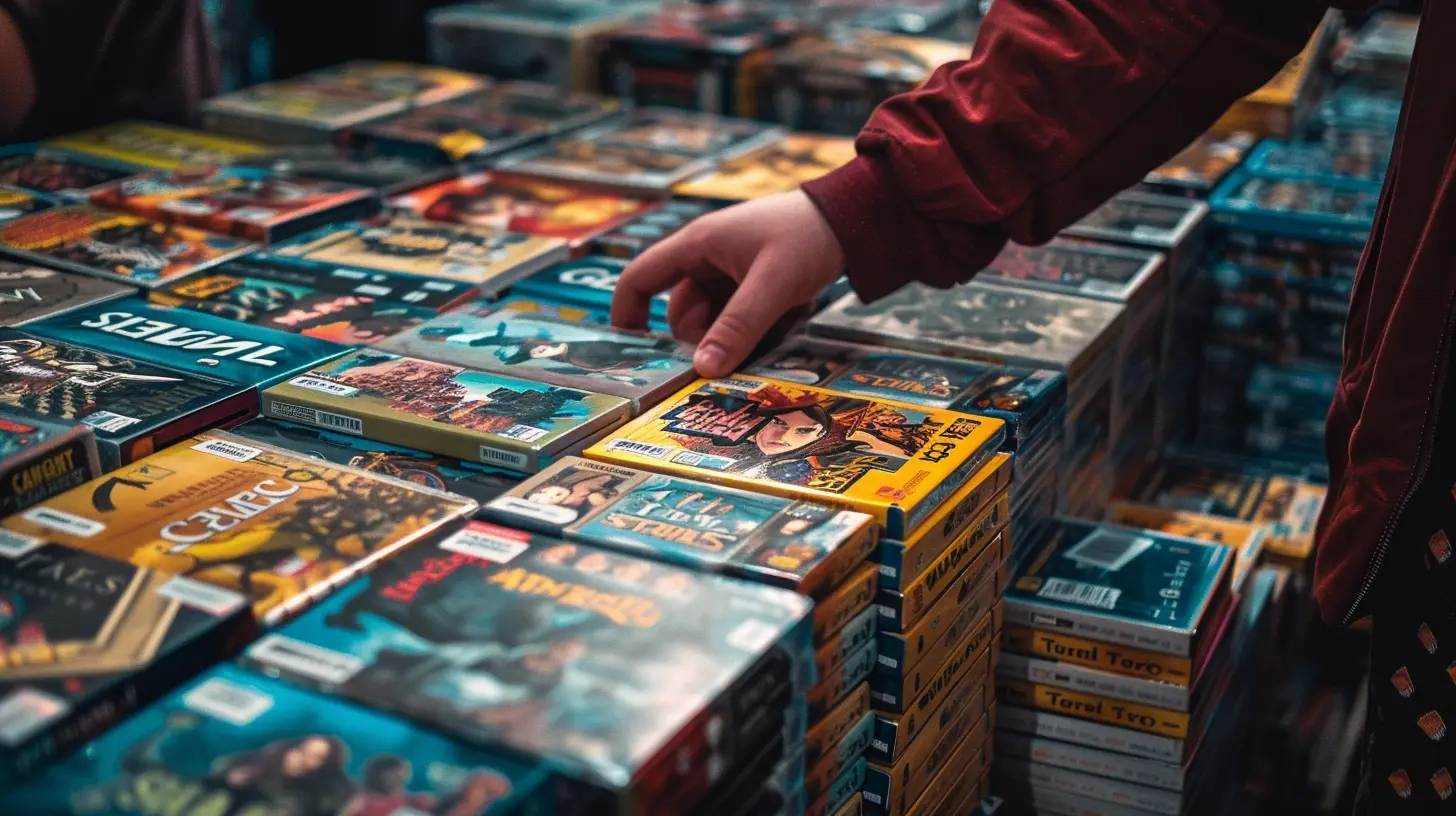
? What Even Is Game Grading?
Let’s start with the basics. Game grading is the process of sending your video game off to a professional company (like WATA or VGA), where it’s evaluated, assigned a condition score, and entombed in a clear slab of plastic like it’s a museum artifact.So basically, you're turning your game into a collectible that screams, “Don’t touch me, I’m expensive!”
The grading scale usually goes from 1 to 10 (with decimals, because we like to pretend it’s science), and higher numbers mean better condition. Bonus points if it's factory-sealed and still smells like 1998 nostalgia.
Sounds fancy, right? Well, yeah—but also, maybe not as necessary as you think.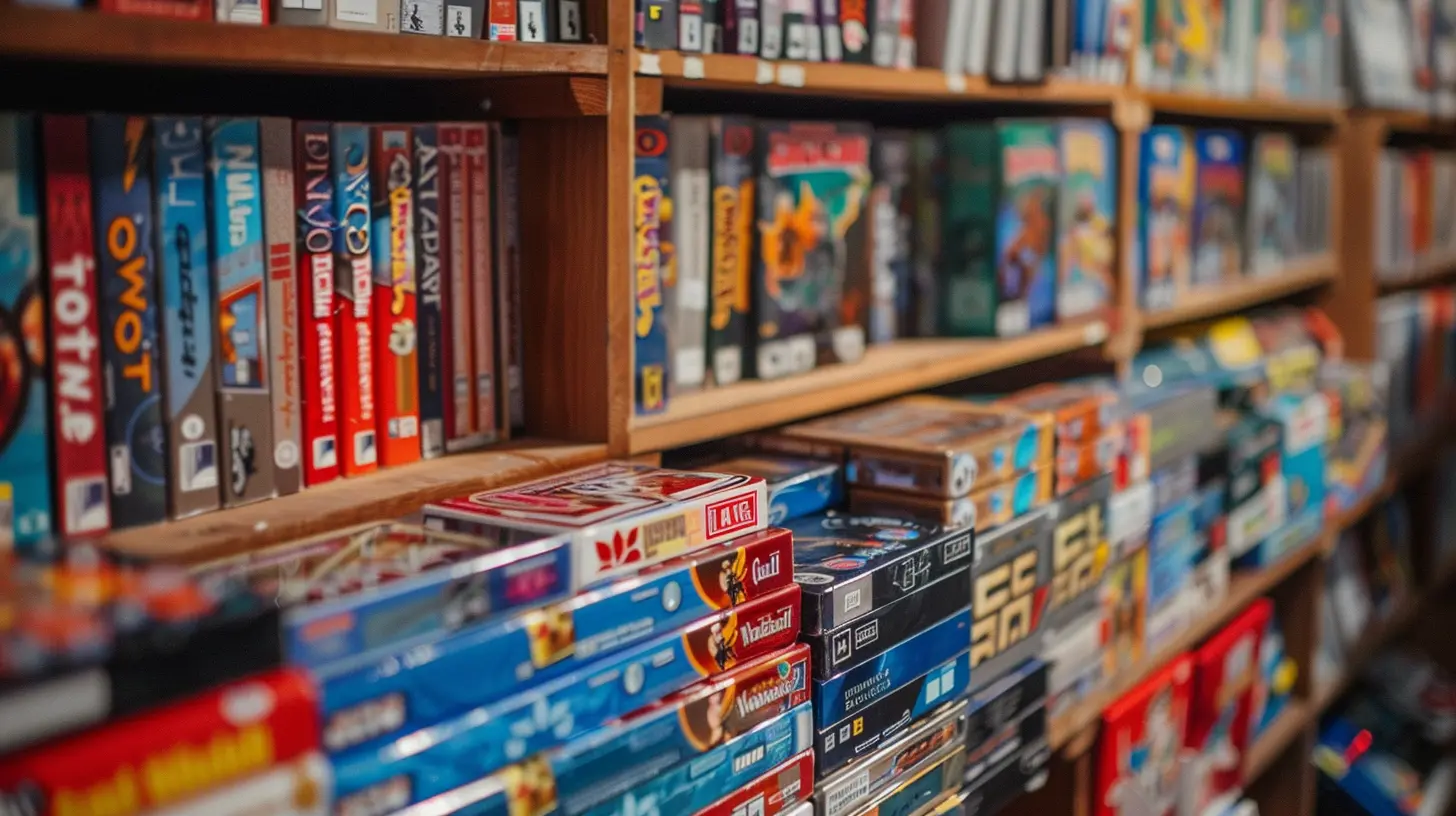
? Cha-Ching or Chump Move? The Cost of Grading
Before we go slapping plastic on everything you own, let’s talk dollar signs.Grading isn’t cheap. Some services charge from $30 to $200 or more per game. Oh, and that doesn’t include shipping, insurance, or the emotional toll of waiting 3-6 months for your precious cartridge to return like a prodigal son.
Here’s a breakdown of what might hit your wallet:
| Service | Cost Range | Turnaround Time |
|--------|------------|-----------------|
| WATA | $30 – $300+ | 2 – 6 months |
| VGA | $25 – $200+ | 30 – 90 days |
Prices climb based on game value, speed of grading, and how rare the game is. So if you're grading Barbie Horse Adventures just because it’s got some childhood memories attached... well, maybe just frame it instead.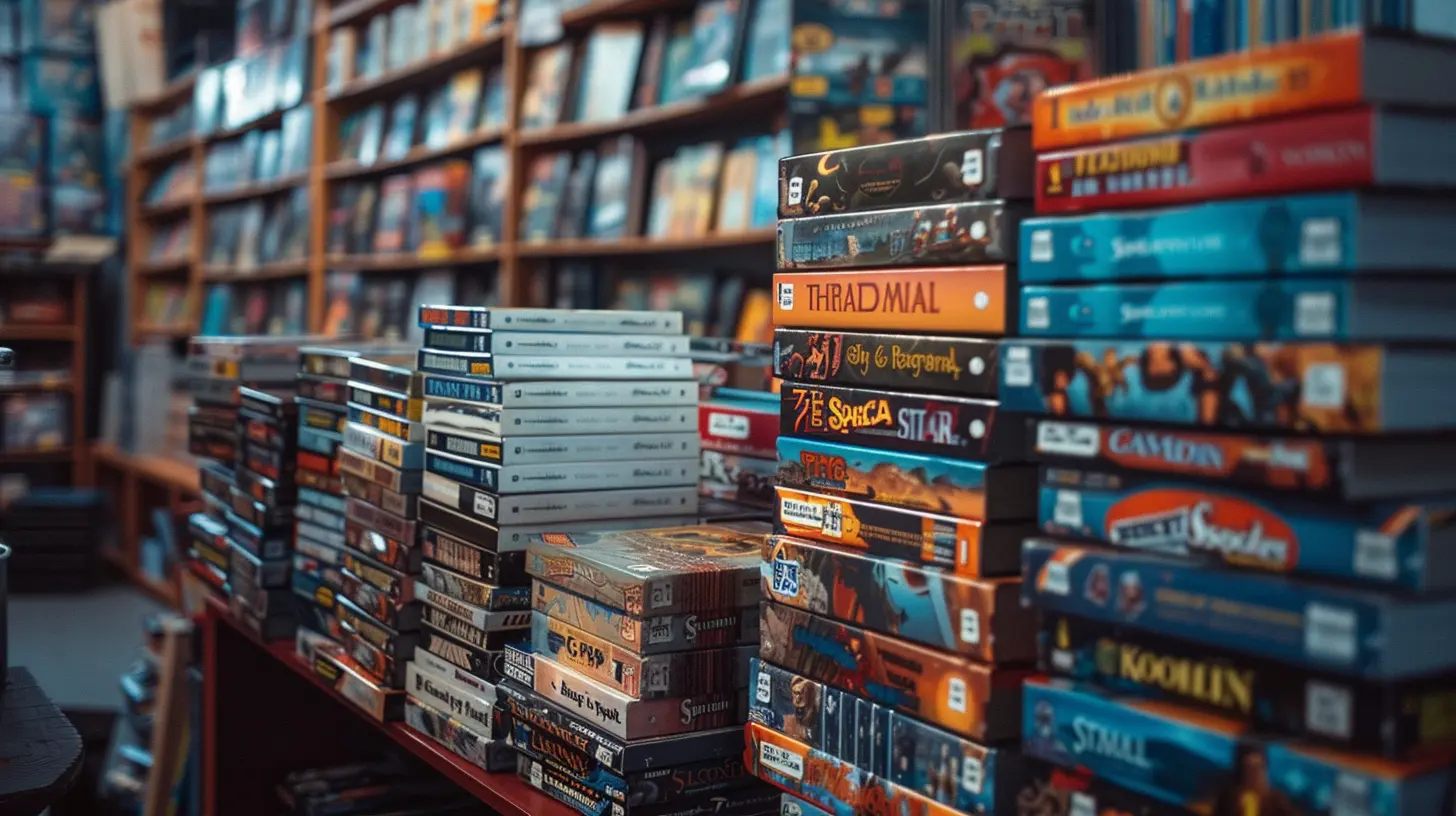
? When It Actually Makes Sense to Grade a Game
Okay, now that we’ve dunked a bit on the idea, let's be real—there are times when grading your game totally makes sense. Here’s when you might want to hop on the grading train:1. You Own a Sealed Copy of a Rare Game
Did you keep that OG Legend of Zelda factory-sealed because your grandma bought you two by mistake and you forgot to return it? First off, bless grandma. Second, GET THAT BABY GRADED.Sealed copies of rare titles can reach sky-high prices at auctions. We’re talking tens of thousands of dollars. Suddenly, that $100 grading fee doesn’t look so bad, huh?
2. You're Planning to Sell
If flipping games is your side hustle (or what you're pretending is a retirement plan), grading can boost your game’s value and make it easier to sell. Collectors love the transparency (and the bragging rights) that come with a nice shiny "9.8 A++" rating.3. You're a Completionist Collector
Some folks don’t want their games just to work—they want them to look like they were kissed by the gaming gods. If you’re building a museum-worthy collection, grading adds legitimacy. Plus, plastic slabs look pretty darn impressive on a shelf and make it easy to show off when your friends roll their eyes.4. You Want to Preserve the Game
Grading seals your game in a plastic shell tighter than your jeans after Thanksgiving dinner. If protection is your goal, this is your move. It shields the game from dust, sunlight, and sticky-fingered guests who think “mint-condition” means “please play me.”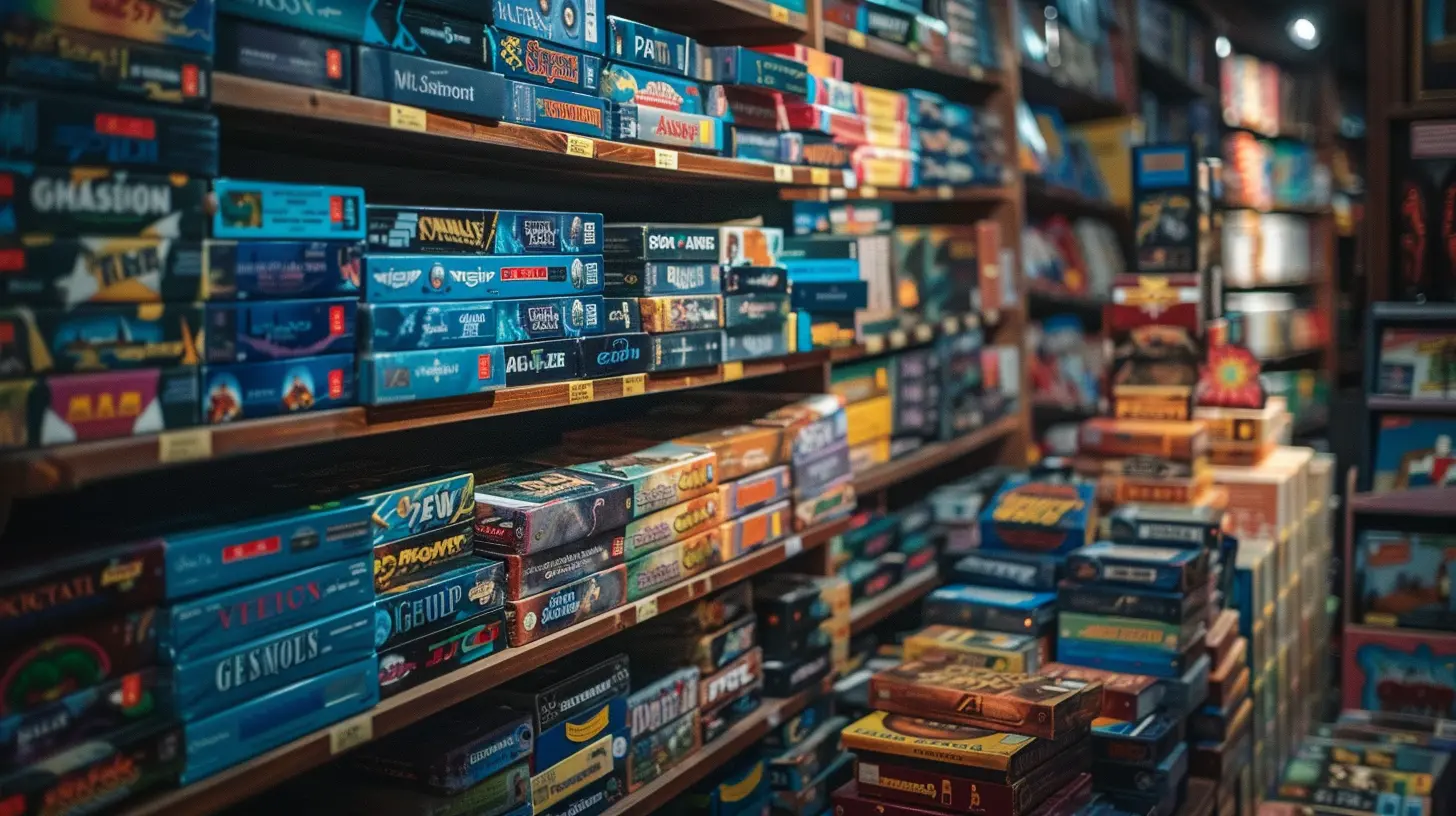
? When It’s Just… Not Worth It
Now let’s flip the cartridge.Before you wrap every cartridge from your attic in a hundred-dollar cocoon, consider these moments where grading might just be a waste of your time (and money).
1. The Game Isn’t Valuable
If you’re grading a copy of Madden 2007 or Nintendogs, slow down, cowboy. Just because YOU loved the game doesn’t mean collectors will. Grading junk won’t magically turn it into treasure. It's like wrapping a peanut butter sandwich in gold foil—it's still lunch from 2005.2. It's Already Opened and Played
Collectors want pristine goods. Opened, used, and thumb-printed cases don’t usually hold much value. If your game’s been through a few Super Smash tournaments and has more scratches than your cousin’s mixtape, grading it won’t help.3. You’re Not Planning to Sell (Ever)
Let’s say you’re ride-or-die for your Final Fantasy VII copy and plan to pass it down like a family heirloom. Why grade it? Unless the aesthetic of plastic slabs gets your heart racing, save your cash for more games.? The Grading Process (i.e., Sending Your Game to Nerd School)
So you’ve decided, "Yep, grading is the path for me." What now? Here's what the whole sparkly process looks like:Step 1: Choose a Grading Company
WATA and VGA are the big dogs. WATA leans toward modern and retro console games; VGA covers more gaming categories, including handhelds and rare editions.Do your research. One guy's “reputable service” is another guy’s “slow as molasses in January.”
Step 2: Submit Your Game
You’ll fill out an online form, choose your service level (speed = cash), and ship your game with great ceremony and way too much bubble wrap.Pro tip: Insure it. If the mail carrier decides your package looks frisbee-able, that extra couple bucks could save your soul.
Step 3: Wait. A Lot.
Now you wait. Grading services can be slower than a loading screen on dial-up internet. While you wait, maybe read some more blogs (wink wink), or obsessively check your inbox for updates.Step 4: Get Your Grade and Celebrate (or Cry)
They’ll send your game back encapsulated in a slab, complete with grade and authentication. It’s now ready to go on display or hit the auction block.? Does Grading Increase a Game’s Value?
Short answer? Yes… sometimes.Long answer: It depends on the game, the grade, and whether collectors are having a buying frenzy or a nap that month.
A sealed game graded 9.8 can go from being a $500 title to suddenly selling for over $5,000. But an opened, mediocre title scoring a 7.5? It’s probably not going to pay the bills—or even the grading fee back.
Also, value fluctuates. You might strike gold during a collector boom or be stuck holding a glorified trinket during a slump. Welcome to capitalism, kids!
?️ Raw vs. Graded: The Eternal Debate
Here’s the million-dollar (or maybe just hundred-dollar) question: Do you lose something when you grade a game?Some gamers say yes—mainly, the ability to actually play it.
Graded games are sealed tighter than Fort Knox. Removing them ruins the grade—so if gameplay is your goal, grading is like putting your favorite hoodie in a glass case. Sure, it looks cool, but it’s not keeping anyone warm.
For many, game collecting is about more than price tags. It’s about nostalgia, memories, and the click of inserting a cartridge.
So ask yourself—do you want to collect games… or investments?
? Final Thoughts: Should You Grade Your Game, or Nah?
To grade or not to grade—that is the geeky question.If you’ve got sealed classics, rare finds, or dreams of one day making enough off a Pokemon Blue to buy a Tesla, grading might be for you. If your collection is more about memories than market value, maybe skip the plastic prison.
Remember, you don’t HAVE to grade your games to love them. Just like you don’t have to gold-plate your sneakers to enjoy a walk in the park.
In the end, whether your games are graded or free, the real treasure is the pixelated joy they bring.
And possibly the ridiculous flex of owning a $30,000 slab of Duck Hunt.
Frequently Asked Questions
Q: Does grading always make a game more valuable?
A: Not always. It only significantly increases value if the game is rare, in top condition, and/or sealed. Otherwise, it might just make a $20 game a $20 game in plastic.Q: Can I unseal or open a graded game?
A: You can, technically. But doing so destroys the grade certification, the tamper-proof seal, and possibly your soul as a collector.Q: Is it risky to mail my games for grading?
A: There's always some risk with shipping, which is why insurance and tracking are your BFFs. Pack it like it’s a Fabergé egg.Q: Which is better, WATA or VGA?
A: Depends on your needs. WATA tends to be more popular for modern collectors, VGA is often preferred for broader genres. Both have their lovers and haters—kinda like pineapple on pizza.all images in this post were generated using AI tools
Category:
Game CollectingAuthor:

Leif Coleman
Discussion
rate this article
2 comments
Emory McPhail
Great insights on game grading! Thanks for sharing!
August 26, 2026 at 3:42 AM
Vera Ward
The article highlights the nuances of game grading well but could delve deeper into what factors truly affect value. Understanding the market's trends is just as crucial as the grading process.
June 21, 2026 at 3:15 PM
Leif Coleman
Thanks for the feedback! I appreciate your point about market trends and will consider it for future pieces.