How Character Customization Changed the RPG Genre
13 July 2026
Let’s be honest — role-playing games (RPGs) have come a long way from the pixelated swords and stiff dialogue boxes of yesteryear. Back in the day, you were given a character, a name (maybe), and a linear path to follow. But fast forward to today, and it's a whole different world. You get to choose your hair color, your backstory, your combat style, heck — even whether your hero sports cat ears. That’s the magic of character customization.
And guess what? It didn’t just tweak a few character portraits; character customization fundamentally changed the RPG genre from the ground up.
In this article, we’re jumping deep into why this evolution matters — and how it's practically reshaped the way we play, connect, and even define RPGs in modern gaming.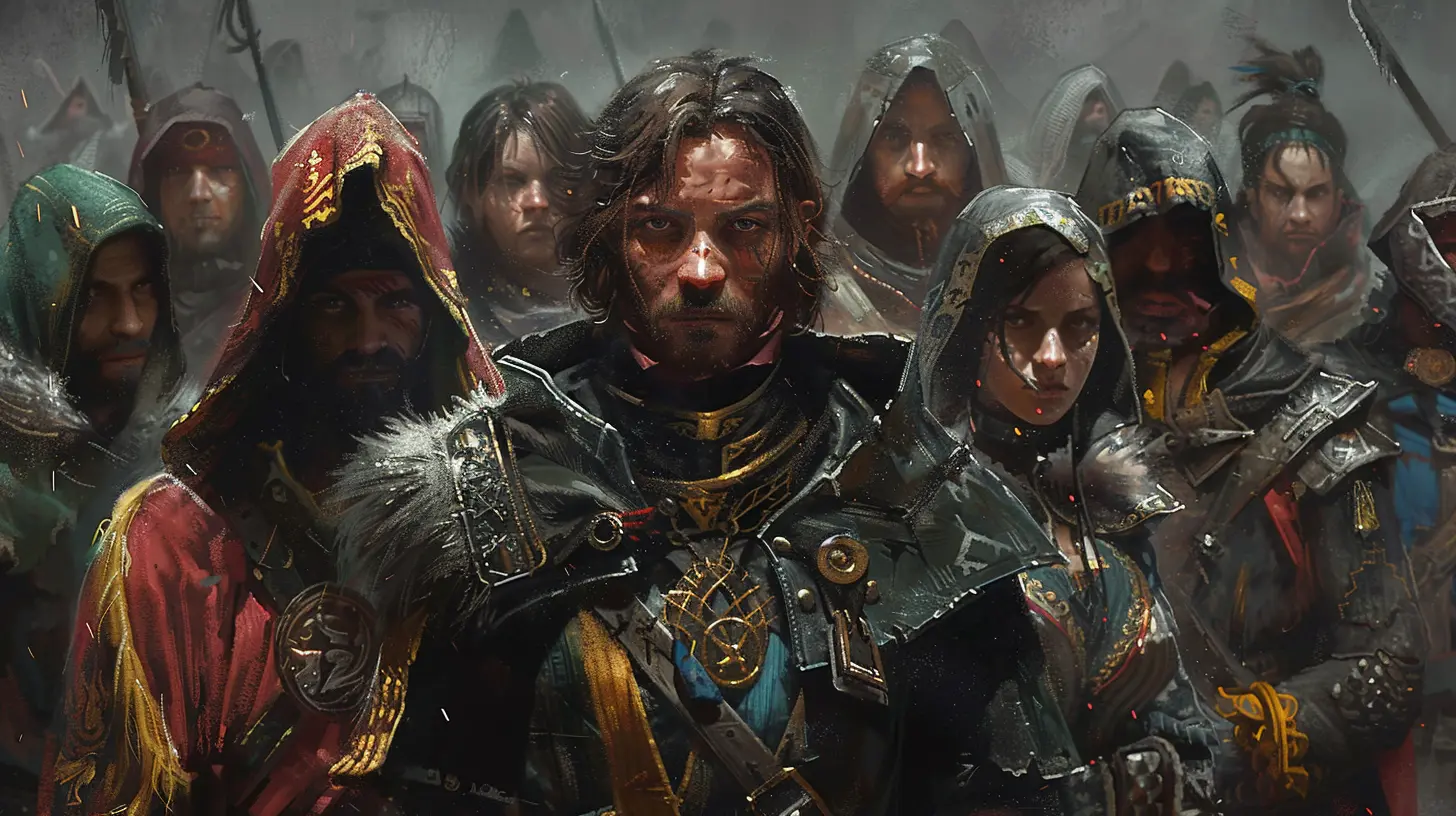
What Is Character Customization, Really?
Before we get too far into the weeds, let’s clear up what we mean.Character customization is the ability to tweak, mold, and personalize your in-game avatar. This can be cosmetic — like hairstyles, tattoos, and armor — or functional, like skill trees, personality traits, or moral alignment. In many RPGs, it’s both.
Think of it like playing with digital clay. You’re not just stepping into someone else’s story — you’re crafting your own from scratch.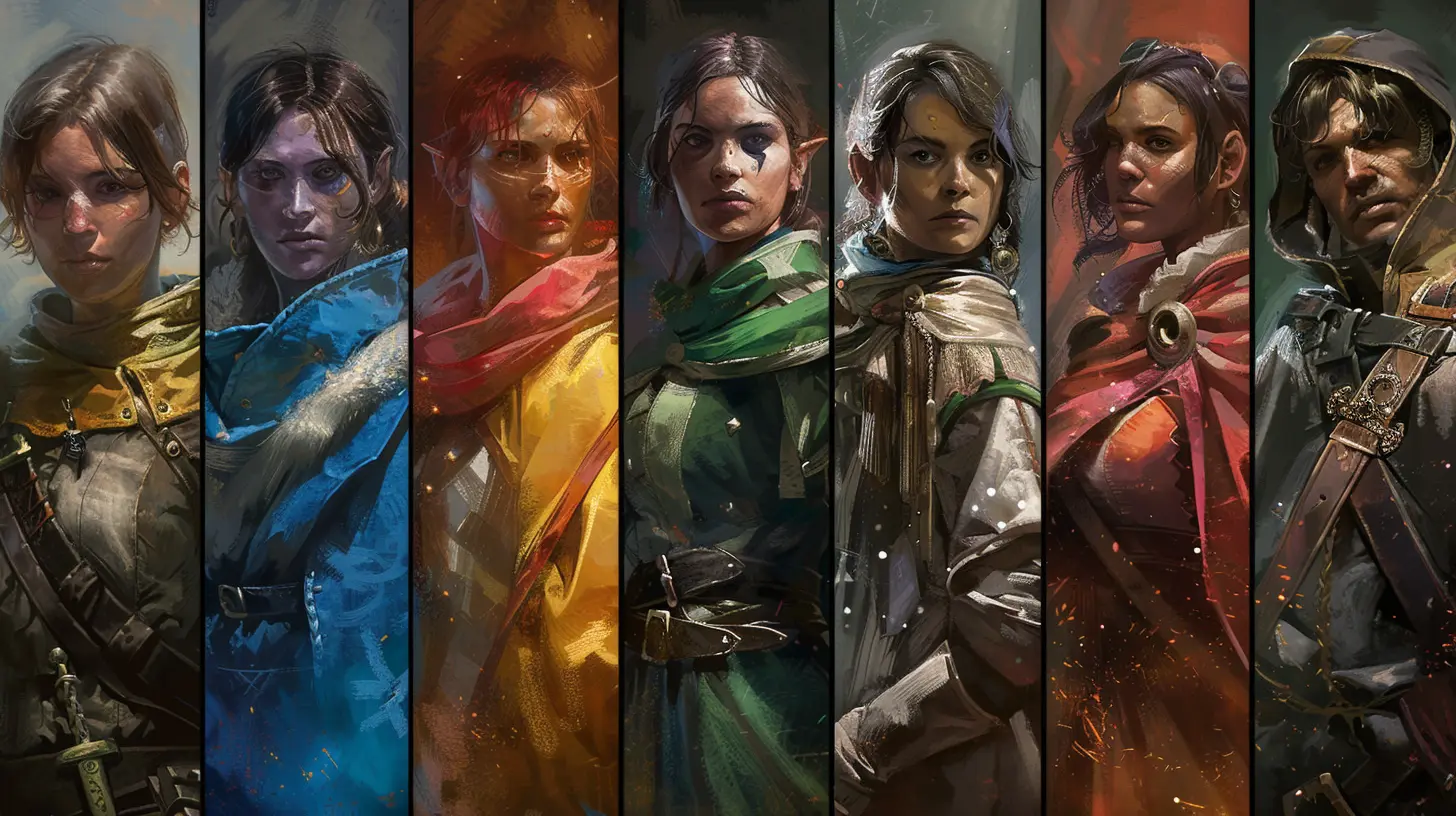
The Origins: When Customization Was Just a Bonus
Go back to the early days of RPGs like the original Final Fantasy or Dragon Quest, and you’ll notice something — you were pretty much told who you were. You couldn’t change your look, your class, or your choices. You were assigned a character and shoved into a world.Sure, games like Dungeons & Dragons inspired tabletop-level customization, but video game RPGs were slow to follow suit. Early customization was minimal — maybe choosing a class or a name — but players wanted more. And developers started to listen.
By the time Baldur’s Gate and The Elder Scrolls came around, things started to shift. You could now shape your character’s stats, race, class, and even moral compass. Suddenly, your choices mattered. You weren’t just playing a game; you were role-playing — for real.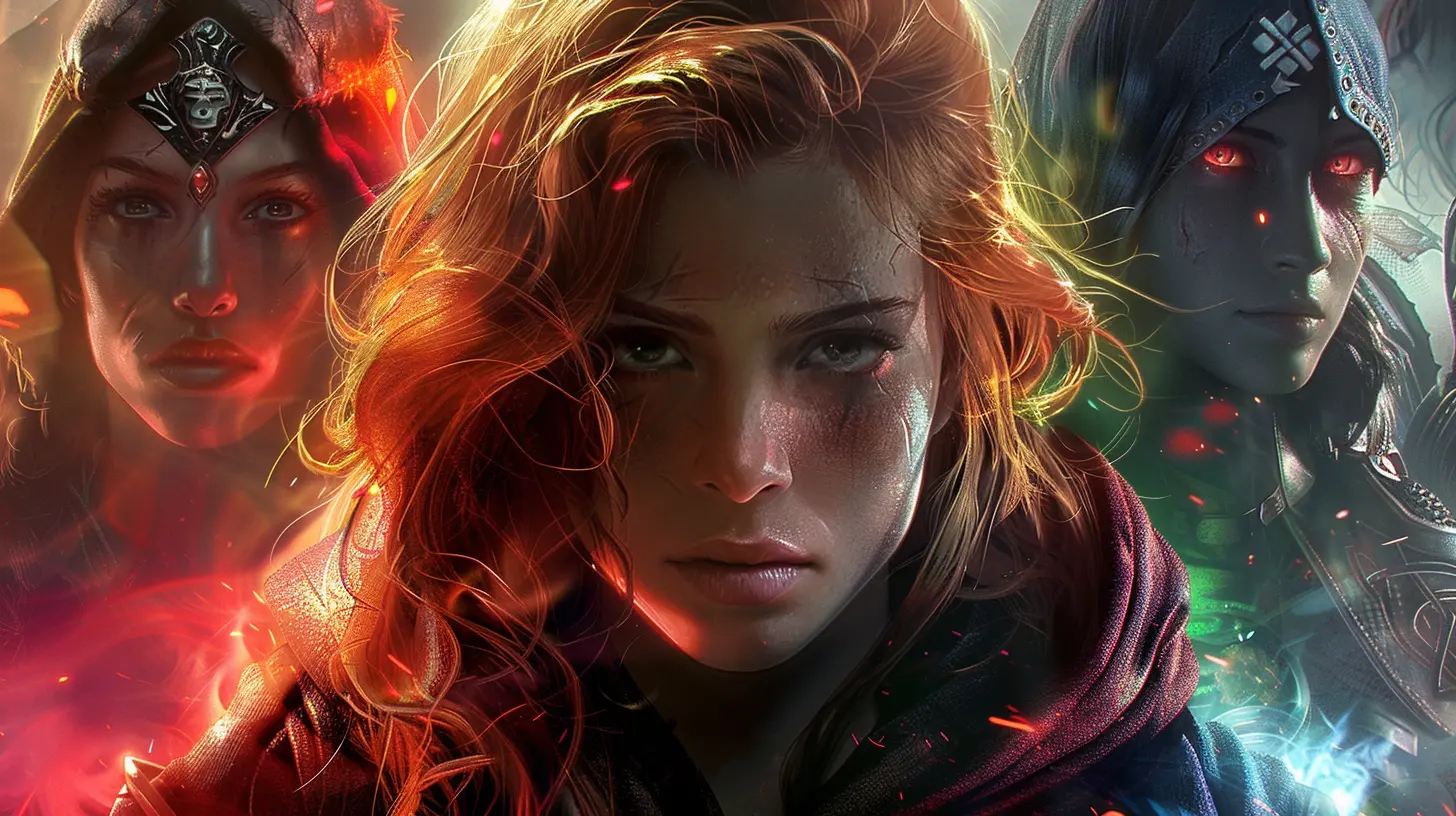
From Blank Slates to Fully Fleshed Stories
Modern RPGs took it to a whole new level. Games like Mass Effect, Cyberpunk 2077, and Dragon Age allow you to define not just what your character looks like, but who they are.You’re making decisions on their backstories, their romantic preferences, their friendships, and their future. It’s like writing a collaborative novel between you and the game.
This kind of depth creates a powerfully immersive experience. Why? Because when you customize your character, you’re investing a part of yourself in the journey. You’re not just clicking buttons — you care about what happens next.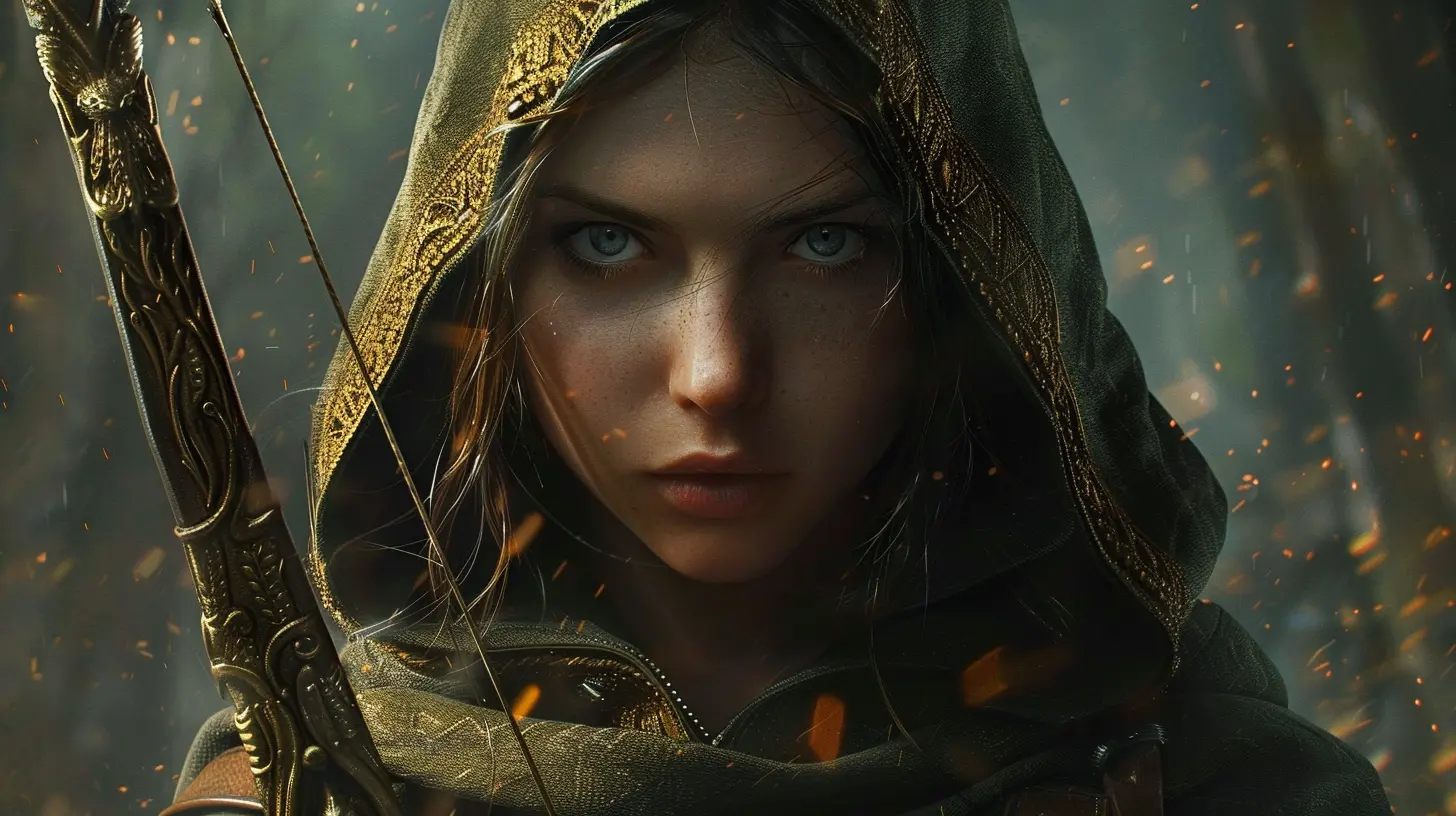
Why Character Customization Matters So Much
So why is this such a game-changer? Literally?1. It Makes the Game Personal
Remember the first time you spent over an hour just designing your character’s face? (We’ve all been there.) That’s not wasted time — that’s emotional investment.When a character looks like you (or how you wish you looked), the connection is instant. You’re more likely to care about their story, their choices, and their consequences. And that makes for more powerful storytelling.
2. It Amplifies Replayability
Customization means no two playthroughs need to be the same. You can play a ruthless bounty hunter one game, and a noble healer the next. That’s more than just variety — it keeps people coming back.Games like Skyrim and Divinity: Original Sin 2 thrive on this. One world, infinite ways to approach it. That’s the magic of RPGs today.
3. It Encourages Player Expression
Whether you want to create a character that looks like you, your favorite superhero, or your own original fantasy creation, customization empowers players to be themselves.Games like The Sims and Black Desert Online are practically customization sandboxes. But even in narrative-rich RPGs, the ability to present yourself the way you want turns games into stages for self-expression.
4. It Enhances Inclusivity
Representation matters, and character customization has helped RPGs make huge strides here.More gender options, body types, skin tones, hairstyles, and pronouns let more players see themselves in the game. That’s not just a trend — it’s a shift toward more inclusive, welcoming games.
And when players feel seen and included, they invest more emotionally in the experience.
How Mechanics Have Evolved Around Customization
It’s not just the visual stuff. Character customization has also driven major changes in game mechanics.Skill Trees and Builds
The idea that you can “build” your own character has exploded in popularity. Games like Path of Exile and Outriders offer sprawling skill trees that give you complete control over your powers and playstyle.Want to be a stealthy archer with teleportation? Cool. How about a fire-wielding bard with healing powers? Go for it.
This mechanical depth ties directly into customization — it gives players freedom, flexibility, and an ownership of how they fight and progress.
Morality and Consequences
In many RPGs, character personality is customizable too. Are you a hero? A villain? Something in between?Games like The Witcher 3 and Fable introduced morality systems where your choices actually shift the world around you. It’s not black and white — it’s all shades of gray. And it makes every decision feel heavy, because your character becomes the sum of those choices.
The Social Side of Customization
Here’s a neat twist — character customization has also changed how players interact with each other.Multiplayer and Social Hubs
MMORPGs like Final Fantasy XIV or World of Warcraft thrive on identity and individuality. Your look becomes your brand. Your badass armor set can spark envy. Your stylish mounts or themed costumes can make you a legend among your guild mates.Customization helps build that social connection. It's the digital version of personal style — and it matters.
Streaming and Content Creation
Let’s be honest — content creators love character customization. Watching someone sculpt a ridiculous avatar or role-play as a chaotic clown wizard is just plain entertaining.Customization adds flavor and personality to streams, YouTube series, and cosplay communities. It’s not just about playing — it’s about performing. Your character becomes your stage name, your persona, your story.
Where RPGs Are Headed Next with Customization
We’ve come a long way — but where do we go from here?Deeper Narratives
Expect to see RPG stories get even more responsive to your character's appearance, backstory, and identity. Developers are getting smarter about tying your choices into the storyline in meaningful ways.Imagine a game where your race or background actually affects how NPCs treat you — not in a token way, but as part of a living, breathing world. That’s the kind of stuff that makes customization feel real.
AI-Powered Personalization
With AI pushing boundaries in NPC interaction and procedural storytelling, we might start seeing characters respond to us in ways that feel uncannily human. Your character’s personality could directly influence dialogue, quest lines, or relationships.That’s next-level immersion.
Cross-Game Continuity
Some developers are even exploring the idea of bringing your custom character across different games or sequels — kind of like building your own MCU but in RPG form. Your unique character could become a legend that spans multiple game worlds.Now that is epic.
Final Thoughts: RPGs Will Never Be the Same
Character customization isn’t just a fun feature — it’s a revolution in how we experience games. It’s given power back to the player. You’re not just stepping into a fantasy world; you’re leaving your fingerprint on it.As RPGs continue to evolve, one thing’s for sure — customization isn’t going anywhere. If anything, it’s only getting deeper, more personal, and more powerful.
So whether you're crafting a grizzled space mercenary or a flamboyant elf bard with a love for jazz hands, know this: you’re not just playing a role — you’re creating it.
And that, my friend, is what makes RPGs truly legendary.
all images in this post were generated using AI tools
Category:
Rpg GamesAuthor:

Leif Coleman
Discussion
rate this article
2 comments
Nicole Johnson
Character customization has significantly shaped RPGs, allowing players to express individuality and enhance immersion. While it adds depth and personal connection, some argue it can detract from storytelling. this feature has transformed player experiences and expectations in the genre.
September 28, 2026 at 12:41 AM
Leif Coleman
I agree, character customization has definitely transformed RPGs. It allows for unique player expression, but balancing it with storytelling is key to maintaining depth.
Zarev Newton
Character customization truly enhances personal connection; it's inspiring to see players express themselves.
July 26, 2026 at 4:40 PM
Leif Coleman
I agree completely. Personal expression through customization really deepens the player's immersion and connection to the story. It's a game changer.