How Developers Create the Perfect Puzzle for Players
13 December 2025
Ever found yourself staring at a puzzle in a game for way longer than you expected… and loving every second of it? Yeah, me too. There’s something magical about getting stuck, thinking, trying weird ideas, and then—finally—clicking that solution into place. But have you ever stopped to wonder how game developers actually create those “aha!” moments? How do they design puzzles that mess with our heads in just the right way?
Well, grab your virtual notebook, because we’re diving headfirst into the fascinating process behind crafting perfect video game puzzles. It’s a mix of psychology, creativity, and straight-up wizardry. Let’s break it down.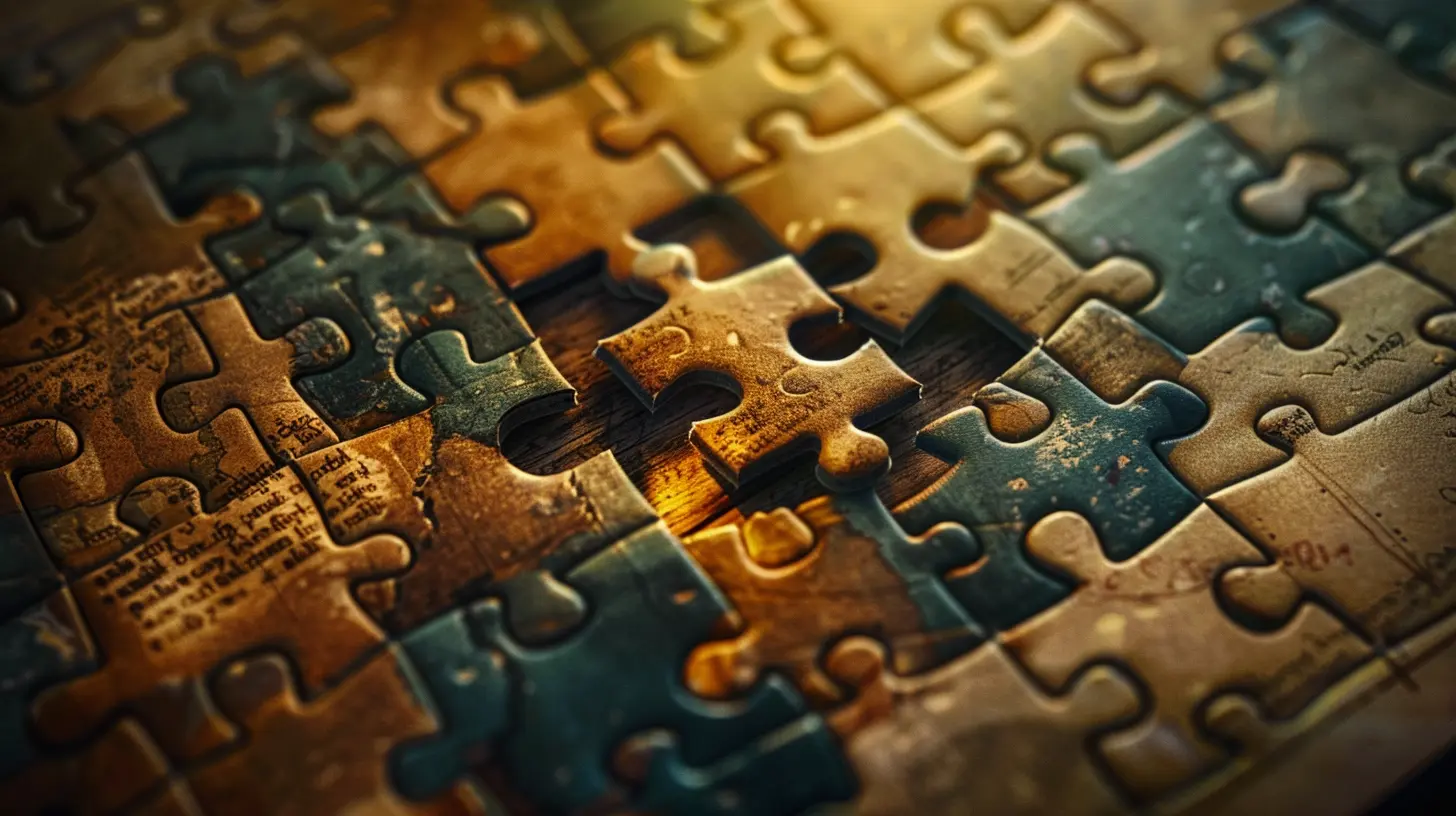
🎮 What Makes a Puzzle “Perfect,” Anyway?
First things first: what does “perfect” even mean in the world of puzzle games?A perfect puzzle isn’t necessarily the hardest one. It doesn’t require a PhD in rocket science or a 500-page walkthrough. Instead, it walks a fine line between challenging and fair. The best puzzles feel intuitive—like you had the answer all along, it just took a little digging to uncover it.
Great puzzles have a few things in common:
- They’re challenging but not frustrating
- They reward experimentation
- They follow a consistent internal logic
- They give that sweet dopamine hit when solved
Game devs know that puzzles are about more than just putting obstacles in your way. It’s about telling a silent story that you, the player, get to unravel.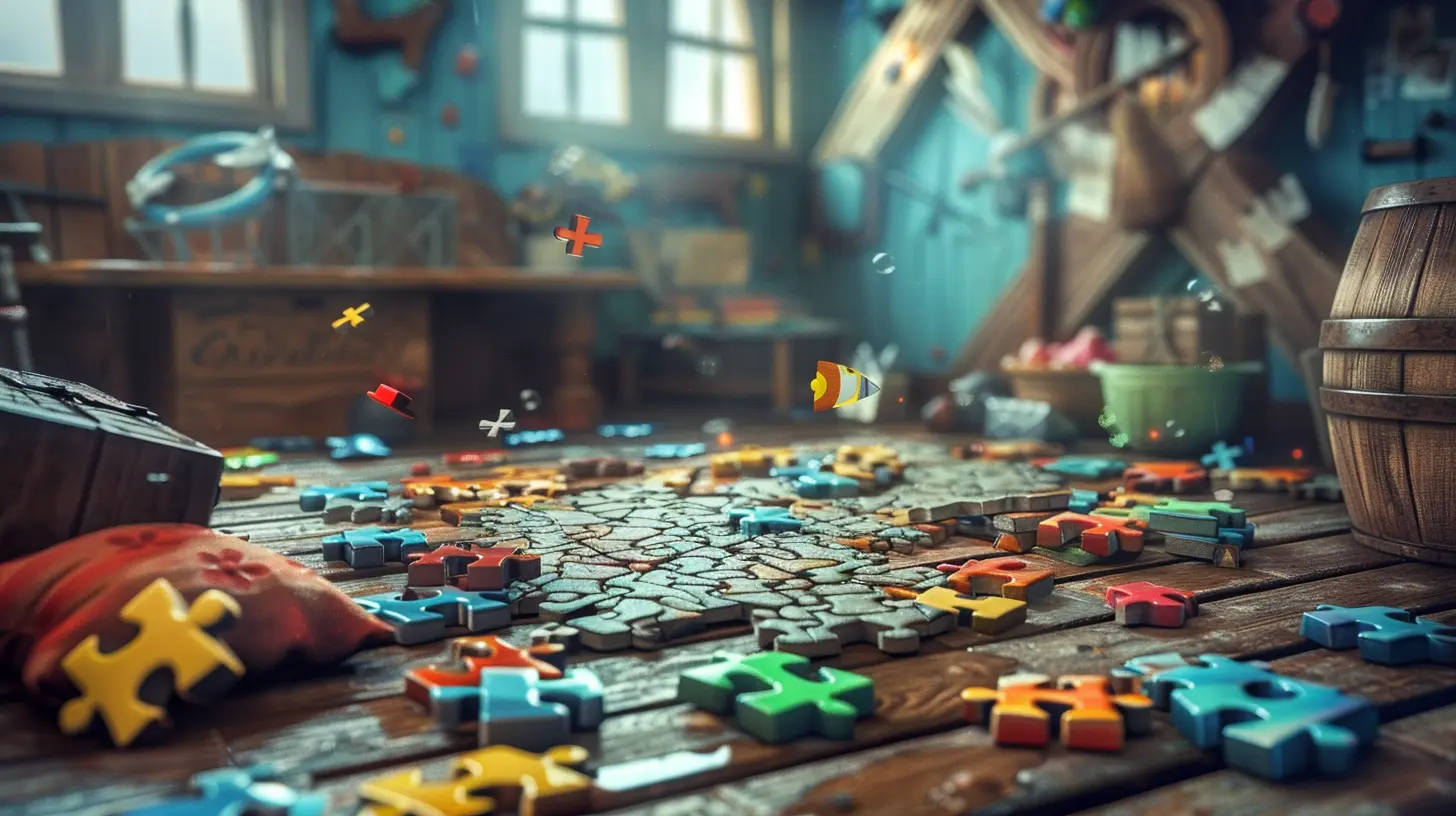
🧠 The Psychology Behind Puzzle Design
Let’s talk brain stuff. Developers don’t just throw random challenges at you—they study how players think. Seriously.Good puzzle designers get inside your head. They use principles from cognitive psychology to shape the way you interact with the game world. Ever notice how the first puzzle in a game is usually super easy? That’s on purpose.
This is what devs call “teaching through gameplay.” They give you a simple win early on to help you learn the mechanics without hitting you over the head with instructions. It’s like giving someone a single LEGO brick and letting them slowly figure out how to build the Death Star.
Designers often work with concepts like:
- Problem-solving heuristics – the mental shortcuts we use to solve things.
- Cognitive load – how much information your brain can handle before it short-circuits.
- Flow state – that sweet spot between boredom and rage where you’re totally immersed.
Keeping players in that “flow state” is key. Too easy and you get bored. Too hard and you yeet your controller across the room. The perfect puzzle? It keeps you dancing right in the middle.
🧩 Building Blocks of a Great Puzzle
Alright, let’s peel back the curtain. What goes into actually building a puzzle? A lot, surprisingly. Here’s how developers typically approach puzzle creation, step-by-step.1. Defining the Core Mechanic
Every good puzzle starts with a mechanic. That’s the action or system that the player interacts with—like rotating blocks, moving mirrors, or connecting pipes. It sets the stage for every challenge that follows.Think of it like choosing an instrument before composing a song. The mechanic is the puzzle’s “voice.”
2. Establishing Rules and Constraints
Next, devs create the rules. Good puzzles have clear, understandable constraints. These rules aren’t handed over in a manual—they’re embedded in the gameplay.For example, maybe red blocks can’t be moved. Maybe levers must be pulled in a certain order. The clearer the rules, the more satisfying the solution. This is where player trust is built.
3. Introducing the Player Gently
Ever play a game that dumps you in with no clue what to do? Not fun.Good puzzle games introduce mechanics gradually. You solve a small, simple version of the puzzle first. Then things ramp up. It’s like learning to swim in the shallow end before they throw you in the deep pool.
This step is essential. No one wants to feel lost right out of the gate.
4. Layering Complexity
Once you’ve got the basics, it’s time to crank it up. Developers layer new ideas onto old ones—adding twists to mechanics you thought you understood.Remember that pressure plate that opened a door earlier? Now you need to use a box… while dodging lasers… and timing your steps. Boom. You’ve got a real brain workout.
5. Playtesting (And More Playtesting)
Here’s a dirty secret: devs don’t always get it right the first time. Puzzles need tons of testing.They bring in fresh eyes to try out their puzzles, watch how people approach them, and note every time someone hits a wall. If too many players make the same mistake or miss an important clue, guess what? The puzzle gets reworked.
Games are like chefs testing recipes. It might’ve tasted great in their head, but if no one else likes it, back to the drawing board.
🛠️ Tools of the Puzzle Craft
Today’s game developers aren’t just scribbling ideas on napkins (well, maybe sometimes). They use some pretty neat tools to test and fine-tune their puzzles.➤ Level Editors
Most studios use custom-built level editors that let them piece together puzzles like a digital jigsaw. It’s drag, drop, test, repeat.➤ Physics Simulations
If the puzzle involves moving objects, devs run it through physics simulations to make sure everything behaves the right way. A puzzle’s no good if the solution works in your head but not in the actual game.➤ Heatmaps and Analytics
This one’s cool—some devs track player movement with heatmaps to see where players get stuck or spend the most time. These visual maps help them fine-tune difficulty and design.🤯 The Art of the “Aha!” Moment
There’s nothing like that “aha!” hit when you finally crack a tough puzzle. So how do devs design for that exact moment?It’s all about guiding the player toward a realization—without giving things away. Developers plant clues through visual cues, sound design, or environmental storytelling to gently nudge you in the right direction.
Let’s say there’s a painting in the corner of the room with a pattern. You think it’s just decoration… until you realize it matches a puzzle on the opposite wall. Suddenly it all clicks. That’s no accident—that’s masterful design.
The goal is to make the player feel clever, not confused. That’s the magic trick every puzzle designer aims to pull off.
🔄 Balancing Difficulty Across the Game
Ever notice how puzzle games don't just throw their hardest challenges at you immediately? That’s called difficulty pacing.Developers use difficulty curves to keep things smooth. Early puzzles are often tutorials in disguise, while the mid-game throws a few real challenges, and the late-game tests everything you’ve learned.
Some developers even design “difficulty waves”—alternating between harder and easier puzzles to keep you from getting too exhausted or discouraged.
They might even sprinkle in “breather puzzles” just to let your brain relax before the next big challenge. Think of it like a game’s way of saying, “Hey, take five. You’ve earned it.”
🌍 World-Building Through Puzzles
Puzzles aren’t just brain teasers—they’re often part of the story.Games like Portal, The Witness, or even classic Zelda titles use puzzles to reveal lore, build tension, or deepen immersion. The puzzle isn’t just in the world—it is the world.
A puzzle might be tied to a mysterious ancient mechanism or a cursed relic. Solving it isn’t just about opening a door—it’s about uncovering a story piece by piece. It’s like reading a book where the chapters are unlocked by your own brainpower.
🧪 Weird Tricks Devs Use to Make Puzzles Feel Fair
Let’s wrap up with a few sneaky tactics devs use behind the scenes:- Fake Complexity: Devs might add elements that look important but are just red herrings to make you feel smarter when you ignore them.
- Subtle Hints: Lighting, camera angles, or small animations can quietly suggest the solution.
- Fail-Safe Design: Some games make it impossible to truly mess up. You can’t get stuck or break a puzzle, even if it feels like you might.
These tricks keep players happy and immersed. After all, devs want you to win—they just want you to work for it.
🧠 It’s All About Respecting the Player’s Mind
At the end of the day, designing the perfect puzzle isn’t about showing off how smart the developers are. It’s about creating something that respects your intelligence, challenges your creativity, and keeps you coming back for more.Whether it’s riddles in a fantasy dungeon, sci-fi hacking terminals, or quirky indie logic puzzles, the best puzzle design is a conversation between the game and the player. It says, “Hey, here’s a mystery. Want to solve it?”
And if the devs do their job right, your answer will always be, “Heck yes.”
🕹️ Final Thoughts
So next time you’re knee-deep in a brain-bending puzzle, take a moment to appreciate the craft behind it. Know that a team of designers, testers, and artists spent hours making sure it was just right—so you could shine.Behind every puzzle is a story… and behind every story is a clever developer trying to make you smile, sweat, and shout, “I GOT IT!”
Now go forth and tackle those puzzles like a champ.
all images in this post were generated using AI tools
Category:
Puzzle GamesAuthor:

Leif Coleman
Discussion
rate this article
3 comments
Jade Lewis
Creating the perfect puzzle is like baking a cake: a sprinkle of challenge, a dash of mystery, and just the right amount of icing to keep players hungry for more!" 🎂🧩
April 5, 2026 at 4:08 AM
Leif Coleman
Absolutely! Balancing challenge and intrigue is key to keeping players engaged and craving more. 🍰🧩
Blaze Hahn
Great insights on puzzle design! It’s fascinating to see how developers balance challenge and engagement to create an enjoyable experience for players. Keep up the excellent work!
December 13, 2025 at 4:28 PM
Leif Coleman
Thank you! I appreciate your kind words and am glad you found the insights valuable. Engaging players through balanced challenge is indeed key!
Juliana Phillips
In the dance of logic and design, developers weave riddles so divine. Each piece a spark, igniting minds, unraveling joy that beautifully binds.
December 13, 2025 at 5:01 AM
Leif Coleman
Thank you! I love how you captured the essence of our creative process—where logic and design truly come together to spark joy in every puzzle.