How Digital Games Are Changing the Landscape of Collecting
6 May 2026
Remember the days when collecting meant filling up shelves with comic books, action figures, or stacks of rare coins? It was all about the thrill of the hunt, the pride of ownership, and that little burst of joy anytime you found a missing piece. Fast forward to today, and welcome to the age of digital collecting—an exciting, ever-evolving realm led by the rise of digital games.
Yeah, it’s not just about rescuing princesses or blasting aliens anymore. Digital games are quietly (and sometimes loudly) changing how we think about collecting. They're turning pixels into prized possessions and transforming in-game achievements into real-world bragging rights.
Let’s dive into how digital games are completely reshaping the collecting culture we thought we knew.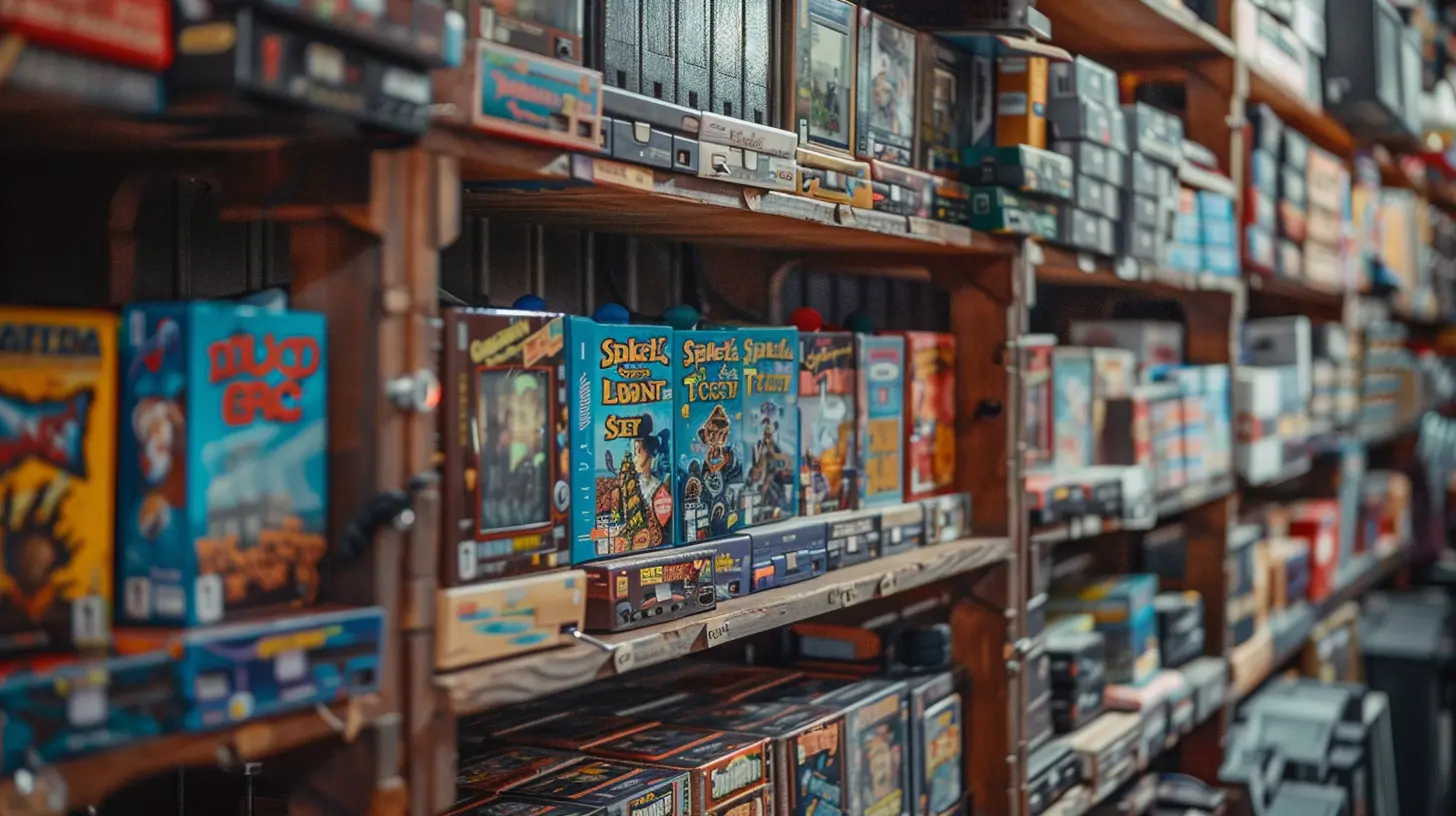
The Evolution of Collecting – From Physical to Digital
The Old-School Charm
Before we go full throttle into the digital world, let’s appreciate where collecting started. Physical collectibles like baseball cards, LEGO sets, or even Beanie Babies were tangible. You could touch them, show them off, trade them with friends, and even inherit them. There was something pure about it—nostalgic, personal, and proudly displayed on shelves.But, you know what? Physical collecting had its downsides—storage, wear and tear, limited accessibility, rigid markets, and let’s not forget the risk of losing something to a flood or fire.
Enter the Digital Age
Now, with digital games coming into play, collecting has become limitless. We're talking about skins, emotes, digital cards, NFTs, virtual currencies, and more—straight from your console or PC, no closet space required. These aren't just pixels either. They hold real-world value and, in many cases, emotional significance for players.Games like Fortnite, FIFA, Pokémon GO, and even blockchain-based games like Axie Infinity are turning digital items into collectibles that rival rare physical goods. It's a new kind of collecting, one that's reshaping how we connect with games—and each other.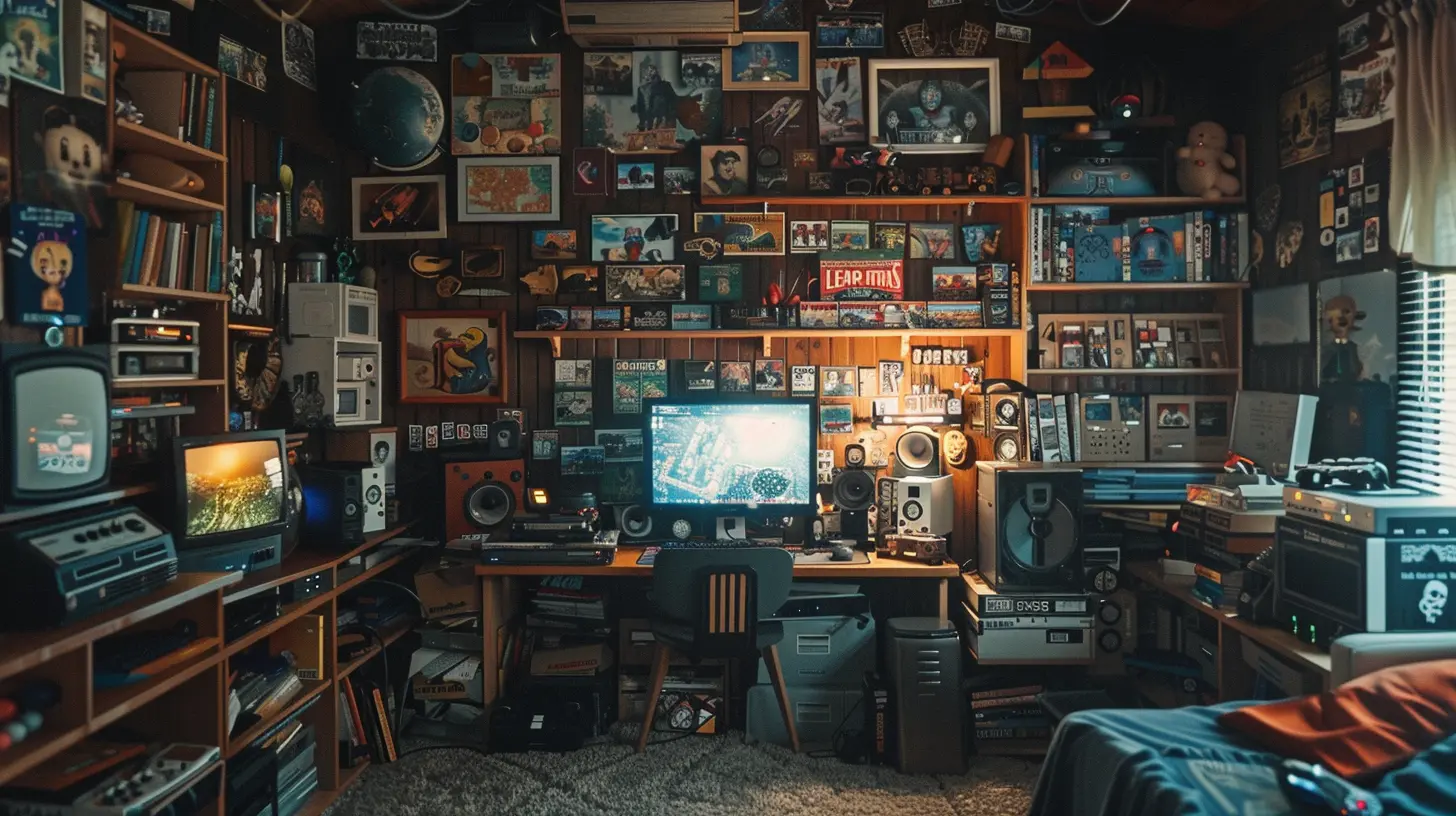
Why Gamers Are Embracing Digital Collectibles
1. Scarcity = Value (Even Digitally)
One of the cornerstones of collecting is rarity, and digital games nail this concept with limited-edition items, exclusive skins, and time-locked content drops. When something’s rare—even digitally—it becomes instantly desirable.Remember the limited Star Wars crossover skins in Fortnite? Or the ultra-rare player cards in FIFA Ultimate Team? Some of them are so scarce they sell for hundreds—or thousands—of dollars. This digital scarcity mirrors the feeling of chasing a rare baseball card or a first-edition comic book.
2. Interactive Collecting Is a Game-Changer
Let’s be real—looking at collectibles in a glass case is cool, but using your rare item in action? That’s another level. In digital games, you don’t just collect; you play, battle, earn, and show off. Your limited-edition gear isn't gathering dust—it’s winning matches.Think of it like this: owning a vintage car is nice, but driving it down the coast with the top down? That’s the dream. Digital games are giving collectors that ride every day.
3. Flexing Has Gone Digital
Social media changed how people show off their collections, and games took that cue. Now, flexing your rare gear, exclusive badges, or achievement trophies online is part of the digital flex culture.Ever walked around in a game rocking a skin that only 0.01% of players have? That’s digital street cred, baby! It’s clout, and it matters in today’s virtual communities.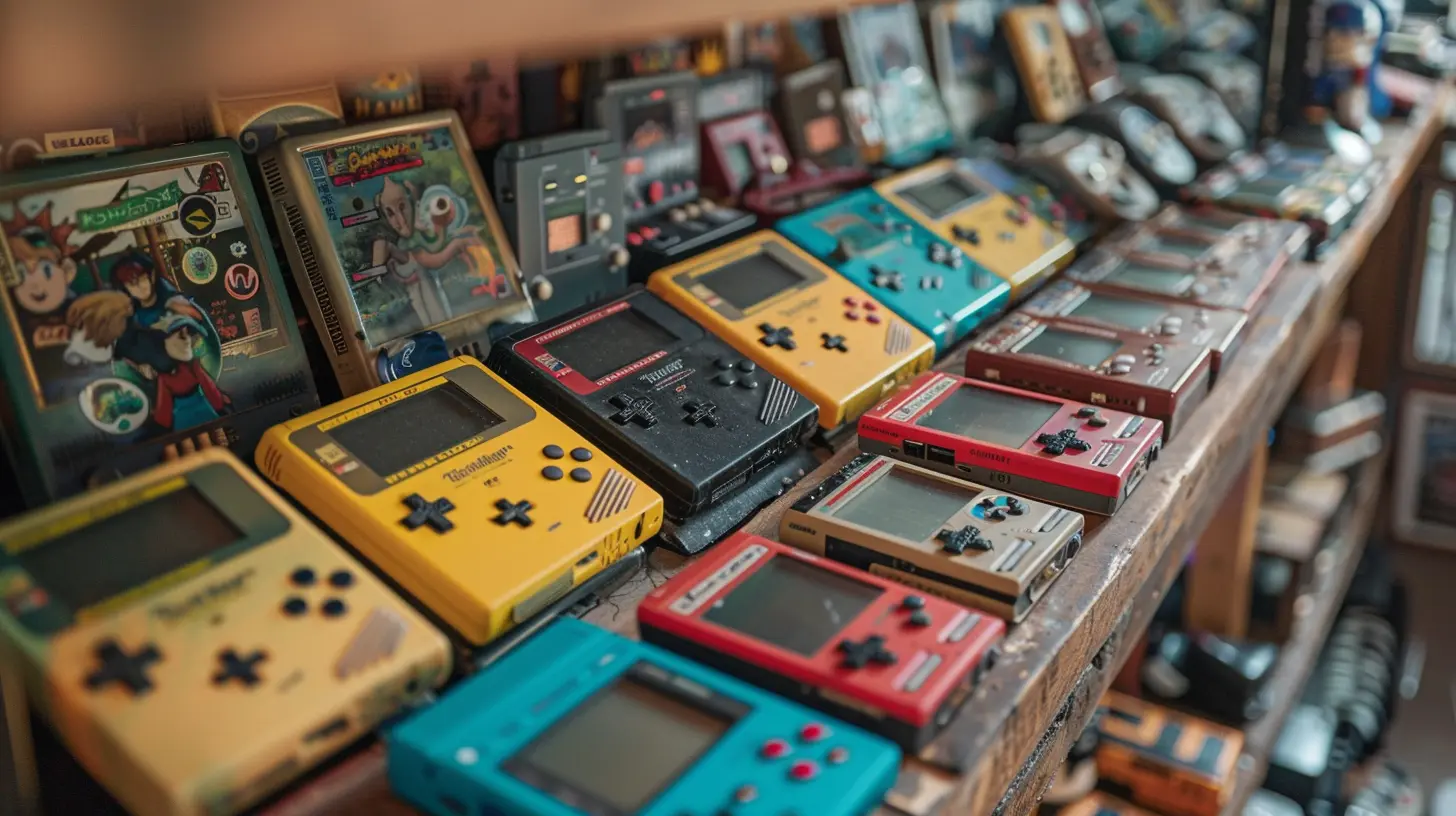
The Role of NFTs and Blockchain in Game Collecting
Let’s talk about the techy side—because if you haven’t heard yet, NFTs (Non-Fungible Tokens) and blockchain tech are playing a massive role in digital game collecting.These technologies let gamers buy, sell, and truly own digital items in a secure way. Before, your favorite in-game sword or skin was just part of that game’s ecosystem. Now? You can own it entirely, trade it with someone on the other side of the world, or even earn money from it.
Games like The Sandbox, Gods Unchained, and Axie Infinity are pioneering this concept, making collecting not just fun but potentially profitable. It’s like turning your Pokémon cards into a side hustle—except it’s all online and 10x faster.
The Emotional Connection Is Still Real
Some people argue digital collecting lacks the feels of physical collecting. But is that really true? Not at all.In fact, the emotional bond can be even stronger. Imagine grinding for weeks to unlock an ultra-rare item, collaborating with your squad, and finally achieving it—those memories stick. That digital item becomes a symbol of dedication, teamwork, and personal growth.
Just like that old Teddy Bear from your childhood or that vinyl record you scored at a flea market, digital collectibles carry stories. Emotionally charged, personally earned, and forever remembered.
How Developers Are Reinventing the Collector Experience
Game developers are getting smarter—and sneakier—in the best possible way. They’re building entire game experiences around collecting, and it’s working brilliantly.1. Reward Systems that Hook You
From daily login bonuses to seasonal passes, games dangle collectibles like carrots on a string. And it’s addictive—in a good way. These mechanics tap into your desire to complete sets, level up, and earn bragging rights.Think about how satisfying it is to complete all your battle pass tiers or to finally get that elusive legendary skin. It’s like finishing a puzzle, and it keeps you coming back.
2. Social Trading and Community Events
Games today are making collecting more social than ever. Trading systems, in-game marketplaces, and community events elevate the experience. You’re not just collecting; you’re sharing, bartering, and bonding with players globally.It brings back that old-school vibe of trading cards in the schoolyard—but now it’s worldwide, 24/7, and you don't have to worry about someone bending your rare foil Charizard.
The Future of Collecting in Gaming: Where Do We Go From Here?
What’s next for this digital collecting revolution? The possibilities are endless—and super exciting.• Virtual Reality and Augmented Reality
Imagine physically walking through your virtual trophy room wearing a VR headset. Or holding up your phone and seeing your digital pets frolicking around your room using AR. Games like Pokémon GO already hint at this future.• Full Ownership Across Games
One day, your rare sword from Game A might be usable in Game B. Sounds crazy, right? Not anymore. Interoperable assets are slowly becoming feasible with blockchain tech. It's like taking your Monopoly money to buy snacks at a real store. Wild.• Mainstream Acceptance
Digital collectibles are gaining real-world acceptance. People are buying virtual land, digital sneakers, and even virtual fashion. This isn’t just gaming; it’s culture. And it’s only going to become more mainstream.Why This Shift Matters for Everyone—Not Just Gamers
You might think, “Okay, cool for gamers, but why should I care?”Well, here’s the deal: digital collectibles are redefining how we think about ownership, community, creativity, and even careers. Artists are monetizing digital works, developers are building thriving economies, and collectors are finding purpose, pride, and even profit in their digital assets.
It’s not just a game anymore—it’s a movement.
Final Thoughts: The Joy of Collecting Lives On
At the heart of it all, collecting is still about joy, passion, and personal expression. Whether you're stacking Funko Pops or unlocking mythic gear in your favorite RPG, that sense of accomplishment is the same.Digital games haven’t replaced collecting—they’ve supercharged it. They’ve removed the barriers, added interactivity, and created global communities bonded by pixels and purpose.
So, if you’ve ever hesitated to dive into digital collecting, now might be the perfect time. Who knows? Your next great treasure might just be one click, one quest, or one loot box away.
Game on, collector.
all images in this post were generated using AI tools
Category:
Game CollectingAuthor:

Leif Coleman
Discussion
rate this article
2 comments
Kova Barnes
Digital games are like collecting virtual dust bunnies... they multiply when you least expect it! Happy hoarding!
May 19, 2026 at 4:10 AM
Leif Coleman
I love that analogy! Digital games do seem to pile up unexpectedly. Happy collecting to you too!
Jasmine Franco
Digital games are reshaping collecting by offering virtual items and unique experiences, making it easier for fans to engage and build diverse collections.
May 7, 2026 at 4:08 AM
Leif Coleman
Absolutely, digital games are transforming collecting by blending accessibility with unique virtual experiences, allowing fans to curate diverse collections in innovative ways.