How Dynamic Weather Enhances Immersion in RPGs
8 July 2026
Let’s face it — there’s nothing quite like stepping into a fantasy world, sword in hand, cloak billowing, and feeling like you're truly part of it. But what if I told you that it’s not just dragons or dialogue trees that bring depth to an RPG? Nope, one of the unsung heroes of immersive gameplay is something many players take for granted: dynamic weather.
Yep. The skies matter. A lot.
In this article, we're diving headfirst into how dynamic weather systems crank up the realism, drama, and unpredictability of role-playing games (RPGs). Whether it’s a sudden downpour in the middle of a mountain ascent or the hush of falling snow across a medieval village, weather can make or break your sense of adventure.
Grab your umbrella (or maybe your fire spell, just in case). Let’s go.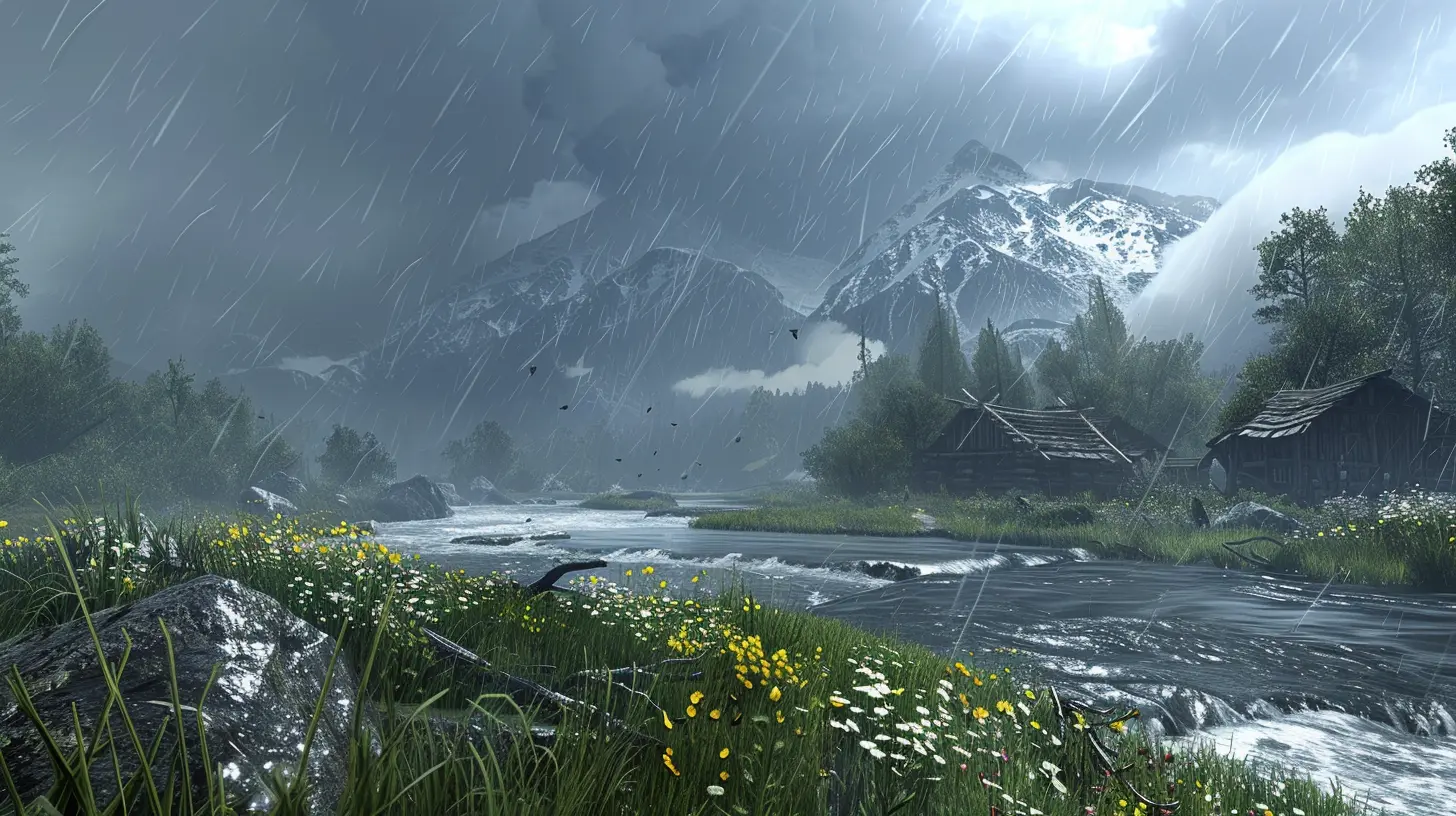
The Power of Immersion: Why Weather Matters
Okay, quick question: have you ever walked through a forest in a game and felt the mist clinging to the trees? Heard thunder rumbling miles away and braced yourself instinctively?That’s immersion. And dynamic weather? It's the magic wand that helps cast that immersive spell.
When an RPG world reacts to the weather—just like the real one does—your brain buys into the illusion. You forget you're sitting in front of a monitor or holding a controller. Instead, you're there, in that world, feeling the chill of the wind or the heat of the sun.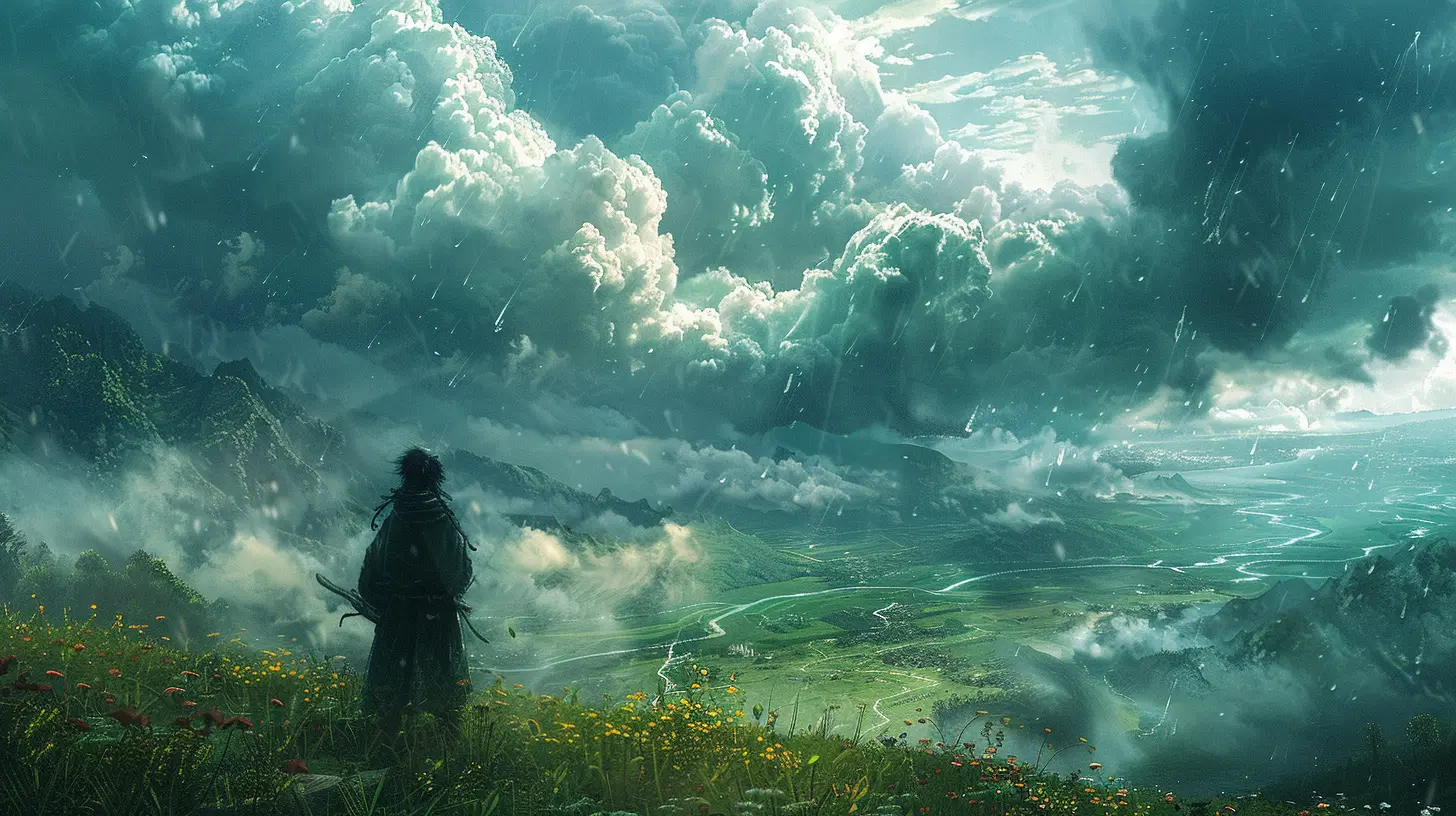
From Pixels to Thunderstorms: What Is Dynamic Weather?
So, what exactly are we talking about here? Dynamic weather is a system that allows the in-game weather to change in real time. It's not scripted or static. It evolves based on in-game time, location, and sometimes even your actions.Some examples of this include:
- Rainstorms that develop and pass naturally
- Snowfall that thickens over time and affects visibility
- Thunder and lightning that light up dark skies
- Wind that changes direction and intensity
- Fog that rolls in during early morning hours
And this isn’t just about looking cool (although, honestly, it often does). It’s about making the world feel alive. Just like in real life, you never quite know what the sky’s going to throw at you.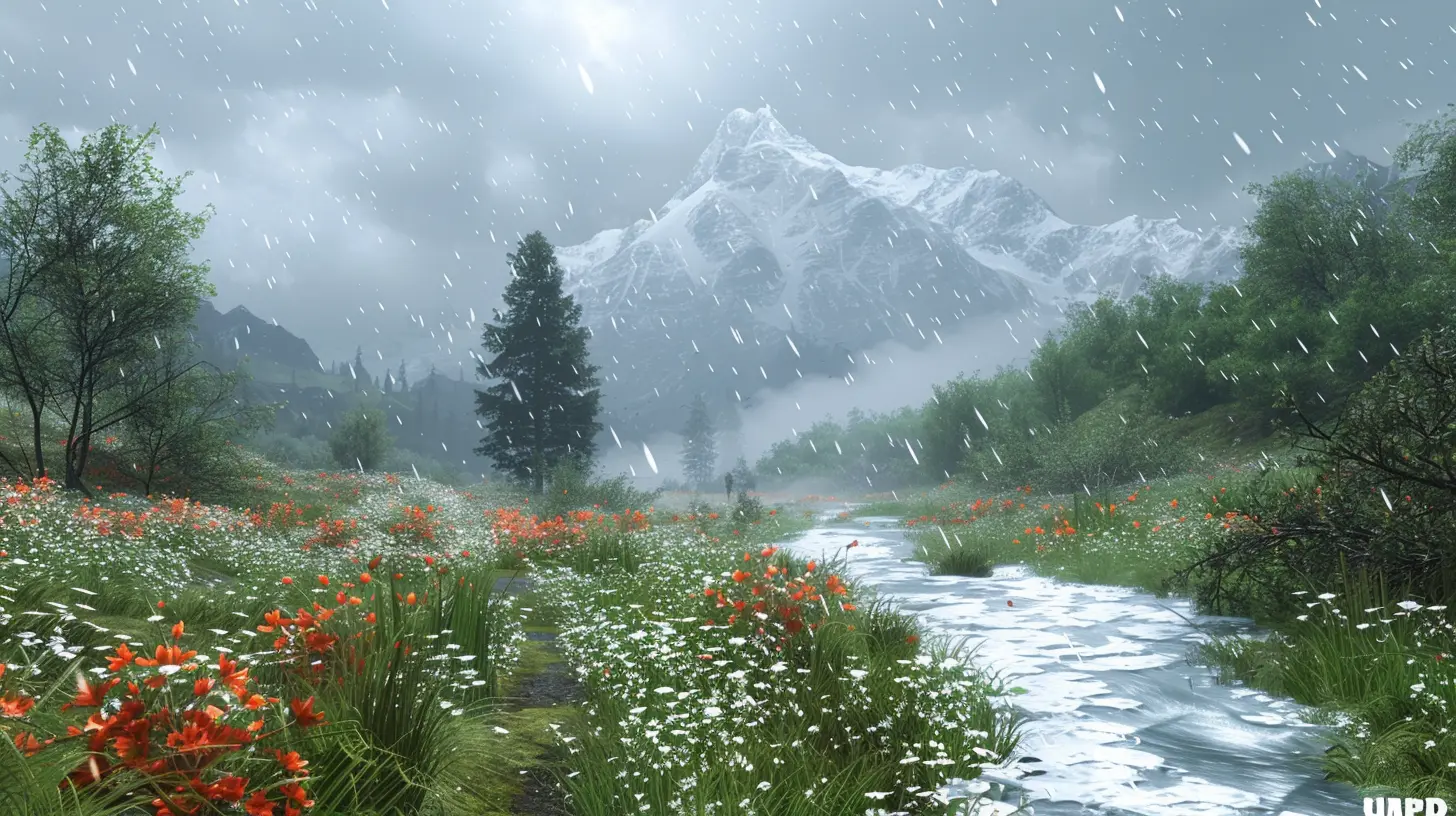
RPGs That Nail It: Weather Systems We Love
Sure, not every RPG pulls it off. But when a game gets dynamic weather right, it changes everything. Here are a few standout examples.? The Elder Scrolls V: Skyrim
Skyrim basically said, "Hold my mead," and delivered one of the most atmospheric weather systems in RPG history. One minute you're admiring the northern lights, and the next you're caught in a full-blown blizzard wondering why you ever left Whiterun. The weather in Skyrim isn’t just visual—it affects visibility, mood, and even sound. When that wind howls, it howls.?️ The Witcher 3: Wild Hunt
Geralt doesn’t just slay monsters—he does it while getting soaked to the bone. In The Witcher 3, clouds gather ominously before rain, thunder crackles across the sky, and NPCs run for cover. The world feels reactive. When a storm rolls in during a boss fight, it adds tension you can feel in your bones.? Red Dead Redemption 2
Okay, not strictly an RPG, but close enough. Red Dead 2’s weather system is off the charts. From foggy mornings in the bayou to snowstorms in the mountains, the weather isn’t just pretty—it changes how you play. Your horse struggles in the snow, and your clothes actually matter depending on the climate.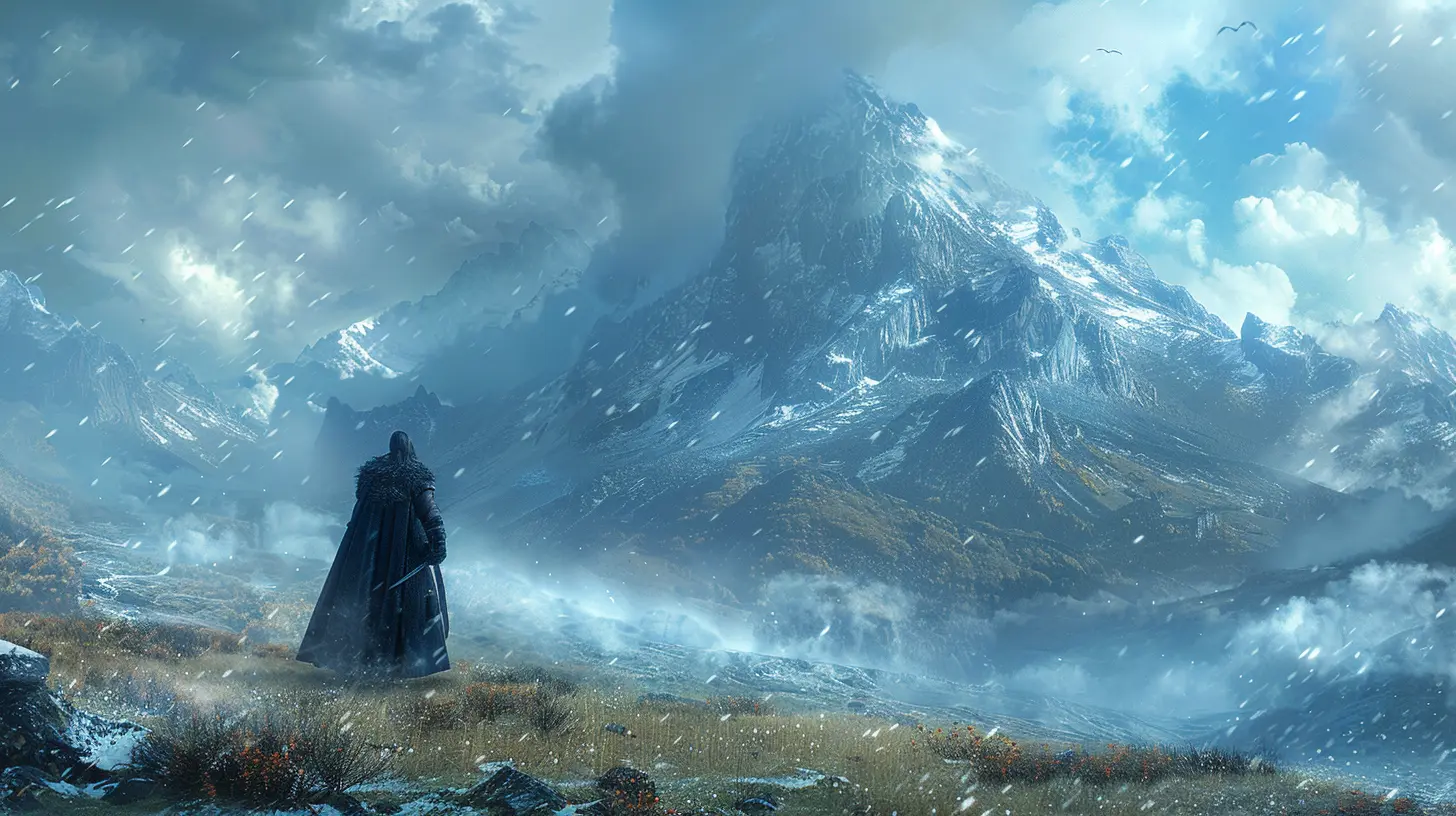
Emotional Impact: Weather Sets the Mood
Ever notice how a sunny day in a game makes you want to explore, while a gloomy, rain-soaked afternoon makes you wanna curl up next to a virtual campfire? That's not a coincidence.Dynamic weather plays a huge role in setting the emotional tone of an RPG.
- Rain adds melancholy: Perfect for moments of reflection or sorrow in the story.
- Storms bring chaos: Just right for a climactic plot twist or boss battle.
- Clear skies equal hope: Often used after a major victory to symbolize peace.
It's like the game is reading your emotions... and mirroring them in the sky. Creepy? Maybe. Cool? Absolutely.
Gameplay Mechanics: How Weather Affects Play
You didn’t think the weather was just for show, did you? Nah, in many RPGs, it actually changes how you play the game.Visibility & Stealth
Fog can reduce how far enemies can see, which is awesome if you're the sneaky type. It’s like nature’s own stealth mode.Movement & Travel
Snow might slow you down, and heavy rain can make climbing or navigating terrain more challenging. Suddenly, traveling from one town to another isn’t just a straight shot—it’s a trek.Combat Strategy
You wouldn’t want to throw lightning spells during a thunderstorm, right? Some games tweak your abilities or their effectiveness based on the weather. Fire spells might be weaker in the rain, while wind could boost arrow range. Little touches like these make battles feel more tactical and alive.NPC Reactions
Smart RPGs take it further and have characters react to the weather. Merchants might close up shop during a downpour. Villagers might comment on a freak storm. These little details sell the illusion hard.Worldbuilding: Making Fantasy Feel Real
Let’s talk about worldbuilding for a sec. In RPGs, building a strong, believable world is key. And weather? It’s a giant piece of that puzzle.Think about it: every region in real life has its own weather patterns. Deserts are dry and blistering. Forests are misty and damp. Mountains are frigid and snowy.
Applying this logic to fantasy worlds makes them more believable. Weather tells a story about the land, its culture, and how people live.
- Villagers might wear heavier clothing because of constant cold.
- Towns could be built on stilts if they’re used to flooding.
- Nomadic tribes might follow the rain for survival.
These details make the world feel lived-in. Not just a stage for your adventures, but a place with history and logic.
Day/Night Cycles + Weather = Chef’s Kiss
Dynamic weather is awesome on its own, but when it teams up with day and night cycles? Whew. That’s magic.Imagine this: You're creeping through a forest at night, fog swirls around you, and rain patters on the leaves above. A distant howl sends chills up your spine. That’s not just a game—that’s an experience.
When time and weather work together, they don’t just enhance immersion—they redefine it. Every moment feels organic and unscripted. It’s like the world is writing its own story alongside yours.
The Unexpected: Weather as a Storytelling Device
Here’s something most players overlook—weather can be a plot device too.Think about it. A sudden sandstorm interrupts your caravan journey. You’re trapped in a cave due to an avalanche. A mysterious fog leads you to stumble upon a hidden shrine. That’s not just weather—that’s narrative gold.
Smart devs use weather to:
- Introduce new questlines
- Add environmental puzzles
- Force detours that open up new areas
- Set up surprise encounters
Dynamic weather adds randomness in the best way. Just like life, you can’t control everything—and that creates stories you’ll remember long after the credits roll.
The Future of Weather in RPGs
The tech behind gaming is only getting better, and with it, weather systems are leveling up, too.Imagine hyper-detailed climates that change not just by region but by season. Or weather influenced by your choices—like pollution from an industrial city affecting nearby ecosystems.
And let’s not forget about VR. Nothing screams immersion like feeling the weather through haptic feedback or seeing raindrops land on your virtual hands.
Developers are starting to embrace weather not just as eye candy, but as a gameplay pillar. And honestly? We’re here for it.
Final Thoughts: It’s Raining, It’s Pouring, and We Love It
Dynamic weather isn’t just a shiny extra in RPGs—it’s a game-changer. It deepens immersion, shapes gameplay, and helps tell stories in ways that static skies just can’t.Next time you’re trudging through a muddy trail during a storm, don’t curse the clouds. Tip your virtual hat to the devs who made that world feel so real.
Because when the weather turns bad in an RPG... that’s when it gets really good.
all images in this post were generated using AI tools
Category:
Rpg GamesAuthor:

Leif Coleman
Discussion
rate this article
2 comments
Mateo McKittrick
Dynamic weather in RPGs truly elevates immersion. It not only affects gameplay mechanics but also enhances the atmosphere, making each adventure feel unique. The unpredictability of storms or clear skies adds depth to exploration and storytelling, enriching the overall experience.
September 14, 2026 at 4:14 PM
Wesley Roberson
Dynamic weather adds a unique layer to RPGs, creating a more immersive experience. Players feel the environment's impact on gameplay, enhancing realism and strategy. It's exciting to see how weather effects can shape quests and interactions.
July 9, 2026 at 4:52 AM
Leif Coleman
Absolutely! Dynamic weather truly transforms gameplay, making every encounter feel fresh and impactful. It deepens the connection between players and the game world.