How Game Awards Have Embraced Diversity and Inclusion
22 December 2025
In recent years, the gaming industry has undergone a massive transformation. It’s no longer just about flashy graphics and tight gameplay mechanics (although we still love those, right?). Now, there’s a much bigger conversation happening—one about diversity and inclusion. And guess what? Game awards, the Oscars of the video game world, are finally catching up. It’s like watching a boss battle where progress, representation, and fairness are slowly but surely winning the fight.
But how exactly have game awards embraced diversity and inclusion? What changes have been made, and why does it even matter? Buckle up, because we’re about to dive into how the people running these events have hit the restart button and started to prioritize representation for all.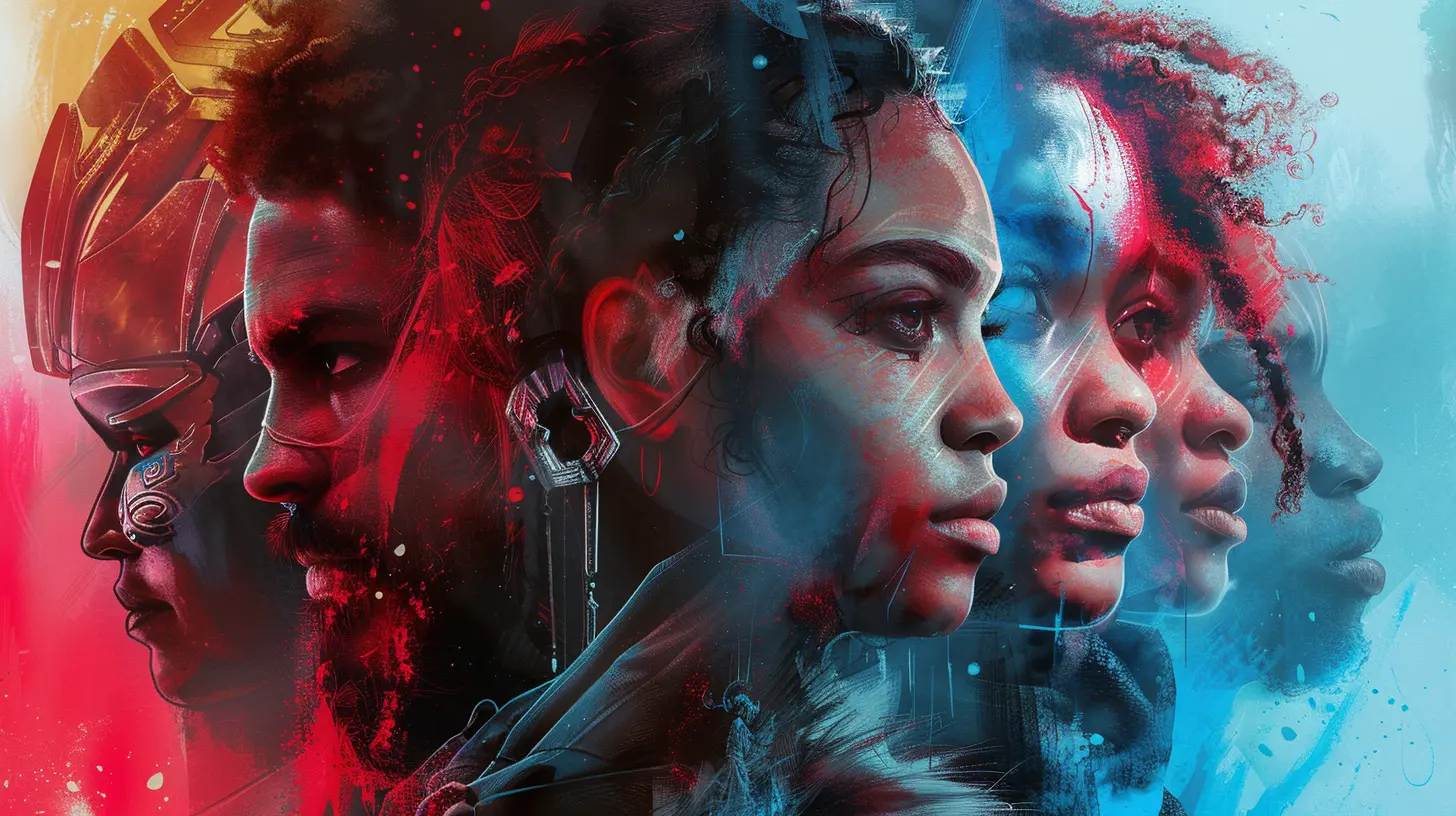
The Evolution of Game Awards: More Than Just Trophies
First things first: game awards have come a long way. Initially, they were mostly seen as a celebration of technical achievement and commercial success. You know, graphics that blow your mind, innovative gameplay that makes you go, “Whoa, how did they even think of this?” But as the gaming community grew—and became more diverse—it was clear that awards shows couldn’t just focus on the technical stuff anymore.Why? Because video games don’t exist in a vacuum. They’re part of our culture, our stories, and our identities. Gamers are no longer a monolithic group of people who all look, think, or experience life the same way. The awards had to evolve. And slowly but surely, they have.
Diversity in Representation: The Power of Recognizing Stories From All Walks of Life
When we talk about diversity in gaming, it isn’t just about including different races or genders in the main storyline (although, trust me, that’s a big deal). It’s also about recognizing games that tell stories from a variety of unique perspectives. Whether it’s a heartfelt indie title about overcoming mental health struggles or a blockbuster game that centers on a female protagonist, these stories matter.Take "Celeste," for example. The game received multiple nominations and went on to win the Games for Impact category at The Game Awards in 2018. What made "Celeste" stand out wasn’t just its tight platforming mechanics—it was its thoughtful exploration of mental health, self-doubt, and resilience. Players from all backgrounds connected emotionally with the game, and its recognition at such a large-scale event sent a clear message: these stories have a place here.
In the past, it was rare to see games with such niche—or should we say, human—narratives even get nominated, let alone win. But now? Those stories are front and center. It shows that the gaming world isn’t just about escapism anymore; it’s about empathy.
Inclusion of Developers: It’s Not Just About the Players
Here’s another angle to this conversation that often gets overlooked. Diversity and inclusion aren’t just about who’s playing the games—they’re also about who’s making the games. It’s no secret that the gaming industry has historically been dominated by a pretty homogenous group of developers. But that’s changing, and game awards are starting to reflect that.One major example? Recognizing the work of independent developers and studios from across the globe. Events like The Game Awards and BAFTA Games Awards have actively celebrated creations from smaller, more eclectic studios. Games like "Hades" by Supergiant Games—a studio led by a diverse team—have been showered with nominations and wins. When these games succeed, it paves the way for more underrepresented voices to tell their stories.
And let’s not forget the impact of initiatives like "Game Devs of Color Expo" or organizations such as "Girls Who Code," which work hard to amplify marginalized voices in game development. Game awards that actively shine a spotlight on indie creators or underrepresented nominees are essentially saying, “Hey, everyone belongs here.”
Award Categories That Promote Inclusion: Shout-Out to the Underdogs
Another way game awards have embraced diversity and inclusion is by introducing dedicated categories that specifically celebrate social impact and change. These categories push the conversation forward in ways that generic "Best Game" or "Best Soundtrack" awards simply can’t.For example, The Game Awards introduced the "Games for Impact" category, which recognizes games that deliver meaningful messages or handle socially relevant topics. It’s like the gaming equivalent of a mic drop. Titles like "Tell Me Why," which features a transgender protagonist and tackles themes of identity and family, have been celebrated in this category, earning high praise for breaking stereotypes and fostering understanding.
These specific award categories show that the gaming industry isn’t just paying lip service to inclusion—they’re putting their money where their mouth is. It’s one thing to say, “We care about diversity,” but it’s another to literally carve out space for it in your event.
Broadening the Audience: Gaming for Everyone, Not Just the Same Ol’ Crowd
Remember when video games were often marketed as “just for teenage boys”? (Ugh, the stereotypes, right?) Well, those days are long gone. The gaming audience is now incredibly diverse, with people of all ages, genders, nationalities, and abilities picking up a controller. Game awards have finally started to reflect that.How? For starters, they’re making their events more accessible. Whether it’s through live-streaming their shows on multiple platforms or adding captions and translation services for international audiences, game awards are doing what they can to include everyone. It’s a slow process—like beating a particularly tricky level—but it’s progress.
Additionally, we’re seeing more diverse hosts, presenters, and performers at these events. When people see someone who looks or sounds like them on stage, it sends an unspoken message: “You belong here.” Representation isn’t just about who’s nominated; it’s about who’s holding the microphone, who’s giving the acceptance speech, and who’s cheering from the audience.
Pushing for Change: We Still Have Work to Do
Now, don’t get me wrong—there’s still a long way to go. While game awards have made strides toward diversity and inclusion, there are definitely areas where they could level up. For example, there are still some systemic barriers in the industry that prevent marginalized creators from even getting their foot in the door. And sometimes, it feels like certain awards shows are more focused on appearing inclusive rather than actually enacting lasting change.But here’s the thing: the fact that we’re even having this conversation is huge. We’ve gone from a time when diversity in gaming wasn’t even on the radar to a point where it’s a central part of the discussion. That progress? It’s worth celebrating.
Why This Matters to Gamers Like Us
At the end of the day, game awards embracing diversity and inclusion benefits all of us. Representation enhances storytelling, broadens our perspectives, and creates games that resonate on a deeper level. When everyone has a voice, we all win—because gaming isn’t just about playing. It’s about connecting, learning, and growing, both as individuals and as a community. And isn’t that the point of art in the first place?So the next time you watch an awards show and see a game that champions diversity take home the trophy, take a moment to appreciate how far we’ve come. It’s not just a win for the developers or the players—it’s a win for the entire industry.
all images in this post were generated using AI tools
Category:
Game AwardsAuthor:

Leif Coleman
Discussion
rate this article
3 comments
Tiffany McCaffrey
Absolutely love how game awards are celebrating diversity and inclusion! It's exciting to see voices from all backgrounds shining in the gaming world. Here's to more representation and joy in our gaming experiences! 🎮🌟
April 8, 2026 at 5:09 AM
Leif Coleman
Thanks for your thoughts! The recognition of diverse voices truly enriches the gaming landscape and makes for more meaningful experiences. Here's to continued progress in representation!
Xena McCray
Unity through diverse gaming!
December 31, 2025 at 3:33 AM
Leif Coleman
Absolutely! Diverse gaming fosters unity by bringing together varied perspectives, creating richer experiences for all players.
Kylie Hubbard
Celebrating diverse voices enriches storytelling, fostering a gaming community that reflects our shared humanity.
December 23, 2025 at 3:42 PM
Leif Coleman
Absolutely! Diverse voices enhance narratives and build a gaming community that truly represents our collective experiences.