How Games Can Help Close the Educational Achievement Gap
18 May 2026
Let’s be real for a second—traditional education has left way too many students behind. You’ve got outdated textbooks, one-size-fits-all lessons, and teaching methods that haven’t evolved much since the chalkboard days. Meanwhile, students grow up in a world buzzing with technology, instantly accessible knowledge, and nonstop entertainment. So, what’s the missing piece? Believe it or not—games.
Yep, games aren’t just about smashing buttons or diving into fantasy worlds (although that’s pretty fun too). When used right, games can actually help narrow the educational achievement gap—and we're here for it.
Ready to uncover how? Let’s dive in.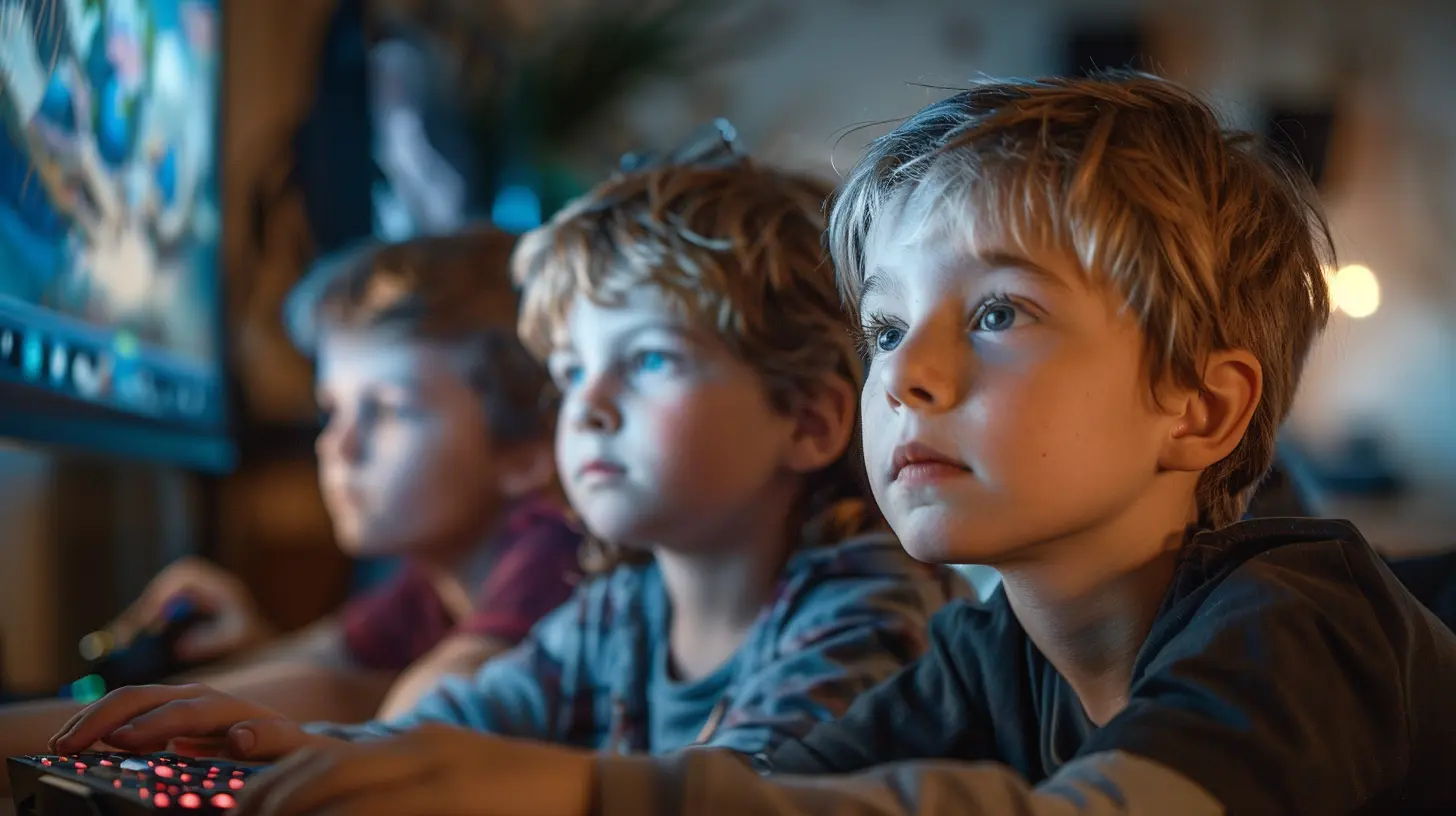
What’s the Educational Achievement Gap Anyway?
Before we get into the game changers (pun intended), let’s quickly break down the problem. The educational achievement gap refers to the persistent disparity in academic performance between groups of students. We're talking racial and ethnic minorities, students from low-income families, English language learners, and students with learning disabilities.This gap shows up in test scores, graduation rates, college enrollment—you name it. The factors behind it are deep-rooted: unequal access to resources, cultural biases, differences in support systems, and more.
Now, here’s where games come in.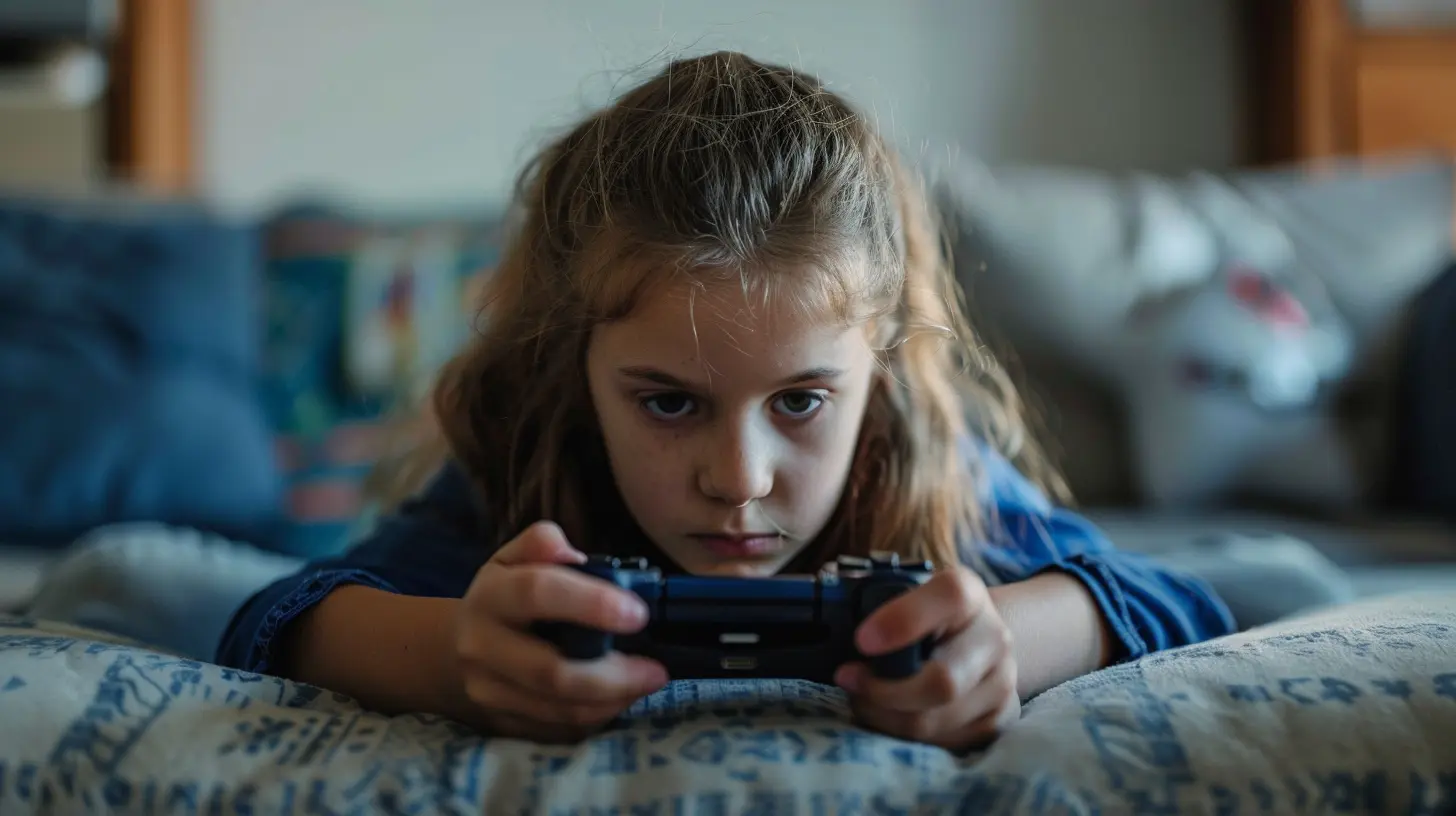
Why Games Are More Than Just Playtime
Alright, let’s bust a myth: games aren’t a brain drain. When designed with intention, educational games (or even regular games adapted for learning) can hook students in, boost motivation, enhance cognitive skills, and even level the playing field.Let’s break it down:
- ? Instant Feedback – Games offer immediate responses. This helps students learn from their mistakes right away—something traditional tests often don’t allow.
- ? Adaptive Learning – Many games adjust to the player’s skill level, meaning struggling students aren’t left in the dust while advanced learners stay challenged.
- ? Repetition Without Burnout – Re-doing the same math problem in a textbook feels tedious. Doing it in a game? Fun. Addictive, even.
- ? Collaboration – Multiplayer and cooperative games encourage teamwork, communication, and problem-solving.
- ? Engagement – Let’s face it: kids are glued to screens. Why not lean into that energy with something that actually grows their brain?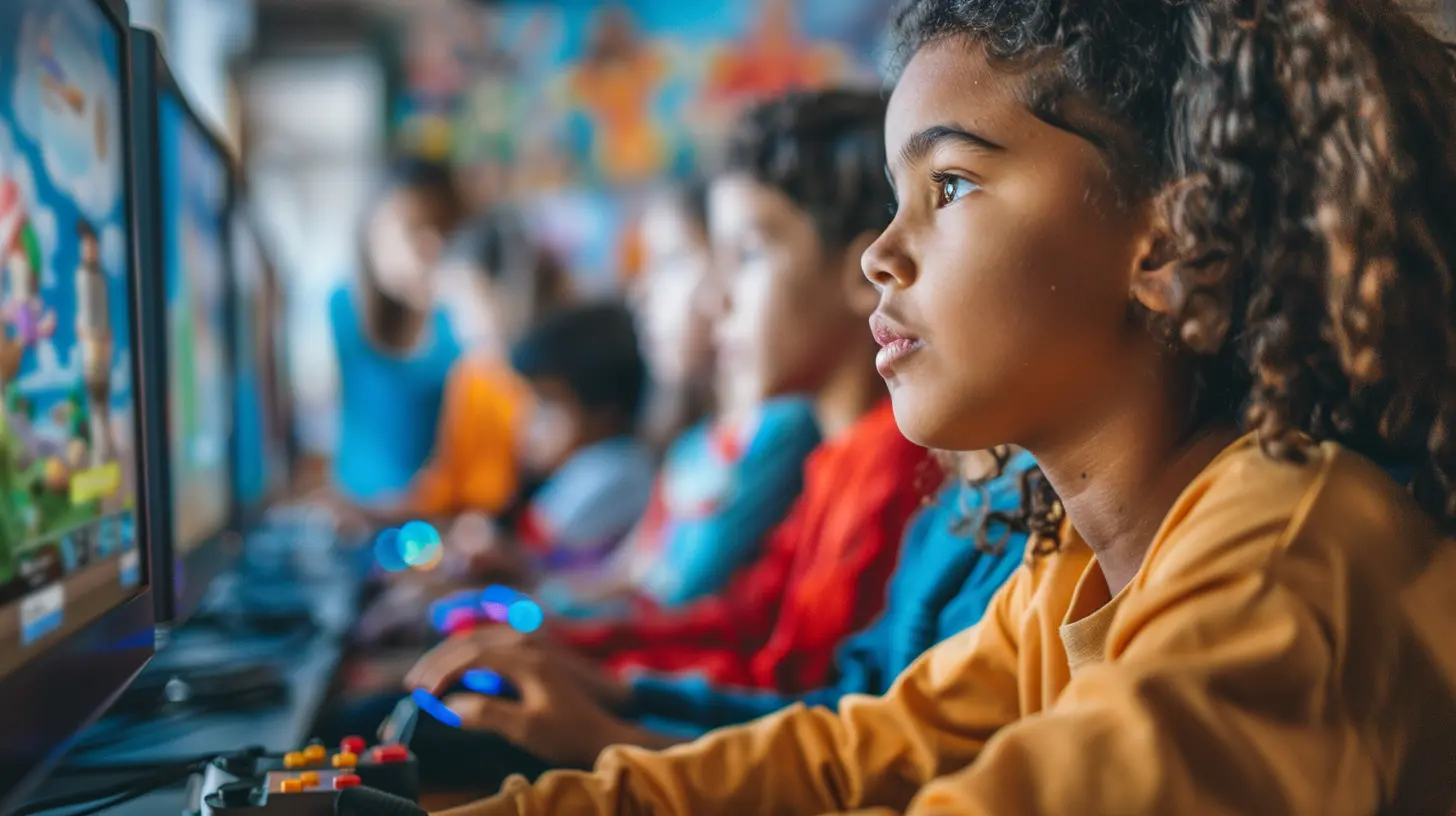
How Games Support Under-Resourced Schools
One of the biggest hurdles in closing the education gap is the lack of resources in underfunded schools. But guess what? Games are surprisingly budget-friendly in the grand scheme of things.Many educational games are free or low-cost. Platforms like Kahoot!, Minecraft Education Edition, and Prodigy Math offer high-quality learning experiences without draining school budgets. Plus, they don’t need tons of fancy tech—just a decent internet connection and basic computers or tablets.
For schools that lack access to traditional educational tools, games can be a lifeline.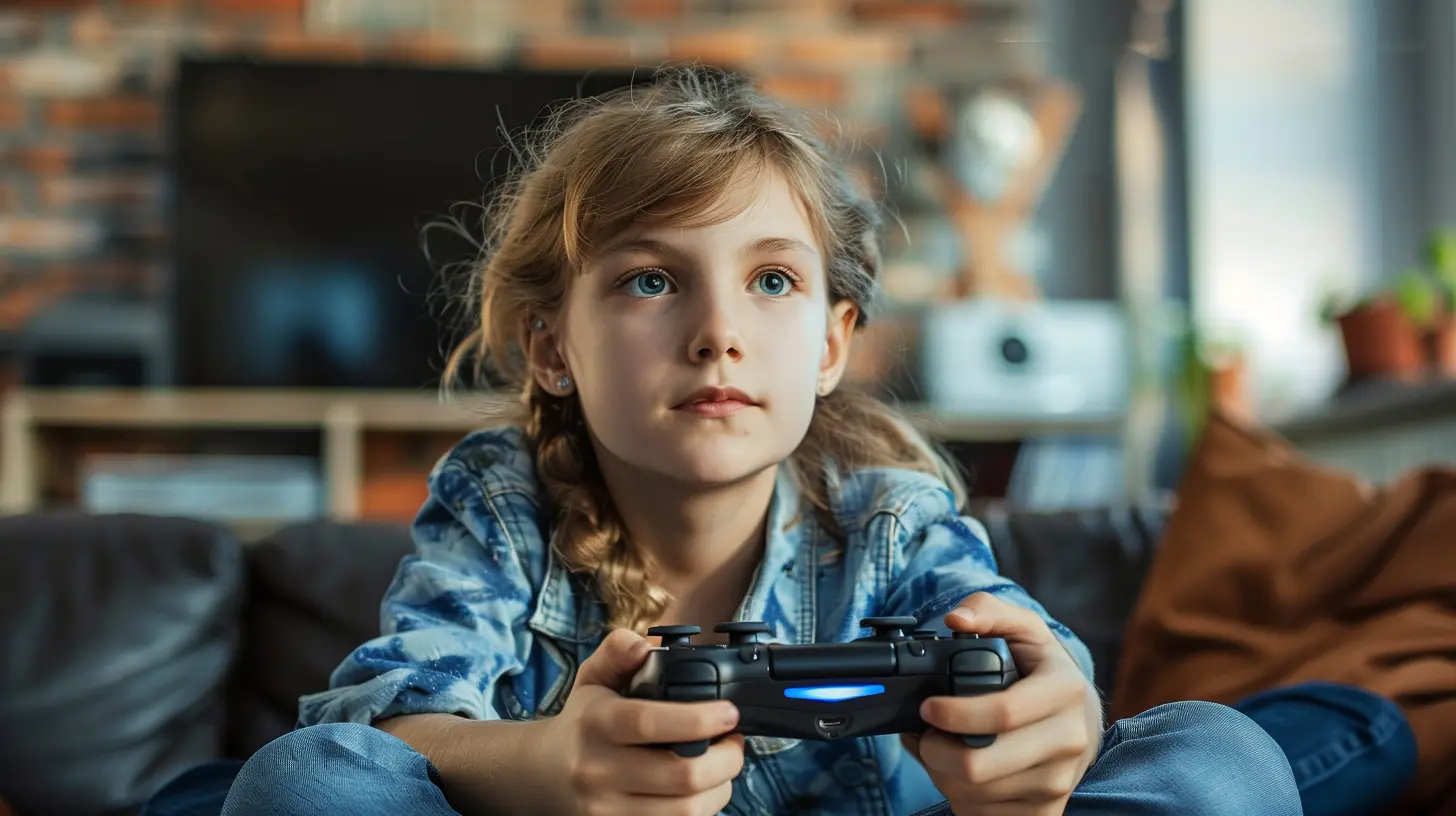
Personalized Learning Through Gaming
Here’s something cool: games don’t teach everyone the same way. Instead, they adapt. Some students learn best by doing. Others by watching or solving puzzles. Well-designed games meet learners where they are.Let’s say one student struggles with multiplication but excels at pattern recognition. A math-based game can emphasize visual patterns to build up their multiplication skills in a way that clicks with them.
This is huge for closing the gap. No more “one-size-fits-none” lessons. Gaming allows for personalized, flexible learning at scale.
Games Break Language Barriers
Language is a massive hurdle for many students—especially those who are English language learners (ELLs). But games can bridge that.Games like Duolingo, Ba Ba Dum, or even Wordle help ELL students improve vocabulary, pronunciation, and grammar without the pressure of traditional lessons. Visuals, sound effects, and interactive tutorials all work together to teach without overwhelming.
Even better? Games make learning new words feel like an adventure, not a chore.
Boosting Confidence, One Level at a Time
Let me ask you this: how do you feel when you ace a game level? Pretty awesome, right? That kind of instant success builds confidence—in kids especially.Students who struggle in class often feel like “the dumb one” in the room. But give them a game where they can win? Suddenly, they believe in their abilities again. That shift in mindset can change how they approach learning altogether.
Better confidence = more participation = better grades. That’s how we close the achievement gap.
Real-Life Examples of Games Making a Difference
Still skeptical? Let’s look at some real wins.1. Minecraft Education Edition
You’ve probably heard of Minecraft. But did you know there’s an education version used in over 100 countries? Teachers use it to teach everything from chemistry to coding. Students work in teams, solve problems, and build incredible worlds—all while learning core subjects.It’s especially effective in schools with limited lab or field trip budgets because it turns any lesson into a fully immersive experience.
2. Prodigy Math
Prodigy turns math into a role-playing game where solving equations helps you win battles and unlock cool gear. Kids don’t even realize they’re doing schoolwork. It’s especially popular in underperforming districts where traditional teaching just isn’t cutting it.And here’s the best part: Prodigy provides detailed data to teachers so they can spot which students need extra support.
3. Classcraft
This gamified classroom management system turns behavior and teamwork into a game. Students earn points for showing up, respecting others, and trying their best. It shifts classroom dynamics from punishment to encouragement—especially helpful in schools where discipline issues add to the achievement gap.Gaming Builds Critical Thinking Skills
Let’s not forget—many games aren’t just about clicking buttons. They require strategy, logic, pattern recognition, and creative problem-solving. Skills that transfer directly to the classroom.When students play puzzle games, simulation games, or strategy-based games like Portal, Kerbal Space Program, or Civilization, they’re learning real-world skills:
- Cause and effect
- Time management
- Resource allocation
- Decision making
These aren’t just “game” skills—they’re life skills and academic essentials.
Parents and Teachers Are Game-Changing Allies
Here’s the deal: games don’t replace teachers or parents. Instead, they supercharge them.When teachers incorporate games into their lessons, they make learning more relatable and exciting. When parents encourage educational gaming at home, it becomes a bonding activity rather than just screen time.
The key is balance. Not every game is educational, and not every moment needs to be gamified. But done right? It’s a powerful partnership.
The Future Is Bright (and Playful)
We’re entering an era where education doesn’t have to be boring, rigid, or out of reach. Games are making learning more accessible, more engaging, and more personalized than ever before.For students who’ve been left behind, gaming could be the bridge that finally connects them to success.
Are games the only solution? Of course not. But are they a step in the right direction? Absolutely.
Let’s stop viewing games as distractions and start recognizing them for what they really are—tools for transformation.
So the next time someone says gaming is a waste of time, you can smile and say: “Actually, it’s closing the educational achievement gap.”
Final Thoughts
Games have the power to revolutionize education. They make learning fun. They meet students where they are. And most importantly, they give struggling learners a shot at success.Whether it’s boosting math skills through Prodigy, improving language through interactive play, or building teamwork in Minecraft, the possibilities are endless.
If we want a more equal future in education, it’s time we start pressing "Start" on gaming.
all images in this post were generated using AI tools
Category:
Educational Value Of GamesAuthor:

Leif Coleman
Discussion
rate this article
2 comments
Astoria McMeekin
Games have a unique ability to engage learners in ways traditional methods often fail. By fostering problem-solving skills and teamwork, they can make education more accessible and fun. It's exciting to see how innovative gaming strategies can truly bridge gaps in learning.
May 29, 2026 at 2:51 AM
Leif Coleman
Absolutely, games can transform learning by making it interactive and collaborative. It's exciting to witness their potential in enhancing education for everyone.
Jasmine Wheeler
Games can engage diverse learners, fostering collaboration and critical thinking skills essential for academic success.
May 24, 2026 at 5:00 AM
Leif Coleman
Absolutely, games create an inclusive environment where students can learn from each other and develop important skills together.