How Games Teach Emotional Regulation in Children
8 May 2026
Let’s be real—kids can be emotional rollercoasters. From the heartwarming giggles to the full-blown meltdowns, it’s all part of growing up. But what if I told you that games—the ones your kids are already obsessed with—are actually helping them learn emotional regulation? Yep, you heard that right. Games are doing more than just killing time; they’re teaching life skills. Let’s break down how that’s even possible.
What Is Emotional Regulation Anyway?
Before we dive into how games help, let’s get clear on what emotional regulation even means. In simple terms, it’s the ability to recognize, manage, and respond to emotions in a healthy way. Think of it like having an internal thermostat for feelings. Too hot? Cool down. Too cold? Warm up.For kids, mastering this skill is a game-changer (pun totally intended). It affects how they handle frustration, interact with peers, focus in school—you name it. And guess what? Games are secretly training them to level up in emotional intelligence without them even realizing it.
The Game-Changer: How Games Shape Emotional Control
Now, here’s where it gets interesting. Games are like mini life simulators. Whether it’s a board game with the fam or a fast-paced video game online, these experiences offer a playground for kids to practice handling real emotions in a safe space.1. Coping With Failure—Without Tears
Let’s start with the big one: losing.Nobody likes to lose, especially not kids. But games make losing feel…manageable. When a child fails a level in “Super Mario” or gets defeated in a round of “Fortnite,” they might feel frustration, sure. But then what do they do? They try again. And again. And again.
That “retry” button is more powerful than we think. It teaches kids that setbacks are part of the process, not the end of the road. Over time, they start to learn that failure isn’t something to dread—it’s something to learn from.
2. Delayed Gratification: The Long Game
Remember when you had to wait patiently for your birthday just to get that one toy you really wanted? That’s delayed gratification, and boy, is it tough for little ones.Games help kids build this muscle. Whether it’s saving up coins in a game to buy a cool skin or working through levels to unlock a new character, they learn that good things come to those who wait. Not only does this improve patience, but it also lays the groundwork for impulse control—an essential part of emotional regulation.
3. Handling Anxiety and Pressure
Some games can get intense. Think countdown timers, looming bosses, competitive ranks. For a child, these moments are emotionally charged.But here’s the beautiful part: playing under pressure helps them manage anxiety and remain focused. Games simulate high-stress moments in a controlled environment, and when kids face these stresses regularly, they start building tolerance—and strategies—to cope.
It’s like an emotional workout. The more they “train,” the better they handle real-life stress.
4. Empathy Through Story-Based Games
Let’s shift gears to narrative-driven games for a second. Games that involve heavy storytelling—like “Life is Strange” or “Ori and the Blind Forest”—can evoke real feelings. Joy, sadness, guilt, hope. All the feels.When kids step into the shoes of a character, they begin to understand different perspectives and emotions. This boosts emotional intelligence and empathy, helping them relate better with others in real life.
It’s one thing to read about empathy in a book. It’s another to feel it through a game.
5. Collaboration and Healthy Competition
Multiplayer games can be wild, but they’re the perfect training ground for emotional regulation in social settings.Kids learn to work with teammates, communicate effectively, negotiate, and yes, deal with annoying players. They also have to manage their own emotions when someone else wins—or when they don’t get their way.
This dynamic mirrors real-world interactions, like in school or on the playground, teaching kids how to stay calm, assertive, and kind.
Types of Games That Support Emotional Regulation
Not all games are created equal. Some are better suited for teaching kids how to stay cool under pressure, while others shine when it comes to empathy and patience. Here are a few types that stand out:? Puzzle and Strategy Games
Games like “Minecraft,” “Portal,” or even classic chess encourage thinking over reacting. Kids learn to plan, adapt, and stay calm when their first idea doesn’t work.? Cognitive Skill Games
Apps like “Endless Alphabet” or “Thinkrolls” are fun, educational, and subtly teach emotional regulation by encouraging problem-solving and patience.?️ Story-Based and Narrative Games
Titles like “Journey,” “To the Moon,” or “Spiritfarer” are rich in storytelling. They allow players to experience a range of emotions and help them understand emotional complexity.? Board and Card Games
Don’t underestimate the power of old-school fun. Games like “Uno,” “Candy Land,” and “Jenga” teach turn-taking, coping with loss, and playing fair—all critical for emotional development.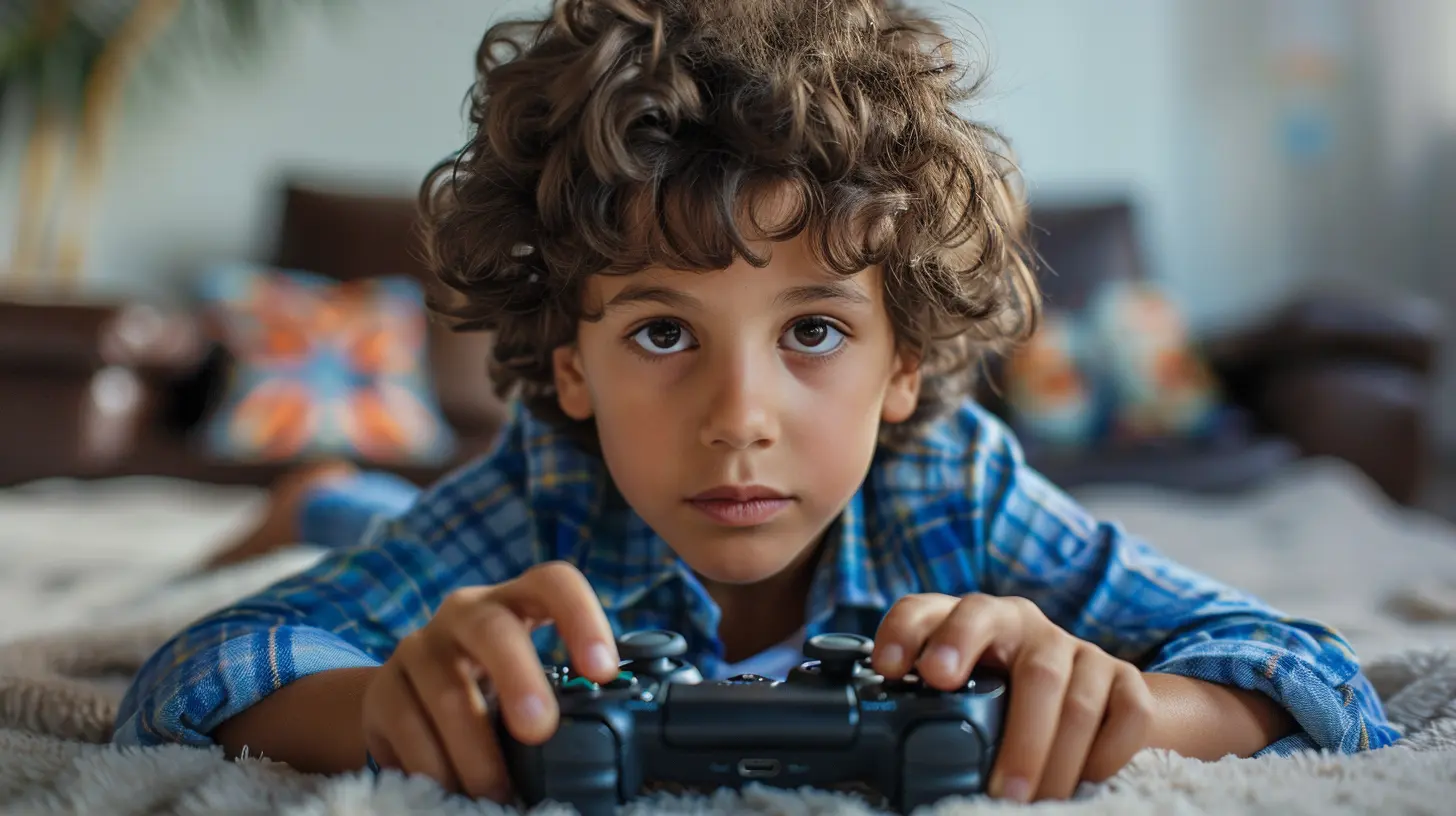
Tips for Parents: Making the Most of Game Time
You might be wondering, “How do I make sure my child’s game time is actually helping, not hurting?” Great question! Here’s how to make game time more intentional:1. Play With Your Kid
Join the fun! When you play together, you get to model emotional regulation yourself. If you lose gracefully or stay calm under pressure, chances are your child will mirror that behavior.2. Talk It Out
After a game session, have a little chat. Ask how they felt when they lost a level or if they felt proud when they finally won. Reflecting on emotions helps them better understand and label what they’re experiencing.3. Set Reasonable Limits
Too much of anything is a bad thing—yep, even the good stuff. Set boundaries on screen time and encourage variety in the types of games your child engages with.4. Pick Age-Appropriate Games
Make sure the games they’re playing are suitable for their emotional maturity. Avoid excessively violent or stressful games for younger kids. ESRB ratings can be super helpful here.5. Encourage Emotional Check-Ins
Every now and then, pause the game and ask, “How are you feeling right now?” It might seem silly at first, but helping kids recognize their feelings in the moment is a huge step toward emotional intelligence.When Games Could Backfire (And How to Avoid It)
Let’s keep it real for a second—games aren’t always sunshine and rainbows. Sometimes, they can lead to frustration, tantrums, or even addiction. But don’t panic. Most of these issues can be avoided with mindful gaming habits.If your child tends to get overly upset or aggressive after gaming sessions, it might be a sign they need help processing their emotions. Use that as a teaching moment, not a punishment. Help them understand that feelings are normal, and that it’s okay to feel upset—it’s what we do after that matters.
Also, check that the game’s difficulty is appropriate. Too hard? It might lead to stress. Too easy? They might get bored and act out.
Keep an open dialogue, and always encourage balance—just like you would with food, sleep, or exercise.
Real-Life Testimonials: Parents Share Their Stories
Still on the fence about games and emotional growth? Let these real-life stories speak for themselves:?️ “My son used to throw the controller whenever he lost. But after months of playing co-op games with his sister, he’s learned to talk it out instead. It’s been a night-and-day change.” – Emma, mom of two.
?️ “I noticed my daughter started comforting her in-game characters when they were sad or scared. That empathy has spilled over into real life—she’s more sensitive to other kids’ feelings now.” – David, proud dad.
?️ “My 8-year-old used to be super impulsive. But puzzle games taught him to pause and think before acting. It’s helped him in school too!” – Sarah, mom and gamer
These aren’t isolated cases. More and more families are seeing the benefits of mindful gaming.
Wrapping It Up: Playtime With Purpose
So, here’s the deal: games aren’t just digital distractions. They’re emotional playgrounds. They challenge kids, frustrate them, delight them—and in the process, help them grow.When kids game, they’re doing more than dodging obstacles or building worlds. They’re learning patience, resilience, empathy, and emotional control—skills that last far beyond the screen.
So next time your kid’s knee-deep in their favorite game, take a second to look past the pixels. You might just see a little emotional ninja in the making.
all images in this post were generated using AI tools
Category:
Educational Value Of GamesAuthor:

Leif Coleman
Discussion
rate this article
2 comments
Oliver Morrow
Who knew leveling up in video games could translate to leveling up in life? Kids get emotional training while having fun. Talk about multitasking! Let the games begin, or rather, let the growth begin!
May 28, 2026 at 3:27 AM
Leif Coleman
Absolutely! Games provide a unique platform for kids to experience challenges and develop emotional skills while having fun. It's impressive how play can lead to real growth.
Vesper Daniels
Games offer a unique platform for children to experience and manage emotions in real-time. By navigating challenges and setbacks, kids learn coping strategies that can translate into real-life situations, fostering resilience and emotional intelligence.
May 8, 2026 at 4:41 AM
Leif Coleman
Absolutely! Games provide a safe space for kids to face emotions and challenges, helping them build important skills for real life. It's fascinating how play can be a powerful teacher.