How Mods Have Extended the Life of Classic Games
8 August 2026
Let’s be honest – games aren’t what they used to be. Sure, we’ve got jaw-dropping graphics and mind-blowing physics today, but there’s just something magical about classic games from the late '90s and early 2000s. Whether it’s the nostalgia, the simplicity, or the sheer amount of time we poured into them, they’ve carved a permanent place in our hearts.
But here's the thing: classic games should have faded away, lost in the ever-evolving world of tech and short attention spans. And yet, many of them are still alive, still kicking, and in some cases, better than ever.
How? One word: mods.
Let’s dive into how mods have worked their magic to keep old games relevant—even decades after their initial release.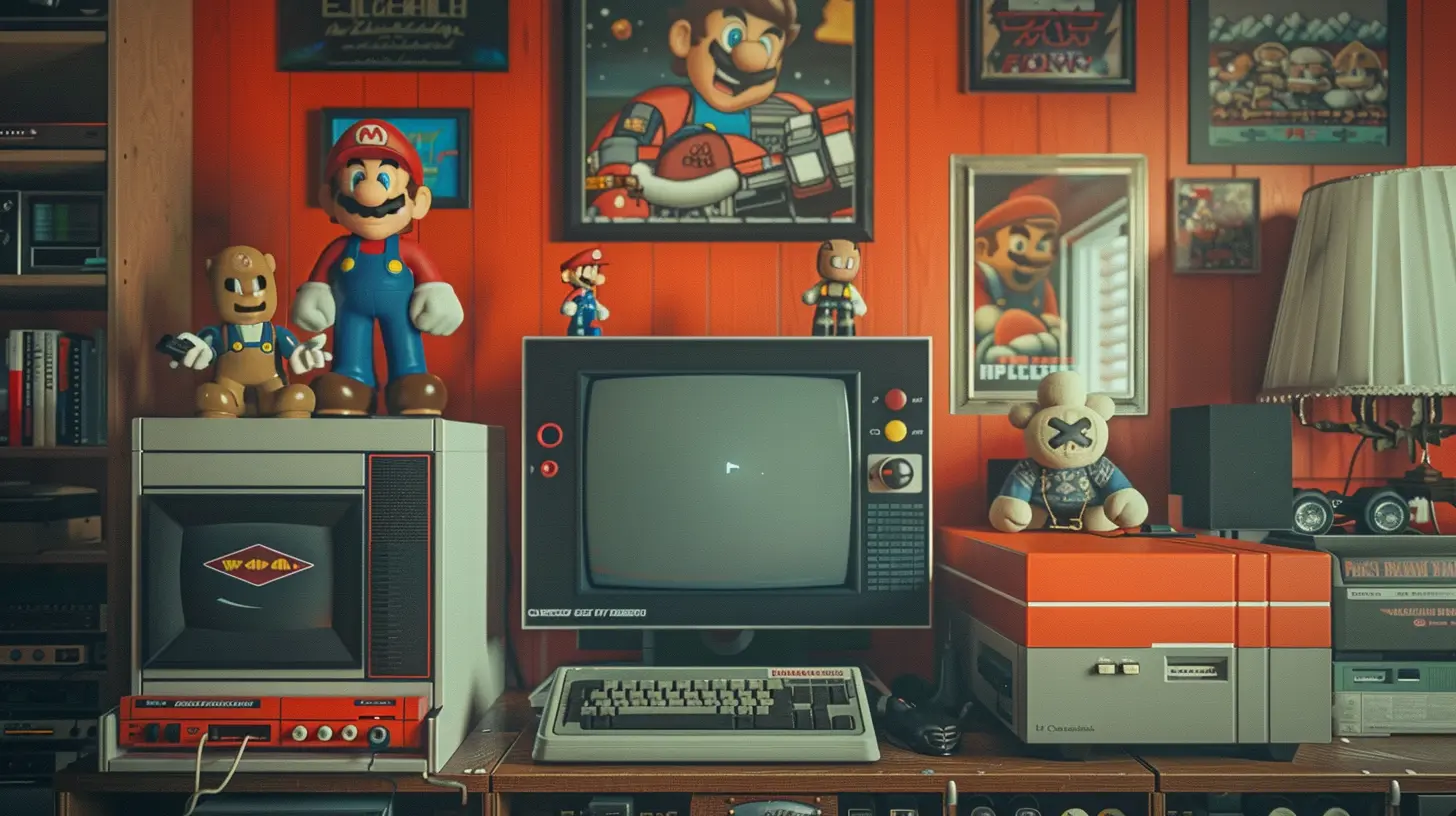
What Exactly Are Mods?
Before we go full geek mode, let’s define what we’re dealing with.The term mod is short for modification. In gaming, it refers to any user-created changes made to a game. It could be as simple as a new skin or as complicated as a total overhaul of the game’s mechanics or story. Mods can be cosmetic, functional, or completely transformative.
In layman's terms? Mods are like giving your old car a new paint job, a brand new engine, and maybe even a rocket launcher. Why not?
The Birth of Game Modding
Game modding has been around longer than most people think. Back in the ‘90s, developers started releasing toolkits and level editors, allowing players to tinker with game files. One of the earliest and most iconic examples is Doom (1993), which had an insanely active modding community even before most of us had dial-up internet.From there, it spiraled. Games like Half-Life, The Elder Scrolls III: Morrowind, and Baldur’s Gate II became cult classics not just because of their base gameplay, but because of the endless mods made by passionate players.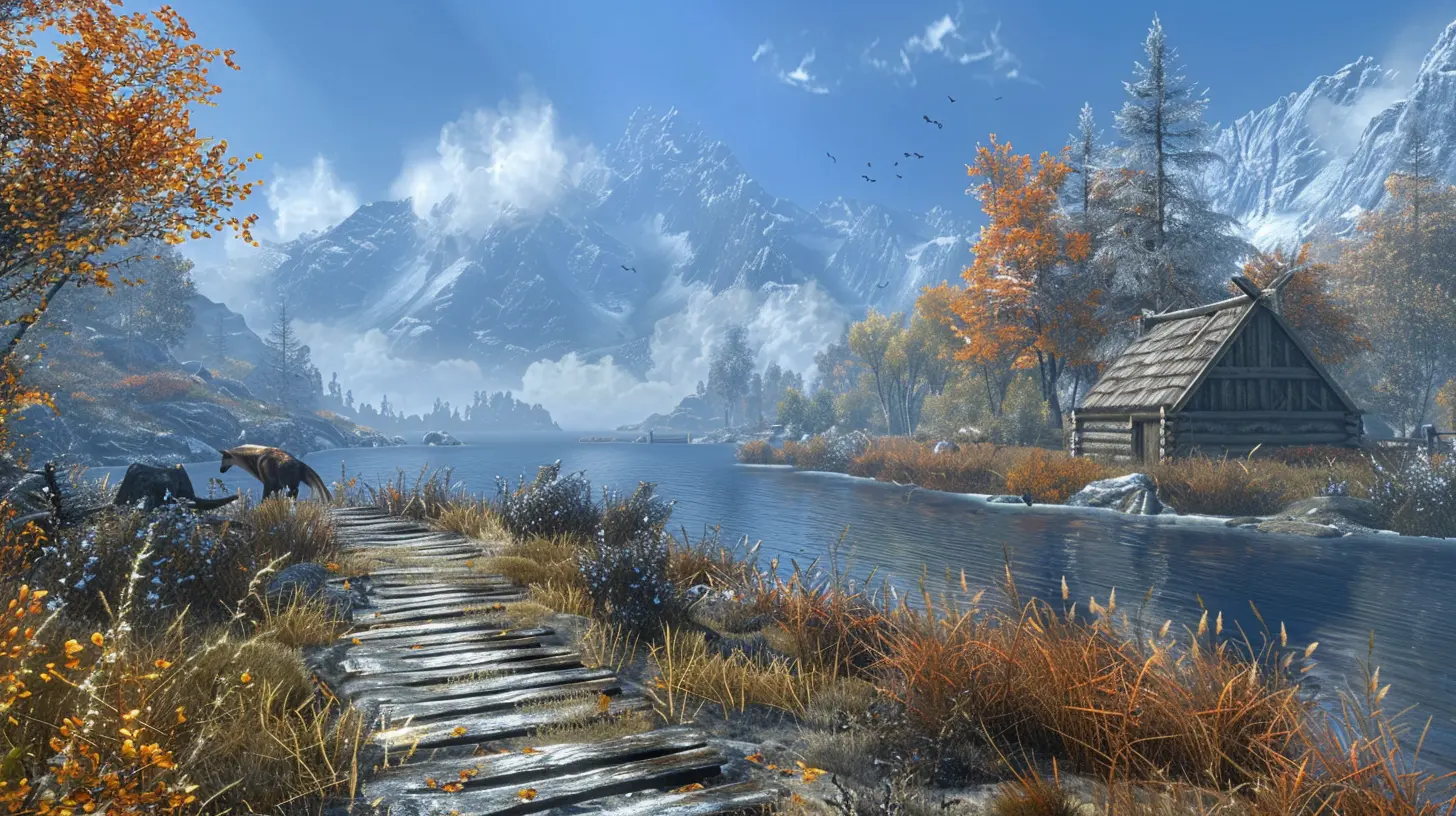
Why Mods Are A Big Deal
Now, you might be wondering: Is this just about slapping some new character skins on old games?Nope. Mods go way beyond that.
1. Mods Keep Games Fresh
Mods breathe new life into classic titles by fixing bugs, updating graphics, or even reworking the gameplay entirely. They make old games feel… well, not so old.
Take Skyrim, for example. Even though it came out in 2011, modding has kept it alive for over a decade, with modders enhancing visuals, expanding stories, and even turning it into something completely different (Skyrim in space? Yep, someone did that).
2. They Fix What Devs Never Did
Sometimes, developers move on and leave games in a buggy mess. That’s where the modding community steps in. They patch things up, optimize performance, and create quality-of-life improvements that devs never got around to.Vampire: The Masquerade – Bloodlines was almost unplayable at launch. But thanks to community-made patches and mods, it’s now a cult favorite with a very active fanbase.
3. They Expand the Story and Universe
Mods often add entire new quests, characters, and lore to existing games. In some cases, the result is so well-made that it feels like official DLC.Try the Enderal mod for Skyrim. It's a full-blown RPG with its own world, mechanics, and storyline. Basically a new game riding on Skyrim’s bones.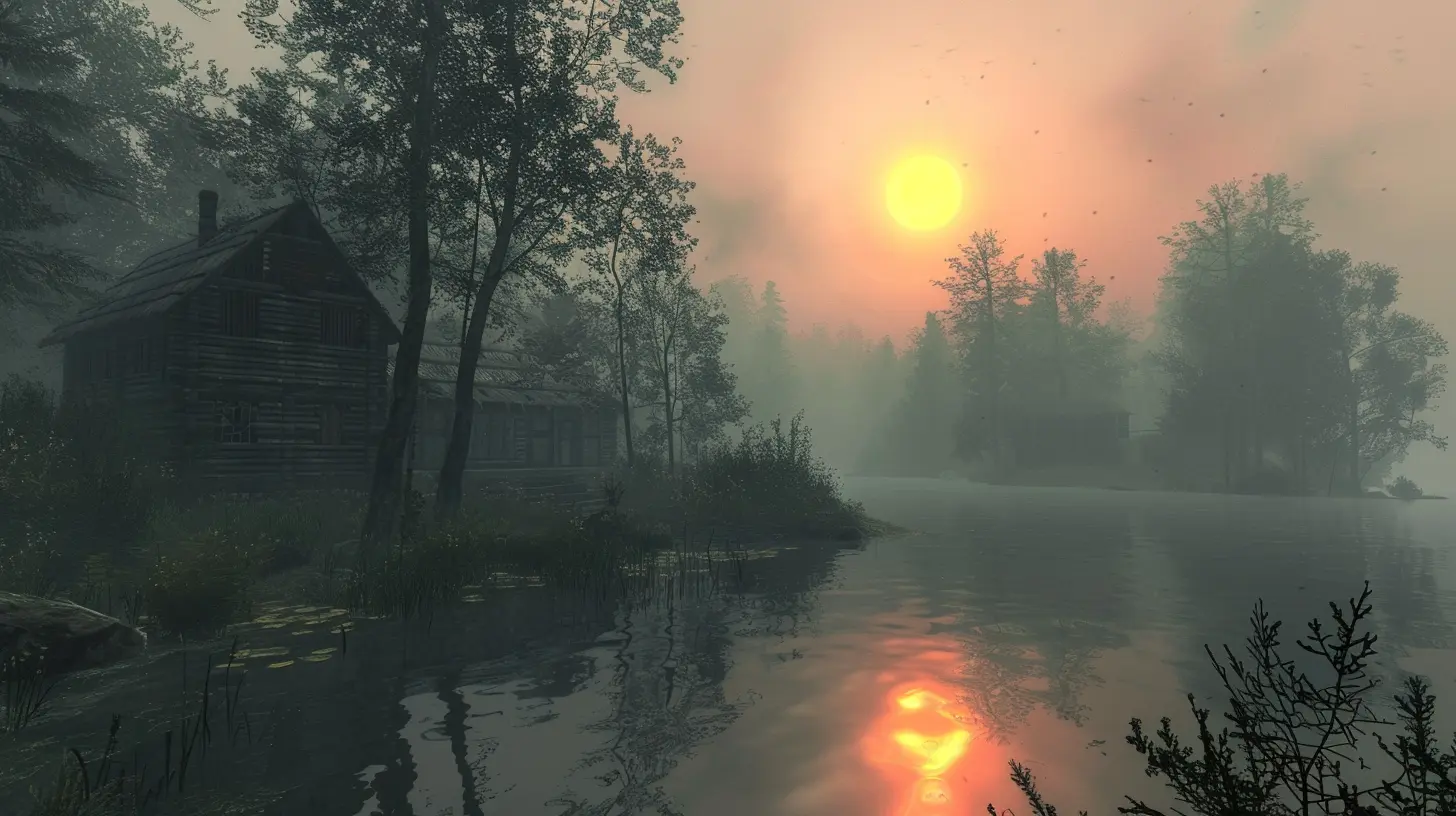
Examples of Games Resurrected by Mods
Let’s talk specifics. Some classic games owe their long lifespans almost entirely to mods.? Doom (1993)
Still rocking over 30 years later, the Doom community is thriving. There are thousands of mods, from graphic overhauls to entirely new campaigns (some even turn Doom into a brutal survival horror or a cartoony platformer). It’s like Doom is a never-ending mixtape of awesome.? The Elder Scrolls III: Morrowind
Morrowind is a masterpiece, but it’s, uh, rough around the edges. Mods have completely modernized the game with better graphics, new animations, and even voiceovers. Want to play it in 4K with ray tracing in 2024? You totally can, thanks to mods like OpenMW and Morrowind Overhaul.?️ Vampire: The Masquerade – Bloodlines
Buggy? Yes. Broken? Definitely. Worth saving? Absolutely.The fan-made Unofficial Patch has saved this game from obscurity, fixing thousands of bugs and making it completely playable. On top of that, there are narrative expansion mods that add new layers to the already intriguing story.
? Civilization Series
Civ games have always attracted modders, but Civilization IV and V became sandboxes for creating entire new rule sets, maps, and even fantasy or sci-fi total conversions. Ever wanted to unite Middle-Earth or rule Westeros? Mods say yes.? Mount & Blade: Warband
From medieval sim to Game of Thrones re-creation, mods like A Clash of Kings and Prophecy of Pendor turned Warband into a platform for hundreds of different experiences. It’s not just a game anymore; it’s a genre.Modding Communities: The Real MVPs
None of this magic would happen without the people behind the mods. Modding communities are filled with dedicated, passionate, often unpaid creators who spend weeks, months, or even years building something purely out of love for the game.Sites like Nexus Mods, Mod DB, and even Reddit have become hubs for these unsung heroes. These communities help with troubleshooting, testing, feedback, and sometimes even form teams to work on massive projects.
Let’s be real—modders are the reason some games still exist in our Steam libraries today.
When Mods Go Mainstream
At some point, it became impossible for developers to ignore this underground scene. In recent years, more game devs have leaned into modding by offering official tools and support.Bethesda basically builds their games around modding now. Games like Skyrim and Fallout 4 come with built-in creation kits to make the process easier. Some mods even get official recognition or become part of re-releases.
Heard of Counter-Strike? It was a mod.
DOTA? Started as a Warcraft III mod.
PUBG? Arma 2 mod.
Mods don’t just add spice—they sometimes create entire new dishes.
Are Mods Always a Good Thing?
Let’s keep it real—mods aren’t all sunshine and rainbows.- ? Some mods break games or cause issues with updates.
- ? Not all mods are beginner-friendly; installing them can be a headache.
- ? Multiplayer games can get messy with unofficial mod use (hello, cheaters).
- ? And yes, some mod content is… let’s just say “questionable.”
But honestly? These are small hiccups compared to the massive upside. The modding community usually steps in with better tutorials, mod managers, and compatibility patches to iron things out.
What Keeps Modding Alive?
A few key ingredients make the modding magic possible:- Open-minded developers – The more devs support modding, the easier it is to keep the game alive.
- Access to tools – Editors, SDKs (Software Development Kits), or even just game files being open to tweaks help a lot.
- A passionate fanbase – Mods thrive in communities full of people who really love the game.
Put all that together, and you have a recipe for timeless longevity.
The Future of Modding and Classic Games
So, what does the road ahead look like?Games are getting more complex, and so are the tools needed to mod them. Some newer games are closed ecosystems, making it harder for modders to tinker. But on the flip side, there's a rise in early modding support and even games being designed with modding in mind.
We’re even seeing Kickstarter games fully embracing modding to extend their life span right out of the gate. And as long as there’s a community pushing for it, modding isn’t going anywhere.
In a weird way, mods are like digital archaeology mixed with art—preserving, restoring, and reimagining games we love.
Final Thoughts: Mods Are the Secret Sauce
Mods have turned fading classics into evergreen experiences. They’ve saved broken games, revived abandoned titles, and taken our favorite worlds in bold, new directions. It’s no exaggeration to say that without mods, the history of gaming would look very different.So next time you boot up a 20-year-old game and it somehow looks stunning in 4K with modern gameplay mechanics, tip your hat to the modders. They’re the unpaid heroes keeping your gaming past alive in the present.
Keep modding, keep gaming, and most of all – keep those classics alive.
all images in this post were generated using AI tools
Category:
Game ModsAuthor:

Leif Coleman
Discussion
rate this article
1 comments
Bryce Gates
Great read! It's amazing how mods breathe new life into classic games, allowing both old fans and new players to experience them in fresh ways. The creativity of the modding community truly shows the lasting power and impact of these beloved titles.
August 16, 2026 at 3:29 PM
Leif Coleman
Thanks for your thoughts! The creativity in modding really does keep these classics alive for everyone to enjoy.