How Multiplayer Games Teach Conflict Resolution
30 September 2026
Have you ever found yourself yelling at your screen during an online match, only to cool off five minutes later and strategize with the very same teammate you were just annoyed with? That’s not just about being a gamer – that’s real-time conflict resolution happening under the radar.
Gaming, particularly in multiplayer formats, isn’t just about racking up kills, scoring goals, or completing objectives. When you look a little deeper, multiplayer games are microcosms of society. They throw people from different backgrounds, cultures, and age groups into a digital arena where communication, collaboration, and yes – conflict – are inevitable. But here's the twist: these games also provide the tools and environment to resolve those conflicts.
In this article, we’ll break down how multiplayer games actively teach conflict resolution, often without players even realizing it. Whether you're a casual gamer, a parent wondering what your kid is learning through Fortnite, or just curious about the hidden benefits of digital play, this one’s for you.
Table of Contents
1. Conflict in Games: It’s Not Just About Winning2. The Social Playground: Where Problems Arise
3. The Role of Communication in Defusing Tension
4. Team Dynamics and Emotional Intelligence
5. Adaptability: The Ultimate Conflict-Resolution Tool
6. Leadership Emerges from Chaos
7. Learning Through Failure (and Respawns)
8. Toxicity vs. Constructive Feedback: What Games Teach Us
9. Games That Shine in Teaching Conflict Resolution
10. Final Thoughts: Not Just Games, But Growth
Conflict in Games: It’s Not Just About Winning
Let’s get one thing straight – conflict in games isn’t always bad. In fact, it's kind of built in. When you’re competing against others or even working with a team toward a common goal, opposing viewpoints, strategies, and communication styles are bound to clash. And guess what? That’s completely normal.Think about it: how often have you disagreed with a teammate about which path to take, which weapon to use, or which enemy to focus on first? These moments, while seemingly minor, are real interactions that reflect our everyday conflicts in life – whether at school, work, or home.
The key difference in games? You’re forced to deal with it then and there if you want to win. There’s no time to hold grudges in a round of Valorant or League of Legends. You'll quickly learn that hugging your ego instead of fixing the problem only leads to defeat.
The Social Playground: Where Problems Arise
Online games are more than just digital combat zones – they’re social playgrounds. With games like Fortnite, Apex Legends, Rocket League, and Overwatch, you're constantly engaging with other players. This interaction is fertile ground for conflict.Let’s say you’re in a squad match and one of your teammates goes rogue or bails in the middle of a fight. Frustration kicks in, right? Now you’ve got choices: rage quit, lash out in voice chat, or... figure things out.
In game terms, this might mean adapting your strategy, reassigning roles, or simply having a calm conversation. It’s basic, but it’s powerful. Every time you're faced with a frustrating player or a tough situation and you work through it, you’re sharpening your conflict resolution skills like a sword in a whetstone.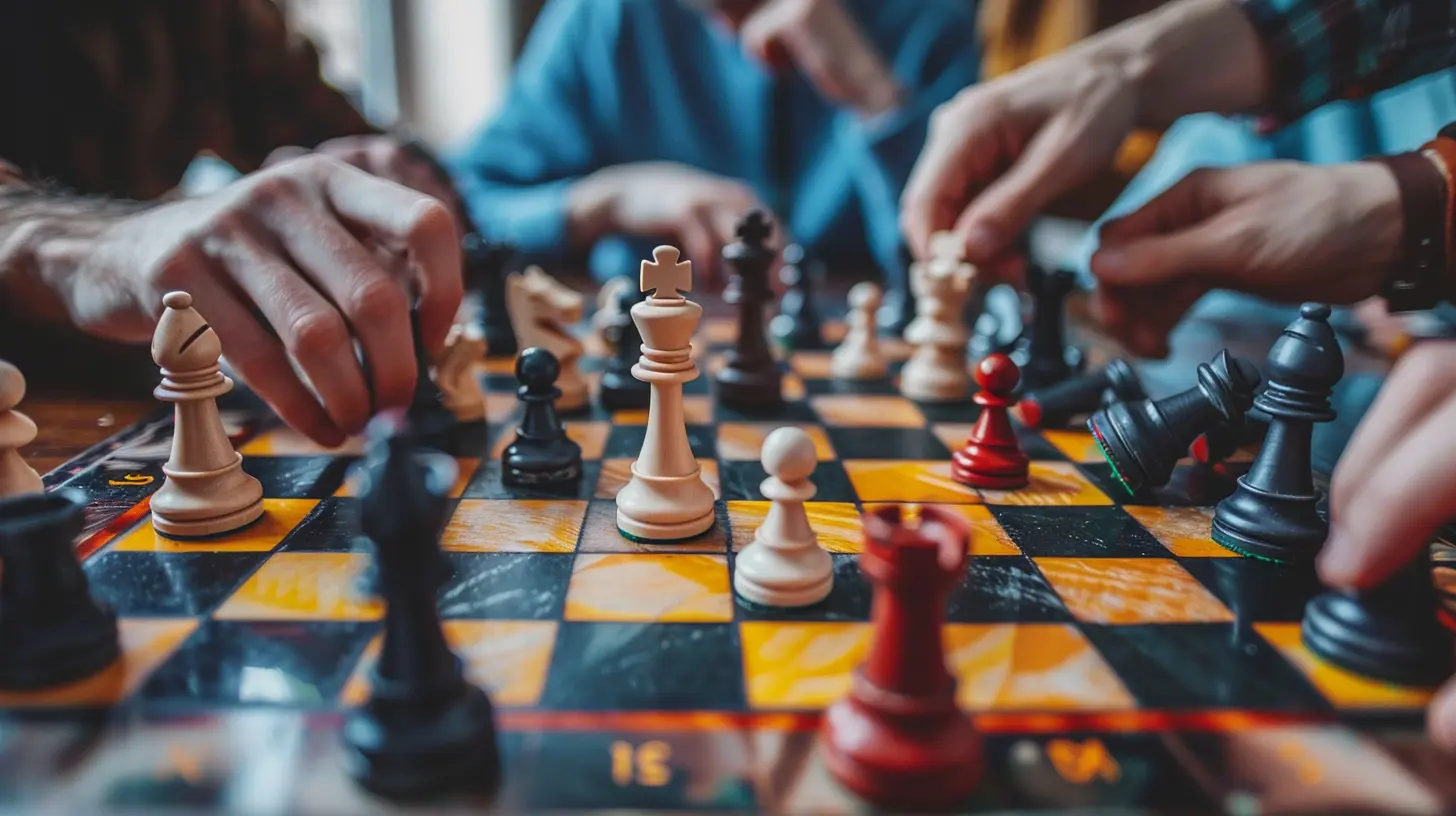
The Role of Communication in Defusing Tension
Ever heard the saying, “Communication is key”? In multiplayer games, that’s gospel.Voice chat, pings, text messages – they’re more than in-game features. They're tools for conflict management. Imagine playing a tactical game like Rainbow Six Siege where coordination is crucial. One player miscommunicates, and boom, it’s game over. On the flip side, when everyone’s on the same page – even if they started off frustrated – it feels like a well-oiled machine.
These games teach players to communicate clearly and effectively under pressure. You learn to speak up when needed and shut up when it’s someone else’s turn to lead. That's not just game talk – that's a skill people pay for in workshops and corporate training programs.
Team Dynamics and Emotional Intelligence
Playing with a team is about more than just passing the ball or covering your teammate. It requires reading the room – or, in this case, the squad. Emotional intelligence plays a massive role in how players handle frustration, loss, or miscommunication.Let’s take something like a clan war in Clash of Clans. If someone forgets to attack or makes a bad play, emotions can run high. Team leaders who respond with empathy rather than criticism often see better results. Why? Because kindness encourages growth, while blame shuts the conversation down.
Multiplayer games often reward players who can manage their own emotions and help others do the same. These are the kinds of real-world skills that lead to successful relationships and careers.
Adaptability: The Ultimate Conflict-Resolution Tool
Conflict often calls for one thing: adaptability. And games train that like nothing else.You might start a match with a solid strategy, only to have it blow up in your face two minutes later. What do good players do? They adapt. They switch roles, alter tactics, maybe even take one for the team. That’s conflict resolution in its rawest form – pivoting fast and letting go of the original plan for the greater good.
In multiplayer games, adaptability often separates the good from the great. It’s not about being right all the time; it’s about adjusting when the situation demands it. That's a lesson employers, teams, and personal relationships value more than most up-front skills.
Leadership Emerges from Chaos
Ever noticed how leaders naturally rise up in multiplayer games? One moment you're arguing about how to take out the boss; the next, someone calmly gives direction and everyone listens. Conflict creates a vacuum, and leadership fills it.True leadership in games means making decisions quickly, keeping the team calm, and maintaining focus – especially when things are about to go south. And you don't need to be the most skilled player to take on that role; you just need a level head and a team-focused mindset.
When players take on these leadership roles, even temporarily, they're practicing conflict mediation, strategic thinking, and emotional regulation – all while trying to stay alive in-game.
Learning Through Failure (and Respawns)
Let’s be honest – you’re going to fail. A lot. But with failure comes growth.One of the most powerful aspects of multiplayer games is how they normalize failure. You lose matches, you mess up strategies, you upset teammates. But then – you try again. You learn. You improve.
This trial-and-error process is key in conflict resolution. You begin to recognize what types of reactions escalate situations and which ones defuse them. You start noticing patterns in behavior, both your own and others’. That’s how personal growth happens – through reflection and iteration.
Games show you that getting it wrong isn't the end of the world – it’s just another chance to get better.
Toxicity vs. Constructive Feedback: What Games Teach Us
Let’s not sugarcoat it – gamers can be toxic. But that environment also teaches players how to separate destructive behavior from constructive criticism.When you're called out in-game for a bad play, it's easy to get defensive. But over time, experienced players learn to filter the noise. They start valuing useful feedback over rage-filled rants. They start offering advice instead of insults.
The more you're exposed to this, the better you get at recognizing what helps and what harms in a conflict. That’s emotional maturity 101, and while many adults struggle with it, gamers are getting hands-on practice every single match.
Games That Shine in Teaching Conflict Resolution
Some multiplayer games seem almost designed for teaching conflict resolution. Here are a few standout titles where those skills are front and center:- Overcooked 2 – This chaotic kitchen sim forces players to work together under pressure, making communication and strategy essential.
- Among Us – Deals with deception, trust, and negotiation like no other. Perfect for practicing calm discussions in high-stress situations.
- League of Legends – Known for toxicity, but also teamwork. Players have to adapt, communicate, and rely on shifting team dynamics.
- Minecraft (Multiplayer/Servers) – Collaboration on builds, problem-solving, and sometimes drama over resources teaches diplomacy and shared goals.
- Fortnite (Squads) – Fast-paced decision-making and teamwork make for a great sandbox of conflict and resolution alike.
Final Thoughts: Not Just Games, But Growth
Multiplayer games aren't just entertainment anymore – they’re low-key social labs. They test our patience, challenge our communication, and push us to grow in unexpected ways. When things go wrong (and they will), it’s the way you respond that determines how far you'll go – both in-game and in real life.So next time you're in a heated match, take a step back. Ask yourself: “What am I learning here?” Because whether you're diffusing tension, adapting strategies, or leading the squad, you’re not just playing – you're evolving.
all images in this post were generated using AI tools
Category:
Educational Value Of GamesAuthor:

Leif Coleman