How to Authenticate Sealed Games Like a Pro
29 January 2026
Ever stumbled upon a sealed retro game at a garage sale or hidden away on eBay and thought you struck gold? The plastic wrap is pristine, the sticker’s shining, everything looks real. But is it? That’s the million-dollar question. In today’s collector’s market, especially with retro games skyrocketing in value, knowing how to authenticate sealed games like a pro is more important than ever.
Before you throw down hundreds—or thousands—on a sealed copy of Pokémon Blue or Chrono Trigger, take a deep breath and arm yourself with knowledge. In this guide, we’ll walk through how to sniff out the fakes, spot legit factory seals, and level up your game-collecting skills.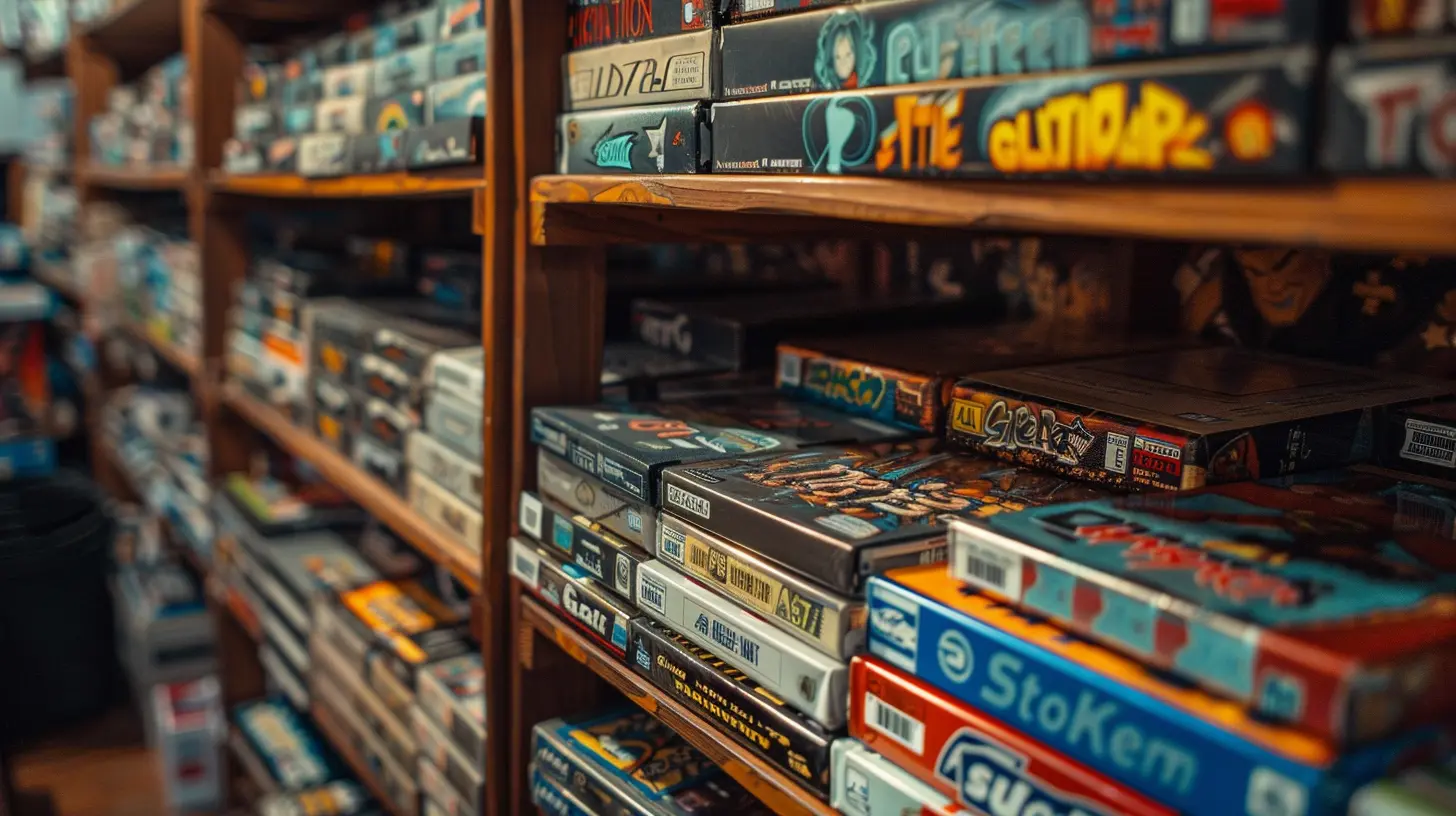
Why Sealed Game Authentication Matters
Let’s start with the “why.” Why should you even care about game authentication?Simple. Fakes are everywhere.
As video games become collectibles, scammers are getting sneakier. They’re heat-sealing modern shrink wrap on old boxes, printing counterfeit labels, and even mimicking factory stamps. One wrong judgment call, and you could be out serious cash—with nothing but a worthless bootleg on your shelf.
Think of it like this: buying sealed games without authentication knowledge is like skydiving without checking your parachute. Risky? Extremely.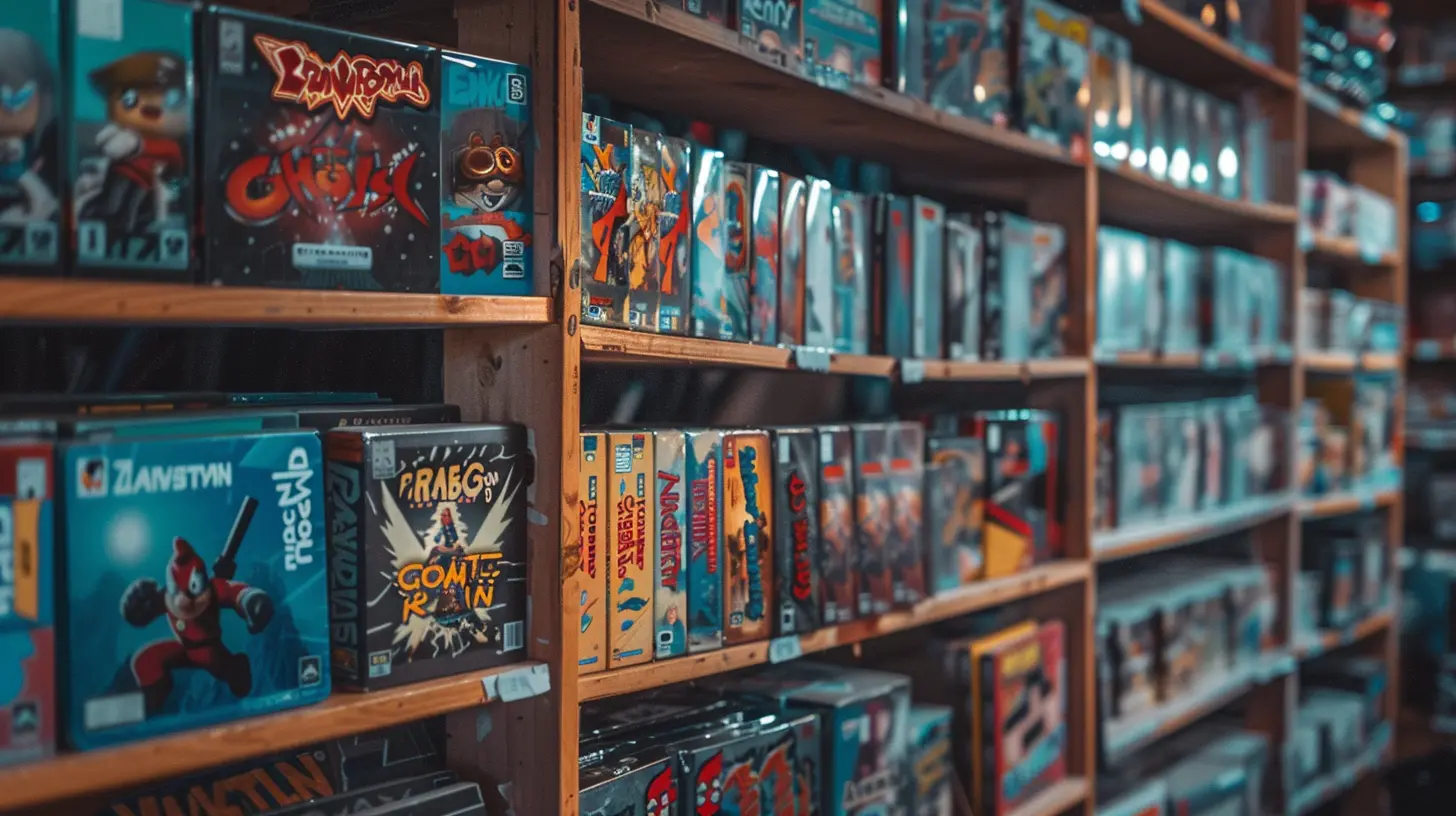
First Things First: Know Your Sealed Game Types
Not all sealed games are created equal. In fact, different consoles, publishers, and even regions used different packaging styles. If you want to get real good at spotting the real deal, you’ve got to know what you're looking at.1. H-Seam Wrap
This is the holy grail of factory seals, especially on vintage Nintendo games. The plastic wrap on the back of the box will have an “H” or “cross” shaped seam—horizontal with a vertical strip down the center. It’s done by specialized wrapping machines and is tough to fake convincingly.You’ll usually spot H-seam wraps on:
- NES
- SNES
- N64
- Some Game Boy titles
2. Y-Fold Seal
More common on modern games, Y-folds are when the cellophane is folded tightly into triangles at the top and bottom of the packaging.You’ll see Y-folds on:
- PlayStation (PS1 and newer)
- Xbox titles
- PC games
3. Tear Strips and Holograms
Some games come with a tear strip embedded in the plastic wrap—usually a red or black line—that allows the seal to be opened without a knife. Others might feature security holograms.These details can vary based on region and year, so research is key.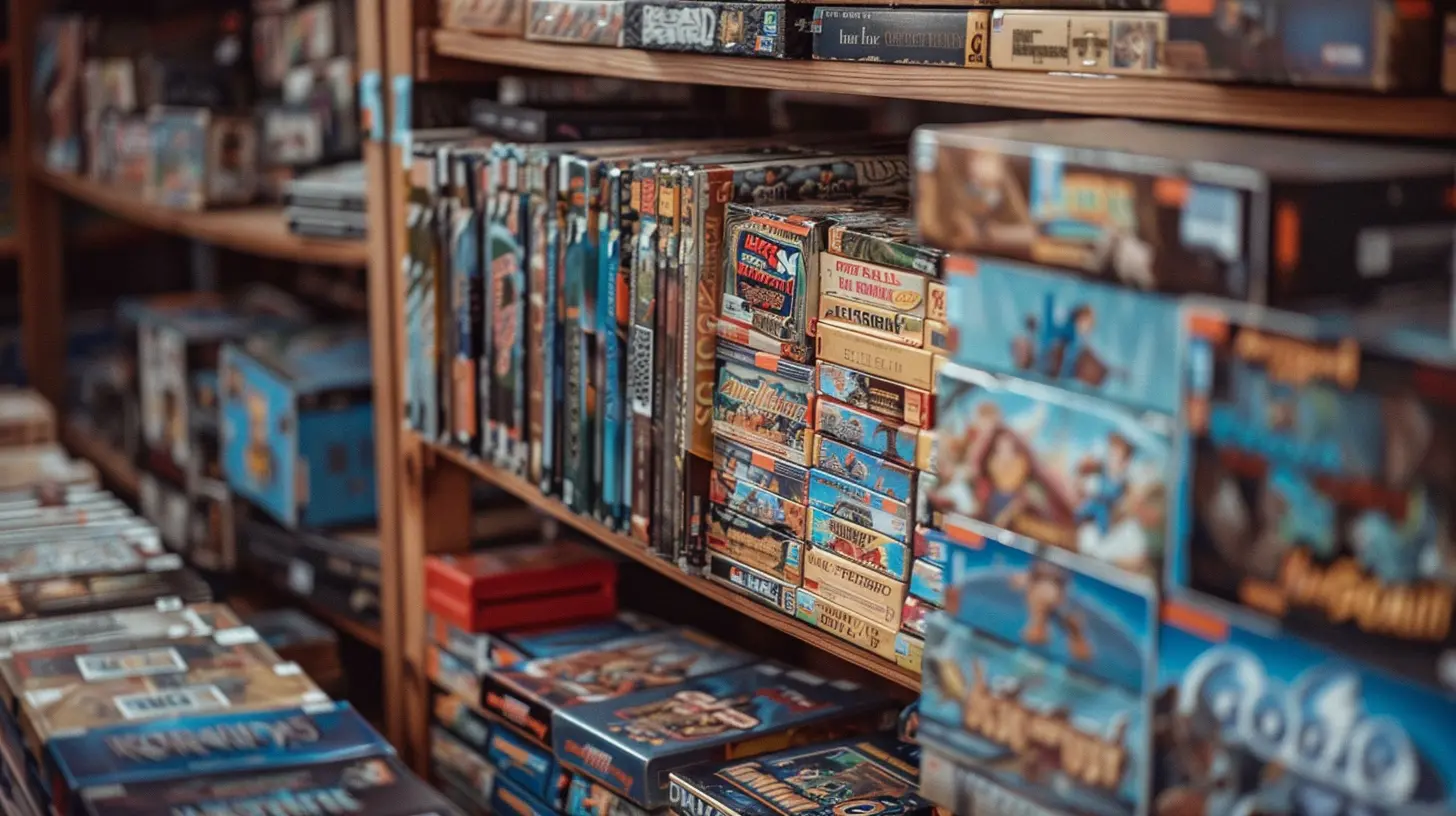
The Visual Test – What to Look For on Sight
Alright, let’s break down what you should be really looking at when you hold a sealed game in your hands (or scroll through pictures online).1. Check the Shrink Wrap
Look for:- Consistent, tight wrapping
- Minimal air bubbles or sagging
- No glue marks or re-seal lines
Fake shrink wrap tends to be loose or uneven, and the seams may be completely off compared to the original manufacturer’s process.
2. Box Condition
This one might seem counterintuitive, but a too-perfect box can be a red flag. If the box is minty fresh but the seal looks inconsistent or aged, that’s a mismatch.Legit, decades-old games often show subtle aging—even sealed. Think: slight fading, minor corner wear, or small dings under the plastic.
3. Seal Stickers & Logos
Some games—especially from companies like Nintendo or Sega—used official seal stickers. These might include:- Nintendo Seal of Quality
- Official PlayStation Logos
- ESRB ratings (they evolved over time, too)
Always make sure those stickers:
- Match the era of the game
- Are centered and not blurry
- Have no pixelation or strange edges
If they look “off,” they probably are.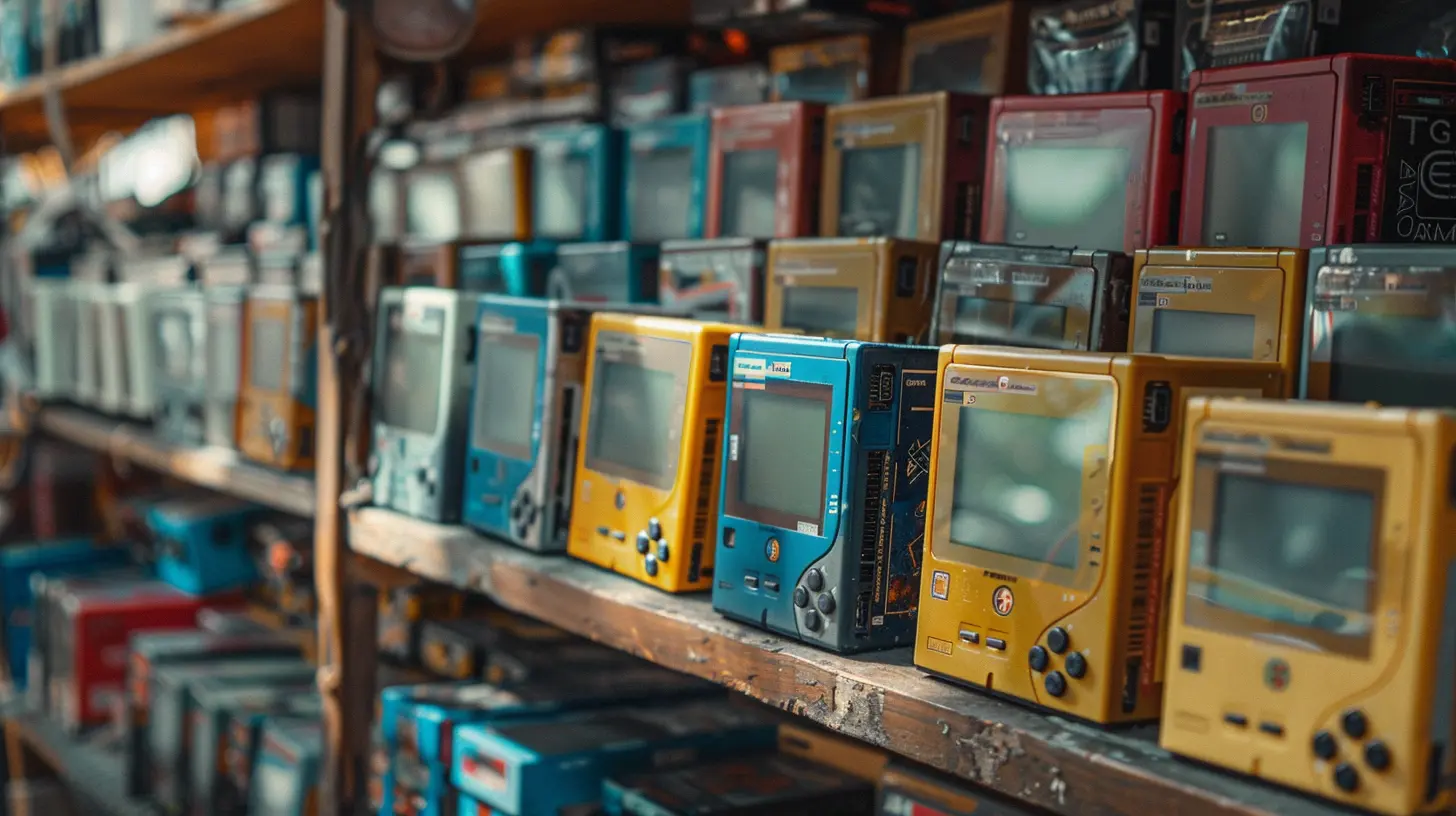
The Touch Test – Feel the Authenticity
If you’ve got the game in hand, your fingers can tell you a lot.- Is the wrap smooth but tight?
- Can you feel seams that are pressed into the plastic and not just taped on?
- Does the plastic crackle like old shrink wrap?
Fake sealed games may use newer plastic that’s smoother, stretchier, or doesn’t crinkle the right way. It’s a subtle difference—but once you’re tuned in, you can spot it blindfolded.
Use a Magnifying Glass – Literally
Yes, really. Dig out that magnifying glass or zoom in on those high-res listing photos because the devil is in the details.Signs to Zoom In On:
- Pixelation or blurry logos- Misprints in text
- Misaligned graphics around the box edge
- Uneven seal edges
Real printed boxes use high-quality printing techniques. Counterfeiters often cut corners—literally and figuratively.
Do Your Label Homework
If you're verifying a sealed cartridge-based game (like NES, SNES, N64), the label itself is where you should focus much of your attention.- Originals have textured, laminated labels
- Colors should be vibrant, not washed out
- Font must match the original down to the kerning
Compare with trusted sources: places like MobyGames, VideoGameSage, or trusted collector communities can be goldmines of reference images.
When in Doubt – Ask the Community
Seriously, don’t just rely on your gut. There’s an army of retro game nerds out there (and we say that lovingly) who live for this sort of thing.Jump into Reddit forums like r/gamecollecting or r/consolecollecting. Upload your photos. Ask questions. Collectors love sharing their knowledge—and flexing it.
You’re not alone in this quest.
Grading Services: Worth It or Not?
You’ve probably seen or heard of WATA or VGA—the grading giants in the game-collecting world. These services will not only authenticate the seal but also assign a grade to the game’s overall condition.Pros:
- Increased resale value
- Assurance and peace of mind
- Legit authentication
Cons:
- It ain’t cheap
- Takes time to ship and process
- Once it’s graded, it’s stuck in that acrylic case
Use these services if you’re dealing with high-value items ($500+) or plan to sell your collection. Otherwise, it might not be worth the hassle.
Beware of Reseals (The Trickiest of All)
Resealed games are original games that someone has re-wrapped to make them appear new. These are the tricksters that will fool even seasoned collectors.Common flags:
- Box wear under the seal
- Non-H-seam wrapping on H-seam era games
- Wrong type of shrink wrap
- Inconsistent sticker placement
In short: if it walks like a duck, but it honks like a goose, it ain’t a duck.
Tips to Avoid Getting Burned
Here are a few quick tips from the trenches:1. Know the seller. Buy from trusted sources—reputation matters.
2. Ask for more pics. Lots of scammers rely on vague, blurry images.
3. Research the SKU and barcode. They should match the region and release.
4. Use PayPal Goods & Services. Avoid getting scammed with untraceable payments.
5. Practice makes perfect. The more games you handle, the sharper your instincts will get.
Final Thoughts: Practice Makes (Almost) Perfect
Look, authenticating sealed games isn't just about being cautious—it's about being passionate. You're preserving a piece of gaming history. Whether it's a sealed Super Mario Bros. from the ‘80s or a recent limited-edition release, they all deserve love and proper care.The more you dig into it, the more your eye will sharpen. It’s like learning to spot a fake painting—over time, you just know when something doesn’t sit right.
So next time you hear that siren’s call of a sealed gem online, pause. Zoom in. Check the seam. And ask yourself: “Would a pro fall for this?”
If the answer is no, congrats—you’re on your way to becoming one.
all images in this post were generated using AI tools
Category:
Game CollectingAuthor:

Leif Coleman
Discussion
rate this article
3 comments
Heather Gates
Unlocking the secrets of sealed games? Sounds like a treasure hunt! With these pro tips, you'll be the Indiana Jones of collectibles in no time—minus the boulder chase, of course!
April 17, 2026 at 4:52 PM
Leif Coleman
Absolutely, it's all about the thrill of the hunt! Just remember, no boulders, just good tips and patience. Happy collecting!
Clara Clayton
Great insights! Understanding the nuances of game authentication is crucial for collectors. Looking forward to more tips on preserving value!
February 5, 2026 at 4:11 AM
Leif Coleman
Thank you! I'm glad you found the insights helpful. Stay tuned for more tips on preserving game value!
Wynter McGowan
Great article! I appreciate the insights on authenticating sealed games. It's essential for collectors to ensure their investments are genuine. Your tips are practical and will surely help many in the community. Keep up the excellent work!
February 1, 2026 at 5:04 PM
Leif Coleman
Thank you for your kind words! I'm glad you found the insights helpful. Happy collecting!