How to Insure Your Game Collection and Why It’s Important
9 August 2026
Let’s face it—your game collection isn’t just a random pile of boxes gathering dust. Whether you’re hoarding retro cartridges, preserving sealed limited editions, or displaying all those collector’s items like trophies, that stack is worth way more than people think. But here’s the real question—what happens if disaster strikes?
Imagine losing your prized collection to fire, flood, theft, or even your dog mistaking EarthBound for a chew toy. Ouch, right?
That’s where insurance comes into play. In this guide, we’ll walk you through exactly how to insure your game collection and why doing so is a must if you want peace of mind. So grab a snack, settle in, and let’s dive deep into protecting your pixelated treasures.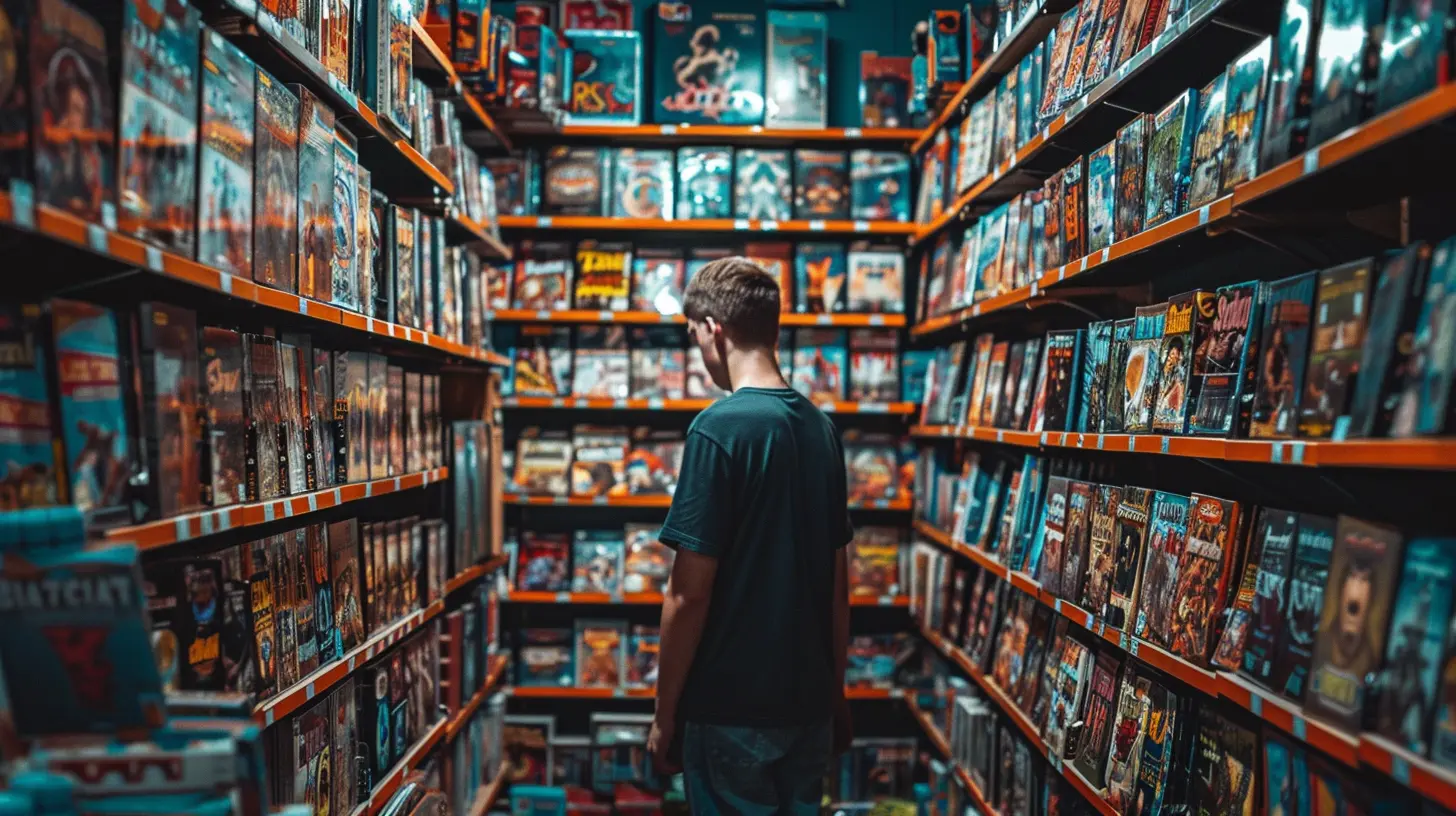
Why Insure Your Game Collection Anyway?
You’ve probably thought, “It’s just a hobby—I don’t need insurance.” But let’s do a quick reality check.The Value Adds Up—Fast
Even if you’re not collecting rare boxed NES titles or mint-condition PS1 games, the cost of your collection over time adds up. A few AAA titles, some consoles, maybe a couple of tasteful collector’s editions… Boom, you’re easily sitting on thousands of dollars’ worth of gaming gear.Disasters Don’t Knock First
It’s not just about theft (though that is a risk). Fires, floods, power surges, or even your toddler “remodeling” your shelf can lead to damage or loss. If you’re not insured, you’re eating every penny of that loss.Many Policies Don’t Cover Collectibles
Standard renter’s or homeowner’s insurance might not automatically protect your collection, especially if it's high in value. Most policies cover general property, but collectibles often need to be listed separately. That’s where game-specific insurance comes into the mix.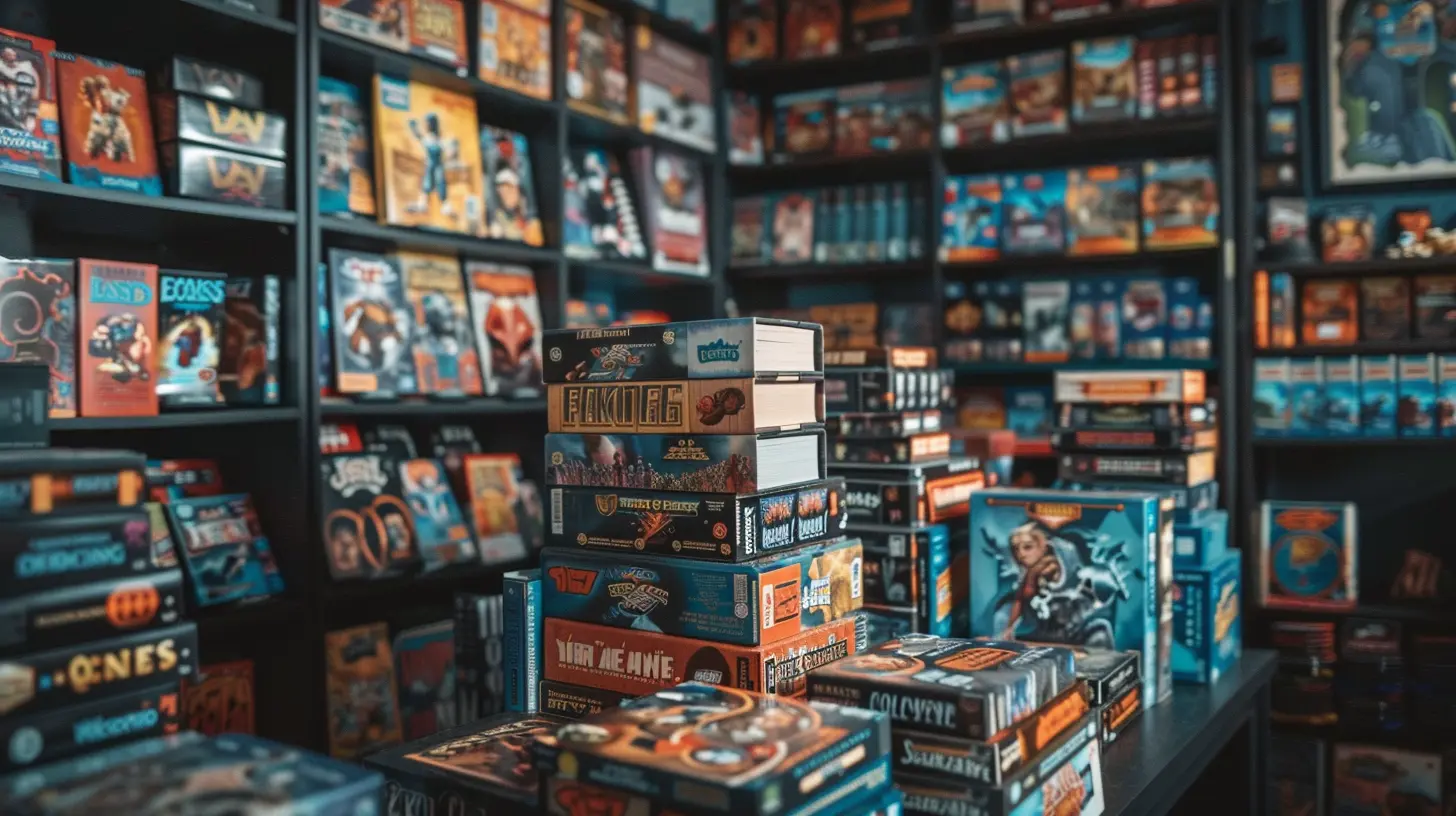
Assessing the Value of Your Collection
Before you can insure it, you’ve got to know its worth. Think of this step as leveling up your collection from casual to serious.1. Inventory Everything
Start by cataloging each item: games, consoles, accessories, limited editions—you name it.Use spreadsheets, or better yet, dedicated apps like:
- CLZ Games
- Gameye
- Collectorz
Make sure you note:
- Title
- Platform
- Release year
- Condition (new, sealed, mint, used)
- Purchase price and current market value
2. Take Photos and Videos
Insurers love proof. Snap clear photos of each item and consider making a video walk-through of your collection. It’s like showing off your loot—but for documentation.3. Know the Market Value
Sites like PriceCharting, eBay completed listings, and collector forums can give you a ballpark idea of how much your games are worth today. Remember—rarity, condition, and demand play huge roles, and markets can shift over time.
Types of Insurance Coverage Available
Let’s break down your main options when it comes to protecting your gaming stash.1. Homeowners or Renters Insurance (with a Twist)
Most of these policies offer general personal property coverage—but here’s the catch: there are often limits on coverage for collectibles or electronics.If your collection is over a few thousand dollars in value, your standard policy likely won't cover it fully. You’ll need to:
- Add a “rider” or “schedule” your collection
- Get it appraised (yep, like artwork or jewelry)
- Pay a slightly extra premium
This method works well if you already have insurance and want to extend coverage cheaply.
2. Specialty Collectibles Insurance
There are companies out there that offer policies specifically for collectibles. These are tailored to cover rare and high-value items and generally offer:- Replacement cost coverage
- Broader protections—accidental damage, theft, flood, fire
- Lower deductibles or even zero-deductible plans
Examples include:
- Collectibles Insurance Services
- American Collectors Insurance
These companies understand that your sealed copy of Chrono Trigger is not just “an old video game.”
How to Get Your Game Collection Insured—Step by Step
Here’s a simple roadmap that makes the entire process way less overwhelming:Step 1: Assess Your Collection’s Value
Like we mentioned earlier, this involves cataloging everything and estimating current market value. The more detailed, the better.Step 2: Decide On the Type of Coverage
Got a small but meaningful collection? A home insurance rider might be enough.But if you’re sitting on a goldmine of mint-condition games or rare imports… you might want a dedicated collectibles policy.
Step 3: Get an Appraisal (Optional but Useful)
Some insurers will require—or at least recommend—a formal appraisal. This typically involves an expert assessing your items and giving you a written value. Yes, it’ll cost a bit, but it can be worth it for peace of mind.Step 4: Choose an Insurer and Get a Quote
Reach out to a few companies, compare their offerings, and ask all the questions:- What's covered? (Water damage? Theft? Accidental drops?)
- What’s the deductible?
- Will they reimburse current market value or purchase price?
Step 5: Store Your Documentation
Keep a backup of:- Your inventory spreadsheet
- Pictures and videos
- Receipts if you still have them
- Your insurance policy details
Pro tip: Store a digital copy in the cloud (like Google Drive or Dropbox) just in case.
Tips to Keep Your Collection Safe (Even Before Insurance Kicks In)
Insurance is your backup plan. But let’s talk defense—how to prevent damage or loss in the first place.Invest in Proper Storage
Shelves are great, but let’s level up:- Use protective plastic sleeves or cases for cartridges/discs
- Keep games away from sunlight and moisture
- Store in a cool, dry room with low humidity
Limit Handling (Especially with Rare Items)
You wouldn’t play fetch with a signed baseball, right? Same goes here. If you’ve got sealed games or delicate boxes, try to handle them minimally and always with clean hands.Get a Surge Protector
Power spikes can fry old consoles faster than a boss fight on Hardcore mode. A good surge protector or even a UPS (uninterruptible power supply) can be a lifesaver.Use Locks and Security
Simple security upgrades can go a long way:- Lockable display cabinets
- Home security systems
- Motion sensors or cameras
The Emotional Value—Beyond the Price Tag
Let’s be real for a second: your game collection isn’t just about what it’s worth in dollars. It’s full of memories—those late-night gaming marathons, nostalgic throwbacks to your childhood, or the satisfaction of finally snagging that rare edition you hunted for years.And while insurance can’t replace the emotional connection, it can soften the financial blow if something goes wrong. That way, you’ll at least have the means to rebuild.
Common Mistakes to Avoid
Alright, let’s quickly cover some rookie mistakes people make when trying to insure their game collections:1. Underestimating Value
A lot of collectors focus on the “big ticket” items and forget the little stuff adds up too. Those $10 games? When you’ve got 200 of them, they matter.2. Not Updating Coverage
Collections grow. What was a $2,000 setup last year might be worth $5,000 today. Update your policy annually to reflect that.3. Assuming Standard Home Insurance is Enough
As we’ve said, most basic policies aren’t built to cover collectibles. Don’t assume—ask your insurer what’s actually covered.Final Thoughts
Insuring your game collection might sound like overkill, but if you care about your games—and let’s be honest, you do—it’s an absolute no-brainer. Whether it’s for financial protection or just peace of mind, taking the time to insure what you’ve built is worth every penny.So, don’t wait until a pipe bursts or someone walks off with your PS5. Take action now, insure your setup, and level up your collector status with confidence.
Because you didn’t spend years building your collection just to lose it all in a heartbeat, right?
all images in this post were generated using AI tools
Category:
Game CollectingAuthor:

Leif Coleman
Discussion
rate this article
1 comments
Zariah McFadden
Great insights! I never thought about insuring games. What tips do you recommend for valuing them?
August 10, 2026 at 3:28 AM
Leif Coleman
Thanks for your comment! When valuing games, consider factors like rarity, condition, and market demand. Research sales trends and compare similar titles to get a good estimate.