How Unreal Engine is Revolutionizing the Gaming Industry
4 September 2026
Let’s be real—gaming isn’t just about smashing buttons and leveling up anymore. It’s become a true form of art, blending mind-blowing graphics, lifelike physics, and insane levels of immersion we never thought possible a decade ago. And at the heart of this gaming revolution? Unreal Engine. Yeah, that bad boy is flipping the script on how games are being made and played.
But what exactly is Unreal Engine doing that's so groundbreaking? Buckle in, because we’re about to dig deep into how this powerhouse of a game engine is reshaping the gaming world from the ground up.
What is Unreal Engine Anyway?
Before we dive into the juicy stuff, let’s break it down for those who might be new to this. Unreal Engine is a game engine developed by Epic Games. Think of it as the foundation or the toolkit developers use to build games, kinda like a digital LEGO set, but on steroids. It’s been around since the '90s and has gone through several iterations—each more powerful than the last.The current version, Unreal Engine 5, is where the real magic happens. It’s packed with features that make game worlds look and feel ridiculously real. You’ll see it powering everything from sprawling RPGs to cinematic storytelling experiences.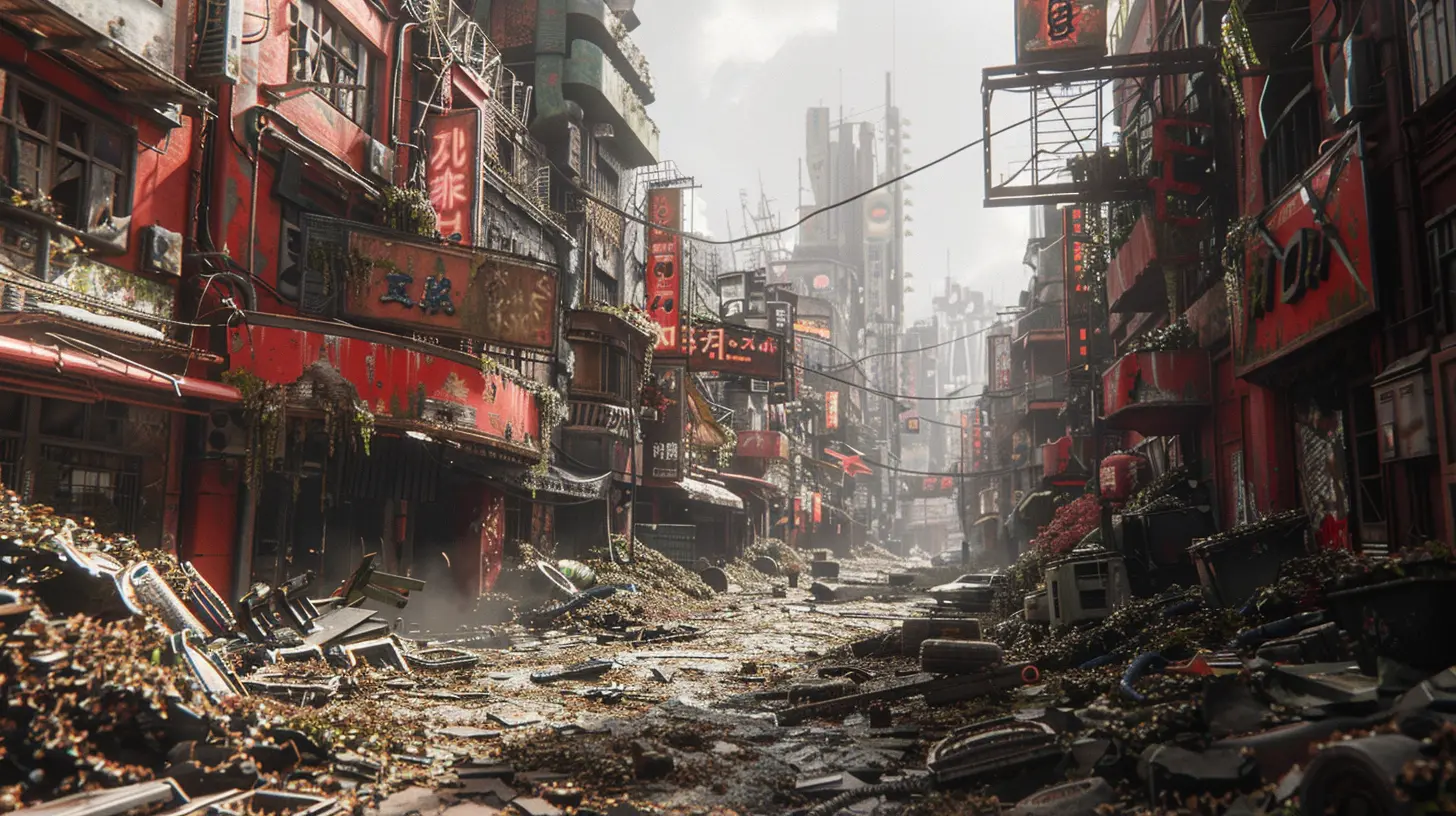
Next-Level Graphics: Welcome to Photorealism
One of the most jaw-dropping upgrades Unreal Engine brings to the table is its visual fidelity. We're talking near-photorealistic graphics that make you squint at the screen because you’re not sure if it’s a game or real life.Nanite: The Star of the Show
Let me introduce you to Nanite, a game-changer for artists and developers. It’s a virtualized geometry system that allows developers to import film-quality assets directly into the game—no need to dumb them down. Imagine putting a high-def sculpture into a game and having it run smoothly. Sounds wild, right?In simple terms, Nanite automatically adjusts detail levels depending on how close players are to an object. So you can have a mountain of detail without crashing your PC.
Lumen: Lighting So Real It’s Unreal
Now pair Nanite with Lumen, Unreal Engine 5’s real-time global illumination solution. That’s a fancy way of saying: lights bounce the way they do in real life. Shadows behave naturally, and colors reflect like they would in the real world.This combo doesn’t just look good—it saves countless hours of development time. Artists don’t have to “fake” lighting anymore or spend days tweaking shadows. The engine figures it out dynamically, on the fly.
It’s A Dream for Developers
Sure, UE5 looks stunning, but it’s not just a pretty face. It’s an absolute blessing on the back end too. Developers—from big studios to solo indie creators—are singing its praises for how much easier it makes game creation.Blueprints: Coding Without the “Code”
Not every game dev is a programming guru, and guess what? Unreal gets that. Enter Blueprints—UE’s visual scripting system. It’s like drag-and-drop programming. You can build entire gameplay systems without writing a single line of code.Think of it like crafting a board game. Instead of drawing complex diagrams, you just grab pieces and connect them to see how they work.
Open Source, Open World
Unreal Engine is open-source. Yeah, you read that right. Developers can dig into the actual source code and tinker with it like a mad scientist in a lab. That kind of flexibility is a godsend, especially when you need a custom solution.This level of accessibility opens doors for everyone—from students to seasoned pros—to build and innovate without being locked behind corporate paywalls.
Indie Developers Are Living Their Dream
You don’t need a million-dollar budget to create a visually stunning game anymore. Unreal Engine is leveling the playing field for indie developers in a big way.Games like Sifu, Kena: Bridge of Spirits, and Bright Memory: Infinite were built on Unreal Engine and look like they came from major studios. That’s the power of democratizing technology.
UE5 gives small teams the ability to compete with industry giants. It’s like handing a DSLR camera to an amateur photographer and watching them create a masterpiece.
Plus, Epic’s business model is super indie-friendly. Developers don’t owe a cent until their game makes over $1 million in revenue. That’s a win if we’ve ever seen one.
Cinematic Storytelling Like Never Before
Gaming has always been about storytelling, but Unreal Engine is taking it to the next level—Hollywood style.Virtual Production Goes Mainstream
UE5 is being used in film and TV too. Shows like “The Mandalorian” used Unreal for virtual sets, and game developers are borrowing the same tools to build interactive, cinematic experiences. That means game cutscenes now rival movie scenes in quality.And you know what’s cooler? All of it happens in real-time. No more rendering for hours just to see how a new camera angle looks.
MetaHuman Creator: Real People, Digital Form
Another gem from the Unreal toolbox is MetaHuman Creator. It’s a cloud-based app that lets artists build lifelike human characters in minutes. The level of detail is freakishly realistic—down to pores and facial micro-expressions.This is a big deal for narrative-driven games where emotional expression matters. Imagine a character crying and you actually feel it. That’s where we’re headed.
It’s Changing How We Play, Too
Let’s not forget us—the players. Unreal Engine isn’t just making development easier; it’s elevating the entire gaming experience for you and me.Ultra-Responsive Worlds
Thanks to Unreal’s physics and AI systems, game worlds feel more alive than ever. Enemies react smarter, environments change dynamically, and gameplay is smoother across the board.You’re not just playing a game—you’re stepping into a living, breathing world. From crumbling ruins to unpredictable weather, everything reacts to what you do.
Cross-Platform Play, Baby!
UE is designed with cross-platform compatibility in mind. Whether you’re a console warrior, a PC purist, or part of the mobile mob, developers can build once and deploy across multiple systems. And yes, that often means cross-play is easier to implement.That’s great news for gamers everywhere who just want to play with friends, regardless of their device.
Unreal Engine and the Metaverse
Ah yes, the buzzword of the decade—Metaverse. Unreal Engine is central to shaping what that virtual world will look like.Because it’s so good at rendering 3D spaces and avatars in real-time, Unreal is already being used to build immersive social platforms, virtual events, and next-gen online worlds. Fortnite? Built on Unreal Engine. And it’s not just a game anymore; it’s a digital concert hall, a movie trailer theater, and a brand marketing space.
We’re not just playing anymore—we’re participating in digital lives.
Education & Training Through Gaming Tech
Beyond entertainment, Unreal Engine is being used in education, architecture, automotive design, and even medical simulations. It’s like a Swiss Army knife for digital creation.Want to train surgeons without risking lives? Fire up a VR simulation in UE. Want to walk through a skyscraper before laying bricks? Unreal’s got you. The skills developers learn in gaming inevitably spill into other industries, and it’s all thanks to game engines like this.
Future-Proof and Always Evolving
The best part? Unreal Engine isn’t standing still. Epic Games constantly updates the engine, bringing new tools, better performance, and more possibilities. Features like “World Partition” make massive open worlds easier to manage, while Chaos physics engine adds realistic destruction and vehicle dynamics.What’s even more exciting is the community. Modders, indie teams, AAA devs—everyone contributes with plugins, tutorials, and feedback. It’s a living ecosystem that’s growing every day.
Final Thoughts
So, is Unreal Engine revolutionizing the gaming industry? Absolutely—and then some. It’s not just a tool. It’s a platform, an ecosystem, and a creative powerhouse that’s changing how games are made, played, and experienced.From jaw-dropping graphics to streamlined development, from indie dreams to blockbuster realities, Unreal Engine is the secret sauce behind some of the best games out there—and it’s only getting better.
Whether you’re a gamer soaking up the awe or a developer chasing your dream project, now’s the time to pay attention. Because with Unreal Engine leading the charge, the future of gaming is, well... unreal.
all images in this post were generated using AI tools
Category:
Unreal Engine GamesAuthor:

Leif Coleman
Discussion
rate this article
1 comments
Cassian Banks
Unreal Engine is not just a tool; it's a catalyst for creativity, pushing boundaries and enabling developers to craft immersive experiences that redefine gaming forever.
September 4, 2026 at 3:05 AM
Leif Coleman
I completely agree. Unreal Engine is transforming how we create and experience games, allowing for unprecedented creativity and immersion.