How Video Games Can Boost Critical Thinking Skills
19 March 2026
You've probably heard it a thousand times—video games rot your brain, right? They’re just mindless fun, a waste of time, bad for your attention span, blah, blah, blah. Well, let me stop you right there.
What if I told you that playing video games could actually sharpen your mind and strengthen your critical thinking skills? Yep, you heard that right. Video games aren’t just about flashy graphics and fast reflexes. They can be one of the best mental workouts out there—if you know what to look for and how to play.
Ready to press "Start"? Let’s dive into how video games can power up your brain like a mushroom power-up in Mario.
What Is Critical Thinking, Anyway?
Before we go on a pixel-powered journey through gaming, let’s get one thing straight: what exactly is critical thinking?In simple terms, critical thinking is your brain’s ability to reason clearly, evaluate information objectively, and make well-thought-out decisions. It's like your mind’s internal quality control system. It helps you sort through noise, solve problems logically, and even avoid falling for clickbait or fake news.
Think of it as the mental version of a Swiss Army knife—adaptable, multifunctional, and incredibly useful in everyday life.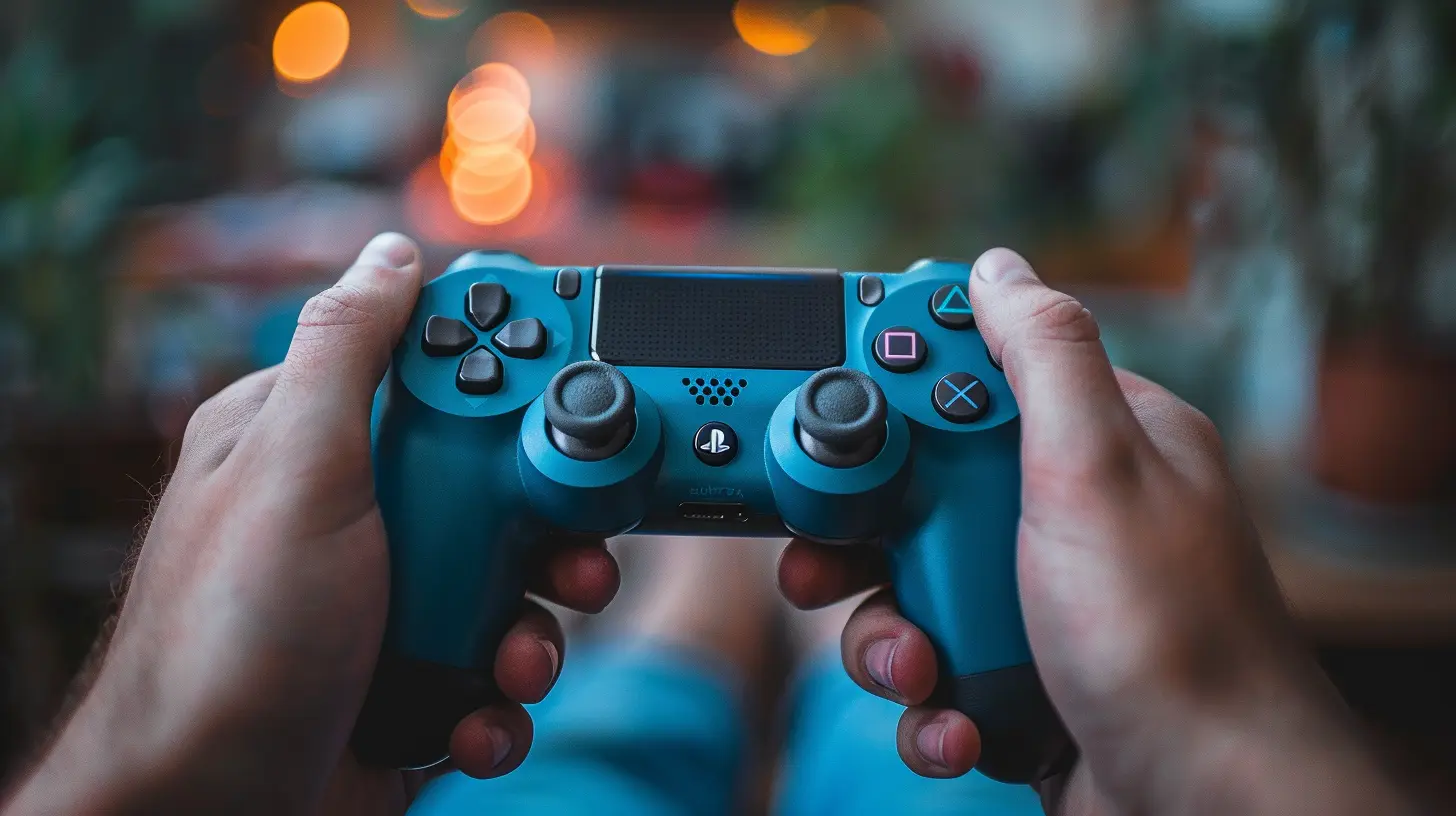
The Connection Between Gaming and Thinking
So here’s the twist—many games are literally built to challenge your brain.Video games often require players to observe carefully, think ahead, adapt to new rules, and find solutions under pressure. Sound familiar? Those are all hallmarks of critical thinking.
Let’s unpack it, game-style.
Strategy Games: Chess Meets Digital Age
Games like Civilization, Age of Empires, or XCOM are perfect examples of strategy-based titles that require players to plan moves ahead, manage resources, and anticipate what the opponent is going to do.These games train your brain to:
- Prioritize tasks
- Manage time and resources
- Adapt to unexpected outcomes
- Play with long-term consequences in mind
You’re not just clicking around randomly; you're planning city layouts, managing economies, and coordinating troops. It’s basically multitasking on steroids.
Ever lost a match because you didn’t guard your flanks or invest in the right research tech? Lesson learned. And that’s critical thinking in action.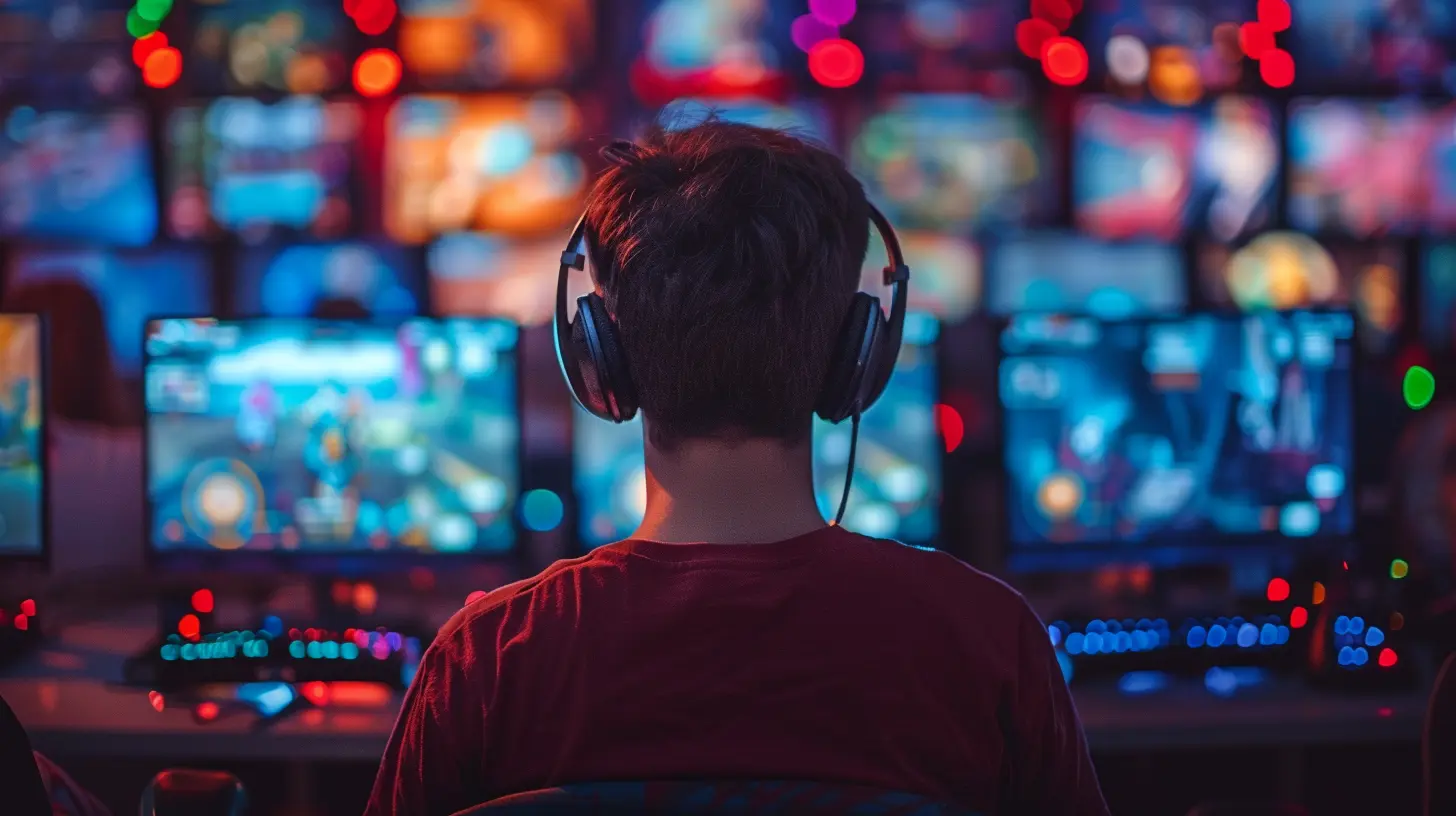
Puzzle Games: Brain Gym In Disguise
Let’s take a moment to appreciate the humble puzzle game. Whether it’s Portal, The Witness, Tetris, or Professor Layton, these games stretch your cognitive flexibility and logical reasoning.Puzzle games force you to:
- Spot patterns
- Think outside the box
- Solve problems with limited information
- Fine-tune trial-and-error skills
They help you get comfortable with the idea of failing fast and learning faster. You hit a wall, try again, tweak your approach, and suddenly—boom! Epiphany. That ‘aha’ moment? That's critical thinking being flexed like a muscle.
Open-World and RPGs: Decisions, Decisions, Decisions
Now let's talk about RPGs (Role-Playing Games) and open-world adventures like The Witcher 3, Skyrim, or Red Dead Redemption 2. These games aren’t just about leveling up your character—they level up your brain too.You’re constantly faced with:
- Ethical dilemmas
- Cause-and-effect scenarios
- Dialogue choices that alter the story
- Resource and inventory management
Every choice you make ripples through the game world. Should you help the villagers or side with the outlaws? Loot the treasure now or wait until you have better gear? These decisions demand careful thought and moral judgment—key elements of critical thinking.
Action and FPS Games: Not Just Twitch Reflexes
Fast-paced games like Call of Duty, Overwatch, or Valorant might seem like they’re all about quick reflexes—but there’s a lot more going on under the hood.In these games, players need to:
- Read complex environments quickly
- Coordinate with teammates
- Adjust tactics on the fly
- Recognize enemy patterns
You're constantly observing, planning, and executing strategies—all within seconds. It's like solving a Rubik’s Cube while riding a rollercoaster. Doesn't sound like mindless fun anymore, does it?
Simulation and Management Games: Learning By Doing
Ever tried your hand at The Sims, Cities: Skylines, or Planet Zoo? These games turn you into a decision-making machine, balancing multiple systems at once.You’ll have to:
- Optimize layouts
- Balance budgets
- Manage the needs of complex systems (yes, even virtual people)
- Respond to unexpected events like disasters or customer complaints
Simulation games imitate real-world systems. They reward logical analysis, strategic foresight, and the ability to recover from mistakes—core aspects of critical thinking.
Multiplayer Games: Real-Time Critical Thinking
Let’s not forget the social side of gaming. Online multiplayer games like Fortnite, League of Legends, or Among Us involve real-time interaction with real people. That adds a whole extra layer of complexity.You learn to:
- Interpret player behavior
- Use deception and recognize it (hello, imposters in Among Us)
- Collaborate and communicate effectively
- Revise strategies based on team performance
It’s like debating, but while dodging grenades and trying not to get voted out of the airlock.
Failure Isn’t The End — It’s The Teacher
Here’s one of the most underrated aspects of video games: they teach you not to fear failure.In the gaming world, failing is part of the journey. You mess up, respawn, try again. Over and over. That repetitive loop builds resilience and encourages creative problem-solving.
Compare that to school or work, where failure often feels final or discouraging. In games, it’s an invitation—to play better, think smarter, and grow.
Real-Life Benefits of Gaming-Induced Critical Thinking
Okay, so playing Zelda might not help you become a brain surgeon (unless that's what Link's next job is), but the critical thinking skills you pick up have real-world value.You can use them in:
- Academic performance – Better problem-solving and comprehension
- Workplace situations – Stronger decision-making under pressure
- Everyday life – More thoughtful analysis of news, media, and conversations
- Social situations – Improved empathy and understanding of multiple perspectives
These aren’t just “gamer skills”—they’re life skills.
But Wait—Not All Games Do This
Let’s be honest, not every game out there is a brain booster. Some are just digital popcorn—entertaining but not enriching. And that’s totally okay! We all need some escapism now and then.The key is variety and awareness. Mix up your gameplay with titles that challenge your brain. Seek games that make you think, experiment, strategize, and reflect.
Just like with food: a balanced gaming "diet" does the mind good.
Tips To Get The Most Brain-Boosting Value From Games
Here’s how you can maximize the critical thinking power of your playtime:1. Play mindfully – Don’t just button-mash. Think about your strategies and decisions.
2. Reflect – Ask yourself what went wrong and what you could do differently.
3. Journal your experience – Sounds nerdy, but writing down your thought process reinforces learning.
4. Try new genres – Step outside your comfort zone and explore games that force different mental muscles.
5. Play with purpose – Choose games that align with your goals (strategy, puzzles, open-world exploration, etc.)
Even just 30 minutes a day with the right title can make a difference.
In Conclusion: It's Game On for Your Brain
So, next time someone tells you video games are just a waste of time, hit ‘em with the facts. Games can challenge your logic, stretch your creativity, and build the kind of thinking skills that matter in every part of life.Whether you’re leading armies, solving interdimensional puzzles, or negotiating peace between alien races, you’re not just playing—you’re learning. You’re thinking critically. And guess what? You’re getting better at it, level by level.
So go ahead, fire up your console, grab your controller, and remind yourself: this isn’t just play… it’s a workout for your mind.
all images in this post were generated using AI tools
Category:
Educational Value Of GamesAuthor:

Leif Coleman
Discussion
rate this article
2 comments
Anisa Gonzalez
This article effectively highlights how video games enhance critical thinking, showing their potential beyond entertainment. Great read for gamers and educators alike!
March 22, 2026 at 3:40 PM
Leif Coleman
Thank you for your feedback! I'm glad you found the article valuable for both gamers and educators.
Peregrine McEvoy
Great insights! Video games truly offer unique ways to enhance critical thinking skills.
March 22, 2026 at 4:52 AM
Leif Coleman
Thank you! I'm glad you found the insights valuable. Video games really do provide a rich platform for developing critical thinking skills.