Learning Historical Context Through Interactive Storytelling
2 July 2026
Have you ever wanted to time travel? Not with a DeLorean or a blue police box—but through a game controller or a mouse click. That’s the magic of interactive storytelling in games. It’s not just about scoring points or defeating bosses anymore. Games have evolved into deep, immersive experiences that drop us into the heart of history—making us feel, think, and even question everything we thought we knew.
In this article, we’re going to talk about how interactive storytelling can be one of the most powerful ways to understand historical context. And no, this isn’t some snooze-fest lecture stuck in a textbook. We’re diving into gripping narratives, rich environments, and unforgettable characters that carry the weight of real-world events.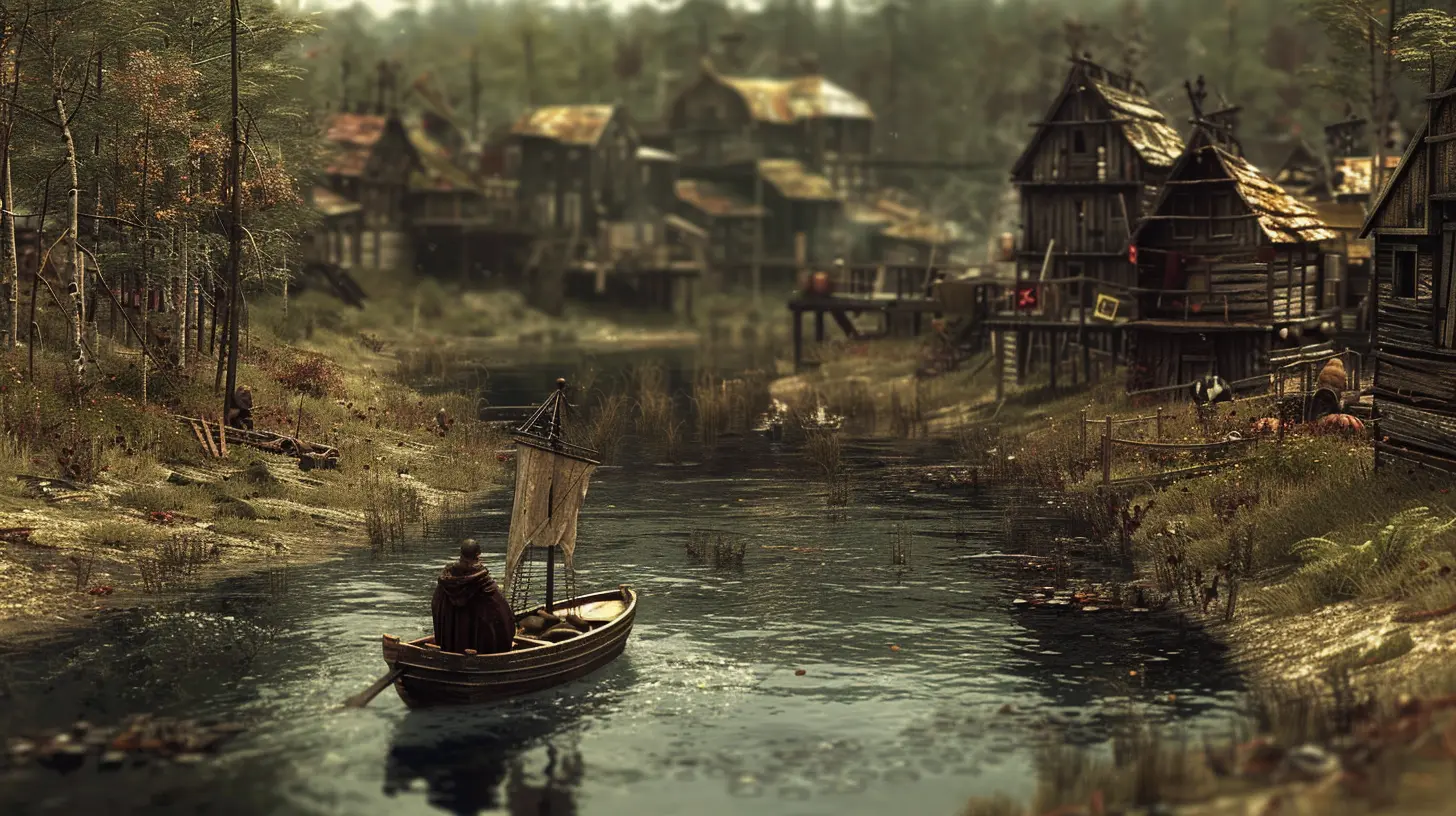
Why History Through Games Just Hits Different
So, what makes interactive storytelling so dang effective at teaching history?Because you’re not just reading about history—you’re living it.
Remember how hard it was to stay awake in history class? You stared at dates on a chalkboard while the teacher droned on about treaties and revolutions. Now compare that to sneaking through Nazi-occupied France in a stealth game, or experiencing the tragedy of Hiroshima through the eyes of a digital survivor. One is passive. The other? Pulse-pounding and deeply emotional.
Interactive storytelling taps into empathy. When you connect with a character who’s suffering through war, injustice, or political chaos, it becomes personal. Those dusty textbook chapters don’t stand a chance.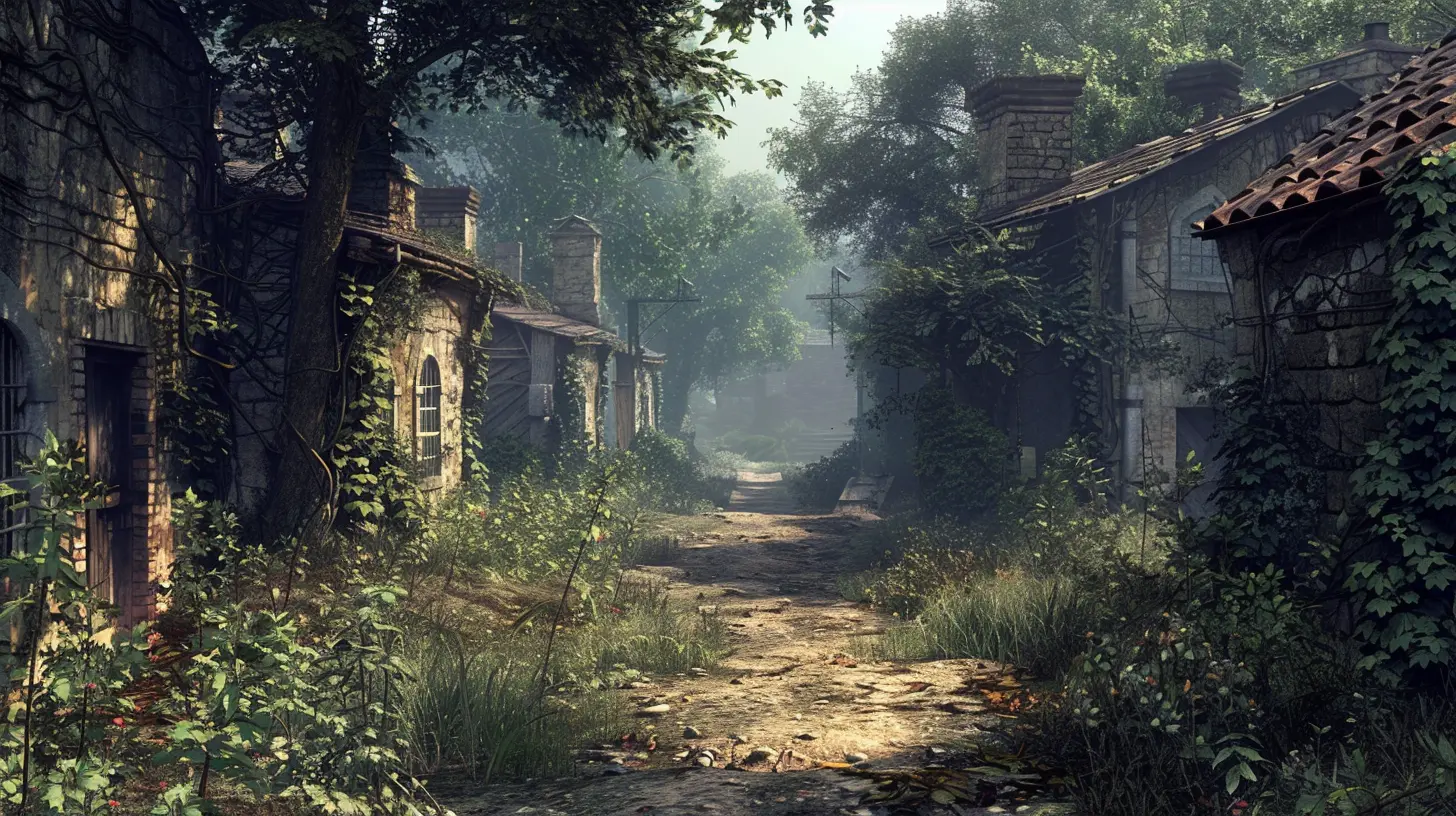
The Power of Choice and Consequences
Here’s where games totally outshine other media: choice. In books or movies, the story’s fixed. But in games, you're part of it.Imagine playing as a young revolutionary in 18th-century France. Your choices can lead to a peaceful protest or a blood-soaked riot. These decisions aren’t just for kicks—they help you understand the tension and stakes of the time. Suddenly, the French Revolution isn’t just about guillotines and Marie Antoinette. It’s about fear, hope, desperation, and survival.
Games like Assassin’s Creed, Valiant Hearts, or This War of Mine give players agency—real, meaningful input into how the story unfolds. It’s in these moments of choice that history becomes alive and actually sticks in our minds.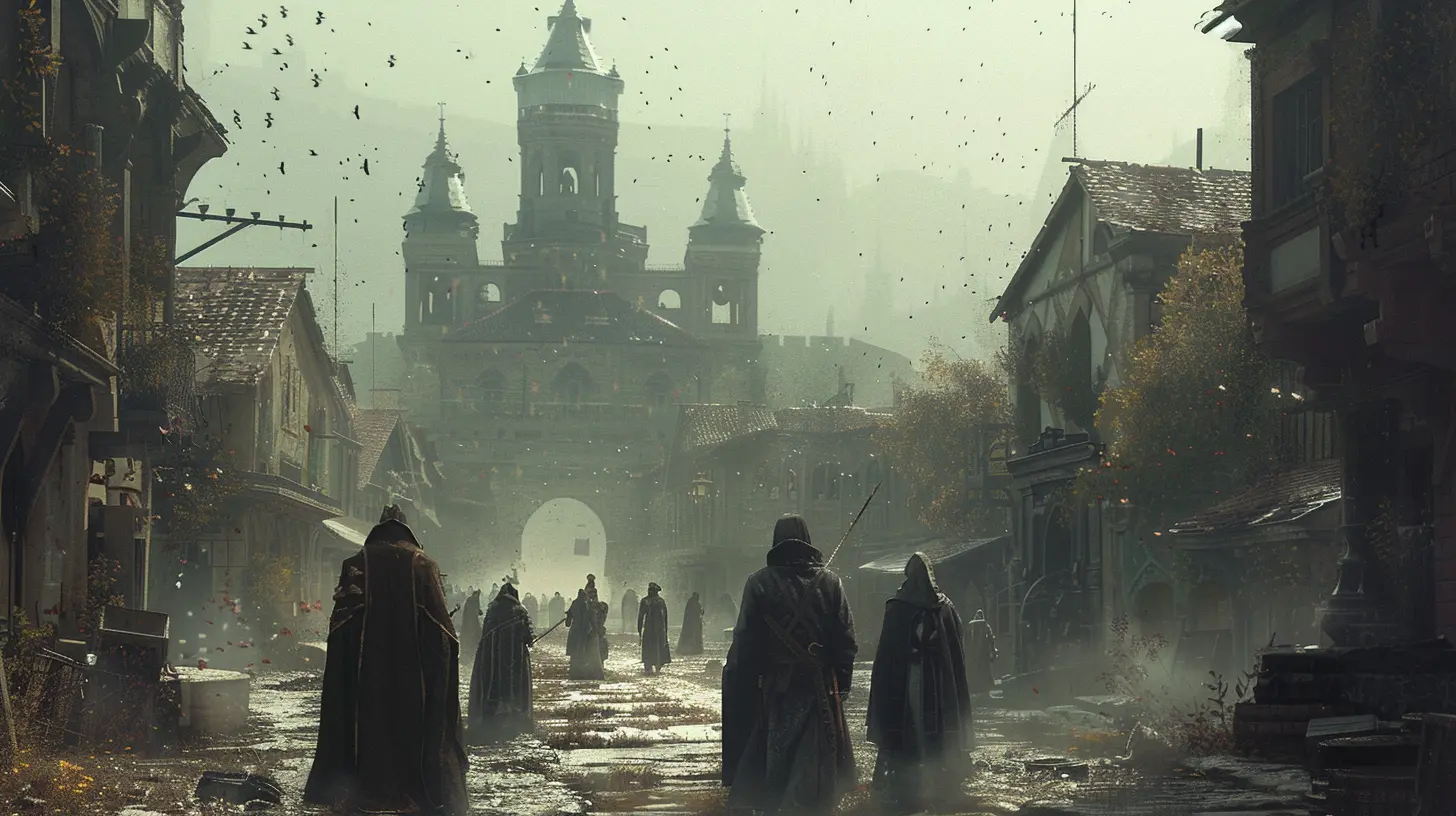
Emotional Engagement = Lasting Learning
Let’s be real—emotion is the glue that makes learning stick.You don’t remember every math formula, right? But you probably remember how a certain movie or book made you feel ten years ago. That same principle applies here. When a game hits you right in the feels, there’s no forgetting it.
Take Valiant Hearts: The Great War. It’s set during World War I and follows a group of interconnected characters. There’s action, sure, but the story is laced with heartbreak, resilience, and humanity. One scene might have you solving a puzzle to escape a battlefield; the next might break your heart with a soldier’s goodbye letter. That emotional rollercoaster isn’t just art—it’s education with soul.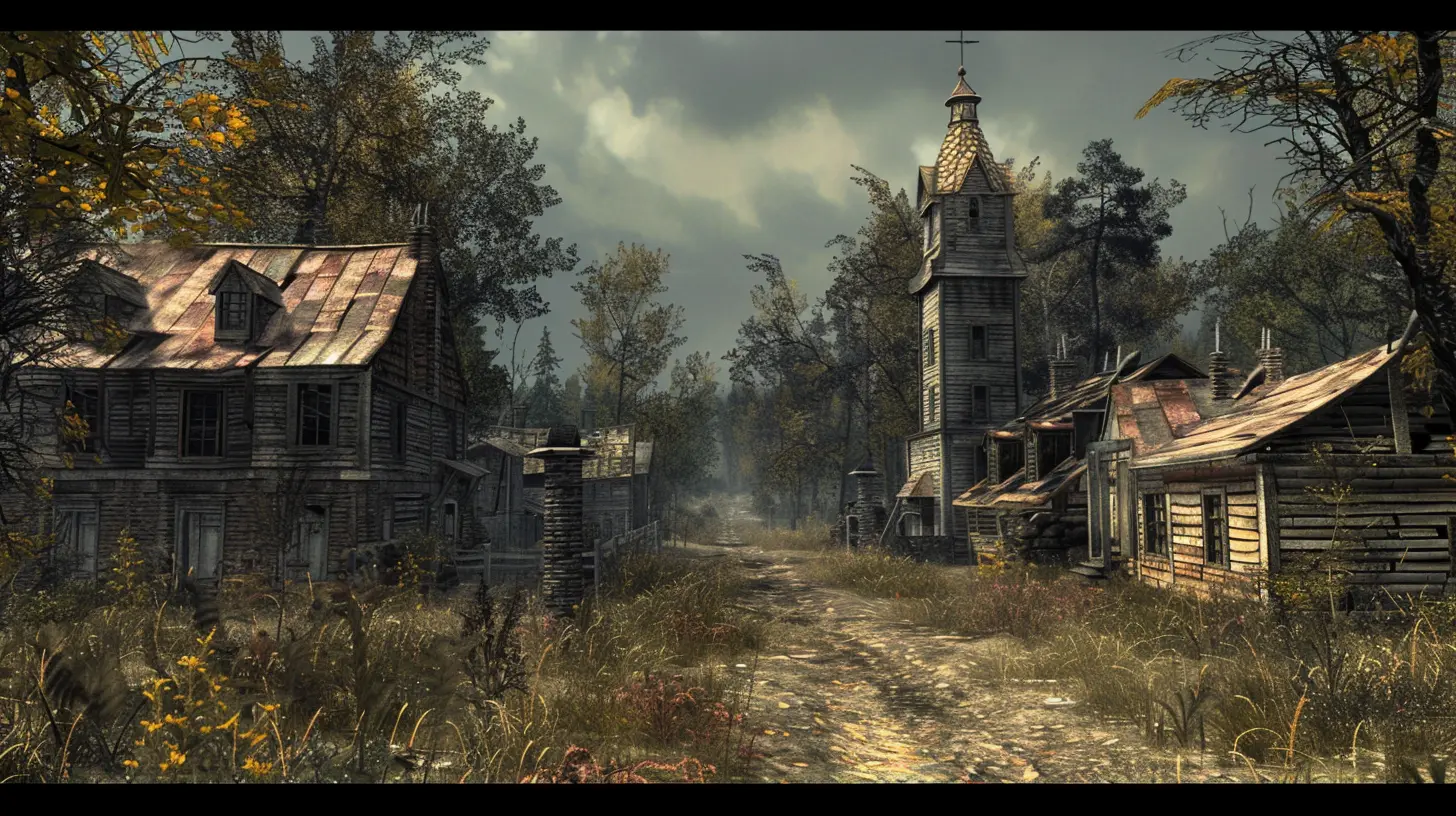
Historical Accuracy (Mostly) Matters
Okay, let’s address the elephant in the room: not all games get their history right.Yes, sometimes games take creative liberties—sometimes a little too much. But that doesn't mean they’re useless for learning. Actually, those moments can be great conversation starters. What’s real? What’s been added for drama? Why were certain facts changed?
When a game sparks curiosity, it nudges players to go read more, dig deeper, and question what they’re told. That’s a win.
Plus, developers are getting a lot better at doing their homework. Many studios bring in historians as consultants. They build entire cities—like ancient Athens or 1940s Warsaw—with jaw-dropping attention to detail. So even if every single element isn’t 100% accurate, the general vibe and setting can still immerse players in a truly educational experience.
Storytelling That Respects Culture
Another beautiful thing about interactive storytelling? It lets underrepresented voices shine.We’re seeing more games tell stories from historically silenced communities: Indigenous tribes, African kingdoms, Eastern European refugees, and more. This kind of storytelling not only teaches history—it broadens our perspective.
Games like Never Alone (made with the Iñupiat people) or 1979 Revolution: Black Friday (set during Iran's revolution) offer insight into cultures and events often left out of mainstream narratives. They’re not just informative, they’re respectful. They’re co-created with the people whose stories are being told. That makes all the difference.
The Classroom’s New MVP?
Teachers, listen up—games aren’t your enemy. They might actually be your best ally.When used right, games can revolutionize how we teach history. Think beyond just letting students play—think about assigning missions, holding discussion groups, or comparing game events with real-life accounts. The educational opportunities are endless.
Even students who “don’t like history” suddenly light up when they’re storming castles or decoding secret war messages. Games offer context, sensory immersion, and emotional connection—all things that traditional teaching methods often lack.
Not Just For Kids
Let’s kill the myth that games are just for teenagers with too much Red Bull.Interactive storytelling is for everyone. Adults can—and should—get in on the action. Whether you're a college student studying world history or a parent wanting to better understand your kid’s obsession with Red Dead Redemption 2, there’s value here.
These stories hit hard. They challenge your assumptions, make you think twice, and often leave you emotionally wrecked in the best way possible. That’s not just good entertainment—it’s transformative learning.
Games That Nail Historical Context
Need a few recommendations to get started? You got it.? Assassin’s Creed Series
From Renaissance Italy to Ancient Egypt to Victorian London, this franchise is the gold standard in historical gaming. The games blend fiction with real events, offering guided tours, historical notes, and incredible world-building.? Valiant Hearts: The Great War
A beautifully animated yet deeply emotional tale of World War I. With puzzles, letters, and historical facts, it’s as engaging as it is educational.? This War of Mine
Set in a fictional warzone inspired by real conflicts, this game focuses on civilian survival. It’s raw, emotional, and a sobering take on the cost of war.? Kingdom Come: Deliverance
Set in 15th-century Bohemia, this RPG prides itself on historical accuracy, from its combat mechanics to its clothing. It’s brutally honest and deeply immersive.? Never Alone
Co-created with Alaska Native storytellers, this game shares Iñupiat culture through folktales passed down for generations.The Takeaway
When you mix history with interactive storytelling, something magical happens. You don’t just memorize events—you connect with them. You walk a mile in someone else's worn-out boots. You see the world through their eyes. And that’s what makes it stick.Games aren’t replacing history books—but they’re complementing them in powerful, heartfelt ways. So the next time someone says video games are a waste of time, tell them this: games are one of the most immersive, emotional ways to learn about the past. And honestly? The future of learning might just have a controller in hand.
all images in this post were generated using AI tools
Category:
Educational Value Of GamesAuthor:

Leif Coleman
Discussion
rate this article
2 comments
Thalia Adams
Interactive storytelling brings history to life, making learning engaging and memorable. Embrace the adventure and let these games inspire a deeper understanding of our past.
September 12, 2026 at 3:58 AM
Leif Coleman
Absolutely! Interactive storytelling truly transforms history into an exciting adventure, making it much easier to connect with and understand our past.
Tristan McAlister
Engaging narratives bring history to life beautifully.
July 13, 2026 at 3:09 PM
Leif Coleman
I completely agree. When history is told through engaging narratives, it becomes more relatable and memorable.