Romance Options That Actually Impact the Story
28 June 2026
Let’s face it — romance in games can sometimes feel like an afterthought. You toss a few gifts, pick the "flirty" dialogue options, and boom! You're suddenly soulmates. But when a game takes its romance seriously — when your in-game relationships actually shake up the story — that’s when things get really interesting.
We're not just talking about cutscenes and bonus missions. We're talking about heart-thumping, jaw-dropping moments where your romantic choices change the entire narrative. Whether you’re navigating war-torn galaxies or fighting dragons, the love stories that make an impact are the ones you'll remember long after you put the controller down.
So grab your sword, space blaster, or dialogue wheel, and let’s dive into some of the best romance options in video games that actually matter.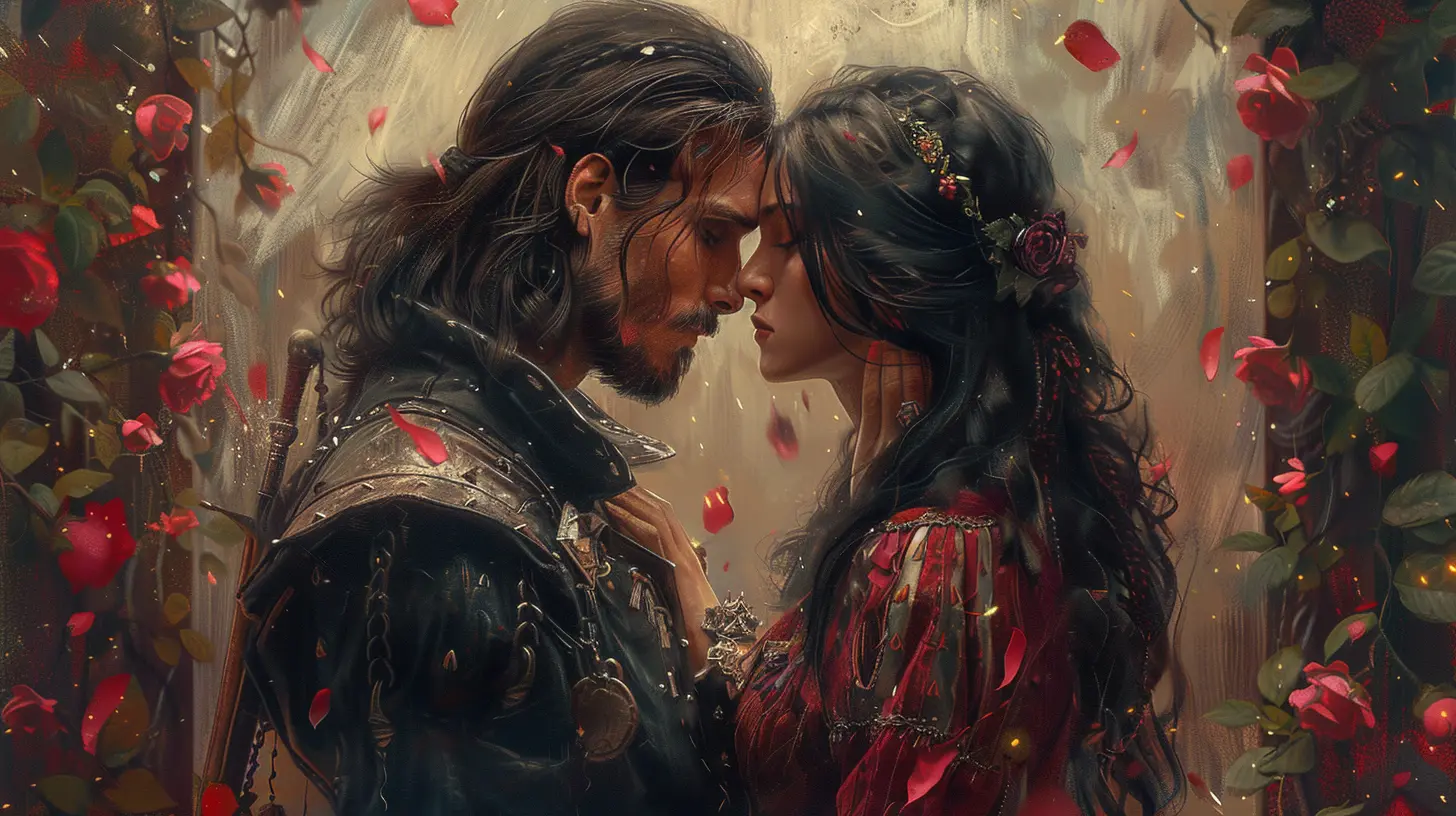
Why Romance in Games Matters More Than You Think
Alright, let’s get something out of the way. Romance in games isn’t just about eye candy or unlocking spicy scenes. It’s about emotional investment. When you care about someone in a game, you care about the choices you make. It’s like real life — only with more dragons and less awkward texting.When developers take the time to weave romance into the central storyline, it adds depth and weight. Suddenly, your decisions aren’t just about survival or stats. They’re about love, loyalty, betrayal, and sacrifice. And if a game can make you feel all that? That’s storytelling gold.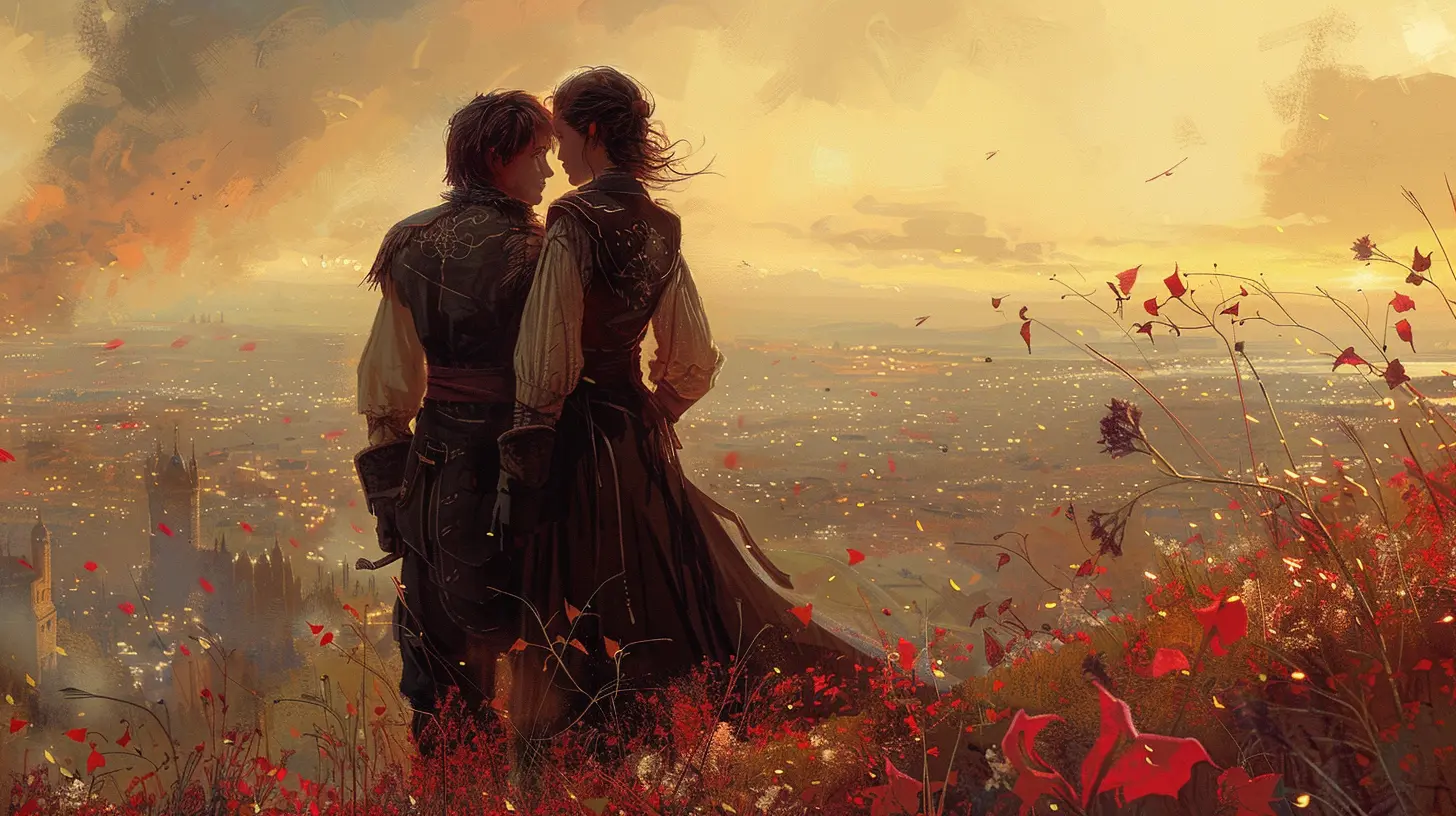
1. Mass Effect Series – Love in the Time of Reapers
Let’s kick it off with the big one — Mass Effect. BioWare knew what they were doing when they built romances into the DNA of this space saga.From the first Mass Effect to the climactic finale in ME3, your relationship choices affect more than just a few steamy scenes. Who you romance can change dialogue, impact loyalty missions, and even influence who lives or dies in the end.
For example, if you stay loyal to one partner across all three games, the emotional payoff hits harder. Characters like Garrus or Tali develop over time, and their relationships with Shepard evolve in believable, heartwarming ways. And if you cheat? Yeah, you’re gonna hear about it.
Story Impact
- Can affect ending scenes and epilogues- Certain characters may live or die based on your romance
- Dialogue changes throughout the trilogy
- Emotional repercussions that tie directly into major plot points

2. The Witcher 3: Wild Hunt – Feelings are NOT Optional
Geralt isn’t exactly the romantic type on the surface — gruff voice, monster hunter vibes, zero chill. But The Witcher 3 lets you get deep under that grizzled exterior.You can choose to romance Yennefer or Triss (or attempt both… but that's a bad idea). The kicker? Who you choose doesn’t just change a few lines of dialogue. It affects major parts of the story, especially in the Blood and Wine expansion.
Choose Yennefer and your final scenes reflect that love. Go with Triss and you get a completely different vibe. Try playing the field? Well, you reap what you sow.
Story Impact
- Changes romantic ending scenes- Alters how certain characters treat you
- Impacts quest lines and cutscenes
- Affects Geralt’s final destiny
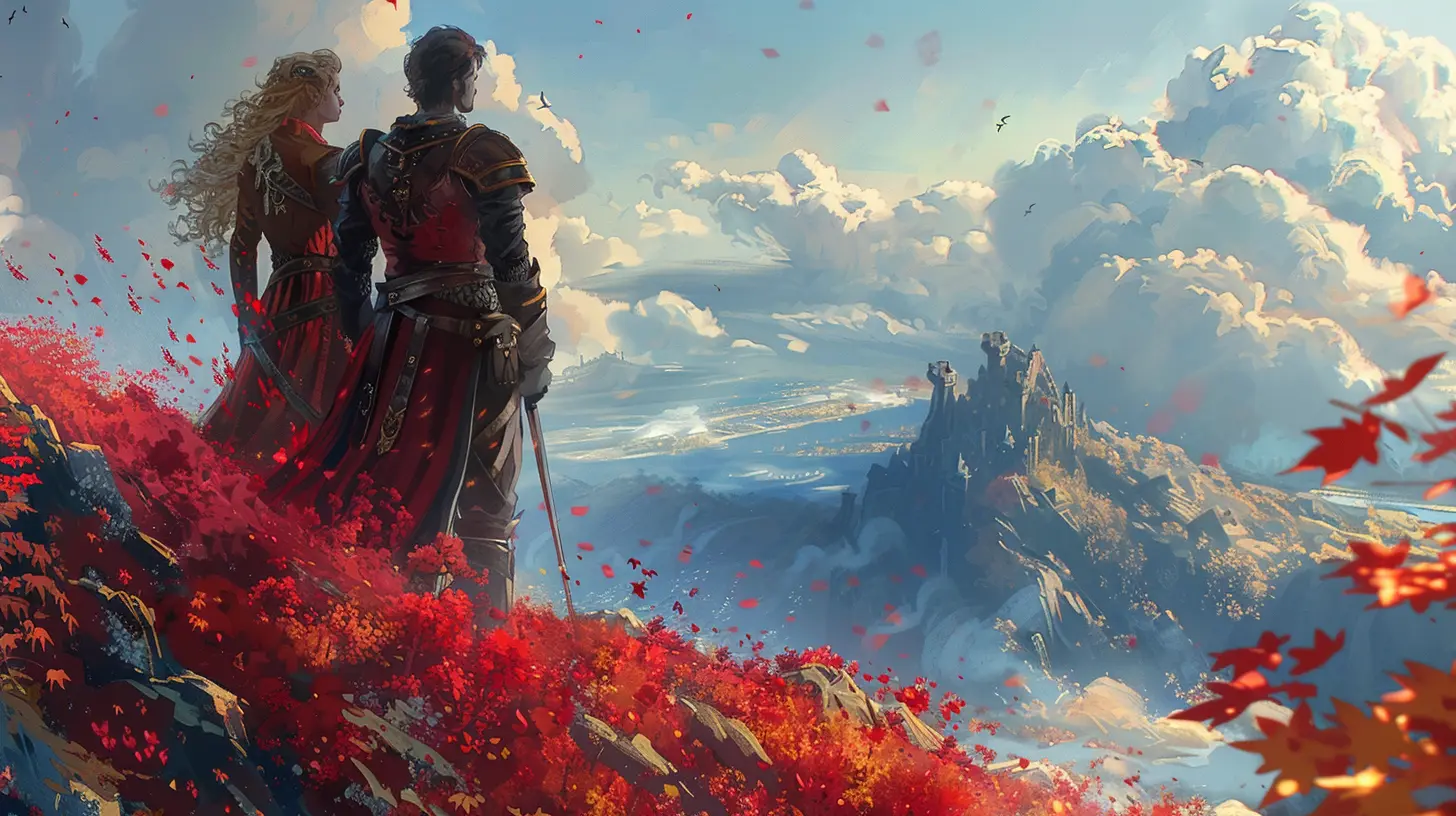
3. Dragon Age: Inquisition – Love in a Complex World
BioWare again? Yeah, because they get character-driven storytelling.In Dragon Age: Inquisition, your romance option isn’t a side dish — it’s a key ingredient. The world’s fate hangs in the balance, yes, but who’s got your back at the end of the world? That’s up to you.
From the charming rogue Sera to the stoic and principled Cullen, who you pursue changes how your Inquisitor experiences the world. Some characters open side quests, while others provide moral conflict that shapes your decisions.
Romance here isn’t just heartfelt — it’s political, spiritual, and deeply personal.
Story Impact
- Unlocks unique missions and dialogue options- Alters the game’s ending based on your romance
- Affects political alliances and opinions of other characters
- Deepens your protagonist’s emotional arc
4. Cyberpunk 2077 – Love in the Time of Tech
Despite its rocky launch, Cyberpunk 2077 pulls no punches when it comes to emotional storytelling. The romance options in Night City are surprisingly nuanced — and they’re tied directly into the game's narrative.You can pursue characters like Judy Alvarez, Panam Palmer, River Ward, or Kerry Eurodyne — each with specific requirements based on your character’s gender and body type. These aren’t surface-level flings. Each relationship dives deep into personal quests that flesh out not only your partner but also your protagonist, V.
And in the game’s finale? Your romance can shape your final choices and even change how the epilogue plays out.
Story Impact
- Changes final mission and ending scenes- Romance-specific quests provide backstory and character depth
- Emotional payoffs tied to your overall game outcome
- Dialogue and tone shifts based on relationship status
5. Fire Emblem: Three Houses – Love and War
At first glance, Fire Emblem: Three Houses looks like your typical tactical JRPG with some anime flair. But don’t be fooled — the romances here pack a punch. The game spans years, from student life to full-blown war, and your relationships evolve along the way.Depending on who you grow close to, you might see entirely different scenes, different endings, and even different fates for characters. And yes — your romantic partner in the epilogue can affect what happens to your house, your kingdom, and your legacy.
This isn’t shallow matchmaking. It’s a long game of love where every support conversation matters.
Story Impact
- Alters endings and epilogues- Affects survival rates and relationships between other characters
- Influences side quests, battles, and allegiances
- Emotional stakes in major plot twists
6. Life is Strange – Heartfelt and Human
Not every romance has to be set in a fantasy world. Life is Strange proves that grounded, real-world relationships can hit just as hard — if not harder.In the first game, your dynamic with Chloe is central to the story. You’re not just choosing dialogue options — you’re deciding how far you're willing to go for love. Do you save her? Or save the town?
That final choice? It’s heartbreaking. And it hinges entirely on how deep your connection with Chloe is.
Story Impact
- Emotional finale directly impacted by relationship- Dialogue and cutscenes shift based on choices
- Builds immersion and character depth
- Major replay value due to branching emotional payoffs
7. Persona 5 Royal – Dating Has Consequences
Persona games have always mixed social life with dungeon crawling, and Persona 5 Royal takes that to the next level.You can romance several characters — from classmates to your doctor — but the real challenge? Managing those relationships. Date too many people at once, and things will blow up in your face. Literally. There's a Valentine's Day scene that’s... well, let’s just say it’s unforgettable.
But beyond the drama, who you choose impacts SP regeneration, stat boosts, and even endgame dialogue. So yeah, romance isn’t just emotional — it’s tactical.
Story Impact
- Changes end-of-game scenes and gifts- Affects social stats and battle perks
- Multiple characters react to your relationship status
- Adds unique storylines and cutscenes
What Makes a Great Romance in a Game?
So what separates a romance that matters from one that feels like filler?Here’s the secret sauce:
- Narrative Integration: It’s part of the main story, not just a bonus quest.
- Emotional Depth: Characters feel real, with their own needs and baggage.
- Consequences: Your choices ripple through the game.
- Replay Value: Different romances offer new routes, endings, or scenes.
In short — if the game makes you feel something, they’re doing it right.
Are Meaningful Romances the Future of Story-Driven Games?
Honestly? Yeah, they might be.As gamers demand deeper, richer stories, developers are stepping up. We’re seeing more games that treat romance as more than just fan service. They’re writing real relationships — complicated, messy, beautiful ones — and making them matter.
It’s not just about who your character kisses. It’s about how that kiss changes the game world around them.
And that’s powerful.
Final Thoughts
Romance in video games has come a long way. It’s not just about unlocking cute scenes or collecting dialogue trees like Pokémon. When done right, it’s an emotional investment that transforms how you play, how you choose, and ultimately, how the story unfolds.So the next time you boot up a game and spot a love interest on the horizon, don’t just ask, “Can I romance them?” Ask, “Will this choice change my story?”
Because in the best games out there — it absolutely will.
all images in this post were generated using AI tools
Category:
Rpg GamesAuthor:

Leif Coleman
Discussion
rate this article
2 comments
Mackenzie Ramirez
It's refreshing to see games that make romance choices truly matter. When relationships shape the narrative, it adds depth and emotional weight to the player's journey.
September 1, 2026 at 3:15 AM
Leif Coleman
Absolutely! When romance choices influence the story, it creates a much richer experience for players. Seeing those relationships evolve can really deepen our connection to the narrative.
Micah McRae
Finally, choices that matter make gaming more immersive!
June 29, 2026 at 4:16 PM
Leif Coleman
Absolutely! Meaningful choices really pull players into the story and deepen their connection to the characters.