The Allure of Mystery in RPG Storytelling
2 August 2026
Let’s face it—we all love a good mystery. Whether it’s in books, movies, or games, the thrill of unraveling secrets is deeply satisfying. But when it comes to Role-Playing Games (RPGs), mystery isn’t just a cherry on top—it’s the secret sauce that makes the whole experience unforgettable.
Ever found yourself glued to your screen just because some weird note you picked up hinted at a hidden cult lurking in the shadows? Or maybe after following seemingly random clues, you uncovered an ancient conspiracy? Welcome to the powerful pull of mystery in RPG storytelling.
In this deep-dive, we’re going to unravel (pun totally intended) why mystery is such a big deal in RPGs, how developers weave it into their narratives, and why players can’t get enough of it.
Why Do We Crave Mystery in Games?
Alright, let’s get philosophical for a sec. Why do human beings LOVE mystery?Well, for one thing, our brains are wired to seek patterns and fill in the blanks. When something doesn’t quite make sense—like a cryptic message or an unmarked grave in the woods—we can’t help but wonder, “What’s the story here?” It’s that itch you have to scratch.
In RPGs, this curiosity becomes a powerful motivator. Players don’t just want to complete quests; they want to uncover truths. They want to connect the dots that others might miss. That’s where mystery storytelling kicks in and levels up the immersion.
The Role of Mystery in RPG Narrative Design
In storytelling, especially in RPGs, mystery serves more than just suspense—it drives player engagement. It turns a passive story into an active investigation. The player becomes not just a hero but a detective, a truth-seeker, a nosy adventurer poking into dark corners no one else dares to explore.1. The Layer Cake of Lore
The best RPGs don’t dump all their narrative in one go. Nope. They layer it like a rich, decadent cake. You start with the surface-level story—maybe you're trying to reclaim a kingdom or save the world from a dragon. But dig a little deeper, and you find ancient ruins that whisper of forgotten gods, or a cursed sword that once belonged to a long-lost hero.Each layer you uncover pulls you in further. The more you know, the more questions you have. It’s addictive.
Think of games like The Elder Scrolls V: Skyrim or Dark Souls. Their stories aren’t spoon-fed. You have to piece them together like a jigsaw puzzle scattered across dungeons, books, cryptic NPC dialogue, and ancient murals.
2. Environmental Storytelling: Where Walls Talk
Sometimes, the mystery isn’t in what’s said—it’s in what you observe.You walk into a seemingly abandoned village. There are blood stains leading to a cellar. Journals left on a table talk about strange disappearances. You haven’t fought a single enemy. Still, your imagination’s already creating entire backstories.
That, my friend, is environmental storytelling. It’s subtle, it’s clever, and it makes you feel like you’re discovering things before anyone else.
Games like Bioshock and Hollow Knight thrive on this. They let the world tell a story, mystery included. The details are never forced—they’re invitations. Accept them, and you unlock more than just lore. You get emotionally invested.
3. Foreshadowing: Hints from the Future (or Past)
Nothing gets players theorizing more than cryptic hints. A prophecy, a misremembered tale, a child's drawing that points to a real, terrifying truth—foreshadowing keeps players on their toes.The trick is to offer enough breadcrumbs to tease the mind but not too many that the answer becomes obvious. Remember that sketchy NPC who kept warning you about the “shadows beneath the city”? You blew him off at first. But 10 hours later, when you discover an underground cult kidnapping townsfolk, your brain lights up.
“Wait a minute! He KNEW!”
Boom—mind blown.
The Mystery Toolbox: How Developers Keep You Guessing
Crafting mystery in an RPG isn't just about adding twists and riddles. Developers use a whole arsenal of tools to keep you hooked.1. Misdirection: Leading You Down the Wrong Path
Part of what makes a mystery great is not knowing what’s true. Maybe the kind old king isn’t so innocent. Maybe your trusted companion has a darker past. These twists aren’t just shocks—they force you to rethink everything.Look at Dragon Age: Origins. The choices you make often hinge on incomplete truths. You can never be 100% sure your decisions are the “right” ones, and that ambiguity adds depth and replayability.
2. Fragmented Narratives: Stories in Pieces
One of mystery’s best friends? Non-linear storytelling. Instead of giving everything in order, you get fragments—letters, flashbacks, ancient tapes, or ghostly visions.Piecing them together feels like assembling an emotional jigsaw puzzle. Think Control or NieR: Automata—where understanding the full story requires digging through cryptic files and playing different perspectives.
3. Unreliable Narrators: Can You Trust What You Hear?
Ah, the age-old question: is the narrator lying, confused, or just emotionally biased?Games like Spec Ops: The Line or Disco Elysium blur the lines of reality, challenging your perception of events. Who tells the story can be just as important as the story itself. And when trust breaks down? You’re left questioning everything, eager to find clarity.
The Player's Role in Solving the Puzzle
Here’s the cool part—unlike books or films, RPG players are active participants in solving the mysteries.It’s not just “whodunnit”—it’s “how do I find out?” That’s why side quests that seem insignificant can end up being the most memorable. They reward exploration, curiosity, even obsession.
The Sense of Discovery
Who doesn’t love finding a hidden cave that isn’t marked on the map? Or realizing that a symbol carved into a castle wall actually matches the clues in that centuries-old poem you found?Mystery makes players feel clever. It’s like shout-outs to our inner Sherlock Holmes.
Emotional Payoff
Mystery also brings emotional weight. When you finally uncover the truth about a forgotten war, a phantom lover, or a cursed bloodline, it hits hard. These revelations connect players to the game world in meaningful, lasting ways.Games like Undertale and Life is Strange deliver smaller-scale mysteries that carry enormous emotional weight. The “a-ha!” moment often comes with a tear—or a gut punch.
Why RPG Mystery It's More Than Just Plot
Let’s get one thing straight: mystery isn’t just about “what happens next.” It shapes the way we interact with the game world, its characters, and even its morality systems.It encourages players to question, to investigate, to empathize. You don’t just breeze through quests—you dwell on decisions, you ponder choices, you become fascinated by what might be.
Games like The Witcher 3 excel at moral ambiguity, where no character is purely good or evil. You dig deeper, only to find that every saint has a devilish secret, and every villain has a tragic past.
Mystery doesn't just entertain—it challenges.
The Dark Side: When Mystery Goes Too Far
Okay, time for a reality check. Not all mystery is good mystery.When done poorly, mystery can feel frustrating, convoluted, or unfair. Ever played a game where the “twist” came out of nowhere or made zero sense? Yep, that’s the other side of the coin.
Too much vagueness can alienate players. If clues are too obscure, or if payoff never comes, that juicy mystery becomes stale cheese.
The balancing act? Drop just enough hints to keep people digging, but not so many they find the treasure too quickly.
Building Your Own Mystery in RPGs
If you’re a game master, indie dev, or just someone who loves writing quests—adding mystery to your RPG isn’t as hard as it seems. Here are a few pro tips:- Start with a question, not an answer. “Why did the river dry up overnight?” That’s your hook.
- Create layered characters. Give them secrets—even if they’re never fully revealed.
- Use locations to tell stories. A burnt-down church says more than an exposition dump ever could.
- Keep the player guessing. Let them feel smart for putting the pieces together.
- Don’t be afraid of gray areas. Black-and-white morality is easy. Gray is where the magic happens.
Wrapping It Up: Why Mystery in RPGs Wins Every Time
So, why does mystery have such a grip on us in RPG storytelling?The answer’s simple: it taps into something primal. Curiosity. The need to know. The thrill of the chase. It makes us more than just players—it makes us participants in the story, detectives of the digital realm.
Whether you're creeping through haunted ruins, decoding ancient texts, or uncovering your companion’s hidden past, mystery adds depth. It invites questions. It makes the game world feel like it existed long before you arrived—and will continue long after you’ve left.
And in a genre already built around choice, consequence, and character, it’s mystery that ties it all together with a big, ominous, irresistible bow.
So the next time a game drops a weird journal entry or a forgotten relic at your feet, don’t ignore it. That’s the start of your next favorite rabbit hole.
Happy sleuthing, adventurers.
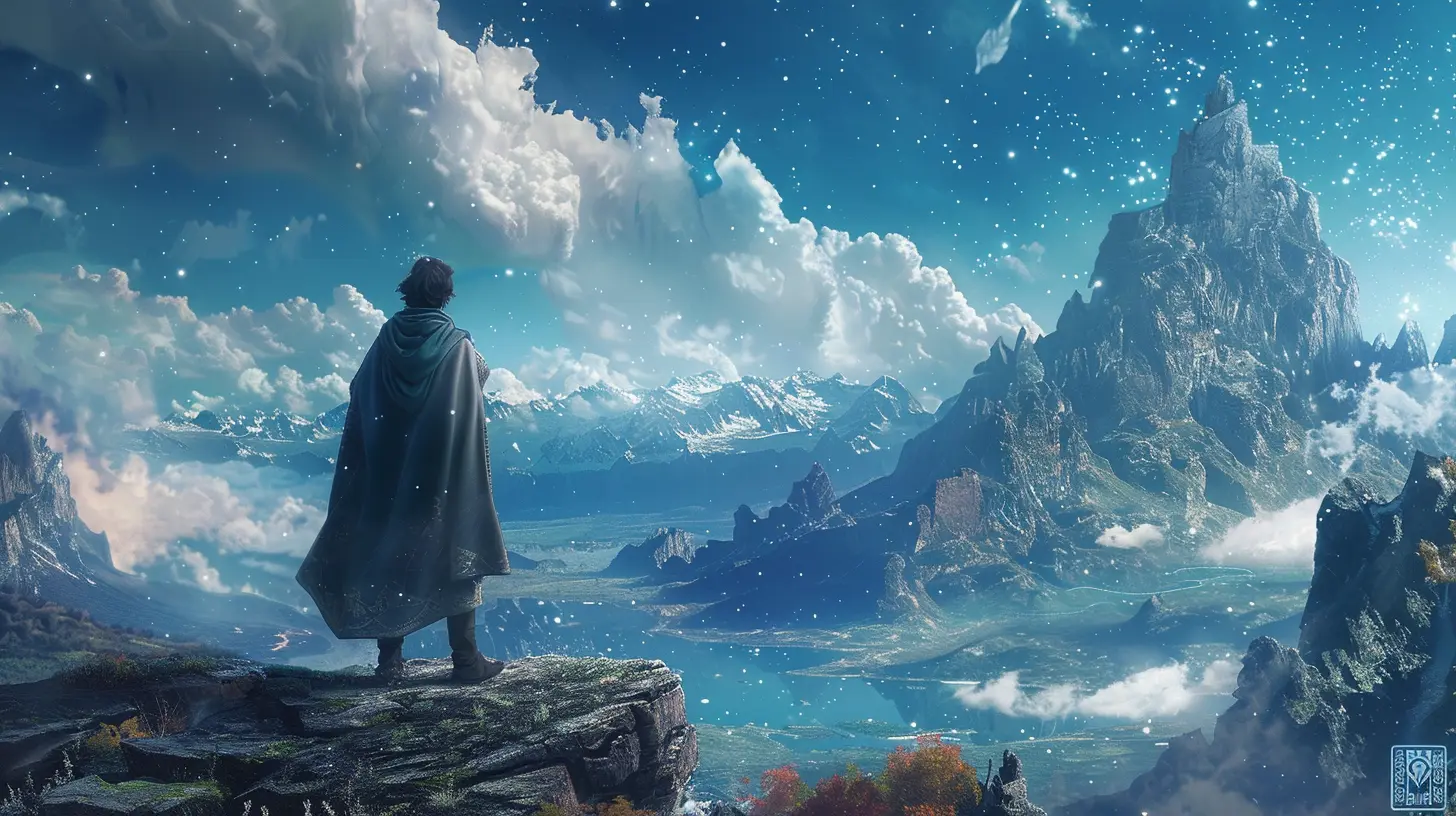
all images in this post were generated using AI tools
Category:
Rpg GamesAuthor:

Leif Coleman
Discussion
rate this article
1 comments
Faenor Smith
Mysterious plots in RPGs are like a puzzle box wrapped in a riddle, waiting for brave players to unlock its secrets. Who doesn't love a twist that makes you gasp and rethink everything? Bring on the intrigue and unconventional adventures!
August 3, 2026 at 2:53 AM
Leif Coleman
Absolutely! The thrill of unexpected twists in RPGs adds depth and excitement, making each adventure memorable. It keeps players on their toes, ready to uncover hidden layers.