The Art of Crafting Meaningful Side Characters
23 June 2026
Side characters. You know them, you love them… and sometimes, you even remember them more fondly than the main protagonist. Think about it—how many times have you played a game and found yourself utterly obsessed with that quirky shopkeeper or the loyal companion who had your back through thick and thin?
The truth is, side characters can be the soul of a game. They breathe life into the world, provide emotional depth, and can even steal the show. But how do game developers manage to create side characters that feel so real and unforgettable, rather than just NPCs with a couple of recycled lines? That’s the magic we’re diving into today.
Let’s break down the art (and yes, it is 100% an art) of crafting meaningful side characters in video games.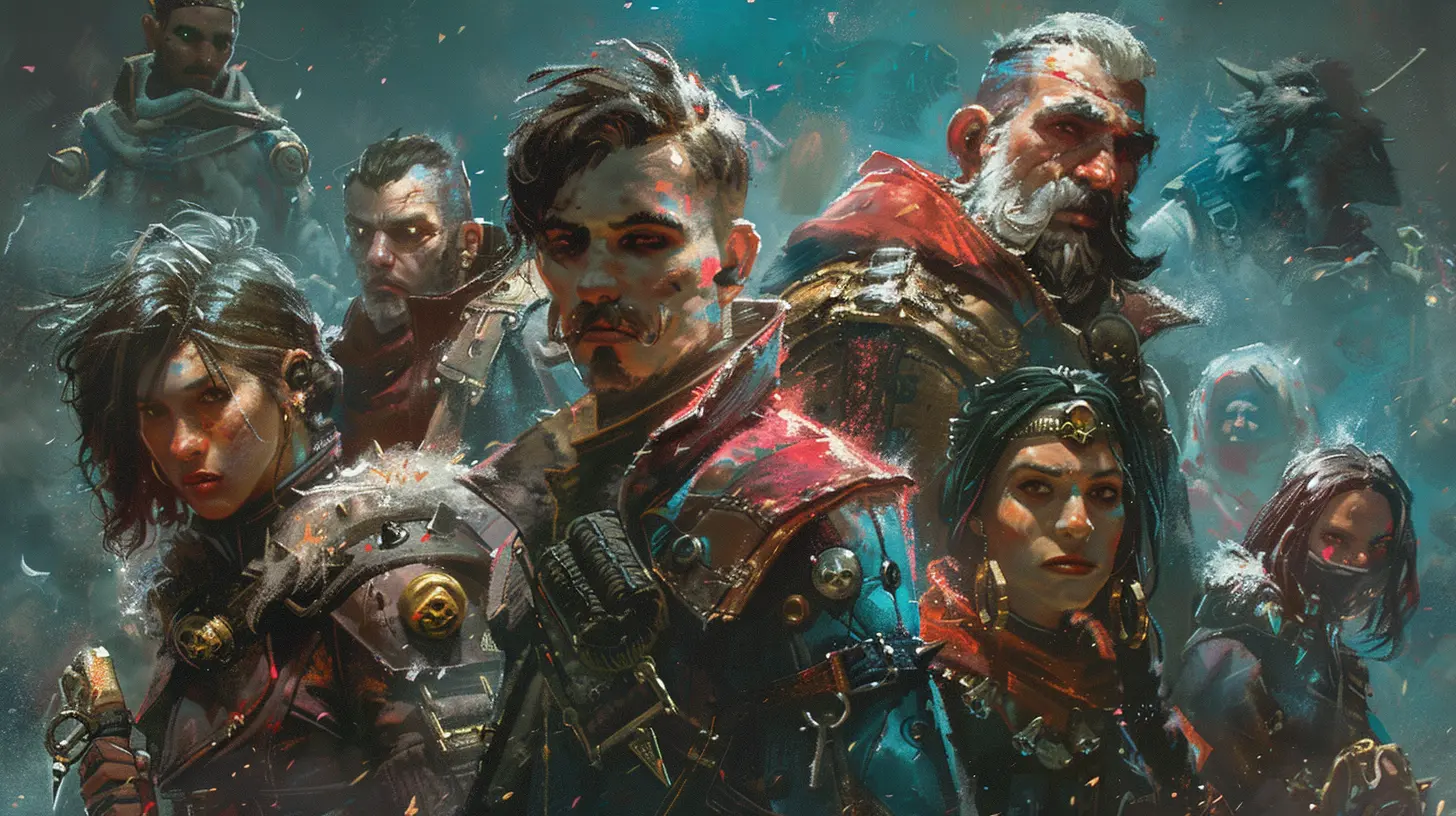
Why Side Characters Matter More Than You Think
Sure, the main character is the star of the show. But imagine Skyrim without Lydia, The Witcher 3 without Dandelion, or Mass Effect without Garrus. It just wouldn’t hit the same, right?Side characters do more than just hang around in the background. They:
- Enhance world-building by representing different cultures, beliefs, and areas in the game world.
- Elevate the emotional stakes, especially when they grow close to the player or face danger.
- Offer comic relief or philosophical insights, diversifying the emotional tone of the story.
- Impact gameplay dynamics, like unlocking quests, aiding in battles, or offering unique skills.
In a well-written game, side characters feel like real people with their own lives, goals, and personalities. They aren't just there to serve the main story—they are part of that world.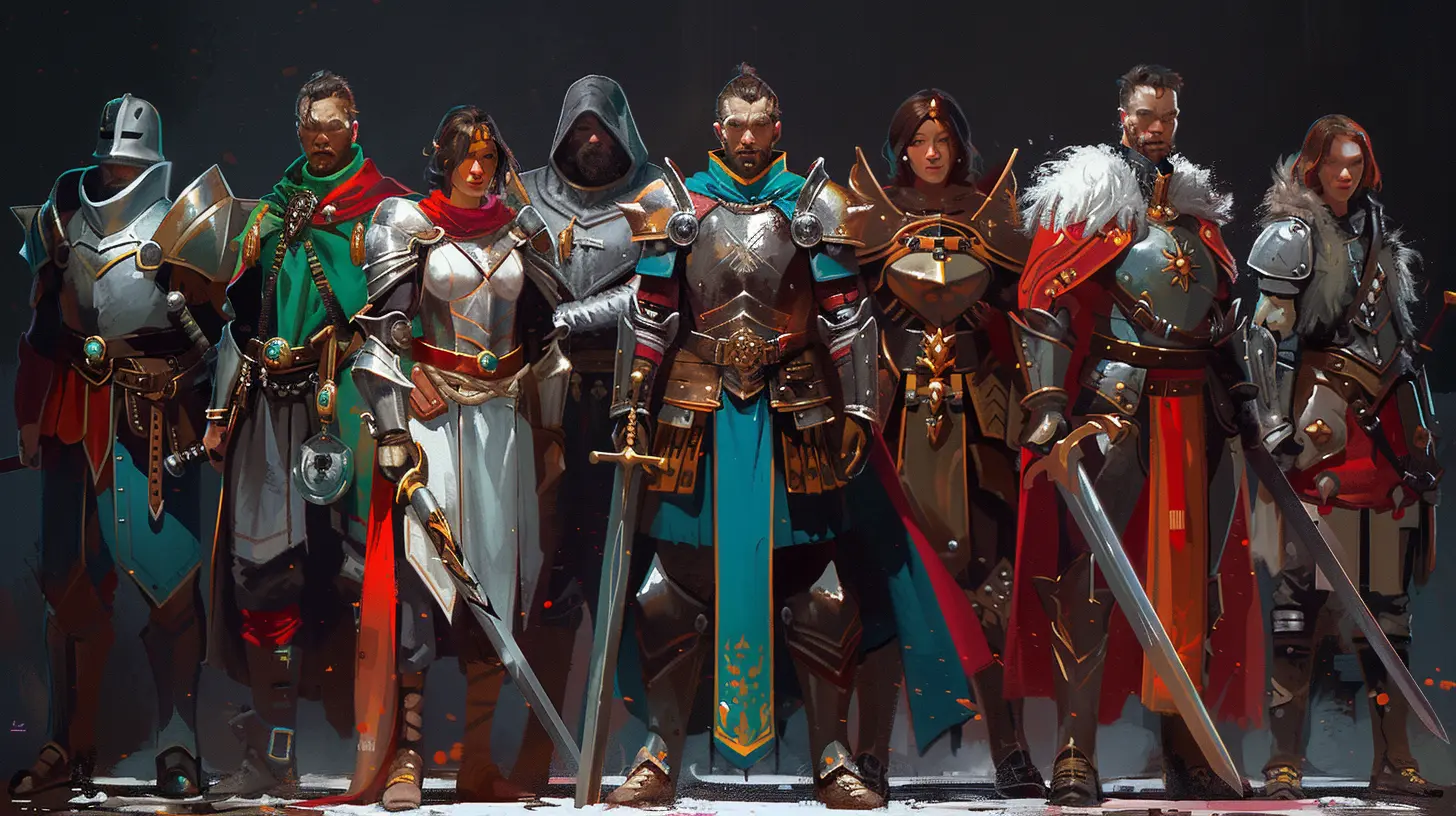
Step One: Give Them a Purpose Beyond the Plot
A common mistake with side characters is reducing them to simple plot tools. "This character only exists to give you a quest." Nope, that’s a one-way ticket to forgettable-town.Great side characters have their own ambitions, motivations, and arcs. They might help the player along the way, yes. But their existence shouldn’t revolve around the protagonist. Their personal journey should feel like it's taking place with or without player interaction.
Take Red Dead Redemption 2 as an example. Nearly every member of the Van der Linde gang has a story. You learn their fears, dreams, and struggles. You can spend hours just occupying their world, really getting to know them—sometimes even more than the main storyline allows.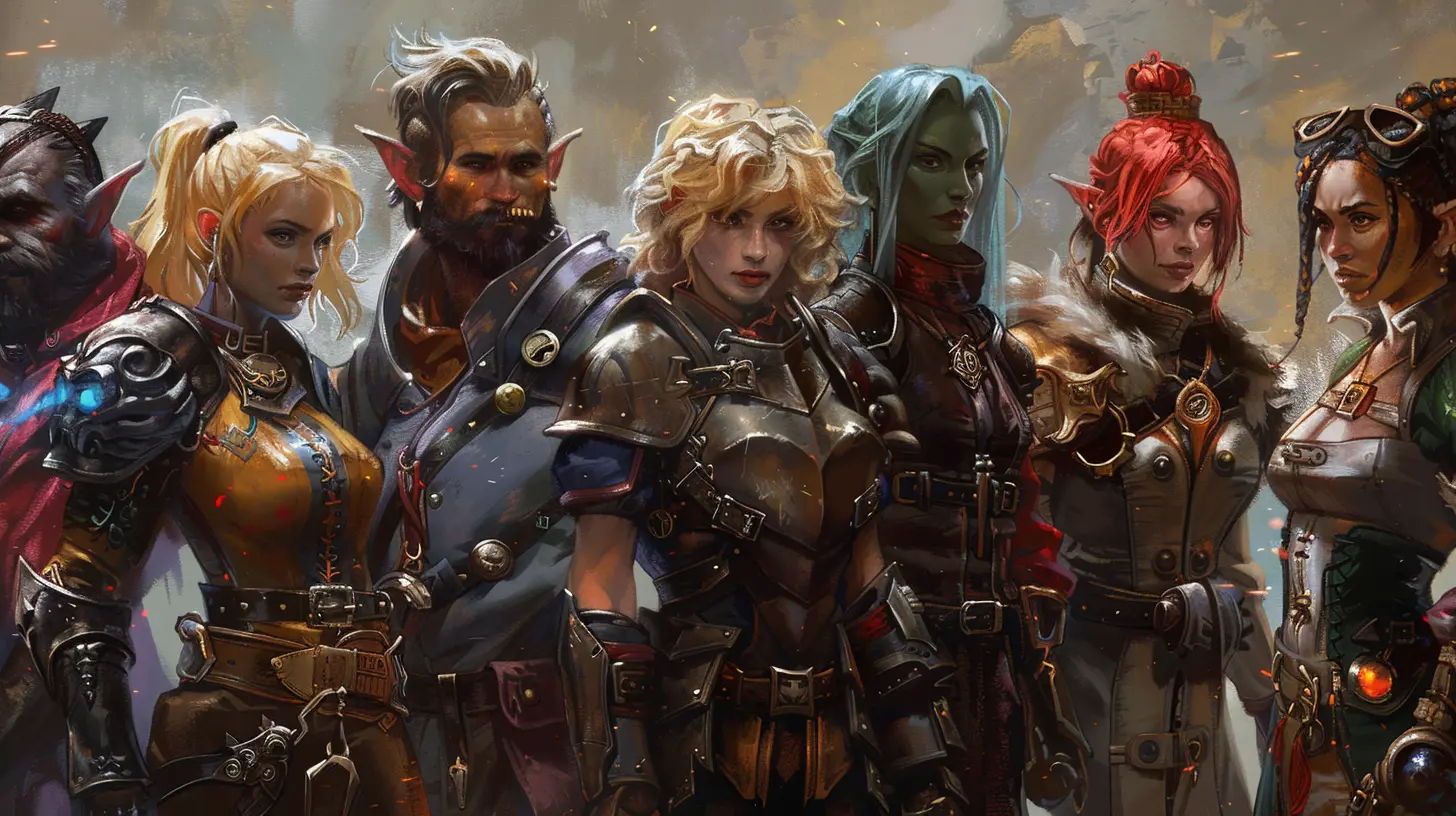
Step Two: Make Them Relatable (or Purposefully Not)
Here’s the thing: not all side characters need to be likable. Some of the best ones aren’t. But they need to be interesting.Whether it’s a sarcastic rogue you begrudgingly admire or a morally gray villain with a tragic backstory, compelling side characters create contrast. They challenge your views, add tension, and make you feel something.
The key is relatability in some shape or form. Maybe their motivations come from a place of pain, loss, or love. Maybe they’re funny because they use humor to cover up insecurity. Give us something that makes us say, “Yeah, I get it.”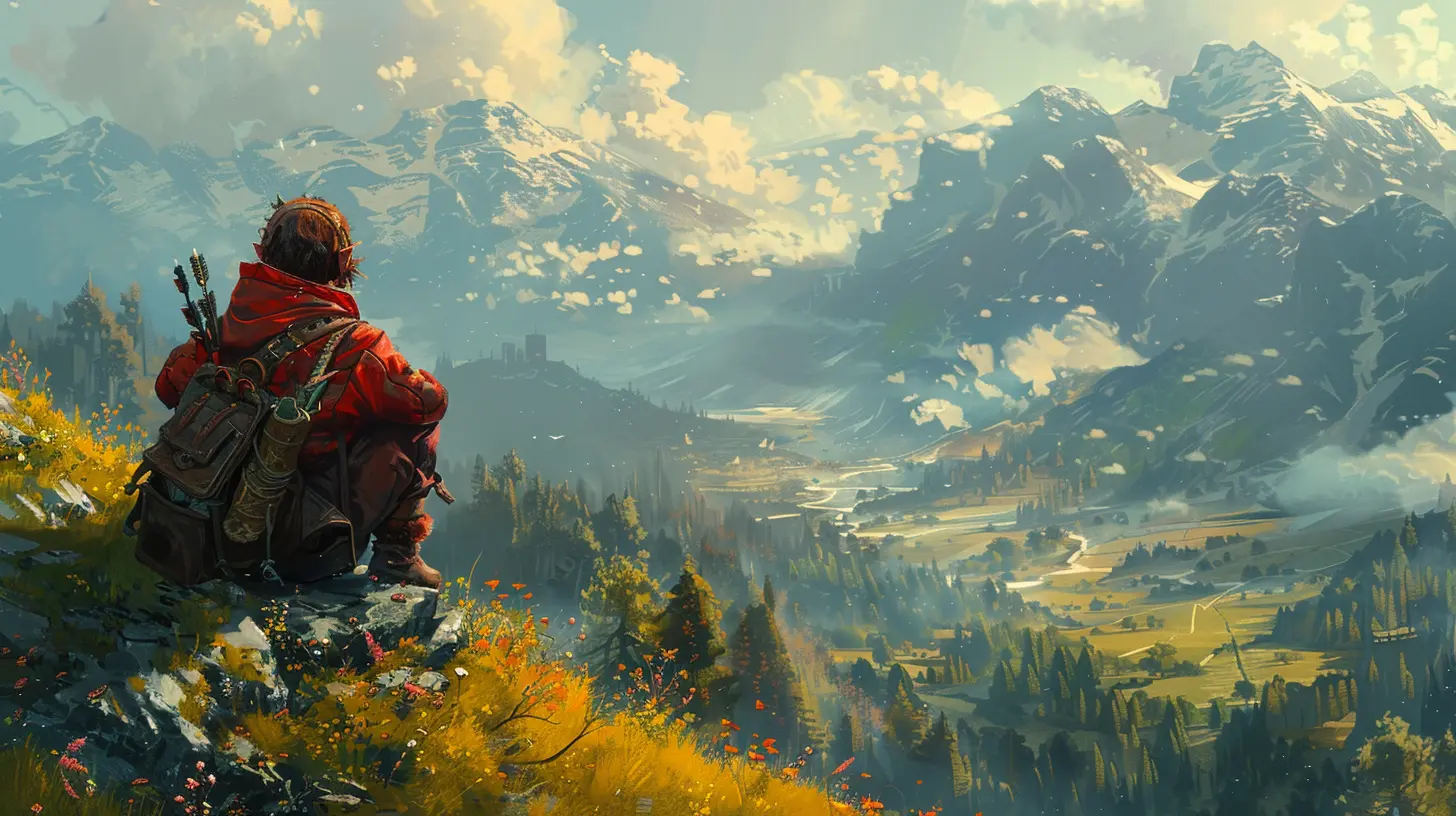
Step Three: Dialogue That Pops (Not Generic Filler)
We’ve all been there—walking up to an NPC who says the same line every time you interact with them.Meaningful side characters need meaningful dialogue. That doesn’t mean every word needs to be Shakespearean poetry, but it should serve more than just function. Think about:
- Voice and tone: Do they have an accent? Do they speak formally or casually?
- Personality quirks: Maybe they hate cats for some strange reason or argue with themselves.
- Consistency: Their dialogue should evolve as the player progresses or as the world changes.
Games like Dragon Age and Persona 5 absolutely thrive at this. Dialogue feels natural, layered, and responsive. It’s not just lines—it’s conversation.
Step Four: Let Them Grow or Change
One dimensional characters are boring. The best side characters evolve—even if it’s subtle.Think of Alistair from Dragon Age: Origins—a character who starts as a humorous, slightly awkward knight but can grow into a hardened leader depending on your actions. That’s character development.
Players love seeing an arc unfold. It could be a shy mage finding confidence, a rogue opening up about their past, or even a once-loyal ally turning traitor. Change keeps things dynamic and gives the player a sense of impact.
Step Five: Create Unique Visual and Audio Identities
Design matters. A lot. We’re visual (and auditory) creatures. The second we see a character who looks distinct or hear a memorable voice, they stick with us.Ever noticed how certain side characters stand out just because of their hat, hairstyle, or walk? That’s no accident. Great design helps define personality before a word is even spoken.
And voice? Oh man, voice acting can make or break a character. A well-delivered line, a unique accent, or even a signature catchphrase can etch a character into our memory permanently.
Step Six: Give Them Agency
This one’s huge: let side characters make their own choices.Side characters shouldn’t just be passive followers who nod along. Let them disagree with you. Question your path. Make decisions on their own that matter. Some might betray you, others might sacrifice themselves—real agency makes characters feel real.
In Mass Effect, your crew members can die depending on how you prepare for missions. Your choices affect their fate, sure—but their personalities, fears, and strengths also determine how things play out. That’s how you create drama that sticks with players.
Step Seven: Use Them to Reflect the Player
One of the smartest uses for side characters? Making them a mirror for the player and their decisions.Let’s say you’ve been playing like a total jerk. Have one of your companions call you out. Or if you’ve shown compassion, maybe a closed-off character eventually opens up. These dynamic reactions reinforce your role in the world and make your choices feel significant.
It’s storytelling judo—using your surroundings (in this case, characters) to reinforce your own narrative weight.
Step Eight: Plant Seeds for Curiosity
Want to make a side character that players truly obsess over? Leave room for mystery.Not every detail needs to be handed over immediately. Maybe they allude to a dark past. Maybe they go quiet when asked about their family. That intrigue drives engagement. Players will dig deeper, theorize, and invest emotionally.
Remember how people talked about Aerith in Final Fantasy VII before the remake? That’s the power of mystery and character depth working together like a charm.
Step Nine: Tie Side Quests Deeply into Character
Side quests should never feel like busywork. Ideally, they should reveal something important about the character offering them.Yes, fetch quests exist. But what if that fetch quest ends with a character crying over a memento from their dead partner? Or what if that monster-hunting job turns into a tale about protecting their village?
Games like The Witcher 3 and Cyberpunk 2077 absolutely nail character-driven side quests. They feel like mini-novels. You walk away knowing more about the world and the people in it.
Step Ten: Make Them Memorable—Even After They're Gone
Here’s the final kicker—meaningful side characters leave a lasting impression. Even after the game ends, we remember them. Quote them. Miss them.Why? Because they did more than fill space. They fought alongside us. Laughed with us. Challenged us. Grew with us. Sometimes… they even broke our hearts.
And that, my friends, is what separates a “decent NPC” from an unforgettable legend.
Bonus: Famous Examples That Nailed It
Let’s talk about a few side characters that absolutely delivered:- Ciri from The Witcher 3: Not just a powerful warrior, but a richly developed character with emotional layers and a deep bond with Geralt.
- Tifa Lockhart from Final Fantasy VII: Strong, nuanced, and vital to the emotional core of the story.
- HK-47 from Star Wars: Knights of the Old Republic: Hilariously homicidal, yet incredibly insightful.
- Dogmeat from Fallout 4: Who knew a silent companion could create such strong emotional attachment?
Each of them brought something unique to the table. Personality. Depth. Memorable moments. That’s the standard worth aiming for.
Final Thoughts
Crafting meaningful side characters isn’t about giving them more lines or dressing them in cool outfits. It’s about treating them like real people. People with pasts, dreams, flaws, and choices of their own.In the best games, side characters do more than support the hero—they enrich the entire world. And if you’re a writer, dev, or creative professional out there? Don’t just “add” side characters. Build them with love. They might just become the heart of your game.
all images in this post were generated using AI tools
Category:
Rpg GamesAuthor:

Leif Coleman
Discussion
rate this article
2 comments
Sabina McFarlane
In the shadows of heroes, side characters weave their tales, vibrant threads in the fabric of the story. Each quirky quirk and silent struggle breathes life into the journey, inviting players to pause and reflect. In their depths, we find the essence of true connection.
August 24, 2026 at 4:19 AM
Leif Coleman
Absolutely, side characters bring depth and complexity. Their unique traits and struggles resonate, enriching the main narrative and inviting players to truly engage.
Verity McQuillen
This article beautifully highlights the importance of side characters in gaming. Their unique stories and experiences add depth, making the main narrative even richer. It's a reminder that even minor roles can leave a lasting impact on players... well said!
June 29, 2026 at 3:08 AM
Leif Coleman
Thank you! I'm glad you appreciated the focus on side characters. They really do enhance the overall experience in gaming.