The Best Narrative-Driven Games Made in Unreal Engine
7 May 2026
Alright, gamers and story junkies—gather 'round, because we’re diving deep into the mesmerizing world of narrative-driven games crafted with that beautiful beast of a tool known as Unreal Engine. If you’re someone who prefers gripping stories over mindless button-mashing, buckle up. You're about to go on a wild ride through some of the most emotionally potent, jaw-droppingly gorgeous, and downright unforgettable gaming experiences ever built.
We’re not just talking “cutscene + mission” here. Nope. We’re talking about games that slap you with feels, make you question your morals, or leave you staring at your screen at 2 AM whispering, “Wait… what just happened?”
So, whether you’re wielding a controller like a drama-hungry Shakespearean sword or just wanna see what the Unreal Engine is really capable of storytelling-wise—this one’s for you.
Why Unreal Engine Is a Storyteller’s Dream
Before we get too deep into the pixelated trenches, let’s have a quick heart-to-heart about Unreal Engine. This engine isn’t just a pretty face. Sure, it delivers absolutely killer graphics, but it’s the behind-the-scenes wizardry that makes it a storytelling powerhouse.Unreal Engine (especially Unreal Engine 4 and 5) gives developers the tools to craft lifelike environments, hyper-realistic facial animations, and cinematic lighting that can make a pixel cry. Combine that with dynamic sound design and intuitive narrative scripting tools, and you've got the perfect recipe for storytelling magic.
In short? Unreal Engine is the Broadway stage of game engines. And some developers have turned it into Shakespeare with joysticks.
The Heavy Hitters: Narrative-Driven Games That Nailed It
Alright, time to roll up the sleeves. These titles didn’t just tell stories—they lived, breathed, and bled narrative from every polygon.? Hellblade: Senua’s Sacrifice
If narrative could punch you in the soul, this would be it.Developer: Ninja Theory
Engine Version: Unreal Engine 4
This game isn’t just about visual eye-candy—though let’s be honest, it’s drop-dead gorgeous. It’s a deep, gritty dive into mental illness, mythology, and personal trauma. You play as Senua, a Celtic warrior on a hallucinogenic quest through Viking hell to save her lover’s soul. NBD, right?
The game uses 3D binaural audio and stunning motion capture to pull you into Senua’s fractured psyche. It’s raw, unpolished (in a good way), and unnervingly real. And Unreal Engine 4 makes every twisted hallucination look like a masterpiece painted by madness itself.
? Pro Tip: Wear headphones. Trust me.
? Life is Strange Series (True Colors Especially)
Developer: Deck Nine (True Colors), Dontnod Entertainment (original)Engine Version: Unreal Engine 4
Okay, now let’s slow it down a bit and talk about feelings. Remember those? "Life is Strange: True Colors" swings the emotional pendulum hard.
You play as Alex Chen, who has the power to absorb and manipulate emotions. Yeah, kinda like a superpowered empath who listens to Phoebe Bridgers and solves small-town mysteries.
It’s not just a game, it’s a vibe. The Unreal Engine does wonders here—those facial animations? Chef’s kiss. The color-coded aura systems? They hit different. And the storytelling? It's like your favorite YA Netflix drama, but interactive, meaningful, and without the teenage cringe.
? What Remains of Edith Finch
Developer: Giant SparrowEngine Version: Unreal Engine 4
This one’s an indie darling with big narrative chops. It’s like walking through a surrealist short story collection, where each tale is told differently—in both gameplay and art style.
You’re Edith, the last surviving member of the Finch family. You return to your ancestral home to uncover the tragedy-stricken stories of your oh-so-cursed kin.
It's intimate. It's strange. It’s beautiful in that “wait, am I crying over a fish factory sequence?” kind of way. Unreal Engine lets this game shapeshift between fantasy, horror, and slice-of-life in the blink of an eye.
? The Vanishing of Ethan Carter
Developer: The AstronautsEngine Version: Unreal Engine 4
Imagine Twin Peaks meets a supernatural detective story. That’s the energy "The Vanishing of Ethan Carter" brings to the table.
You play a psychic detective (yeah, that's a thing) investigating the mysterious disappearance of a young boy. The setting? A hauntingly beautiful slice of rural America, rendered with such photorealistic detail that you’ll want to frame a screenshot as your new desktop wallpaper.
The gameplay's minimalist, but the atmosphere and storytelling? Off the charts. This is one of those games that’ll linger in your brain like a cryptic poem long after the credits roll.
?️ Deliver Us The Moon
Developer: KeokeN InteractiveEngine Version: Unreal Engine 4
Alright, space nerds, this one’s for you.
The Earth? Doomed. You? The last astronaut sent to see what the heck happened to the lunar energy facility that once powered our dying blue planet.
"Deliver Us The Moon" is like Interstellar meets an escape room in the best way possible. There’s loneliness, desperation, and just enough hope to keep you stepping into dark corners of abandoned space stations.
Unreal Engine gives space the cold, echoing ambiance it deserves. And the story? It’s surprisingly touching. A must-play for sci-fi stans.
? A Plague Tale: Innocence and Requiem
Developer: Asobo StudioEngine Version: Unreal Engine 4
Rats. So many rats. But also an incredibly touching story about siblings surviving the cruelty of medieval France while dodging both the Inquisition and supernatural freakiness.
You play as Amicia, a teenager caring for her little brother Hugo who, spoiler, has mysterious powers.
This game balances puzzle-solving, stealth, and heart-wrenching narrative beats. The environments are lush and bleak simultaneously, thanks to Unreal’s lighting tech. And those rats? They’re powered by some dark sorcery of code, swarming the screen like a horror ballet.
The Up-and-Comers: Indie Darlings Worth Your Attention
Not every game needs a triple-A budget to deliver a narrative punch to the gut. These Unreal-powered indie titles are bringing the heat—and the heartbreak.? The Invincible
Developer: Starward IndustriesEngine Version: Unreal Engine 4/5 Hybrid
Based on the novel by Stanisław Lem, this philosophical sci-fi game asks the big questions: What makes us human? Should we play god? Why does space always look like an artsy desktop wallpaper?
The narrative's slow-burning, mysterious, and cerebral—a real treat for folks who prefer thinking over shooting. Unreal Engine makes the dusty planet Regis III feel both eerily quiet and undeniably alive.
? Lost Ember
Developer: Mooneye StudiosEngine Version: Unreal Engine 4
You’re a wolf. With the ability to possess other animals. And you’re exploring a fallen civilization to uncover your past life.
Sounds like a Pixar movie on an ayahuasca trip, right? But dang, it works.
"Lost Ember" is a narrative treasure, softly guiding you through emotional twists and gorgeous landscapes. The game feels like poetry in motion, with Unreal Engine helping every leaf and lake shimmer with purpose.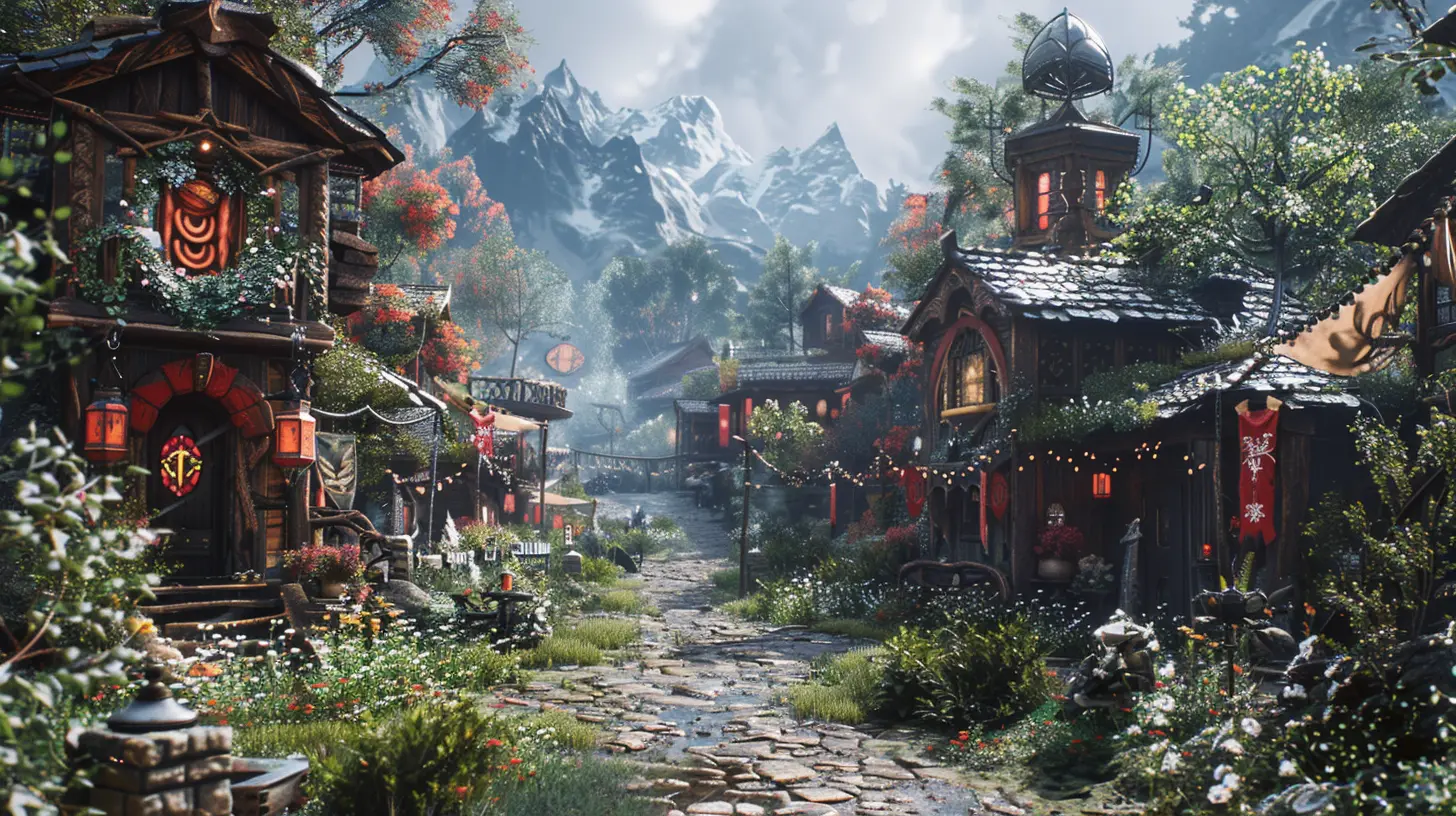
Upcoming Unreal Engine Story-Gods We’re Hyped For
Let’s glance into the future, because Unreal Engine 5 is here and it’s not messing around. Here's what we’ve got our eyes on.? Project M (NCSoft)
Teased as a jaw-dropping interactive story experience, "Project M" features hyper-realistic characters and cinematic storytelling. The trailer alone looks like it was directed by Christopher Nolan—but with more digital sweat.If this doesn't land in the Best Narrative Game awards conversations, I’ll eat my RGB keyboard.
? Senua’s Saga: Hellblade II
Hellblade II is out here trying to spiritually and emotionally end us again, and we are ready. The trailers already showcase next-level facial animation and brutal Viking vibes, all wrapped in the powerful Unreal Engine 5 package.Honestly? Prepare your soul.
TL;DR—Unreal Engine Is the Ultimate Digital Storybook
Let’s be real—when it comes to narrative-heavy games, Unreal Engine isn’t just a silent partner in crime. It’s the whole dang getaway car. Its power allows creators to throw players into emotionally dense, visually immersive, and mechanically unique worlds where the story is the experience.From mind-bending indie gems to blockbuster tearjerkers, Unreal Engine helps deliver storytelling at its absolute peak. So next time someone says “games can’t be art,” hand them a controller, load up one of these narrative giants, and prepare for their silence.
Because some stories aren’t just told—they’re played.
all images in this post were generated using AI tools
Category:
Unreal Engine GamesAuthor:

Leif Coleman
Discussion
rate this article
2 comments
Maisie Hensley
Unreal Engine really brings stories to life! I love how these games immerse you in their worlds. Great choices in this article, can't wait to play more!
May 23, 2026 at 3:27 AM
Leif Coleman
Thanks for your enthusiasm! I'm glad you enjoyed the article. Unreal Engine truly does create amazing worlds. Happy gaming!
Callista McNeal
Unreal Engine has become a canvas for breathtaking storytelling. The best narrative-driven games showcase not just stunning visuals but also deep emotional experiences. These titles invite players into worlds that resonate long after the credits roll. Dive in and explore the power of narrative in interactive entertainment!
May 13, 2026 at 3:14 PM
Leif Coleman
Absolutely! Unreal Engine really elevates storytelling in games, blending visuals and emotion in powerful ways. It's exciting to see how these narratives stick with players long after they finish.