The Ethics of Modding Online Multiplayer Games
15 May 2026
Ah, modding. That magical touch gamers use to tweak, bend, and sometimes completely overhaul games to suit their desires. Whether it’s adding a new character skin, boosting visuals, or creating entirely new maps, mods have become a staple in the gaming world. Sounds harmless, right?
Well, not always.
When it comes to single-player games, modding is usually celebrated. But when mods enter the realm of online multiplayer games — where your actions directly impact other players — the waters get a whole lot murkier. We're now talking about ethics, fair play, community dynamics, and in some cases, outright cheating.
So, let’s dive deep into the grey, glitchy world of modding online multiplayer games and figure out where we draw the line.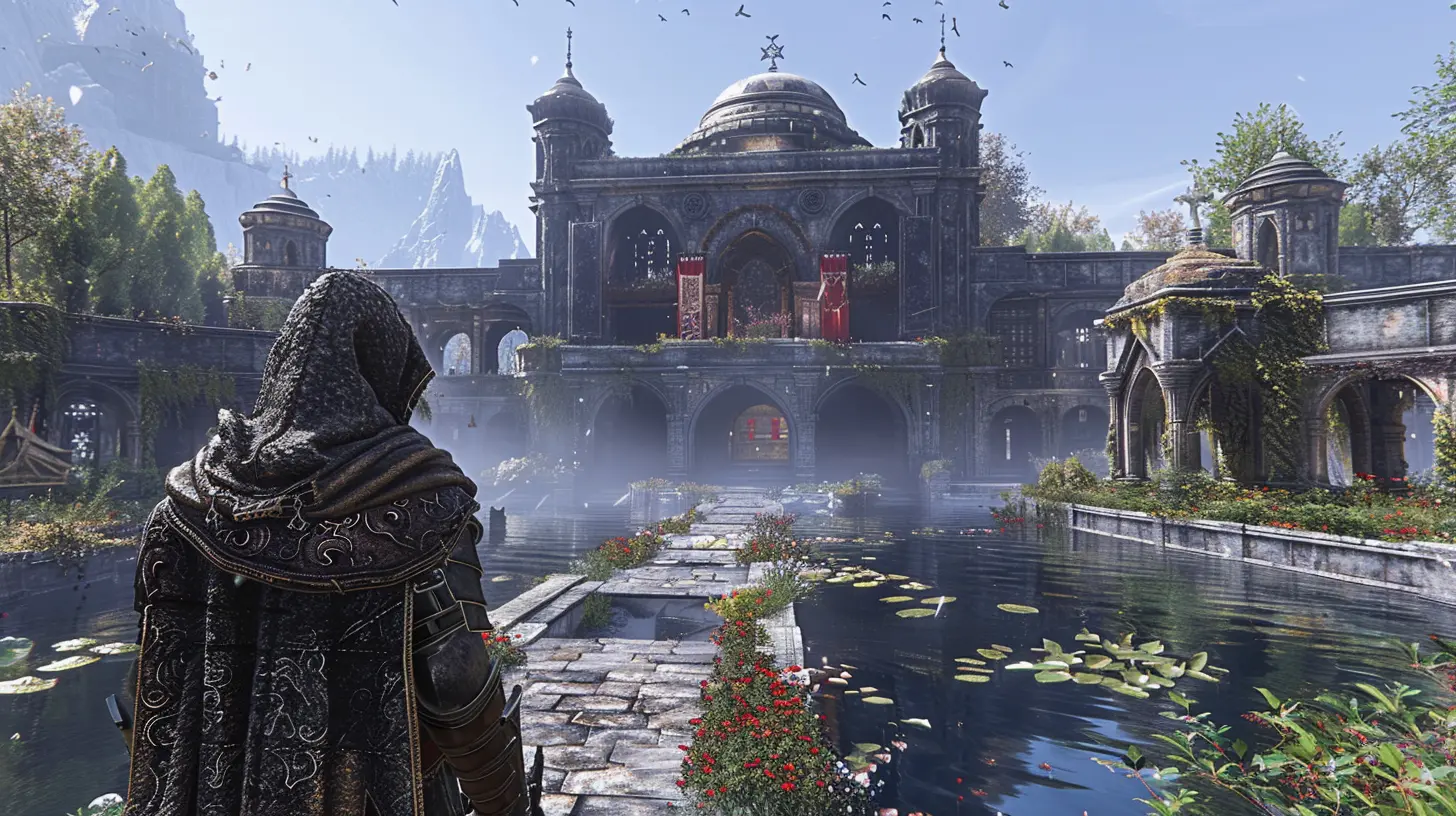
What Exactly Is Modding?
Let’s start with the basics. Modding, short for "modifying," is when players alter a game's content in some way. This could mean cosmetic tweaks like changing outfits or user interfaces. Or, it could be game-changing (literally) alterations like adding new weapons, abilities, or even overriding in-game systems.Mods are often created by passionate fans who love the game enough to improve or expand upon it. And in many cases, developers encourage this kind of creativity — especially for single-player or offline experiences.
But online is a different beast.
Why Mod Multiplayer Games?
Good question. Not all modders have evil intentions. Sometimes, people just want a more fun or personalized experience:- Maybe you're bored of the vanilla experience and want a fresh feel.
- Perhaps you're experimenting with accessibility mods to make the game more playable.
- Or maybe you're simply trying out visual enhancements that don’t affect gameplay.
But then… there are the mods that give players an edge. You know the ones — wallhacks, aim bots, speed boosts, and other “enhancements” that can completely ruin the integrity of competitive play.
The Slippery Slope: Where It Goes Wrong
Here’s the deal — once someone gains an advantage over others in an unfair way, we’ve got a problem. Online multiplayer games are built on competition and cooperation. Whether it's a team-based shooter or a massive open-world RPG with multiplayer elements, fairness is the name of the game.Imagine playing a friendly game of soccer, but one team secretly swapped their cleats for jetpacks. Sounds ridiculous, right? That’s what cheating mods feel like to many players.
Types of Problematic Mods in Multiplayer Games
Let’s break it down. Here are a few kinds of mods that make the ethical alarm bells ring:- Cheat Mods: Aim bots, teleport hacks, invincibility—basically anything that breaks the game’s balance.
- Pay-to-Win Mods: Mods that unlock premium content or boosts without paying, giving unfair advantages.
- Griefing Tools: Mods used to harass or ruin the experience for others (spawn killing mods, crash exploits, etc.).
- Bots and Farm Tools: Used in MMORPGs or similar games to farm in-game currency or items, devaluing the economy.
None of these are ethical. They hurt other players, damage the game’s ecosystem, and degrade the developer's work.
Is Any Modding in Online Games Ethical?
Yes and no. It depends on a few key things:1. Game Developer Policies
First and foremost, what do the devs say? Some developers allow for certain types of mods in multiplayer games — typically those that are cosmetic or enhance the UI (like damage meters or minimap tweaks). If it’s allowed by official guidelines, then you're generally in safe territory.But if you're going against the developer's terms of service, you’re treading on thin ice. At best, you risk a ban. At worst, you’re hurting the community.
2. Impact on Other Players
Does your mod affect other people’s experience? If yes, that’s where the ethical line begins to blur. Mods that affect only your system and don't influence gameplay — like better visuals or accessibility enhancements — are usually fine. But the moment it gives you a leg-up or disrupts others, you’re effectively cheating.3. Intent Matters — But It's Not Everything
Some modders claim they didn’t mean to cheat — they just installed a mod they thought was cool. But intent doesn’t erase impact. If a visual mod unintentionally removes fog and gives you a visibility advantage in shooters, it’s still unfair, even if that wasn't the goal.Real-World Consequences of Unethical Modding
You might think, “It’s just a game — chill out.” But unethical modding in multiplayer games can have some serious repercussions:- Game Bans: Anti-cheat systems like Easy Anti-Cheat or BattlEye are ruthless. Get caught modding inappropriately, and you could be permanently banned.
- Community Backlash: If players discover you're cheating or exploiting mods, your reputation’s toast. No one wants that one guy on their team who bends the rules.
- Broken In-Game Economies: In games with in-game markets (like MMORPGs), botting or farming mods can ruin economies and affect real-world financial investments.
- Developer Strain: Dev teams spend tons of time fighting mod-related issues rather than improving the game. That hurts everyone in the long run.
Where Do We Go From Here?
So what should the gaming community do about it? It’s a balancing act between creativity and fairness.1. Push for Clearer Mod Guidelines
Developers need to be crystal clear about what’s allowed and what’s not. Vague rules create confusion, and players often mod first and ask questions later.2. Support Official Modding Tools
Some games — like Minecraft, Skyrim, and even some multiplayer titles — offer mod support with clear boundaries. This keeps creative minds engaged without breaking the game.3. Educate the Community
Not everyone understands the consequences of modding. Community leaders, streamers, and forums can help spread the word on what’s okay and what’s not.4. Use Mods Responsibly
If you're a modder, ask yourself a few questions:- Does this give me an advantage?
- Could this ruin another player's experience?
- Is this against the game’s rules?
If there's even a hint of yes in those answers, it’s probably best to back off.
Modding vs. Cheating: A Thin Line
Let’s be honest — the line between modding and cheating isn’t always a bright neon sign. Sometimes it’s a blurry, foggy mess. Some players genuinely don't realize a mod is unethical until it’s too late.But here’s the golden rule: in any multiplayer environment, if you’re altering the game in a way that affects gameplay or someone else’s experience, it’s time to pause and rethink. Just because you can doesn’t mean you should.
The Developer’s Dilemma
Game developers have a tough job. On one hand, mods can extend the life and popularity of a game. On the other hand, they have to make sure the game stays fair and secure — especially in competitive scenes.Some devs embrace mods, offering APIs and SDKs for safe modding. Others take a hardline approach and ban almost all mods in online modes. Neither is wrong — it depends on the game, its genre, and its community dynamics.
The Future of Modding in Online Games
We’re probably heading toward more hybrid solutions. Official mod marketplaces, mod whitelists, and tighter community governance might be the future. Think of it as a ‘modding sandbox’ where everyone understands the rules.With AI and machine learning getting better at sniffing out cheaters, unethical mods may have a shorter shelf life. But that also means honest modders need to be more careful than ever not to get caught in false positives.
Final Thoughts: Be Cool, Play Fair
At the end of the day, gaming is about having fun — but not at the expense of someone else's enjoyment. Modding is a powerful tool, and like any tool, it can be used to build or destroy.So if you love tinkering with games, go for it. Just remember that when you’re in a shared online space, you’ve got a responsibility to keep things fair and respectful. Because when everyone follows the rules, the game becomes a better experience for all.
Being a gamer is about skill, creativity, and community. Let’s keep it that way.
all images in this post were generated using AI tools
Category:
Game ModsAuthor:

Leif Coleman
Discussion
rate this article
2 comments
Silas Wells
Modding in online multiplayer games raises complex ethical questions. While creativity and community enhancement are key benefits, issues of fairness and integrity come to the forefront. Developers must balance innovation with the game's core values, ensuring that modifications enrich rather than undermine the shared experience.
June 25, 2026 at 3:48 AM
Leif Coleman
I appreciate your insights. Balancing creativity with fairness is crucial in modding. It's about enhancing the experience without compromising the game's integrity.
Jocelyn McGehee
Modding can enhance gameplay, but it must respect developers' intentions and maintain fair competition among players.
June 2, 2026 at 4:53 PM
Leif Coleman
I agree, balancing creativity with developers' visions is crucial for a healthy gaming community. Mods should enhance, not undermine, the core experience.