The Evolution of Game Collecting from Cartridges to Digital
30 December 2025
Game collecting used to be a lot like treasure hunting. You’d scour local garage sales, hit up flea markets, or search the darkest corners of eBay just to find that one rare NES cartridge. That physical thrill of holding a game in your hands, popping it into a console, and watching it load up—that was gaming bliss. But fast forward a few decades and the scene has drastically changed. Today, digital downloads and cloud gaming are rewriting the rules, and the collector’s world has evolved in ways that nobody could’ve predicted.
So how did we get here? And what does collecting look like in this digital age? Let’s take a nostalgic dive through the history of game collecting—from chunky cartridges to downloadable titles that live in the cloud.
The Golden Age: Physical Cartridges and Tangible Treasures
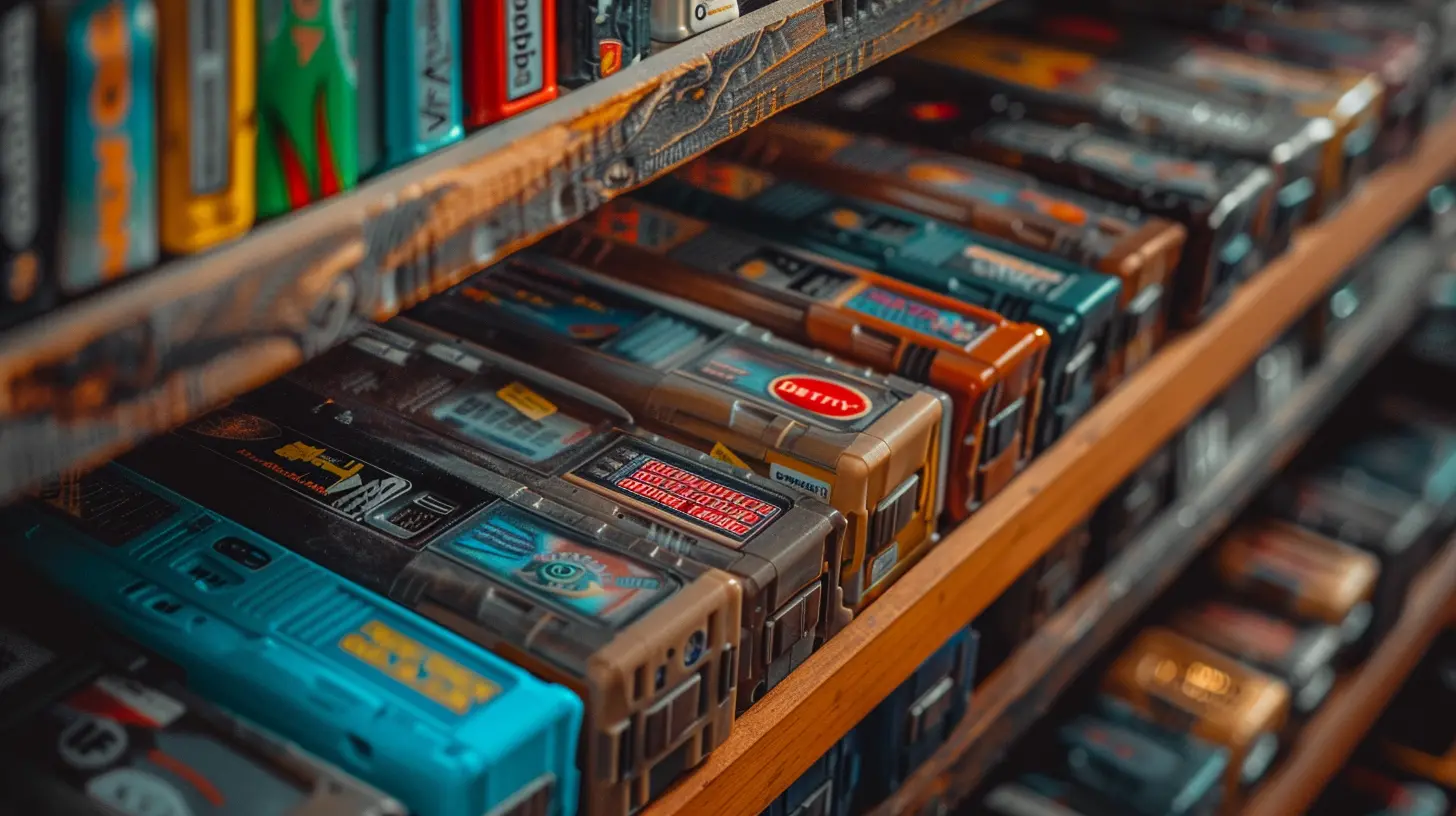
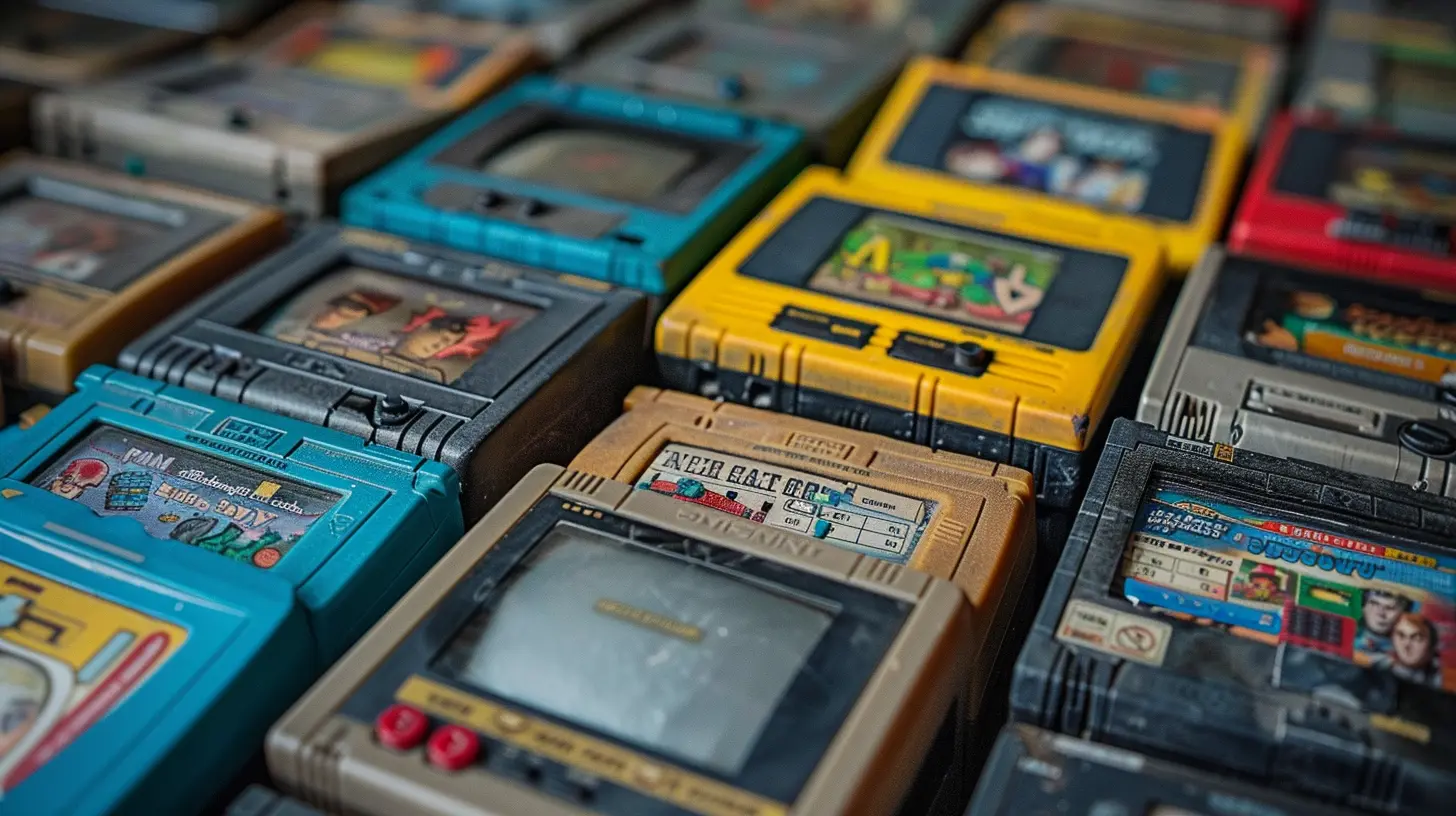
Remember when games came in big boxes with colorful artwork and thick manuals? That was the golden era. In the '80s and '90s, cartridges were king. NES, SNES, Sega Genesis—they all came on plastic cartridges that practically screamed "collector's item."Why Cartridges Were Special
Cartridges weren’t just a way to play games; they were a whole vibe. Each one was a physical piece of gaming culture. You could line them up on your shelf like trophies, trade them with friends, or pass them down like family heirlooms.You didn’t just own a game—you owned a piece of a console’s legacy.
The Rise of the Collector
Back then, game collecting wasn’t a mainstream hobby. But as gamers grew older and nostalgia kicked in, the value of these old cartridges skyrocketed. Rare finds like EarthBound on SNES or Stadium Events on the NES? Holy grails. Some of these games fetch thousands on auction sites today.Collectors didn’t just want to play the games—they wanted to preserve gaming history.
CDs, DVDs, and the Disc Generation
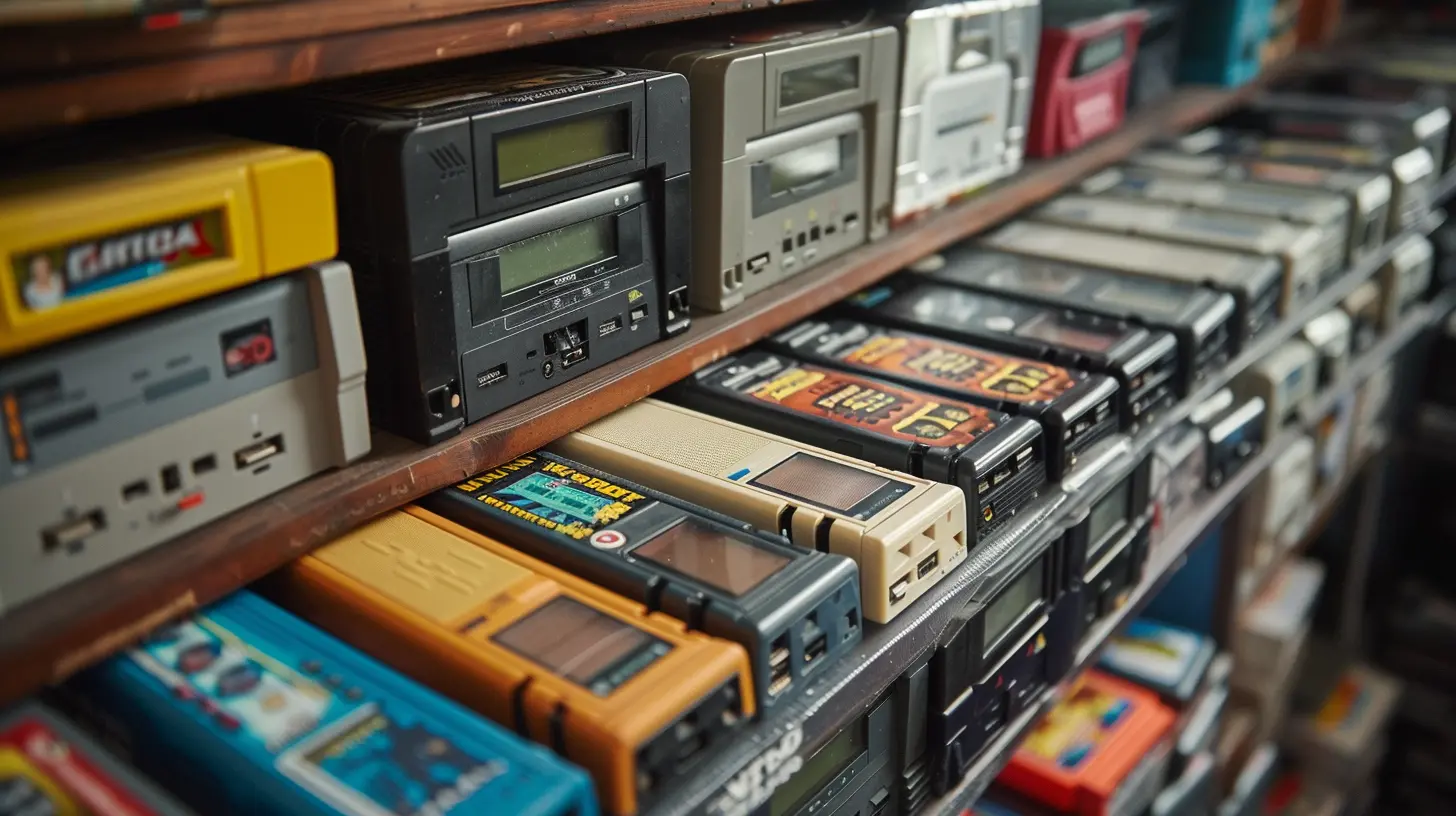
Then came the disc era. PlayStation, Xbox, and GameCube ushered in a new age where games came on CDs and DVDs. They were sleeker, cheaper to produce, and could hold way more data than cartridges ever could.The Double-Edged Sword of Discs
Sure, discs brought us better graphics and deeper gameplay. But let’s be honest—they weren’t as cool to collect. Those shiny little circles were fragile. One scratch and your favorite game could turn into a glorified coaster.Still, collectors adapted. Limited edition releases, metal cases, and bundle packs gave collectors something to chase.
The Birth of Digital Gaming
Here’s where things start to dramatically shift. The 2000s rolled in, and so did downloadable games. Services like Xbox Live Arcade, PlayStation Store, and Steam changed the game—literally.Convenience Over Collectibility
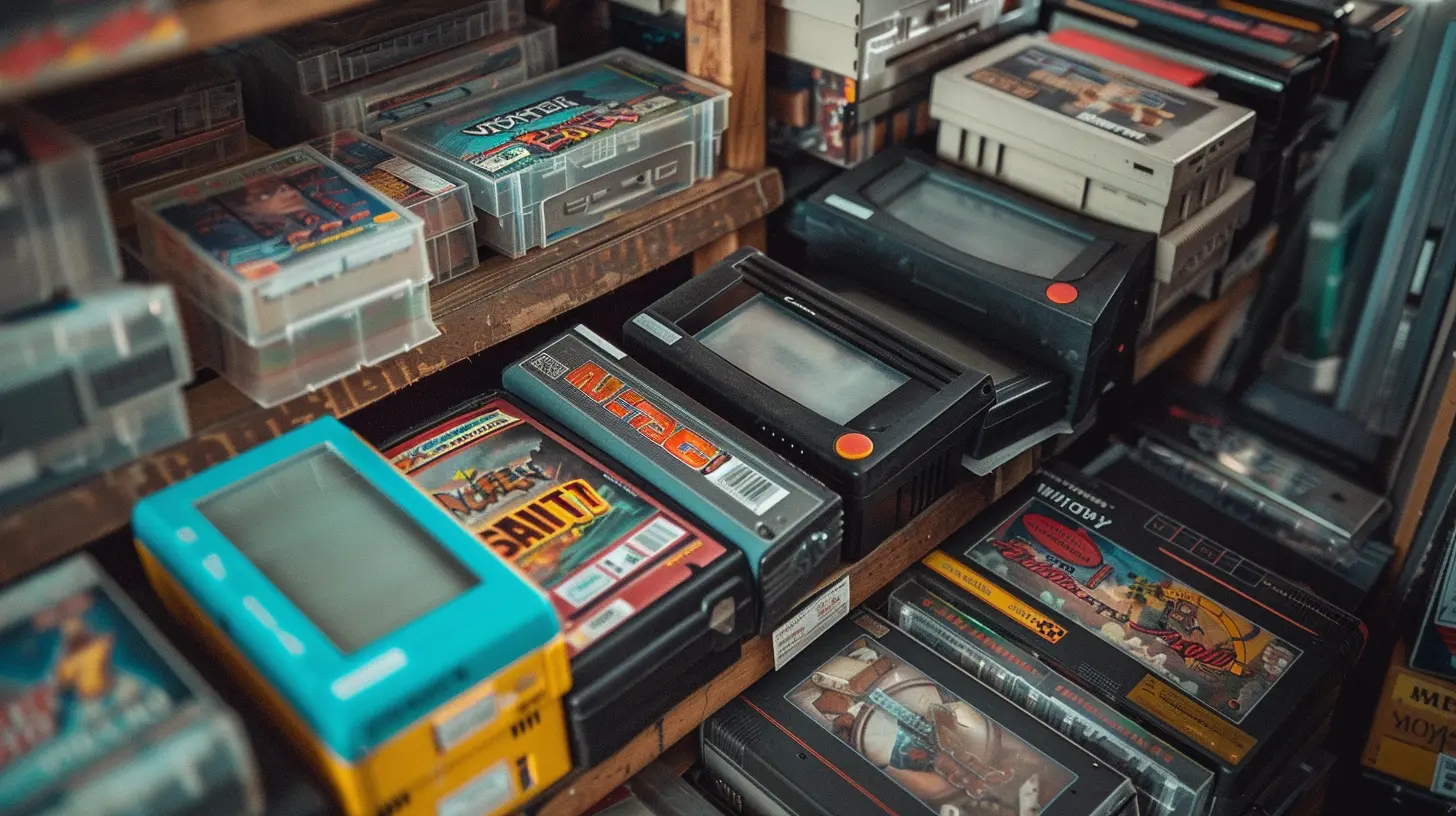
Digital downloads made gaming crazy convenient. No more waiting in line at midnight releases. No more cluttered shelves. Just buy, download, and play.But for collectors? This was a curveball.
You can’t put a digital game on display. You can’t really trade it. And if the digital storefront disappears (R.I.P. Wii Shop Channel), so does your game library. Scary, right?
The Era of Digital-Only Titles
Now, we’re fully immersed in the digital age. Many new games don’t even get physical releases. Indie developers often launch their titles exclusively online. And with services like Game Pass or PlayStation Plus, you can access hundreds of games without owning a single one.The Shift in What It Means to “Own” a Game
Here’s the kicker: with digital games, you’re not really “owning” them—you're licensing them. That means you’re at the mercy of servers and publisher decisions. If a game gets delisted or your account gets banned, poof—it’s gone.That’s led many long-time collectors to feel like something’s missing. The soul of collecting—the actual having—is fading away.
The Rise of Digital Game Collecting
But wait. Collecting didn’t die—it just adapted.Just as vinyl made a comeback for music lovers, digital collectors are finding ways to keep the spirit alive. Some track entire digital libraries as if they were physical collections. Steam comparison sites, trophy hunting, and achievement tracking have become the new collector’s checklist.
Limited Run Games and Physical Comebacks
Publishers took notice. Companies like Limited Run Games and Strictly Limited Games now offer physical copies of digital-only titles. These are often made in small batches, which naturally makes them hot collector items.Even big publishers have jumped on the retro bandwagon, releasing anniversary editions and remastered cartridge sets. Nostalgia sells, and collectors are eating it up.
Emulation and Preservation: The New Frontier
Another huge player in the modern game collecting scene is emulation. Think of emulators as the digital libraries of the future. They allow you to play old games on modern hardware, preserving classics that might otherwise disappear forever.Legal Gray Areas and Ethical Dilemmas
Sure, emulation can get messy legal-wise. But for preservationists, it’s not about piracy—it’s about keeping the history of gaming alive. When old games are locked behind outdated hardware or impossible-to-find physical copies, emulation keeps them accessible for future generations.NFTs and the Blockchain: Gimmick or the Next Big Thing?
Just when you thought it couldn’t get weirder, NFTs (non-fungible tokens) entered the chat. Some developers are exploring NFTs as a way to make digital game items—or even entire games—unique and collectible.Will This Catch On?
Honestly, who knows? Some see it as the future of digital ownership. Others see it as a cash grab. Either way, it’s proof that the idea of collecting is still alive and constantly evolving.
What’s the Future of Game Collecting?
If history has taught us anything, it’s that collecting will never go away—it just evolves.We might be moving toward a world where everything is streamed or cloud-based, but collectors will always find a way to make it physical. Whether it’s vinyl-style game releases, custom-built arcade cabinets, or even AI-enhanced retro consoles, the collector’s spirit will keep adapting.
How to Start Your Own Collection (Even Now)
Wanna jump into collecting but don’t know where to start? Here are a few tips:Start Small and Personal
Pick a console or era that’s meaningful to you. Maybe it’s the SNES you grew up with or the PS2 titles you played in college. Nostalgia is your best guide.Go for Quality Over Quantity
You don’t need a massive collection. A handful of well-maintained, meaningful games beats a shelf full of filler any day.Don’t Sleep on Digital
Even if you love physical media, don’t ignore the digital scene. Curate your library, track your achievements, and back up your purchases. It might not be tangible, but it’s definitely collectible.Watch the Market
Game values fluctuate like crazy. Just because a game isn’t worth much now doesn’t mean it won’t become a rarity in the future. Stay informed, and don’t overpay!
Final Thoughts
The evolution of game collecting from cartridges to digital mirrors the evolution of games themselves. It’s grown, changed, and adapted to technology, trends, and player habits. What started as a physical hobby now includes everything from cloud libraries to blockchain items.But at its core? Game collecting is still about passion. It’s about cherishing the memories, celebrating the culture, and preserving the history of gaming—one title at a time.
Whether you’re dusting off your old Game Boy or curating a Steam wishlist, you’re part of an ever-evolving legacy. And that? That’s pretty awesome.
all images in this post were generated using AI tools
Category:
Game CollectingAuthor:

Leif Coleman
Discussion
rate this article
3 comments
Hawk McPhee
This article brilliantly captures the seismic shift in game collecting. From the tactile joy of cartridges to the convenience of digital, it’s a fascinating evolution that reflects our changing culture.
April 5, 2026 at 3:24 PM
Leif Coleman
Thank you! I'm glad you found it engaging. It's interesting to see how these changes mirror broader cultural shifts.
Danica Meyers
Ah, the nostalgia of cartridges! While digital makes life easier, there’s something special about holding a game. Can't wait to see what’s next!
January 12, 2026 at 4:50 AM
Leif Coleman
Absolutely! There's a tangible charm to cartridges that digital can’t replicate. Exciting times ahead for collectors!
Kismet McCray
Game collecting has transformed dramatically, and frankly, it’s exhilarating. From the tactile thrill of cartridges to the convenience of digital libraries, this evolution reflects our shifting culture. Embrace it! Nostalgia has its place, but the future is here—let's celebrate the digital revolution and the possibilities it brings!
December 30, 2025 at 5:28 PM
Leif Coleman
Thank you for your insight! I completely agree—embracing both nostalgia and the digital future enriches our gaming experience and reflects our evolving culture. Let's celebrate this exciting transformation together!