The Evolution of Leveling Systems in RPGs
27 August 2026
If you’ve ever spent hours grinding slimes, goblins, or overgrown rats just to "ding" and gain a level in an RPG, you’ve already been part of one of the most iconic game mechanics in existence. Leveling systems are the backbone of role-playing games (RPGs). They give us a sense of growth, power, and progression. But they weren’t always this refined.
Over the years, RPGs have evolved significantly, and so have the systems that fuel character development. From the ancient days of stat-crunching in tabletop games to today’s dynamic, open-ended progression trees in modern digital RPGs, leveling systems have come a long, fascinating way.
Let’s take a journey through time and unpack how these systems have changed—and what that says about the way we play games today.
What Even Is a Leveling System?
In its simplest form, a leveling system is a way for a game to show that your character is getting stronger, smarter, or more skilled. You earn experience points (XP) through quests, battles, or exploration. Once you hit a certain threshold, ding!—your character levels up.You might unlock new skills, increase your stats, get better gear, or even gain access to new parts of the game world. It’s a reward loop that keeps you coming back for more. Like your morning coffee gives you energy, leveling gives your in-game journey drive.
The Tabletop Roots: Where It All Began
Before video games were even a thing, tabletop RPGs like Dungeons & Dragons (D&D) were already laying the groundwork. You started as a nobody and worked your way up to become a legendary hero. Leveling in D&D was slow and earned through storytelling and dice-rolling.It wasn’t just about killing monsters. You gained XP through creative roleplay, exploration, and decision-making. It was a system rooted in storytelling, and your character’s journey mattered as much as their stats.
The Old School Grind
Early video games inherited this idea—but with a twist. Games like the original Final Fantasy or Dragon Quest introduced grinding: fighting repetitive battles to gain levels. It was addictive but also... kinda exhausting. You had to put in the time to reap the rewards, and patience was key.Back then, leveling up was like climbing a mountain using only your hands. Each level gained felt like a real accomplishment because it took actual effort.
The Golden Age of JRPGs: Leveling Gets a Makeover
As we moved into the late '80s and early '90s, Japanese role-playing games (JRPGs) became the gold standard. Think Final Fantasy VI, Chrono Trigger, and Secret of Mana. These games started experimenting with new mechanics that made leveling more fun—and less grindy.XP and Beyond: Job Systems and Skill Trees
Instead of a straight-line progression, games began introducing options. Final Fantasy V brought in job systems, letting you choose roles like knights, mages, or monks. Each job had its own leveling tree, which gave players more control over their characters.It was like moving from a fixed menu to a buffet. You weren’t just leveling up; you were customizing your hero.
And who could forget the materia system in Final Fantasy VII? It turned your equipment into a progression system of its own, transforming how we thought about power and growth.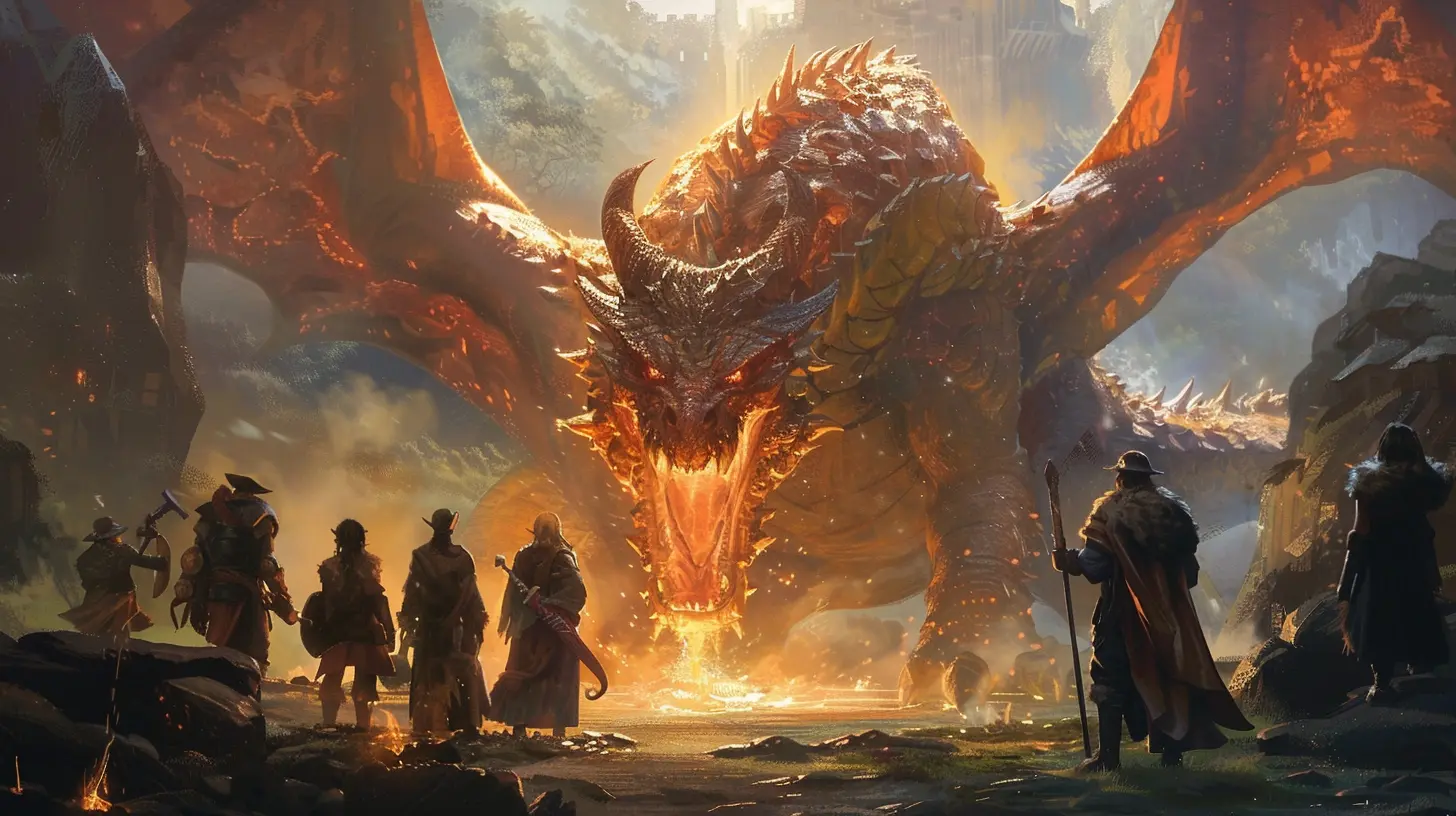
Western RPGs: Choice, Freedom, and Complexity
While JRPGs leaned into structured storytelling and linear progression, Western RPGs like Baldur’s Gate, The Elder Scrolls, and Fallout decided to hand the reins over to the player.Elder Scrolls: Level What You Use
Instead of giving XP for defeating enemies, Morrowind and Skyrim rewarded you for using your skills. You jump more? You get better at acrobatics. Sneak everywhere? Congrats, you’re now the Shadow! This created a more organic leveling system where your playstyle dictated your growth.It was immersive and made your character feel like a true reflection of you. No more cookie-cutter warriors—every player carved their own path.
Fallout’s Perks and Stats
Fallout added another spice to the soup. You’d gain perks with each level, and these were more than just stat boosts—they were game-changers. Want to talk your way out of combat? There's a perk for that. Prefer to go out guns blazing? Tons of options.This idea of choice—real, meaningful choice—turned leveling from a mundane task into a strategic decision-making experience.
MMOs Take the Stage: The Power of Progression
Massively Multiplayer Online RPGs (MMORPGs) like World of Warcraft, EverQuest, and Runescape changed the leveling game on a massive scale. They brought in social elements and made the process of leveling an event in itself.The Social Grind
Leveling became more than just improving your stats—it was about community, teamwork, and showing off. Ever seen someone in glowing armor and thought, “Whoa, they must be high level?” That status symbol feeling is all part of the MMO DNA.Suddenly, leveling wasn’t just a solo experience—it was a badge of honor.
Dailies, Quests, and Events
MMOs also introduced variety. Instead of endless grinding, you could run dungeons, do daily quests, or participate in world events. The grind was still there, sure, but it was cleverly masked behind fun activities.Plus, with expansions and level caps constantly increasing, the journey never really ended.
Action RPGs and Hybrids: Speed Meets Depth
As action gameplay started merging with RPG mechanics, we got a new breed of games like Dark Souls, The Witcher 3, and Hades. These games keep the heart of RPGs but wrap it in fast-paced, real-time combat.Dark Souls: The Pain and Reward
Let’s talk about Dark Souls—a game known for punishing you but also making every level feel earned. You use souls (XP) to level up stats, but die with those souls in hand? Say goodbye.It adds tension, strategy, and high-stakes decision-making to the leveling process. It’s like leveling on expert mode, and the satisfaction is unmatched.
The Witcher and Story Integration
In The Witcher 3, leveling felt more connected to the story. You grew with Geralt—not just mechanically, but emotionally. You weren’t grinding for numbers; you were evolving with the world and its challenges.It’s a great example of how modern RPGs are blending narrative and systems seamlessly.
Open-Ended Systems: Say Hello to Flexibility
Nowadays, games don’t always follow a traditional leveling curve. Take Genshin Impact, Cyberpunk 2077, or Horizon Forbidden West. These games offer a mix of XP systems, upgrade trees, and gear-based progression.It’s less about reaching a max level and more about customizing your playstyle. Want to be a stealthy ninja? Go for it. Prefer a tank with AoE damage? Power to you.
The beauty here is freedom. You’re not locked into a class or path. You’re crafting your character’s journey almost like you’d build your dream character in a tabletop game.
The Future of Leveling Systems: What’s Next?
We’re seeing some fascinating trends in the RPG space that hint at where leveling is headed.1. Narrative Leveling
Games are beginning to tie leveling mechanics more closely to story arcs. The more you engage with the world and its characters, the more your character “levels up” emotionally or through gaining new perspectives. Games like Disco Elysium are already fiddling with this.2. Skill-Based Progression
Expect to see more games reward you for how you play rather than how much you play. Grinding might finally take a backseat.3. Player-Created Systems
With tools like modding and sandbox RPGs, we might see games giving players the ability to create their own progression systems. Imagine deciding how you want to grow, and the game adapts with you.Why This Matters as a Gamer
Leveling systems aren’t just stats on a screen. They’re your journey. They reflect the choices you make, the effort you put in, and the style you bring to the game.Whether you’re an old-school grinder who misses the days of 100-hour slogs through Phantasy Star, or someone who loves the tailored experience of modern open-world RPGs—there’s something magical about hitting that next level.
It’s a little reminder that progress, no matter how slow, is still progress.
Final Thoughts: Evolving With the Game
The evolution of leveling systems in RPGs mirrors how we’ve evolved as gamers. We used to be okay with grinding for hours. Now, we crave meaningful choices, dynamic systems, and progression that feels like it matters.And that’s the beauty of it—we’re growing right along with the games we love.
So the next time you see that XP bar inching closer to full, take a moment. That bar isn’t just filling up with numbers—it’s filling up with memories, battles fought, quests completed, and the story of you as a player.
Here’s to the next level.
all images in this post were generated using AI tools
Category:
Rpg GamesAuthor:

Leif Coleman
Discussion
rate this article
1 comments
Idris Cannon
Leveling up never gets old... keep playing!
August 30, 2026 at 4:28 AM
Leif Coleman
Thanks! It's always exciting to see how leveling systems evolve and keep us engaged. Happy gaming!