The Impact of Crafting Systems on Exploration
17 August 2026
When was the last time you got sidetracked in a game because you spotted some shiny crafting material just off the beaten path? Yeah, me too. One minute you're heading toward the next quest marker, and the next, you're knee-deep in a cave picking up mushrooms, iron ore, or some weird glowing crystal because your crafting table back home is calling your name.
That’s the power of a great crafting system. It doesn’t just give players something to do — it reshapes how we explore, how we interact with the world, and how deeply we immerse ourselves in a game’s universe.
So let’s dive into how crafting systems impact exploration in video games. Why do they matter so much? What makes a crafting system feel meaningful rather than like a chore? And how do developers strike the balance between resource hunting and free-form adventure?
Crafting and Exploration: A Dynamic Duo
Crafting and exploration go together like peanut butter and jelly. You rarely see one without the other, especially in survival games, RPGs, or open-world sandbox experiences.Think of the world as this massive treasure chest filled with ingredients. Crafting systems give all those plants, rocks, animal hides, and random loot actual value. Suddenly, that patch of forest you were ignoring becomes a goldmine because it has rare herbs used in high-tier potions.
The point is: Crafting gives players a reason to care about the small things.
Changing How Players Move Through the World
Crafting systems literally change the way you move through a game. You’re no longer sprinting from waypoint to waypoint. Instead, you’re scanning your surroundings, taking detours, wandering into danger zones, all for the sake of that one item you need.In games like The Legend of Zelda: Breath of the Wild, crafting pushed players to explore harsh environments just to find specific ingredients. Climbing mountains for cold-resistant peppers or diving into enemy camps to snag rare monster parts became necessary, not optional. That’s powerful design.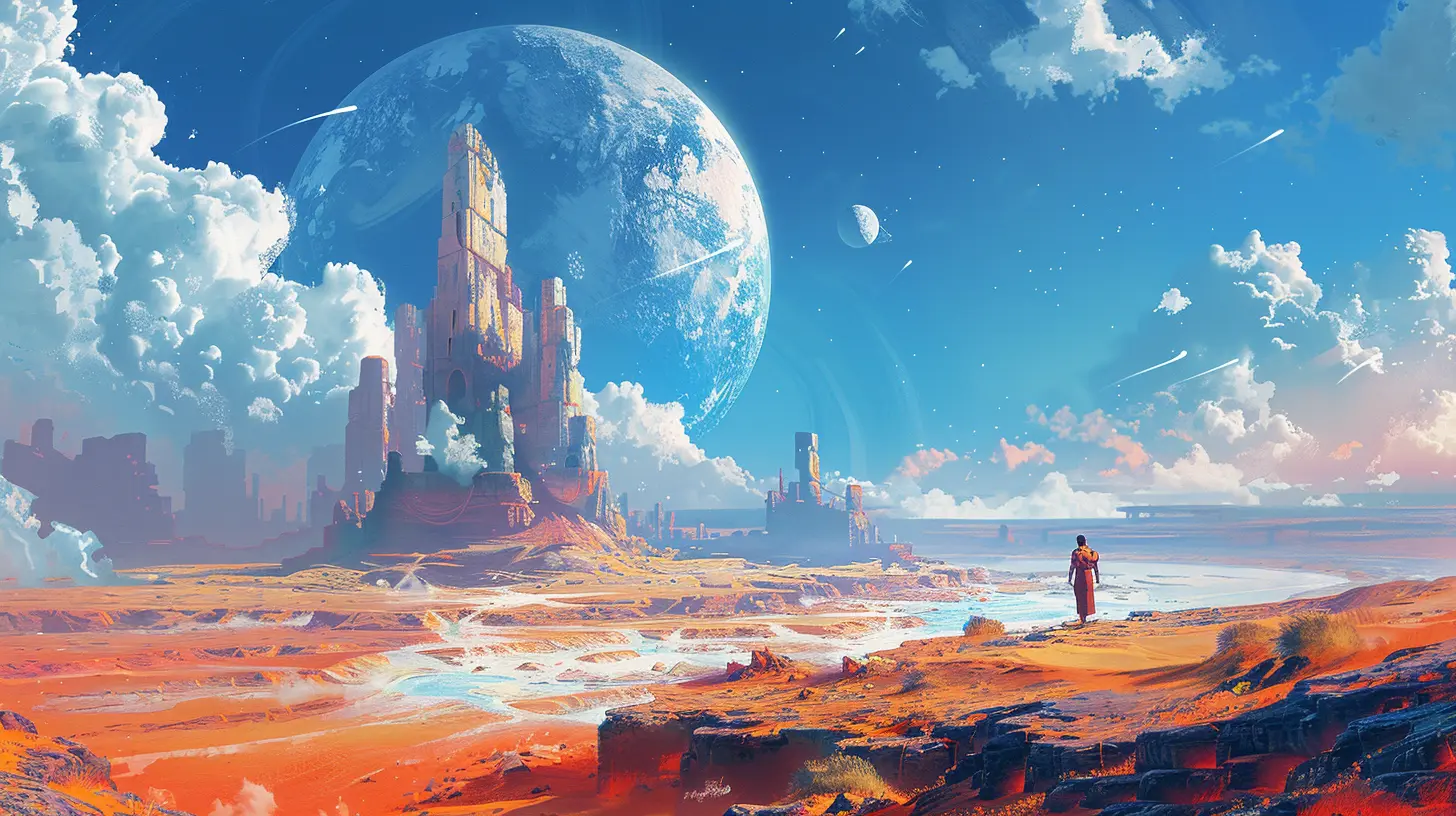
Why Do Crafting Systems Encourage Exploration?
It’s simple — curiosity plus rewards. Here’s how crafting encourages players to venture off the beaten path:1. Resource Gathering = Incentivized Roaming
Crafting systems reward players for exploring by scattering ingredients across the world. It’s not enough to stay in one area — if you want that next-level gear or a life-saving potion, you need to move.Games like Minecraft make this super obvious. You dig, walk, climb, and even swim miles from spawn just to gather the materials for building your dream fortress. Every biome means new opportunities.
2. Environmental Mastery
The coolest thing? You start learning the world. You remember where certain ingredients grow, which enemies drop the best loot, and where to farm rare ores. Players slowly develop a mental map of the world — and that’s when immersion really kicks in.3. Progression Through Discovery
In many RPGs, the path to more powerful gear or items is locked behind exploration. You can’t craft the best sword until you’ve found that legendary forge hidden in a volcano. You can’t brew that deadly poison unless you’ve traveled to the swamp at the edge of the map.Tie crafting upgrades to world progression? Boom — players will explore every inch.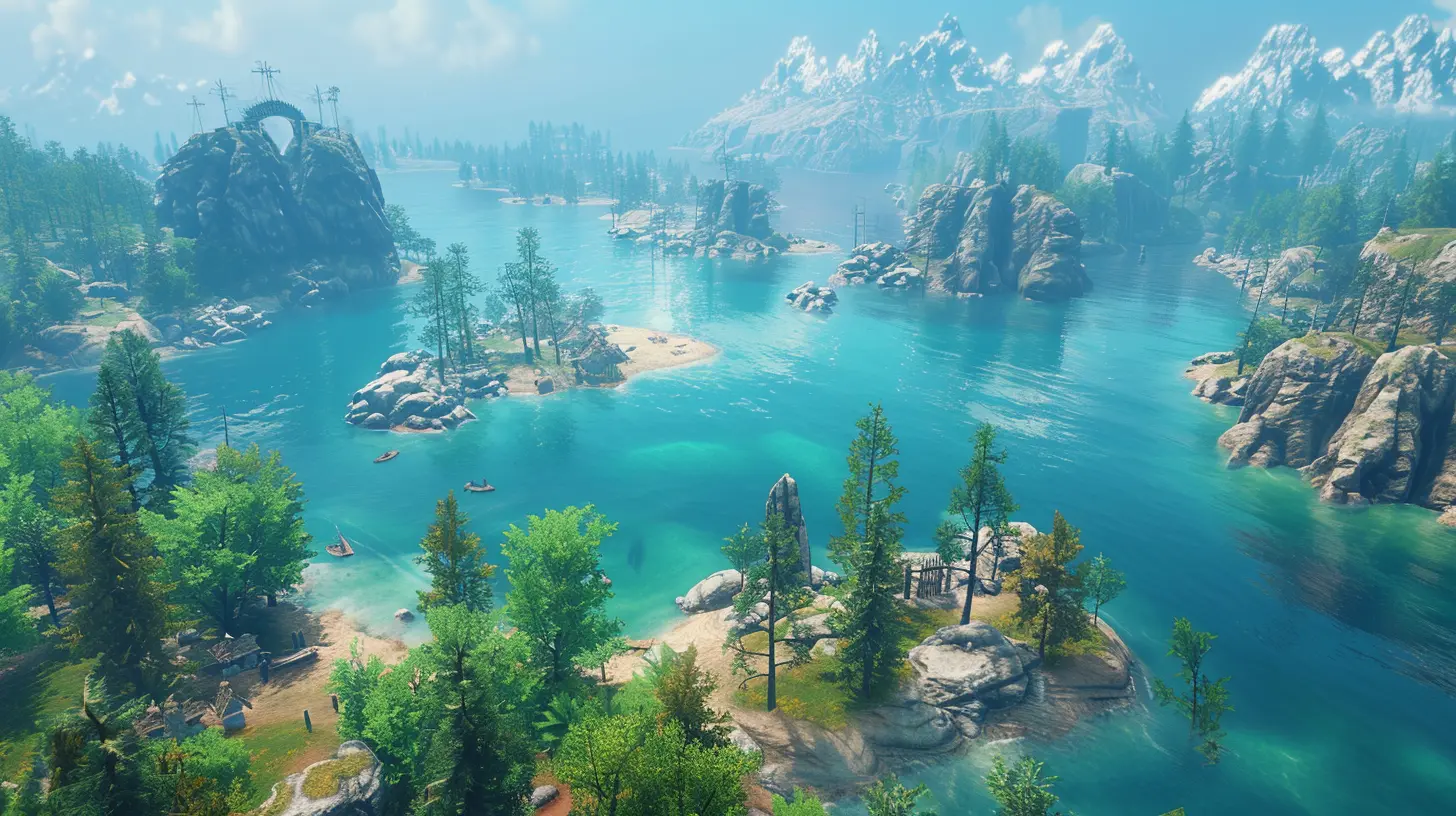
When Crafting Goes Too Far
Okay, let’s be real for a sec — not every crafting system is a home run. When done wrong, it can feel like a grindy, frustrating mess that sucks the joy out of exploration.The Trouble with Over-Complexity
Ever opened a crafting menu and instantly regretted it? Some games include hundreds of items and recipes, with no clear guidance on what’s useful or where to find materials. It creates a steep learning curve and kills the motivation to explore.Players end up Googling crafting guides instead of interacting organically with the game. That’s the opposite of intuitive design.
Repetition Kills the Vibe
If a game forces you to collect the same five ingredients in huge quantities over and over, your sense of discovery fades. Farming becomes a chore instead of an adventure.Crafting systems need variety. Mix things up. Surprise the player. Keep exploration fresh by shaking up where resources spawn or how recipes work.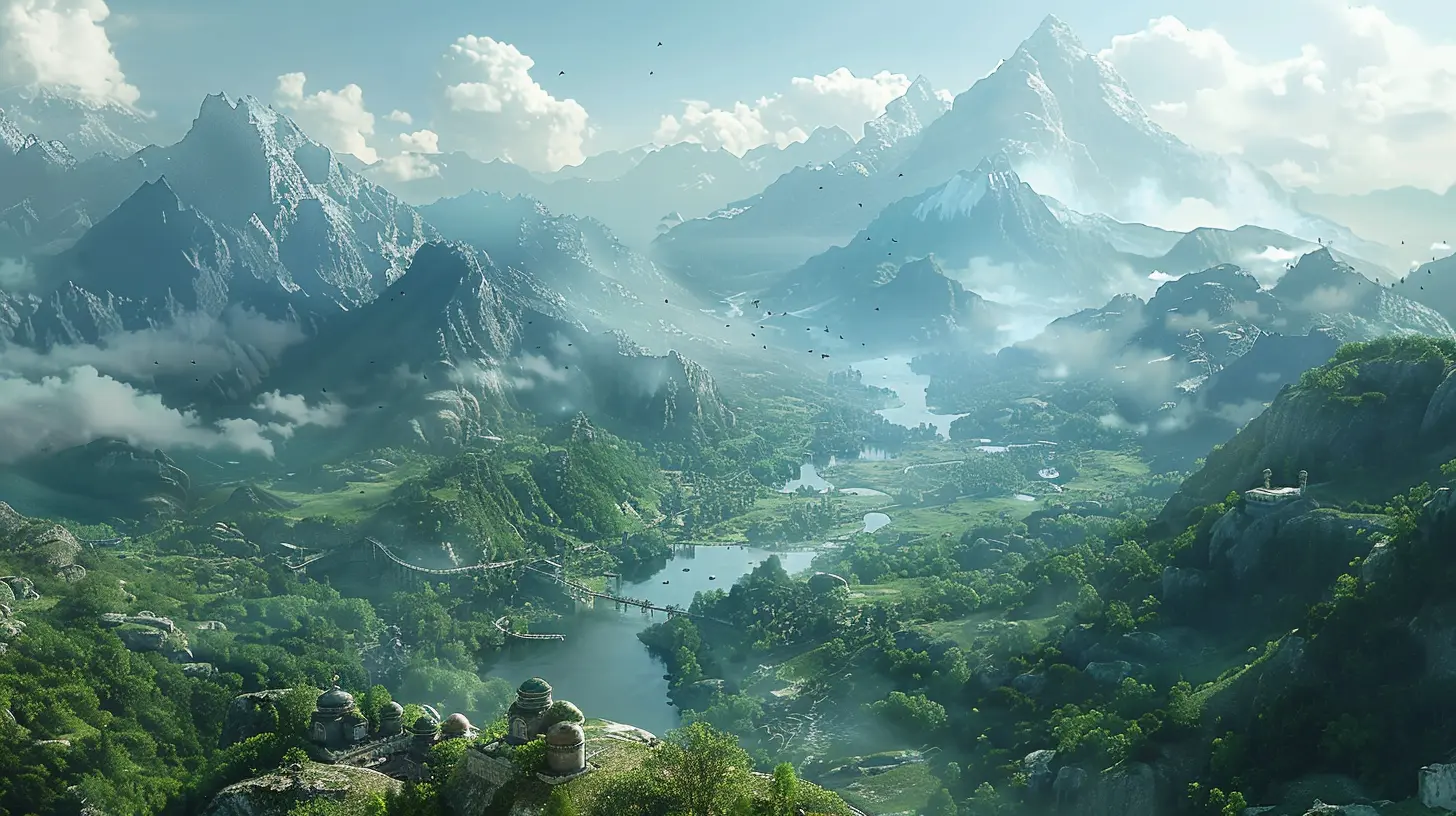
Crafting Systems That Nailed It
Let’s shout out a few games that really smashed the balance between crafting and exploration.?️ Subnautica
Easily one of the best examples out there. You’re dropped in an alien ocean with nothing but a lifepod. Every piece of gear, every advancement, every new biome is tied to what you can craft. And to craft, you need to dive into deeper, deadlier waters.Crafting isn't just a mechanic in Subnautica — it's the motive for exploration. Need a radiation suit? Then go scavenge parts near the crashed ship. Want that high-speed sea-glider? Better hunt down the parts miles away in a trench full of monsters.
It’s scary. It’s thrilling. It’s crafting-driven exploration at its finest.
?️ The Witcher 3: Wild Hunt
This might surprise some people, but The Witcher 3’s crafting system quietly enhances exploration. Potions, blade oils, bombs — all built from ingredients that you stumble upon while exploring the wilds.The kicker? You don’t need to hoard endless amounts. Once you brew something, you can replenish it while meditating, which prevents crafting fatigue and encourages players to experiment and collect without stress.
It’s subtle, but incredibly effective.
Crafting as Storytelling
Here’s something a lot of people don’t consider — crafting isn’t just gameplay. It can tell a story too.Personal Connection to the World
When you build your own gear, cook your own meals, or upgrade your weapons from scavenged parts, you form an emotional tie to the world. You’re not just passing through — you’re interacting with it, shaping it, and depending on it.Games like Green Hell and The Forest thrive on this. Everything you craft is a result of your survival. That shelter? Your only safe place. That bow? Your only defense. That sense of vulnerability makes exploration tense and rewarding.
Environmental Storytelling
Crafting ingredients can hint at the story of a place. You find rare herbs growing near ancient ruins or exotic metals buried near a crashed spaceship. Every resource placement feels intentional, like a whisper from the game’s world-building team.How Developers Can Design Better Crafting Systems
Crafting systems that enhance exploration don’t just happen by accident. There’s a method to the madness. If you’re designing a game (or just curious), here are some pillars of smart crafting systems:1. Balance Resource Rarity
Not everything should be hard to find. Mix common and rare items to create a sense of progression. If everything requires hours of farming, players will burn out quickly.2. Tie Crafting to Milestones
Make crafting feel like a reward. Unlock new recipes by completing quests, discovering secrets, or gaining reputation. This nudges players to engage with different parts of the world.3. Use Crafting to Gate New Areas
Require crafted items to access new zones — like potions that let you withstand heat, tools that let you break new materials, or keys forged from pieces found across different regions.This naturally leads players to explore in order to progress. No artificial walls — just curiosity and ingenuity.
4. Let Players Be Creative
Give players open-ended systems. Let them customize weapons, build unique gear, or decorate a base. When people can express themselves through crafting, they’ll explore endlessly for materials that reflect their style.The Emotional Impact of Crafting and Exploration
Here’s the part that often gets overlooked — the emotional payoff.Crafting creates a feedback loop of reward and motivation. You explore to gather. You gather to craft. You craft to survive or thrive. And then you venture out again, now better equipped, braver, and more confident.
That’s empowering.
You feel like you earned your power, your gear, your tools. Not because a quest handed it to you — but because you went out there and made it happen.
Final Thoughts: It’s More Than Just Collecting
At the end of the day, crafting systems are way more than just busywork or filler content. When done right, they’re the heartbeat of exploration. They push us to look under every rock, climb every ridge, and dive into danger for the hope of one more piece of the puzzle.Whether you’re a survival junkie, an RPG lover, or just someone who enjoys getting lost in digital worlds, crafting can make your adventures more meaningful. It’s the difference between running past a forest and wandering through it with purpose.
So next time you fire up a game and glance at that crafting menu? Don’t roll your eyes. That’s your ticket to something bigger.
all images in this post were generated using AI tools
Category:
Rpg GamesAuthor:

Leif Coleman
Discussion
rate this article
1 comments
Adrian Harmon
Ah yes, nothing says adventure like gathering 50 feathers to make a hat. Who needs treasure when you can look stylish while collecting moss? Genius design choice!
August 21, 2026 at 3:12 PM
Leif Coleman
I appreciate your humor! Crafting can definitely add an unexpected twist to exploration, even if it means collecting feathers. It's all about the journey, right?