The Influence of Game-Based Learning on Motivation
9 March 2026
Let’s face it—we all know that bored students don’t learn much. Whether it’s in a classroom, an online course, or even corporate training, motivation is the secret sauce. And here’s where something exciting comes in: game-based learning. That’s right—games aren’t just tools to kill time; they’re powerful engines that can drive engagement, spark curiosity, and light a fire under even the most reluctant learners.
But what exactly is game-based learning, and how does it influence motivation? That’s what we’re diving into today. Not a bunch of dry theory—we’re talking real, relatable analysis with a healthy dash of fun.
What Is Game-Based Learning (GBL), Really?
Before we get to the juicy stuff, let’s clear one thing up: game-based learning isn’t just tossing kids a controller and saying, “Have fun!”Game-based learning (GBL) is an approach that uses game mechanics, storytelling, and challenges to teach actual knowledge or skills. Whether it’s a math game for kids, a language-learning app with XP points, or a business simulation for adults, it all falls under GBL.
Think of it as education in disguise. The goals remain the same—learning, understanding, problem-solving—but the road to get there is more like a fast-paced Mario Kart race than a stroll through a textbook.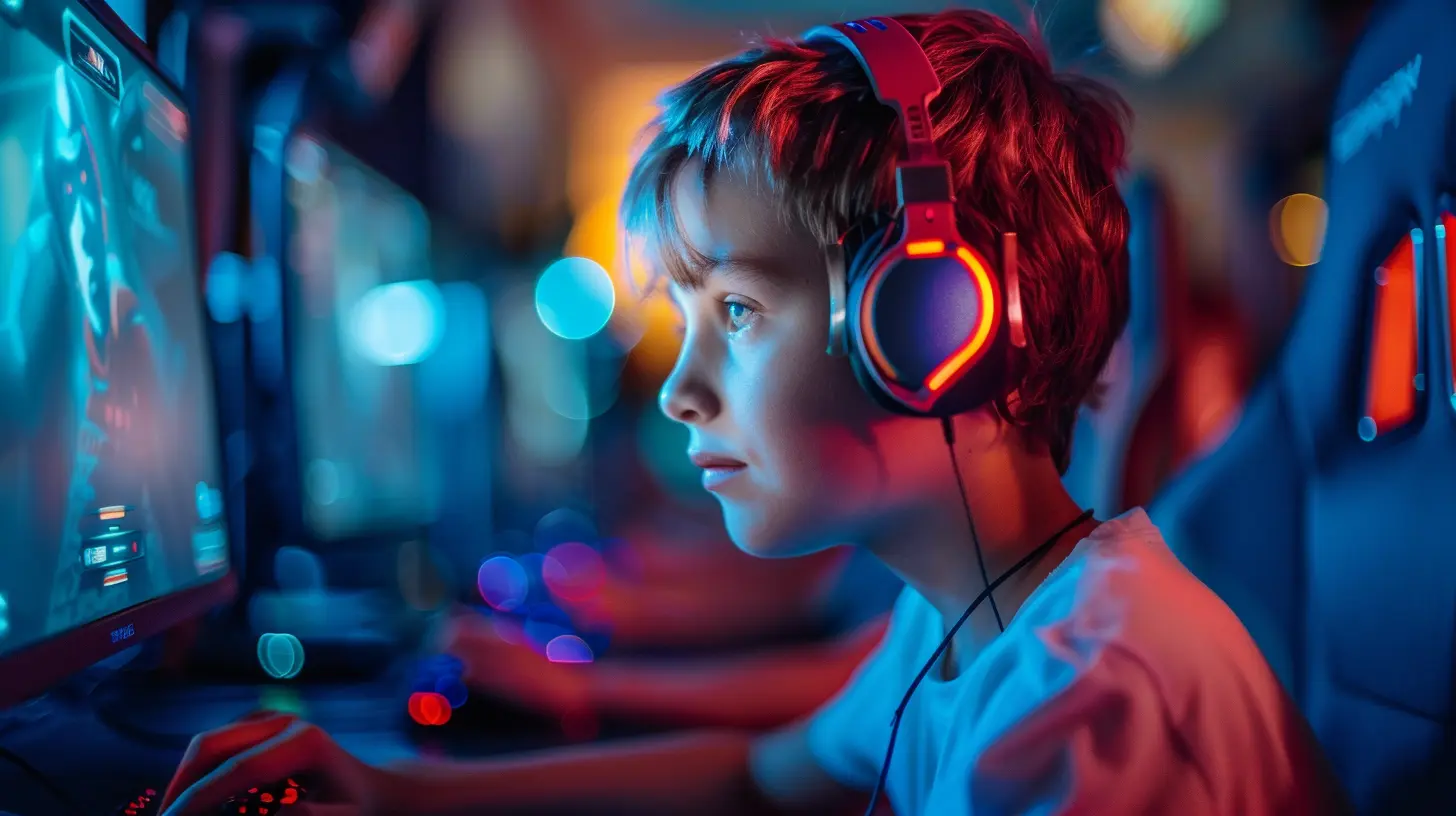
Why Is Motivation So Important in Learning?
Imagine sitting through a three-hour lecture on particle physics with zero interest. Your butt might be in the seat, but your brain left 10 minutes ago.That’s the difference motivation makes. When learners feel motivated, everything changes. They pay attention. They ask questions. They actually care. And motivation isn’t just a "nice-to-have"—it’s the fuel that drives meaningful learning outcomes.
There are two types of motivation:
- Extrinsic: Doing something because there's a reward (like a grade or prize).
- Intrinsic: Doing it because it’s genuinely interesting or enjoyable.
Game-based learning taps into both. And that's part of its magic.
The Psychology Behind Game-Based Learning
Wondering why games are like catnip for our brains? It’s actually backed by science.1. Instant Feedback
Traditional learning often gives feedback hours or even days later. Games? They tell you right away if you’re on the right track. Ding! You leveled up! Oops! Try again!Immediate feedback is incredibly motivating. It helps learners adjust, tweak, and improve in real time. That’s how growth happens.
2. Sense of Progress
Ever notice how satisfying it is to fill a progress bar? Games use that to perfection. Progress indicators, XP points, and level-ups keep us moving forward. We can see our learning journey unfolding, one badge at a time.3. Autonomy and Control
Games offer choices. Go left or right? Use the sword or talk your way out? This sense of control fuels intrinsic motivation. Learners feel ownership over their actions and outcomes.Contrast that with being told to read pages 43-58 and answer questions 1-10. Big yawn, right?
4. Challenge and Mastery
The best games hit a perfect sweet spot—not too easy, not insanely hard. They’re just challenging enough to keep you pushing. That’s where flow happens—that zone where time melts away and learning becomes effortless.
How Game-Based Learning Boosts Motivation in Different Age Groups
GBL for Kids: Turning Learning into Playtime
Kids are naturally wired for play. So when you mix education with fun mechanics like character customization, leveling up, or story-driven quests, it feels less like school and more like an adventure.Take Minecraft: Education Edition. It teaches everything from geometry to ecology—without ever being boring. Kids stay motivated because they’re immersed in a world built just for them.
GBL for Teens: Giving Purpose to the Process
Adolescents crave autonomy and relevance. If they don’t see the “why,” good luck keeping their attention.Game-based tools like Kahoot, Quizizz, or Classcraft speak their language. They add competition, recognition, and even social status via leaderboards. And that motivates teens way more than a red pen on a worksheet.
GBL for Adults: Learning Without the Eye Rolls
Even grown-ups tingle with excitement when gamification enters the boardroom. Employee training through simulations or game-based platforms (like Duolingo for language learners or Coursera’s gamified courses) delivers content in digestible chunks, wrapped in a rewarding experience.You’re not just memorizing facts—you’re unlocking new levels, earning digital badges, and maybe even bragging rights in the break room.
Real-World Examples of Game-Based Learning in Action
1. Duolingo
This one’s a classic. It’s proof that language learning doesn’t have to be boring. With streaks, XP, daily goals, and friendly owls nudging you along the way, Duolingo turns vocabulary drills into a dopamine-inducing routine.2. Classcraft
Imagine turning your whole classroom into an RPG. Students choose characters, earn powers for completing homework, and face “quests” (aka assignments). Classcraft makes learning social, personal, and, most importantly, fun.3. Kahoot!
Pop quizzes go from dreaded to delightful thanks to Kahoot’s game-show-style platform. Fast-paced competitions, colorful visuals, and real-time scoring make even history facts feel like a showdown.4. CodeCombat
Want to teach coding to kids or beginners? CodeCombat lets players write real code to navigate a fantasy world filled with ogres and treasure. The stakes are high, and the motivation is even higher.Challenges With Game-Based Learning (Because Nothing’s Perfect)
Alright, full disclosure—GBL isn’t a silver bullet. There are speed bumps to consider.Time-Intensive Design
Creating a quality game-based experience takes time and effort. You can’t just slap a quiz into a flashy interface and call it a day. It needs solid pedagogy, pacing, and purpose.Risk of Superficial Engagement
Games can get learners excited—but if the game isn’t aligned with the learning goals, students may get caught up in winning rather than actually learning. It’s all about balance.Not One-Size-Fits-All
Some learners (and teachers) simply don’t vibe with video games. And that’s okay. The key is offering options and meeting people where they are.Tips for Making Game-Based Learning Work
Want to crank up the motivation in your course or learning space using game-based ideas? Here’s how:1. Align Games with Goals: Make sure the game mechanics support what you want learners to achieve.
2. Use a Story: Humans love stories. Give your game a narrative that drives the learner forward.
3. Make Rewards Meaningful: Don’t just hand out gold stars. Tie achievements to real progress.
4. Keep It Simple: Don’t overcomplicate things. The game should support learning, not distract from it.
5. Encourage Collaboration: Add multiplayer elements or group missions to create a community feel.
6. Test and Adapt: Get feedback, iterate, and refine the experience constantly.
The Future of Motivation and Game-Based Learning
Here’s the exciting part: we’re just scratching the surface.With AR (Augmented Reality), VR (Virtual Reality), and AI (Artificial Intelligence) entering the scene, the future of game-based learning is about to blast off like a rocket ship. Imagine history lessons where you travel back to ancient Rome or biology classes that let you shrink down into the human bloodstream.
More immersion = more engagement = sky-high motivation.
As schools and workplaces embrace lifelong learning, learners of all ages will continue to seek experiences that are rewarding, personalized, and—you guessed it—motivating.
Final Thoughts: Why Motivation Matters More Than Ever
In an age where attention is the most valuable currency, keeping learners motivated isn't optional—it’s essential.Game-based learning isn’t just flashy tech or cute animations. It’s a proven methodology that taps into the core of human behavior. It rewards effort, celebrates progress, and transforms learning from a chore into a challenge worth taking on.
So whether you’re an educator, a student, or just someone curious about what makes people tick—game-based learning is a game worth playing.
all images in this post were generated using AI tools
Category:
Educational Value Of GamesAuthor:

Leif Coleman
Discussion
rate this article
2 comments
Luma McCartney
Game-based learning boosts motivation, making education engaging and effective.
March 10, 2026 at 5:58 AM
Leif Coleman
Thank you for your comment! I completely agree—game-based learning not only enhances motivation but also transforms education into a more dynamic and engaging experience.
Rivenheart McKnight
What a fantastic article! Game-based learning truly transforms education by boosting motivation and engagement. The way you highlighted its influence is inspiring. It's exciting to see how games can create a positive learning environment and foster a love for knowledge. Keep up the great work!
March 9, 2026 at 5:26 PM
Leif Coleman
Thank you so much for your kind words! I'm glad you found the article inspiring and agree on the positive impact of game-based learning. Your support motivates me to keep exploring this exciting field!