The Legal Side of Game Modding Explained
10 May 2026
If you've ever downloaded a cool new skin for your favorite game or added a crazy fan-made story to it, congrats—you’ve stepped foot into the wild and wonderful world of game modding. It’s a playground where creativity runs free, and boundaries get pushed (sometimes accidentally into a lawsuit). But here’s the kicker: while game modding feels fun and harmless, it’s got a legal side that’s more tangled than a pair of old gaming headphones.
Let’s break it all down, no legal jargon needed. Whether you're a casual modder, a curious gamer, or someone considering making their own mods, this guide’s for you. So grab your virtual lawyer hat, and let’s get into the nitty-gritty of the legal side of game modding.
What Exactly Is Game Modding?
Before we dive into the legal weeds, let’s rewind a bit.Game modding (short for modifying) is when fans alter a video game’s original content. This can mean tweaking graphics, creating new levels, altering gameplay mechanics, or even building entirely new experiences using the game’s engine.
Think of it like remixing your favorite song. The base tune is still there, but you've thrown in some synths, maybe a weird saxophone solo, and now it's something new—yet still familiar.
Mods are often made out of passion, not profit. They’re love letters to the games we adore. But even love letters have to obey certain rules.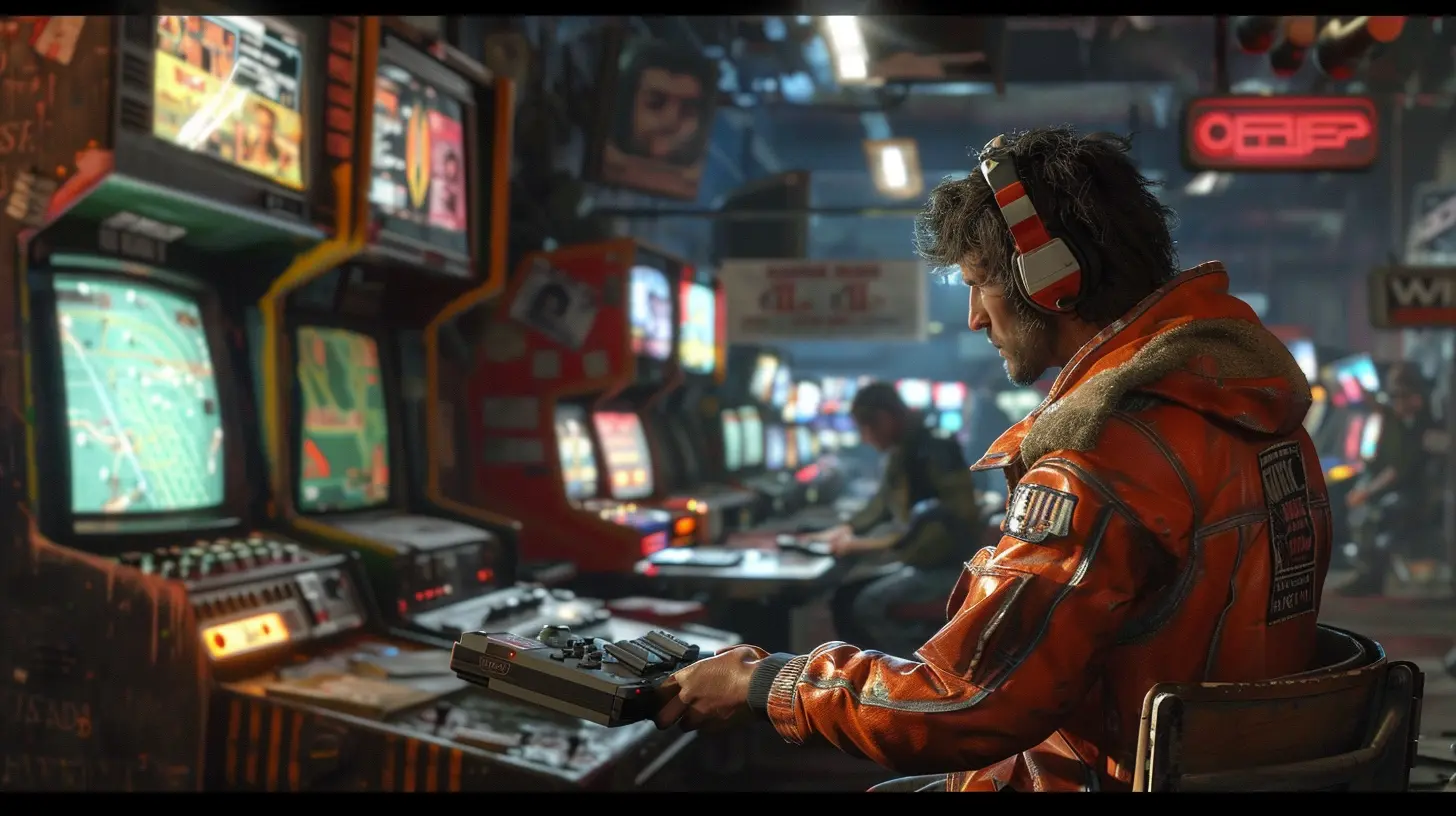
The Big Question: Is Game Modding Legal?
Well, it’s complicated.In most cases, modding exists in a gray area. It’s not explicitly illegal, but it’s not 100% safe either. That’s because when you mod a game, you're technically modifying someone else's property—something protected by intellectual property (IP) laws.
Let’s dive into the major legal concepts you need to know.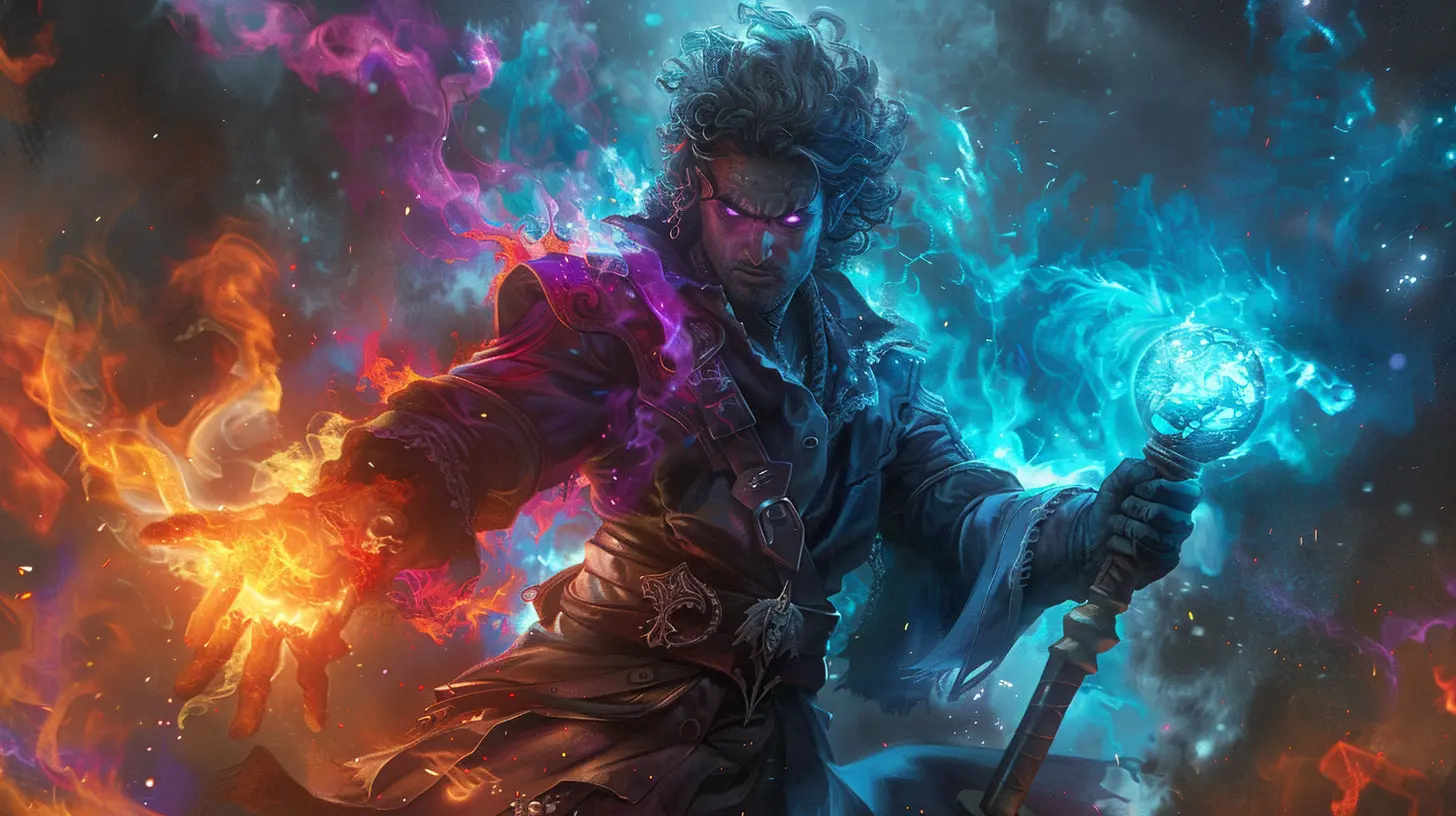
Intellectual Property 101: Who Owns What?
Game developers and publishers own the rights to their games. That includes:- Characters
- Art and music
- Code
- Storylines
- Trademarks
- Game mechanics (in some cases)
When you purchase a game, you don't actually own the game itself—you own a license to use it under specific terms. It’s like buying a DVD (remember those?). You can watch it a million times, but you can’t copy it and sell knockoff versions—or screen it in a theater for a paying audience.
So when you change that game via a mod, you're technically altering someone else's protected work. This is where the legal tension starts.
End User License Agreements (EULAs): The Fine Print You Probably Skipped
You know those boxes you tick without reading when you install a game? Yeah, those are called End User License Agreements—or EULAs. They're boring, long, and written by lawyers—but they matter.EULAs spell out what you can and can’t do with a game.
Some EULAs explicitly allow modding (bless their generous legal souls), while others strictly forbid it. For example:
- Bethesda? They’ve been pretty modder-friendly, especially with their Elder Scrolls and Fallout series.
- Nintendo? Not so much. They’ve taken down lots of fan-made mods and games over the years.
- Rockstar Games? Mixed bag. They’ve cracked down on certain GTA mods but are okay with others.
So always check the EULA before diving in. It’s not the most thrilling bedtime read, but it can save you from a legal migraine.
Fair Use: Does It Protect Modding?
Fair use is often thrown around like a legal safety net. But here’s the truth... it's not really reliable when it comes to game modding.Fair use is a legal doctrine that allows limited use of copyrighted material without permission—for things like criticism, commentary, news reporting, education, and parody. Unfortunately, most mods don’t fit squarely in those categories.
Even if your mod is non-commercial and transformative (meaning it adds something new), it’s not guaranteed to be protected under fair use. And the courts decide what qualifies—which usually means things get expensive and messy.
So yeah, it’s a gamble.
Commercial Mods: Making Money? Tread Carefully
Here’s where things get riskier: trying to monetize your mods.Selling mods or using them to generate ad revenue can land you in serious trouble unless the game’s publisher has given you the green light.
Some games, like Minecraft or Skyrim, have mod marketplaces where creators can earn a cut. If the system is developer-approved, go for it! But if you slap a PayPal link under your GTA mod—just know you might be hearing from some lawyers soon.
Even if you’re not charging money directly, using copyrighted content in monetized YouTube videos or Twitch streams featuring mods can also raise legal eyebrows.
Bottom line: if money’s involved, you’ll want to double-check every legal angle.
Modding Tools: Are They Legal?
A lot of developers release official modding tools—think Bethesda’s Creation Kit, or Epic’s Unreal Engine for modding Fortnite.If you’re using these tools within their guidelines, you’re typically on safe ground. These tools often come with their own set of licenses and rules. As long as you play by those rules, you should be fine.
But if you’re using third-party hacks, reverse engineering the code, or bypassing Digital Rights Management (DRM), you’re venturing into legally risky territory.
Famous Cases Where Mods Went Too Far
Let’s look at some real-life drama to bring the point home.1. Pokémon Uranium
This fan-made game racked up over a million downloads before Nintendo issued a takedown notice. The developers had to remove all download links—yup, even though it was completely free.2. Counter-Strike
Crazy fact: Counter-Strike started as a mod for Half-Life. Valve liked it so much, they bought it. From legal gray area to full-blown franchise—talk about a glow-up!3. Hot Coffee Mod (GTA: San Andreas)
This hidden minigame mod led to major backlash and lawsuits for Rockstar Games. It even got the ESRB to re-rate the game and caused shelves to clear. A textbook example of how a mod can spiral into a nightmare.When Mods Are Actually Good for Business
Not all developers see modding as a threat. In fact, some embrace it—and with good reason.Mods can:
- Extend a game’s lifespan
- Attract new audiences
- Boost community engagement
- Inspire future developers
Games like Skyrim, Minecraft, The Sims, and Don’t Starve have thriving mod communities that help keep the titles popular years after release.
Some mods even become standalone games—and major moneymakers. Remember DOTA? It started as a Warcraft III mod. Now it's a juggernaut in the esports world.
So yeah, when used wisely, modding can be a win-win.
Tips to Stay on the Right Side of the Modding Law
Here’s some common-sense advice to keep you out of hot water:1. Read the EULA – Yeah, we said it again. It really is that important.
2. Stay non-commercial – Don’t try to profit from your mod unless it’s authorized.
3. Don’t use copyrighted content – This includes music, logos, and characters from other IPs.
4. Use official mod tools if available – They offer a safe and legal way to create mods.
5. Attribute and respect licenses – Especially in open-source communities.
And most importantly—if a developer or publisher asks you to take your mod down? Just do it. No mod is worth a cease-and-desist letter.
So… Should You Still Make Mods?
Absolutely. Mods are part of what makes gaming communities so creative and dynamic. They can teach you coding, design, storytelling—you name it.Just mod responsibly. Treat it like using someone else’s car. You can take it for a joyride (if they said yes), but don’t repaint it, install a spoiler, and start charging for rides down the block.
Future Outlook: Where’s Game Modding Heading?
With the rise of platforms like Steam Workshop and developer-endorsed mod markets, the future looks cautiously optimistic for modders.Game companies are starting to recognize the value of community input. Some are even hiring modders as developers. How cool is that?
But as games get more complex—and monetized through microtransactions—you can expect stricter rule enforcement too. That free pass to mod might come with more terms than ever before.
Final Thoughts
So, is modding legal? Not always. Is it still worth doing? Heck yes—but with your eyes wide open. It’s like skydiving: exhilarating, creative, potentially risky—but amazing when done right.If you love gaming, modding is one of the best ways to deepen that relationship. Just know where the legal lines are drawn—and don’t be afraid to ask for permission when in doubt.
Mod safe, my friends.
all images in this post were generated using AI tools
Category:
Game ModsAuthor:

Leif Coleman
Discussion
rate this article
2 comments
Fay Butler
Insightful take on modding.
June 29, 2026 at 4:16 PM
Leif Coleman
Thanks for the feedback! I'm glad you found it insightful.
Kenneth Marks
Embrace creativity, but know the rules!
May 11, 2026 at 2:46 AM
Leif Coleman
Absolutely! Creativity thrives within boundaries, and understanding the rules is essential for innovation in game modding.