The Magic Systems That Changed How We Play
4 May 2026
Video games and magic go together like peanut butter and jelly. It's hard to imagine a fantasy RPG without a fireball spell or a healing incantation. But not all magic systems are created equal. Some are just there — you click a button, stuff explodes, and that's that. But others? Others shift the way we play, force us to think differently, and stay etched in our memories long after the controller’s been set down.
In this article, we're diving wand-first into the magic systems that didn’t just add spice to a game — they fundamentally changed the rules of engagement. From spell-crafting to mana-making mayhem, let's look at the magic mechanics that redefined our gaming experiences.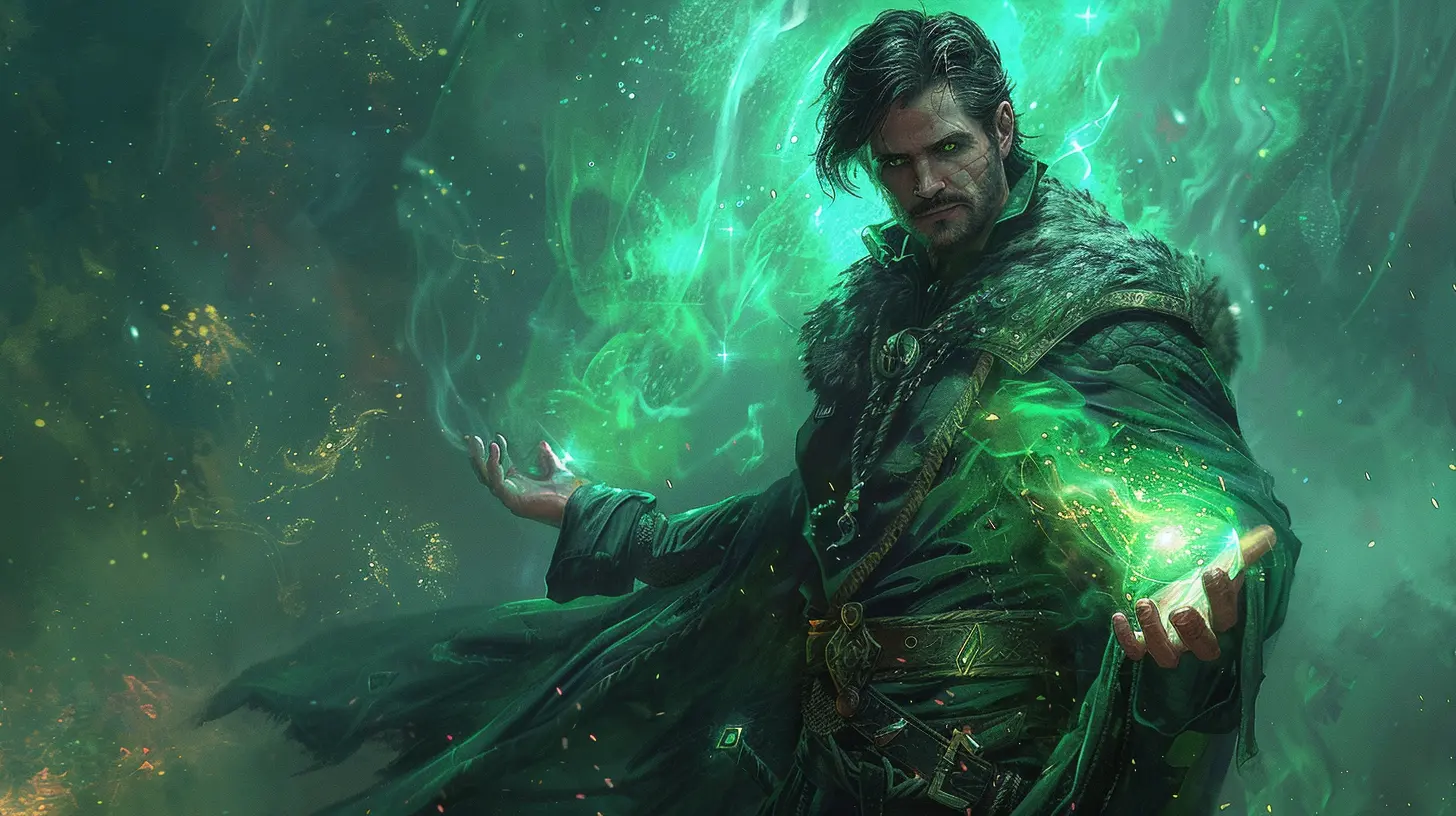
What Makes a Great Magic System?
Before we list out the game-changers, let’s pause for a second. What even makes a magic system stand out?Is it flashy spells? Deep lore? Super-duper particle effects?
Sure, those are cool. But a truly great magic system does more than make your screen glow. It adds depth to gameplay. It introduces challenge and strategy. It lets you feel powerful without handing you an “I win” button. And most importantly, it makes sense — not necessarily "real-world" sense, but internal logic. A well-built system plays by its own rules and rewards you for learning them.
Let’s get into the big ones, shall we?
1. The Elder Scrolls: Oblivion & Skyrim – Spellcrafting and Shouting
Sure, before Skyrim came along, magic in Elder Scrolls was already pretty neat. But things got interesting when Oblivion introduced custom spell creation.Remember that? You could literally mix and match effects to suit your style: fire damage plus paralysis, maybe a touch of soul trap on the side. It felt like being a wizard-tinkerer.
Skyrim, on the other hand, said “Oh, you thought words couldn’t hurt you?” and handed us the Thu’um. Shouting wasn’t just magic—it was power in its purest, rawest form. The fact that shouting “FUS RO DAH!” could send enemies flying like rag dolls? Pure delight.
And even better, the entire magic system in Skyrim had a kind of poetic rhythm to it. Each shout was a discovered language — one you had to earn, not spam.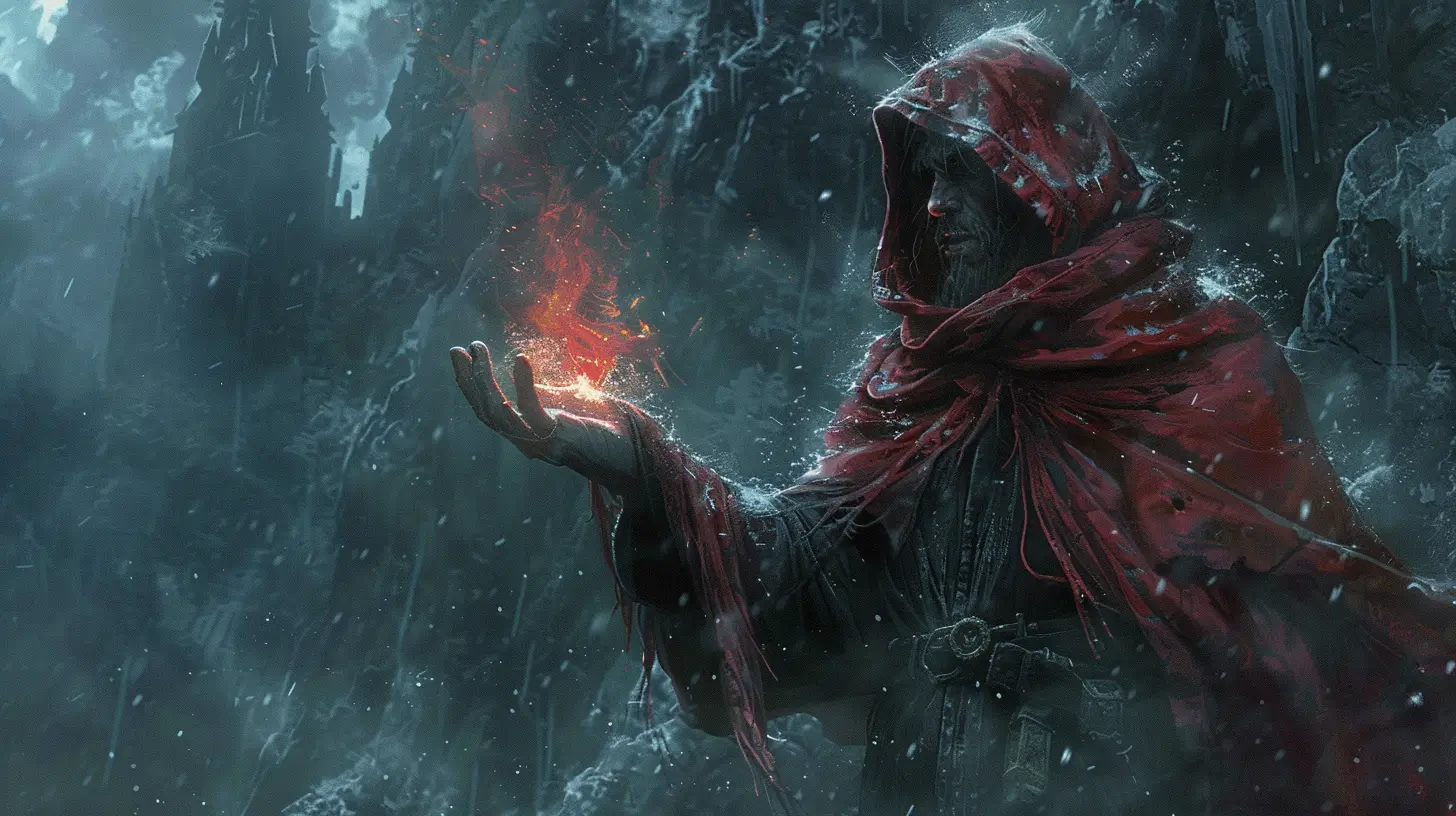
2. Magic: The Gathering – The Blueprint of Magical Strategy
Okay, it’s not a video game per se, but let’s be real — Magic: The Gathering laid the foundation for so many magic mechanics we see in digital gaming today.Mana management? Check.
Elemental synergy? Check.
Strategic deck-building? Double check.
In MTG, magic isn’t just casting cool stuff — it’s a game of resource control, long-term thinking, and baiting your opponent into making mistakes.
Many games, from Hearthstone to Gwent, owe their DNA to this legacy. It reframed magic not as explosive spectacle, but as strategic mastery.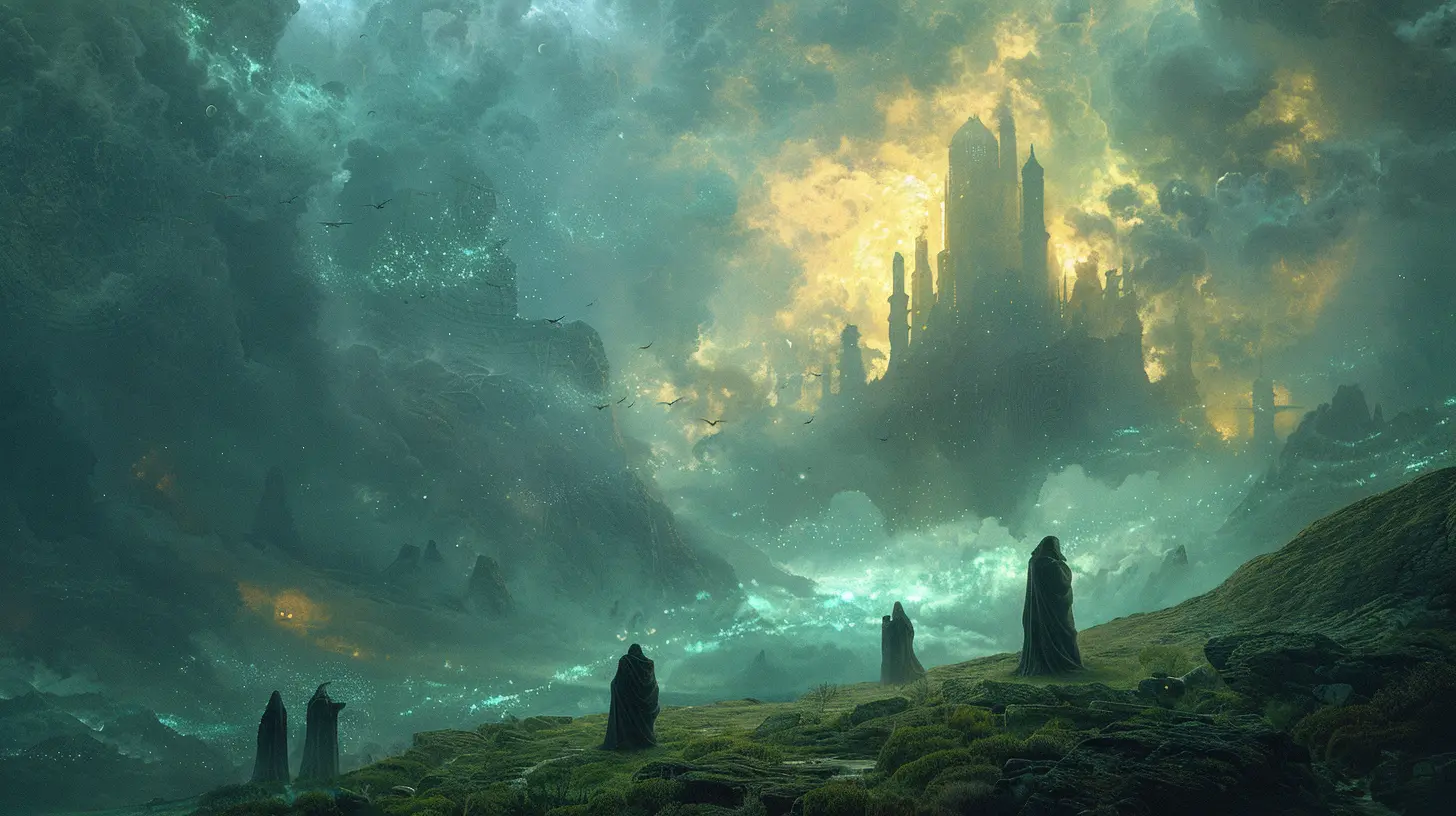
3. Final Fantasy Series – Limit Breaks and Materia Mayhem
If you’ve ever yelled “I summon Bahamut!” with actual emotional intensity, you know the power of Final Fantasy’s magic systems.Final Fantasy VII’s Materia system was revolutionary. It wasn’t just “equip this spell.” It was “combine this green orb with that blue orb and suddenly your fire spell hits everybody.”
That level of customization was mind-blowing at the time and added layers to party planning.
Other entries had their quirks too—like FFVIII drawing magic from enemies or FFVI letting you learn spells from Espers. Each game reinvented the system, making magic feel fresh, not formulaic.
And let's not forget Limit Breaks — ultimate attacks that often felt like divine intervention. The line between “magic” and “force of will” blurred beautifully.
4. Dark Souls – Magic That Makes You Earn It (and Fear It)
You ever run into a caster in Dark Souls?It usually goes like this:
- You see them.
- You scoff because they’re wearing cloth.
- Then you get hit by a giant glowing soul arrow and die.
Magic in Souls games is brutal — not just for the enemy, but for the player. It’s not your standard fire-and-forget. You have limited casts, and timing is crucial. You can’t just spam spells; you have to manage your Attunement slots and know when to unleash a sorcery versus a miracle.
The best part? Magic in Souls is terrifying. Not just powerful, but eerie, moody, dangerous. It fits the world perfectly — arcane, ancient, and oh-so-deadly.
5. Magicka – The Chaotic Joy of Spell Combinations
Magicka doesn't just give you spells. It gives you elements. And then it tells you, “Go nuts.”How many combinations are there? 100? A million? Who knows. But smashing together fire, water, and electricity to see what happens feels like being in a magical chemistry lab. Want to cast a steam-lightning beam? You can. Accidentally set yourself on fire? Also yes.
The beauty of Magicka isn’t just its flexibility, but how trial-and-error becomes a game in itself. It’s chaotic, hilarious, and surprisingly tactical.
And friendly fire? Oh, it's VERY much on. Try not to vaporize your co-op buddy by accident.
6. The Witcher Series – Simple Spells, Deep Strategy
Geralt of Rivia doesn’t need fancy fireworks to get the job done. In The Witcher, magic feels grounded—like a toolkit rather than a showstopper.You’ve got five basic signs: Aard (push stuff), Igni (burn stuff), Yrden (trap stuff), Quen (shield yourself), and Axii (mind control).
That’s it.
But the simplicity hides real depth. Knowing when and how to use these signs can mean the difference between life and loading your last save. Combine that with alchemy and swordplay, and magic becomes a vital slice of a much larger combat pie.
The Witcher proves you don’t need 200 spells to make magic matter. Sometimes, less is more.
7. Divinity: Original Sin 2 – Magic As Environmental Manipulation
Now we’re talking! If you ever wanted your fireball to actually interact with the world, Divinity: Original Sin 2 is your jam.In this game, the battlefield is your playground. Cast rain, then electrocute the puddles. Start a fire, then teleport enemies into it. Magic isn’t separate from the environment—it thrives in it.
This system doesn’t just reward creativity. It requires it.
Fire and poison don’t just deal damage—they spread. Magic surfaces can change the tide of battle, making each encounter feel like a puzzle just waiting to be blown up.
Honestly, once you've played DOS2, regular spellcasting feels… bland.
8. World of Warcraft – Class-Based Magic That Defines Identity
WoW did something brilliant: it tied magic to class identity.If you’re a Warlock, you’re not just casting shadow bolts—you’re summoning demons, sacrificing health for power, draining souls. A Mage? You control time, frost, and arcane energy.
Each class feels unique. Magic isn’t just a tool, it’s a personality.
More importantly, WoW’s constant balancing and expansions have kept magic gameplay evolving for nearly two decades. Whether you're a healer keeping your raid alive or a DPS nuking bosses, the magic you wield defines your role.
9. Breath of the Wild – Magic Without Spells
Wait, what? BOTW doesn’t even have traditional spells. But hear me out.Magic in Zelda’s latest adventure is built into the physics engine itself. The Sheikah Slate powers — like Magnesis and Stasis — feel like a new kind of magic. Not “cast fire,” but “manipulate the world on a fundamental level.”
You’re not throwing fireballs — you’re freezing time, launching yourself across ravines, and building flying contraptions out of metal crates. It’s magic reimagined as science, and it’s seriously empowering.
10. Arx Fatalis – Gesture-Based Spellcasting
This one’s a bit of a deep cut, but it deserves a mention.In Arx Fatalis, you don’t just press a button to cast a spell. You have to draw runes with your mouse.
It’s clunky. It’s frustrating. It’s also insanely immersive.
There’s something magical (pun intended) about physically tracing out the incantation that makes each spell cast feel earned. It's like the game said, “If you wanna sling fireballs, show me your wizard hands.”
Why These Magic Systems Matter
These aren’t just fun gimmicks. They shape gameplay, encourage experimentation, and give players new tools for storytelling.Magic has always been humanity’s metaphor for power, creativity, and the unknown. So, it makes sense that the best games treat it with the respect (and chaos) it deserves.
The systems that change how we play don't just add spells — they add possibilities. They let us bend the rules, invent our own strategies, and see the game world not just for what it is, but what it could be if we learned how to manipulate it.
Final Thoughts
Magic systems have come a long way since the days of “Fire I” and “Cure II.” They’ve become complex, clever, and sometimes outright weird (looking at you, Magicka). But more than anything, they remind us why we play games in the first place — to experience the extraordinary.So next time you throw a fireball, conjure a spectral wolf, or write a rune in the air, take a second. Think about all the amazing ideas that brought that moment to life.
Because sometimes, the real magic isn’t the spell you cast — it’s the system that let you cast it.
all images in this post were generated using AI tools
Category:
Rpg GamesAuthor:

Leif Coleman
Discussion
rate this article
2 comments
Ivory Marks
Magic systems have evolved significantly, shaping gameplay and storytelling. Their complexity not only enriches player experience but also influences game design, making each adventure uniquely captivating.
May 15, 2026 at 5:06 AM
Leif Coleman
Absolutely, the evolution of magic systems has transformed both gameplay and narrative depth, making every adventure feel fresh and engaging.
Nicole Clarke
This article highlights the evolution of magic systems in gaming, showcasing how innovative mechanics have reshaped player strategies. From spell crafting to elemental interactions, these changes not only enhance gameplay but also deepen immersion. It's fascinating to see how creativity continues to push the boundaries of game design...
May 7, 2026 at 2:48 PM
Leif Coleman
Thanks for your insights! I'm glad you found the evolution of magic systems intriguing. It's amazing how these innovations truly transform gameplay and player experiences.