The Role of Character Customization in Personal Identity Learning
26 August 2026
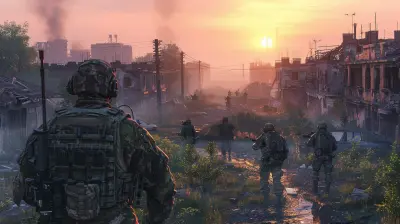
Gamers know it well — before you even hear a gunshot, cast a spell, or jump into a boss fight, there's one critical decision you often have to make… Who the heck are you gonna be?
That’s where character customization steps in. It’s more than just choosing hair color or throwing on some armor. It’s actually a powerful tool for self-discovery, self-expression, and yep, even personal identity learning. But what exactly does that mean, and why should it matter to you?
Let’s dig in, break it down, and get real about how character customization in video games is helping folks — young and old — better understand themselves.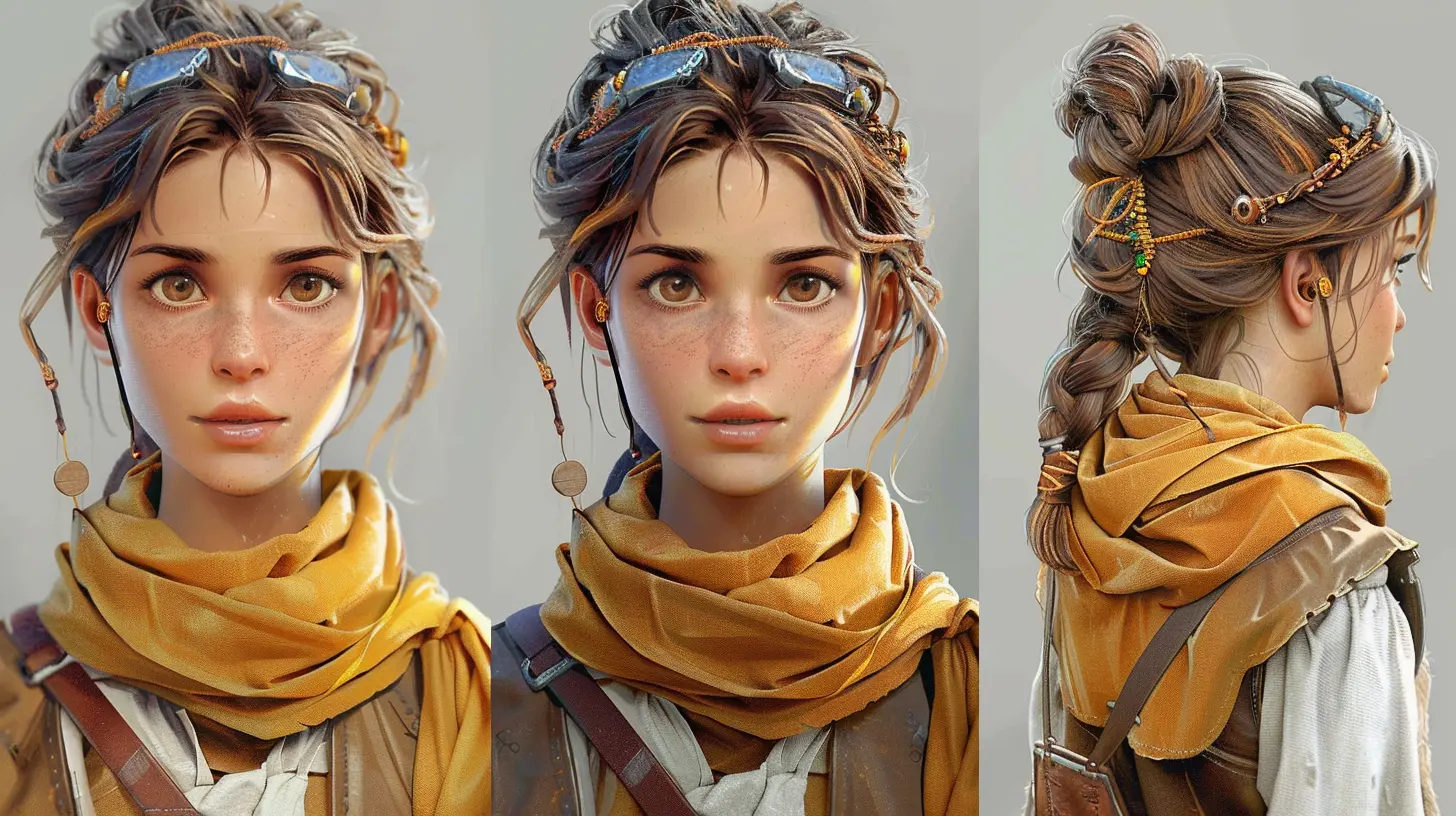
What Is Character Customization, Anyway?
Alright, before we dive too deep, let’s get the basics down. Character customization is the feature in games that lets players tweak their in-game avatars. We’re talking about everything from gender, body type, skin tone, hairstyle, facial features, clothing, voice, and sometimes even personality traits.You’ve probably seen games that offer it: Sims, Skyrim, Cyberpunk 2077, Elden Ring, Fortnite... the list goes on. The level of customization can range from just picking your armor color to building a lifelike virtual twin.
But here’s the kicker — it’s not just cosmetic. It’s psychological.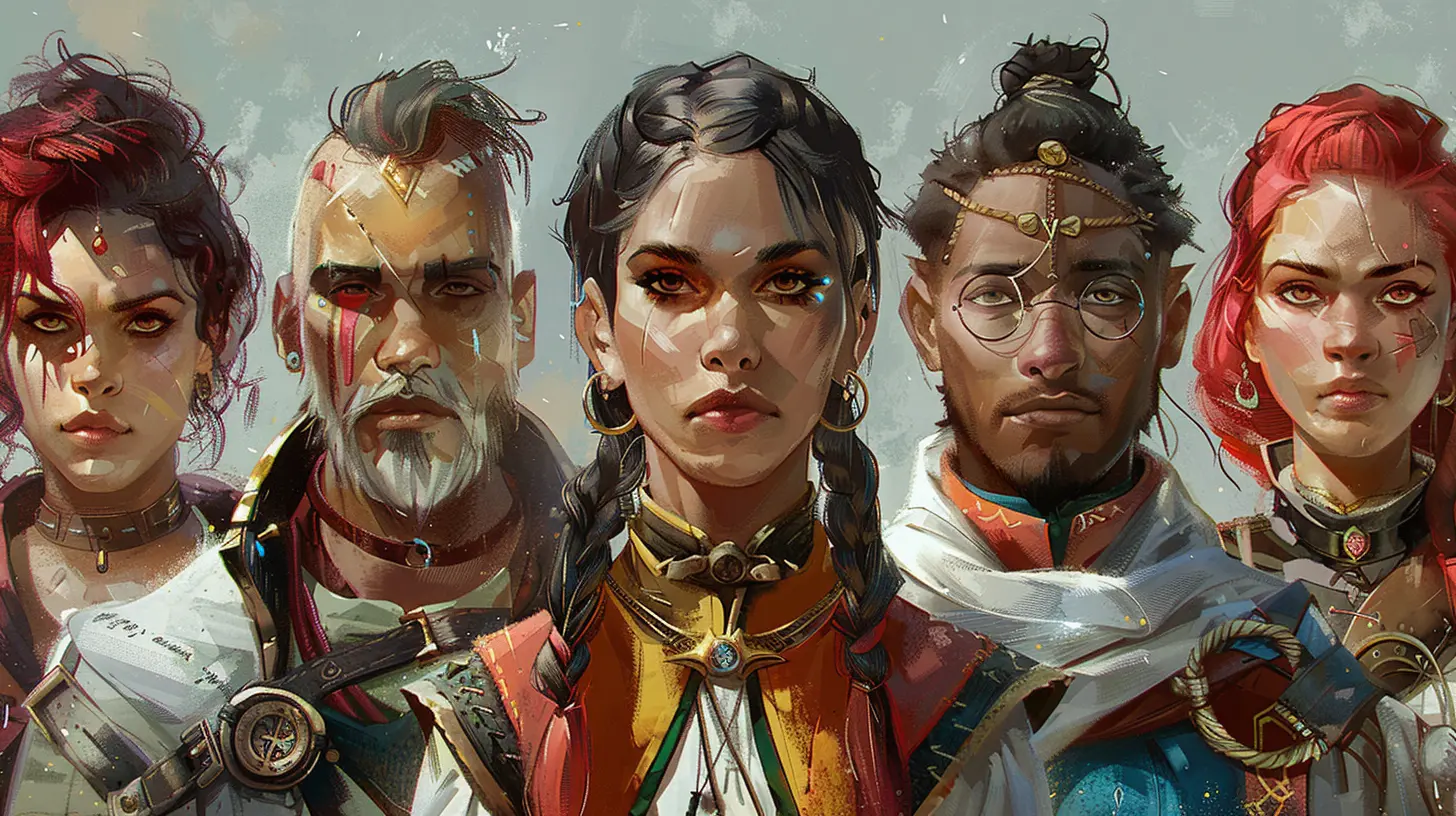
The Link Between Avatars and Identity
When you’re allowed to shape your in-game character, you’re doing more than just playing dress-up. You're expressing parts of yourself — sometimes consciously, sometimes not.Ever noticed how players often make avatars that look like them… or who they wish they looked like? Or maybe even the complete opposite of themselves? That’s not random. That’s all about self-exploration.
In fact, avatars are like digital mirrors. They reflect identity, but they can also shape it. Gamers, knowingly or unknowingly, are using character customization to try on new versions of themselves.
Digital Expression of Real-World Selves
Think about it: when you make your character resemble you, you’re reinforcing your identity in the digital space. You’re saying, “This is me.” But when you create someone drastically different — say a different gender, species, or style — you’re pushing the boundaries of your identity to see how it feels.That’s huge for people who are figuring out who they are — especially teens, gender-fluid individuals, or anyone exploring their identity.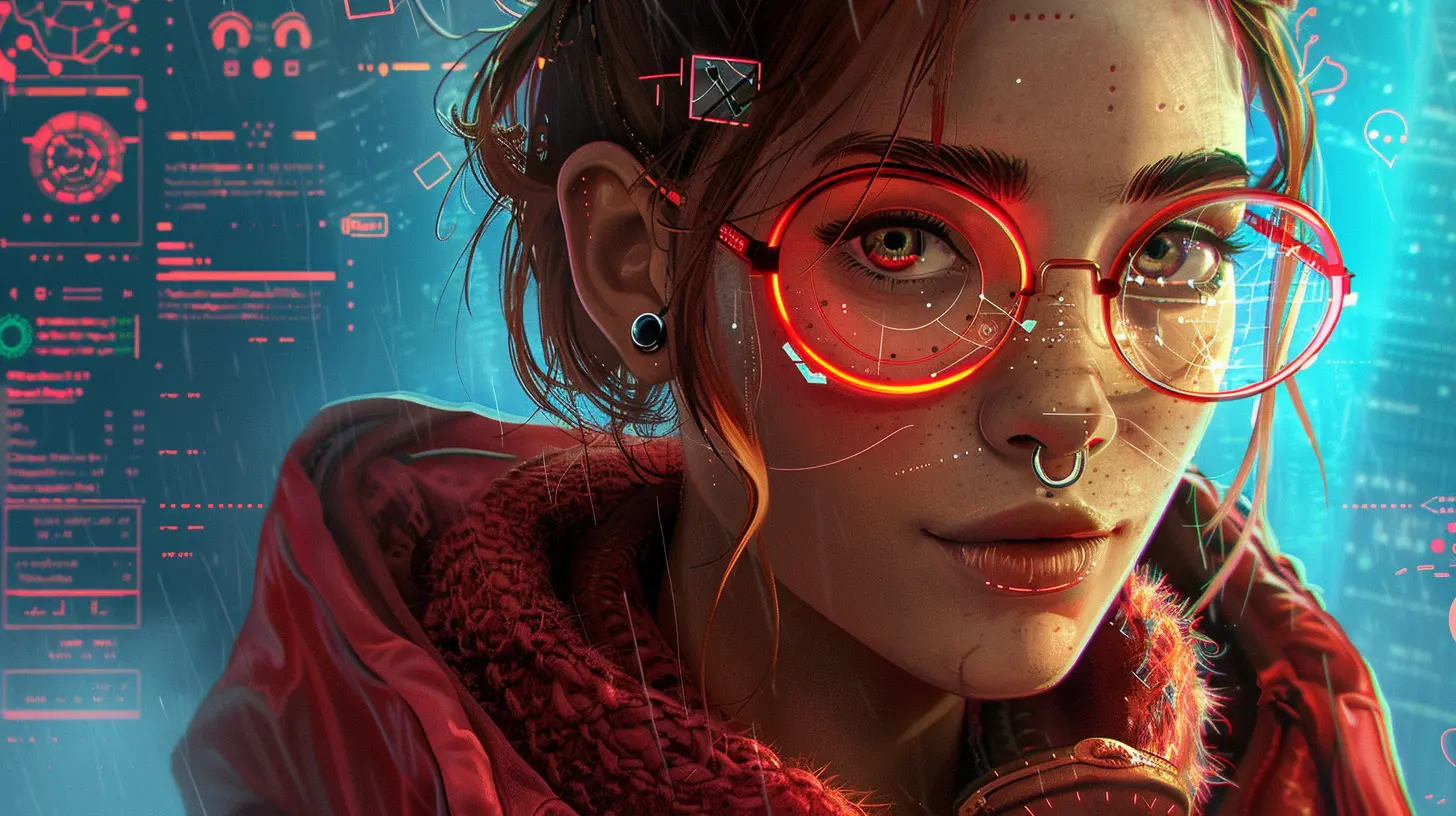
Personal Identity Learning: What the Heck Is That?
Okay, let’s unpack this term. "Personal identity learning" is a fancy way of saying “figuring out who you are.”It’s the process of exploring your values, beliefs, likes and dislikes, dreams, fears — all that messy but important stuff that makes you, well, you.
So how does playing a game spill into something as deep as understanding your identity? Simple. Games, especially those with rich customization, give us a safe space to role-play different versions of ourselves without real-world consequences.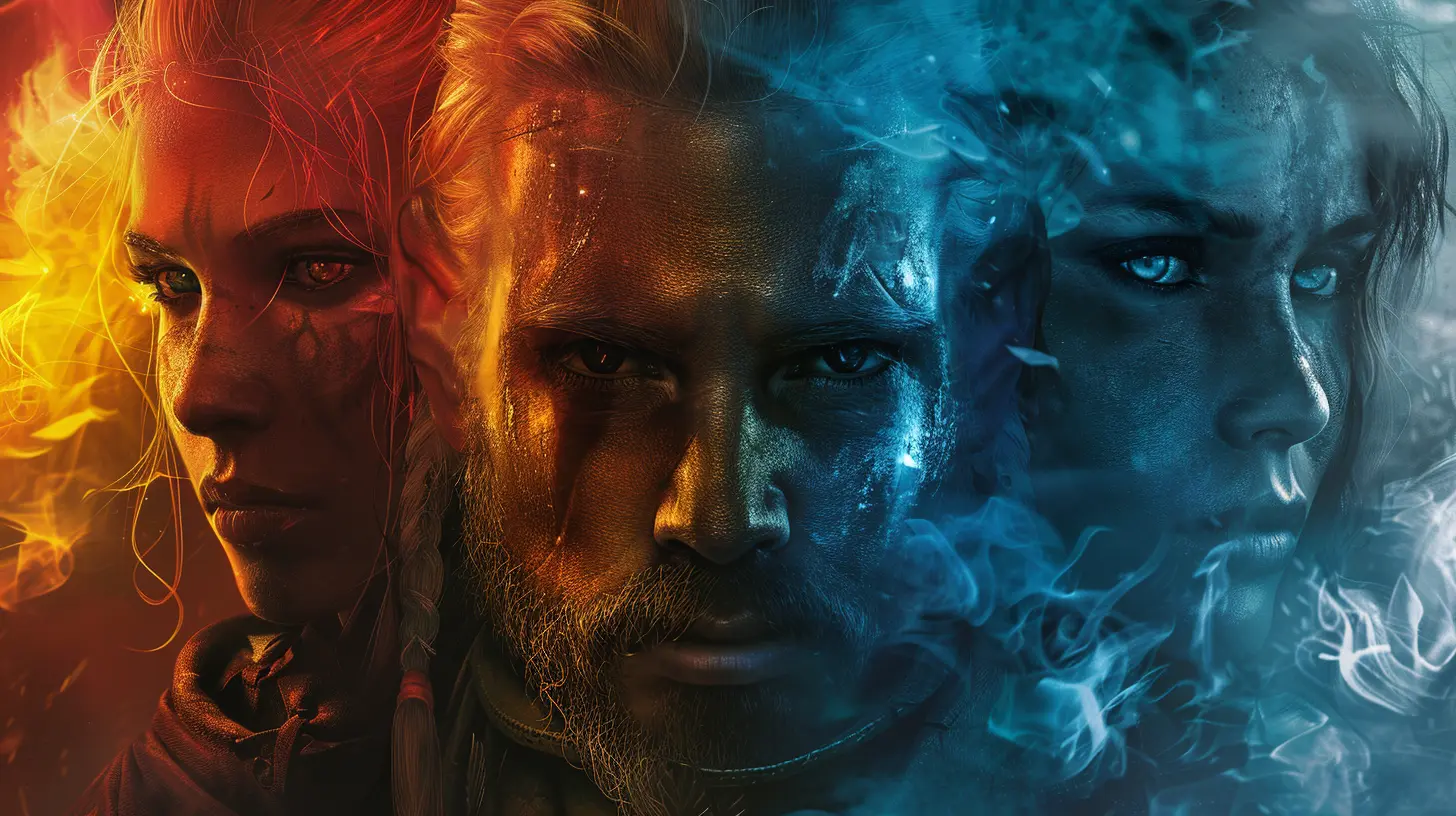
Character Customization as a Sandbox for the Soul
Let’s get philosophical for a sec. Imagine character customization as a sandbox — but instead of building castles, you’re building a personality.You’re picking traits. You’re making decisions. You’re seeing how those choices play out in a virtual world. And what better way to learn about yourself than by experimenting in a world where you’re both the creator and the player?
Here’s why it matters:
1. Safe Exploration of Identity
Let’s say someone is questioning their gender identity. They might not feel comfortable expressing that in the real world (yet), but they can try it out in a game. That’s a big deal.By creating an avatar of a different gender and seeing how it feels, they can begin to understand parts of themselves they hadn’t tapped into before.
No judgment. No risk. Just play.
2. Building Confidence
Creating a badass version of yourself in a game — confident, strong, cool-looking — can actually boost your self-esteem in real life. When you see yourself as a capable hero in a virtual world, it’s easier to believe you can be one in the real world, too.Games are more than distractions. They're rehearsals.
3. Understanding Others Through Roleplay
Sometimes, stepping into someone else’s shoes — literally — helps us grow empathy. By customizing a character who’s not like us, players can experience different perspectives.It’s like walking a mile in digital moccasins.
Games That Get It Right
Let’s shout out a few games doing character customization justice — and helping people learn more about themselves in the process.The Sims Series ?
Talk about a life simulator. The Sims allows massive customization, not just of bodies and faces, but personalities, life goals, relationships, and even gender expression. Many gamers say it was their first safe space to be who they really are.Cyberpunk 2077 ?
Despite its rocky launch, Cyberpunk earned praise for its non-binary customization options. Players can mix and match body types and voices regardless of gender labels, creating an avatar that feels truer to them.Animal Crossing: New Horizons ?
Simple but effective. Animal Crossing lets players express themselves with clothes, hair, and home decor. It’s low-stress and super personal, making it a great way to relax while honing your sense of style and identity.Elden Ring & Souls Games ⚔️
While they’re not known for narrative roleplay, the detailed character creators let you build a version of yourself to throw into hardcore action. You might not be able to pick dialogue, but being able to look like yourself (or who you want to be) while slaying monsters is empowering.Customization Reflects Cultural Shifts
Let’s get real — game studios didn’t always prioritize inclusive customization. For a long time, if you weren’t a white male, you had to squint and pretend your avatar was a “close enough” version of you.Now? Things are changing. Fast.
Developers are recognizing the importance of representation and letting players be seen — whether that means unlocking skin tones, hairstyles, pronouns, or body shapes. This shift is helping players of all backgrounds feel included and validated. And when people feel seen, they grow.
Representation isn’t just about feeling good. It’s about being allowed to participate fully in identity learning through play.
Not Just for Kids: Adults Benefit Too
Sure, we often talk about identity learning as a teen thing. And yeah, growing up is the peak time for figuring yourself out.But let’s be honest — do we ever stop learning about who we are?
Adults also benefit from character customization. Whether it’s expressing creativity, dealing with gender identity, or just finding out what kind of person you’d be in a post-apocalyptic wasteland — it’s all valid. It’s all learning.
Potential Downsides (Yep, There Are Some)
Real talk: character customization isn’t always perfect.Sometimes options are too limited. Sometimes they reinforce stereotypes (like “female armor” that feels more like Barbie gear). And let’s not forget when customization is locked behind paywalls — making self-expression a luxury.
There’s also the risk of people using characters to hide from who they really are. Escapism is fine (and healthy, in moderation), but when it blocks real identity growth, it can backfire.
It's all about balance. Use avatars to explore, not to disconnect.
What the Future Looks Like
Character customization is evolving. We’re moving toward games that:- Offer more inclusive and diverse options
- Let players define characters beyond appearance
- Include emotional, cultural, and personality customization
- Open the door for deeper roleplay and story building
Basically, we’re heading to a future where virtual versions of ourselves aren’t just alter-egos — they’re honest reflections.
And that’s exciting.
Final Thoughts: Why This All Matters
Here’s the big picture — games are no longer just games. They’re playgrounds for identity, emotional growth, and self-expression. Character customization isn’t just about style — it’s a digital form of soul-searching.So next time you’re adjusting your avatar’s nose length or picking out a pair of boots, take a second. Ask yourself: “Why did I choose that?” You might be surprised by what you’re learning about yourself.
Whether you’re designing a warrior queen, a chill farmer, a space explorer, or a wizard with blue hair — you’re exploring YOU in one way or another.
And that’s the real magic of character customization.
all images in this post were generated using AI tools
Category:
Educational Value Of GamesAuthor:

Leif Coleman
Discussion
rate this article
1 comments
Sage Mullen
Why bother with therapy when you can just create a warrior with a rainbow beard and a pet dragon? Identity crisis solved... one pixel at a time!
August 28, 2026 at 2:42 PM
Leif Coleman
Creating a warrior with a rainbow beard and a pet dragon can be a fun escape, but therapy helps us tackle deeper issues. Customizing characters can spark creativity, but real identity growth often requires more introspection and support.