The Role of Nostalgia in Game Collecting
16 May 2026
Let’s be real — we’ve all had that warm, fuzzy feeling when we see something from our childhood. Maybe it’s a commercial jingle, a cartoon theme song, or that classic “ding!” from the startup of your old gaming console. That, my friend, is nostalgia, and it’s a powerful emotion.
In the world of video game collecting, nostalgia plays a massive role. It’s not just about owning rare cartridges or sealed boxes — it’s about reliving memories, reconnecting with our inner child, and preserving the digital slices of our past. But how deep does this emotional connection go? And why does it make us want to hunt down a dusty old NES cartridge or a mint-condition Game Boy?
Let’s dive headfirst into the pixelated rabbit hole of nostalgia and see how it shapes the entire landscape of game collecting.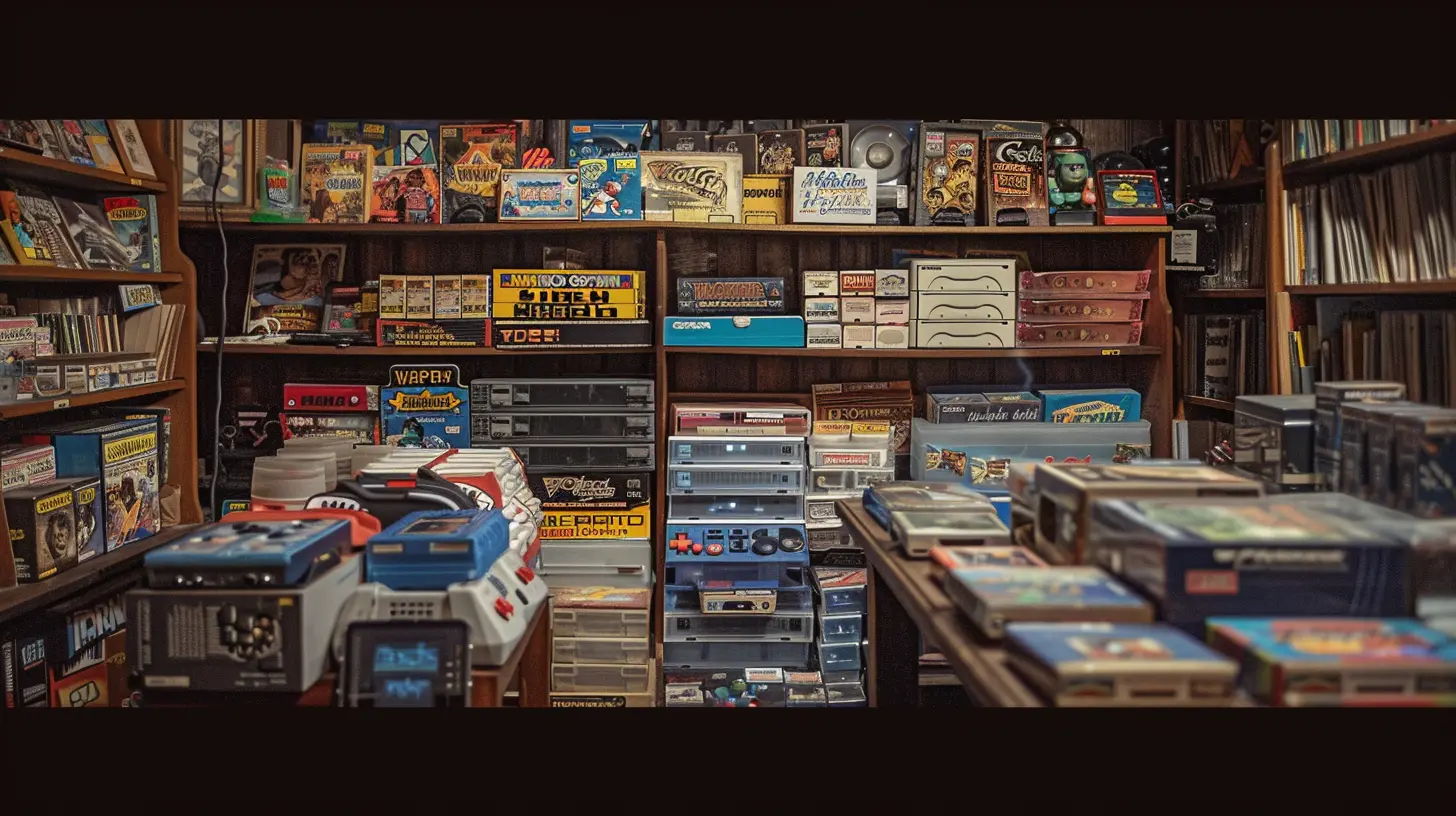
What Is Nostalgia, Really?
Before we get into game collecting, let’s unpack nostalgia a bit. At its core, nostalgia is a sentimental longing for the past. It’s that warm glow you feel when you remember simpler times — like playing Mario Kart with your cousins during summer break or blowing into a cartridge to “fix” it (ah, the good old days).Nostalgia isn’t just a feeling — it’s a time machine for the soul. And in the world of gaming, that time machine can transport you back to your first boss battle, your first 100% completion, or your first rage-quit moment.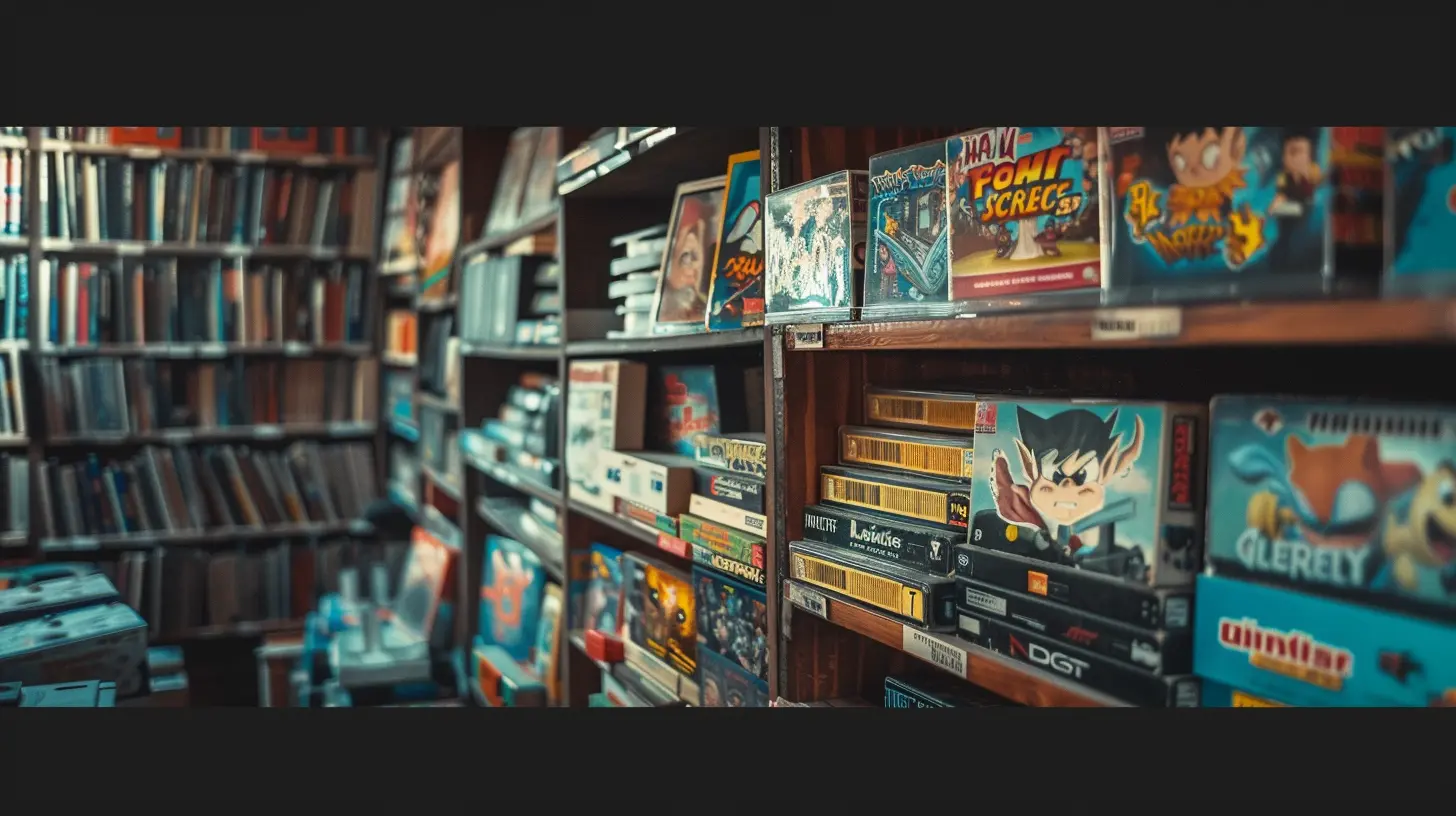
Why Collect Games in the First Place?
There are tons of reasons why someone might collect video games — investment, preservation, artwork, or the thrill of the hunt. But the crown jewel? Nostalgia.Let’s not kid ourselves: most collectors aren’t spending hundreds on an old SNES title because it’s the best game ever made (though it might be). They’re doing it because it reminds them of something or someone — a moment, a feeling, a time in their life.
Whether it’s the iconic "SEGA!" jingle or the eerie silence of a PS1 loading screen, we’re chasing experiences. We’re trying to capture the magic in a bottle — or in this case, a game case.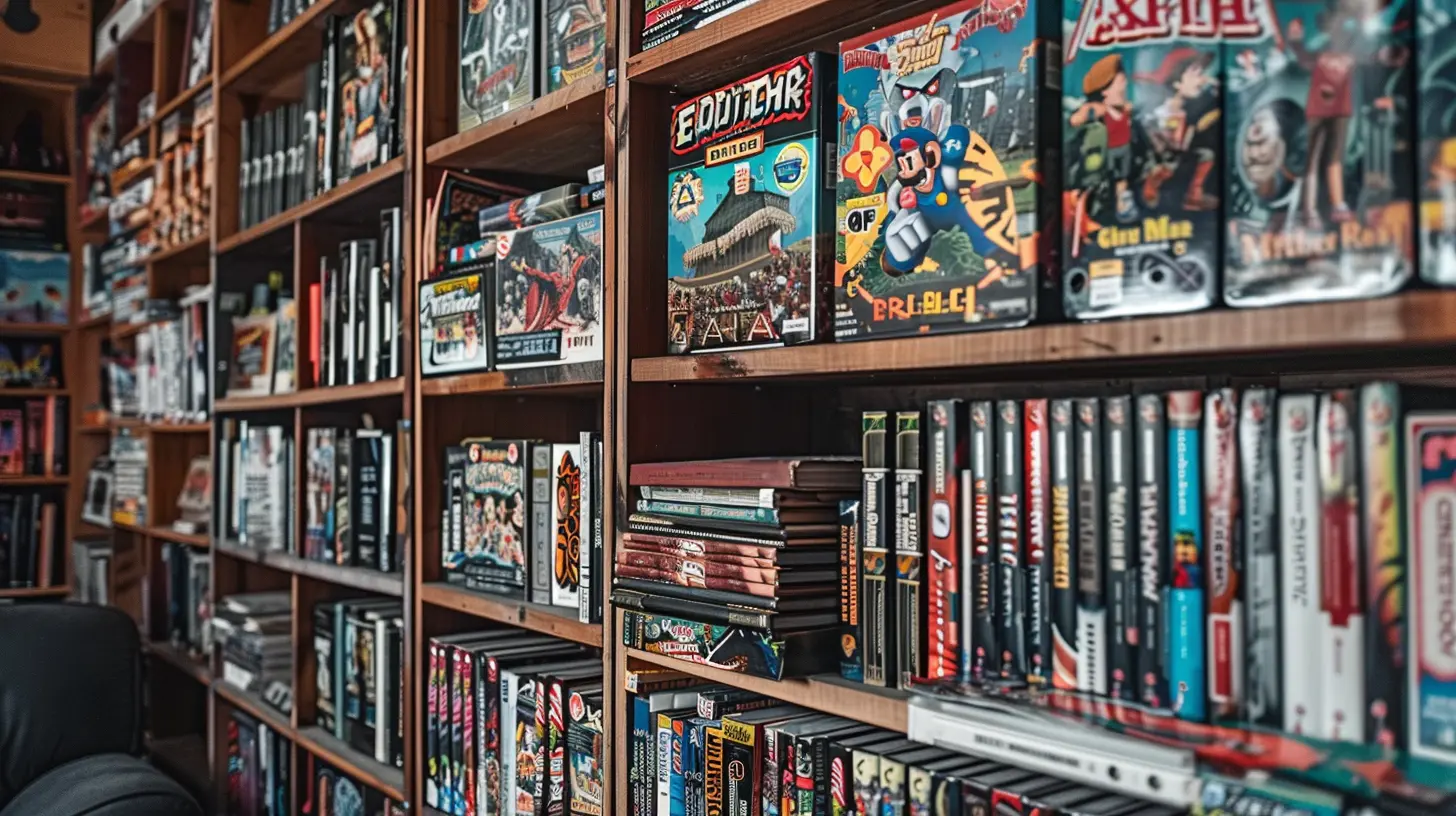
Childhood Memories: The Gateway Drug to Game Collecting
Let me paint a picture for you. You walk into a retro game store. There's a wall full of cartridges and discs from every era. Then — bam — you spot it. That blue, worn-out Sonic the Hedgehog box you played religiously as a kid. Suddenly, you're transported back to your bedroom floor, controller in hand, eyes glued to a CRT TV.That’s the power of nostalgia.
For many collectors, their journey begins with one simple mission: reclaim the games they owned as kids. It’s often less about the rarity or resale value, and more about piecing together the puzzle of their past.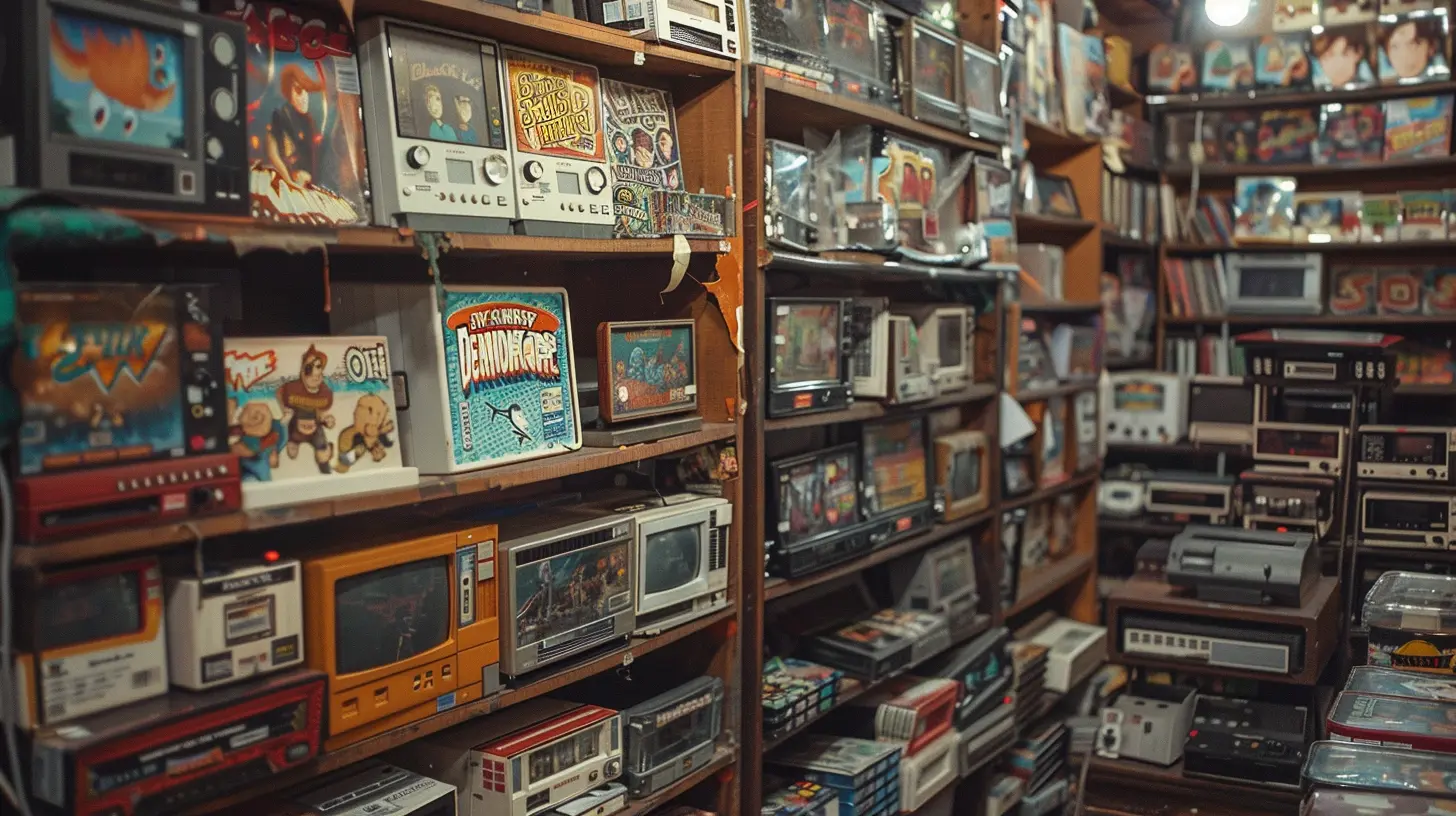
The 90s and Early 2000s Kids Are Now Adults With Money
Let’s be honest, those kids who once saved up allowance money for N64 games? They're adults now — and a lot of them have disposable income.They’re not just collecting games — they’re buying back their childhoods.
Game collecting has exploded in recent years because of this. People want to reconnect with the era of LAN parties, cheat codes, and memory card slots. From Pokémon Red to Halo 2, these games aren't just titles — they’re trophies of childhood.
Nostalgia Drives Value — Big Time
Ever wonder why certain old games go for hundreds or even thousands of dollars? It’s not just because they’re rare — it’s because they’re remembered.Games like EarthBound, Chrono Trigger, or even the original Final Fantasy titles have seen price surges not solely due to rarity, but because people feel something when they see them.
Collectors will often pay top dollar for a factory-sealed copy of a game they grew up with — even if they have a playable version already. It’s about emotion, not logic. It’s about preserving that moment in plastic and cardboard.
Nostalgia Fuels the Thrill of the Hunt
There’s nothing quite like the feeling of finding a gem in the wild. Maybe it's tucked behind some sports titles at a garage sale or sitting quietly in a dusty flea market bin. When you finally stumble upon that one game — the one you've been searching for since you were ten — it’s like finding buried treasure.It’s not just about owning it. It’s about the journey to find it. And nostalgia is the compass guiding that journey.
Let’s admit it — finding that one game from your childhood feels like finding a lost piece of yourself. That’s the hunt. That’s the magic.
Retro Consoles: The New Status Symbol?
Sure, people flaunt luxury cars or designer clothing, but in the gaming world? That mint-condition Dreamcast or a limited-edition Game Boy Color is just as impressive.Collectors don't just buy games — they're curating shrines to their childhoods. Whether it's a shelf stacked with Genesis games or a perfectly restored arcade cabinet, these items are more than plastic and silicon — they're relics of joy, artifacts of play.
Digital vs. Physical: Why Tangibility Matters
Now, let’s talk format. With digital downloads dominating the industry, you might wonder why anyone still hunts down physical copies.One word: nostalgia.
Holding a case in your hands, flipping through the manual, smelling that weird new-game smell — it's all part of the experience. For collectors, physical media brings the past to life. It allows the player to recreate the exact ritual of gaming from decades past. That’s something cloud storage just can’t replicate.
The Psychology Behind It All
Alright, let’s get a little sciencey — but stay with me.Psychologists say nostalgia helps us feel more connected, less anxious, and even more optimistic. It provides a sense of continuity in our lives. When life’s chaotic (and let’s be real, it often is), craving the comfort of a familiar game world makes total sense.
So if you find yourself instinctively buying yet another copy of Super Mario Bros. 3, don't feel guilty. Your brain’s just giving you a little emotional comfort food.
The Community Aspect — You're Not Alone in This
One of the coolest parts of game collecting is the community. There’s a whole world of folks just like you, sharing stories, swapping cartridges, and reminiscing about obscure titles.Whether it’s Reddit threads, Facebook groups, or YouTube channels dedicated to retro gaming, the community thrives on this shared sense of nostalgia. And let’s be honest — talking about games that shaped your childhood is way more fun than small talk about the weather.
Publishers Know Exactly What They’re Doing
Let’s not ignore the marketing side of things. Game companies are no strangers to nostalgia.Why do you think we keep seeing remasters, retro collections, re-releases, and mini consoles? Because they know we’ll shell out for that hit of the good old days. And guess what? We do. Every time.
Nostalgia sells — and we’re more than happy to buy.
The Flip Side: Is Too Much Nostalgia a Bad Thing?
Of course, it’s not all pixel-perfect sunsets and 8-bit joy. There’s a dark side to nostalgia, too.Some collectors go overboard chasing “the complete collection,” spending beyond their means or obsessing over perfection. Others become so fixated on retro games that they ignore the amazing new titles being released today.
Like anything, balance is crucial. Nostalgia should be a bridge to the past — not a wall that keeps you from exploring the present.
Final Thoughts: It's More Than Just Games
At the end of the day, game collecting isn’t just about games. It's about memories, connections, identity, and emotion. It’s about finding ourselves again in the worlds we used to escape into.Nostalgia is the heart that pumps life into the hobby. It’s why we keep that busted GameCube controller. Why we remember where every warp zone in Super Mario Bros. is. Why we still hum the Zelda theme randomly at work.
So, whether you’re hoarding cartridges, hunting for Holy Grails, or just holding onto your childhood favorites — remember, you’re not just collecting games.
You’re collecting feelings. And those? They’re priceless.
all images in this post were generated using AI tools
Category:
Game CollectingAuthor:

Leif Coleman
Discussion
rate this article
2 comments
Zephyris Jennings
Nostalgia drives game collecting more than just a quest for rare finds. It taps into cherished memories, transporting us back to simpler times. Each title tells a story that goes beyond gameplay, connecting us with our past. Embracing these emotional ties enhances the gaming experience and fuels our passion for collecting.
May 28, 2026 at 3:27 AM
Leif Coleman
Absolutely, nostalgia adds a rich layer to game collecting. Each game not only represents a piece of history but also evokes personal memories that shape our connection to gaming. It truly makes the hunt for titles more meaningful.
Antonia Wilkins
This article beautifully captures the essence of nostalgia in game collecting. It resonates with so many of us who cherish those classic titles. Nostalgia not only fuels our passion for gaming but also connects us to cherished memories. Keep celebrating those unforgettable experiences and the joy they bring!
May 16, 2026 at 2:31 AM
Leif Coleman
Thank you for your thoughtful comment! I'm glad the article resonated with you and those shared memories. Nostalgia truly enriches our gaming journey.