The Science Behind Learning Through Play
26 February 2026
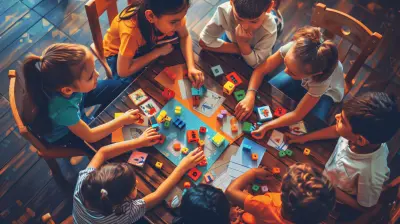
Ever watched a toddler stack blocks or a group of teenagers battle it out in a strategy board game, and thought, “They’re just playing”? Think again. What looks like fun and games on the surface is actually a rich, hands-on learning experience. Yep, play isn’t just a break from learning—it is learning.
In this article, we’re diving deep into the science behind learning through play. Whether you're a parent, educator, or just curious about how games impact the brain, buckle up! We're about to take a playful journey into psychology, neuroscience, and education that might just change the way you think about toys, games, and recess.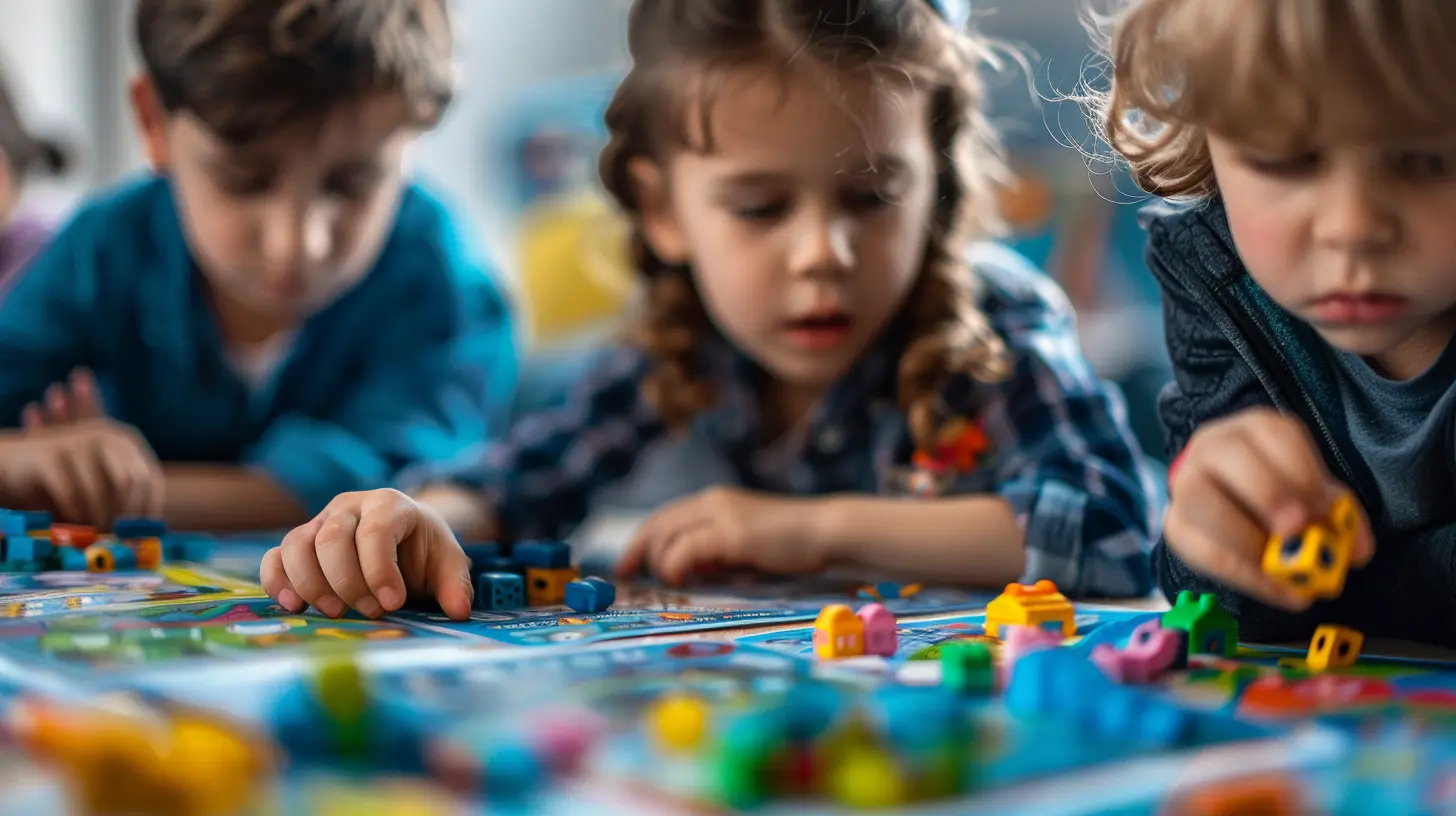
What Is Learning Through Play?
Let’s get one thing straight—learning through play isn’t just about having a good time (though that definitely helps). It’s a dynamic process where kids and even adults build skills, test ideas, and explore the world, all while having fun. It involves curiosity, exploration, imagination, and—yep—play.Think of a sandbox. To adults, it’s just a box of sand. But to a child? It's a chance to learn physics by building a tower, social skills by sharing a shovel, and even basic math when measuring piles of sand.
Types of Play That Promote Learning
Play comes in many flavors. Here are a few key types that scientists and educators say pack the biggest learning punch:- Constructive Play – Building things (like LEGOs or Minecraft). Teaches problem-solving, spatial awareness, and creativity.
- Pretend Play – Role-playing as doctors, astronauts, or dragons teaches empathy, language, and storytelling.
- Rules-Based Play – Board games or sports help kids grasp the concept of rules, fairness, and strategy.
- Physical Play – Running, jumping, or dancing isn’t just exercise—it fuels motor skills and even cognitive development.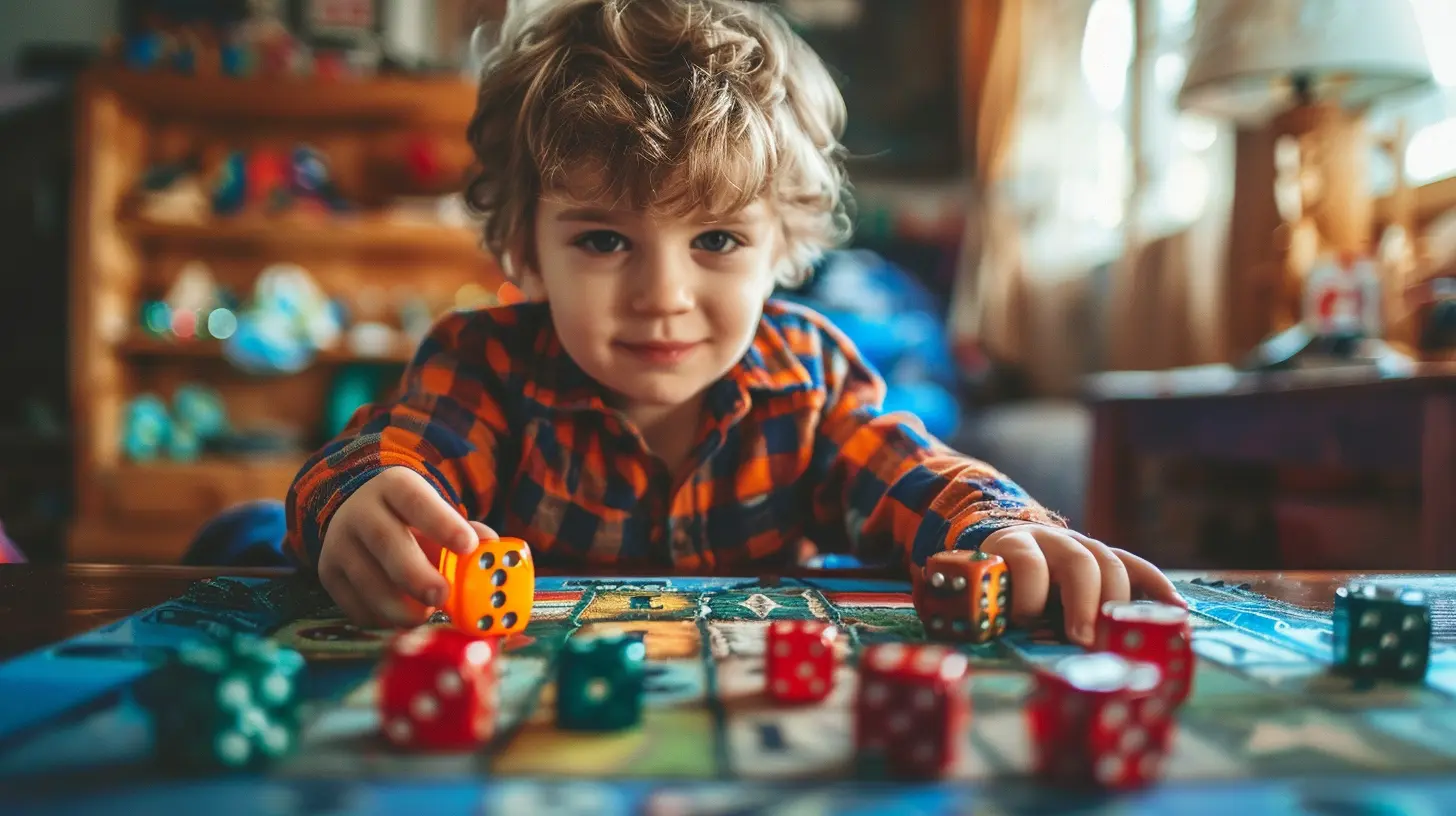
The Brain On Play: What Neuroscience Tells Us
So, what exactly is going on in the brain when we're engaged in play? Spoiler alert: a lot.Dopamine Makes It Stick
Let’s start with dopamine—the “feel-good” chemical. When we play, our brains release dopamine, which boosts mood and motivation. But here’s the kicker: dopamine also improves attention and retention. That means when kids are having fun, they’re more likely to remember what they’re learning. Play acts like superglue for education.Play Builds Neural Pathways
Every time a child experiments in their play kitchen or figures out a puzzle, they fire and wire brain circuits. These repeated patterns literally shape the architecture of the brain. Play strengthens connections between neurons, especially in areas responsible for executive function—planning, decision-making, impulse control, and focus.Stress Reduction = Better Learning
We all know stress is the enemy of learning. Play offers a safe, low-pressure environment where kids can take risks and make mistakes. When the brain isn’t bogged down by anxiety, it's free to explore, absorb, and grow.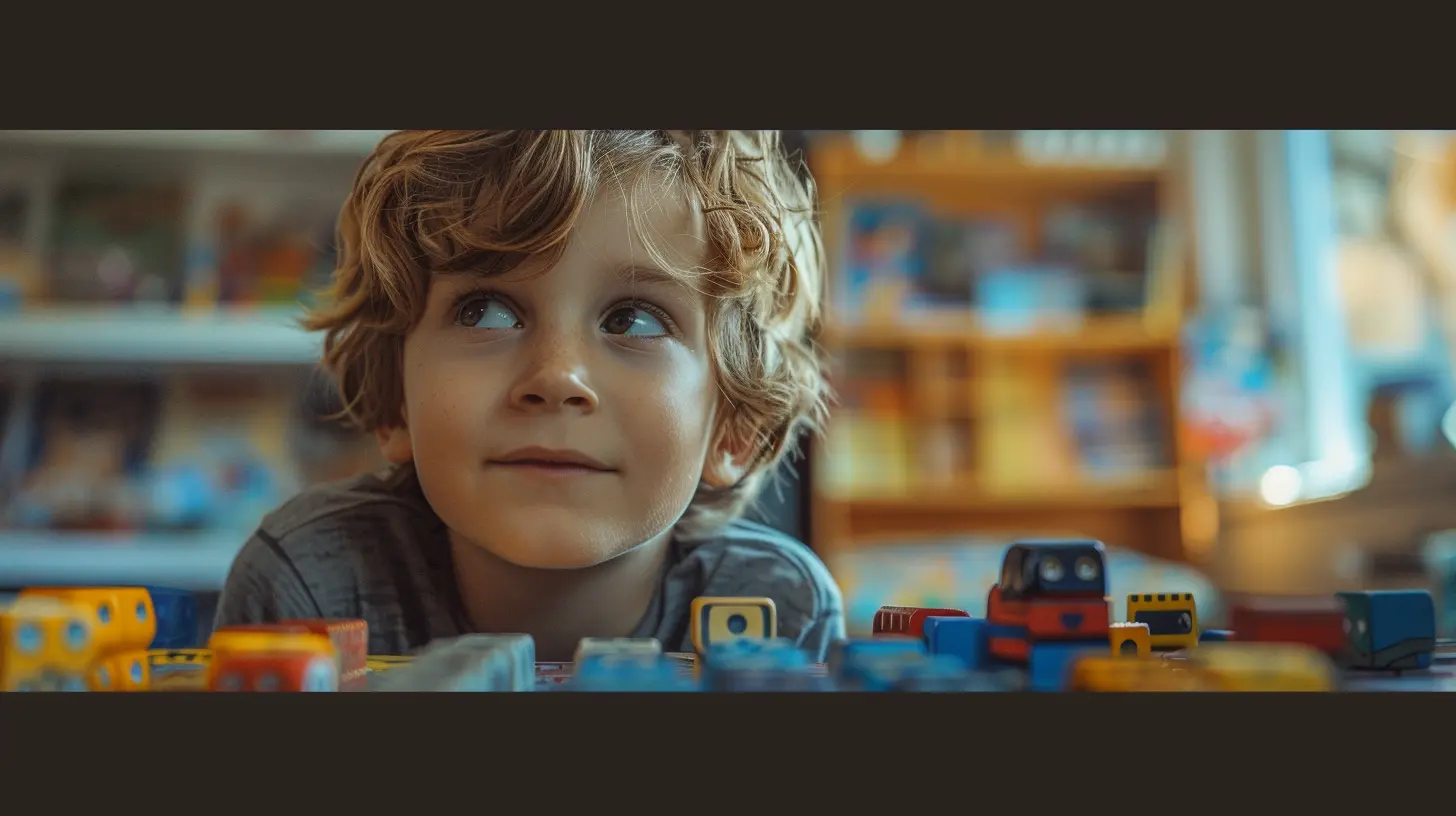
Why Play Boosts Cognitive Development
Let’s break it down: how exactly does play help the brain grow smarter? Spoiler—it’s not magic, it’s science.Language and Communication Skills
From tea parties to trading Pokémon cards, play creates endless opportunities for children to use language. They learn new vocabulary, practice sentence structure, and develop listening skills… all without feeling like they’re in a classroom.Problem Solving and Critical Thinking
Games often come with challenges—whether it’s figuring out how to defeat a boss in a video game or solving a jigsaw puzzle. These challenges build critical thinking, logic, and flexibility. The brain has to evaluate, guess, test, and learn from mistakes. Sound familiar? That’s the scientific method in motion.Social and Emotional Intelligence
Play teaches people to understand others. In imaginative role-play, kids “become” someone else. That helps them see the world from different points of view—a key factor in developing empathy. Cooperative games teach teamwork, negotiation, taking turns, and dealing with wins and losses.Creativity Unleashed
Ever noticed how a cardboard box can become a spaceship or a castle in a kid’s hands? That’s not just cute—it’s creativity at work. Creative play helps nurture abstract thinking, innovation, and the ability to “think outside the box.”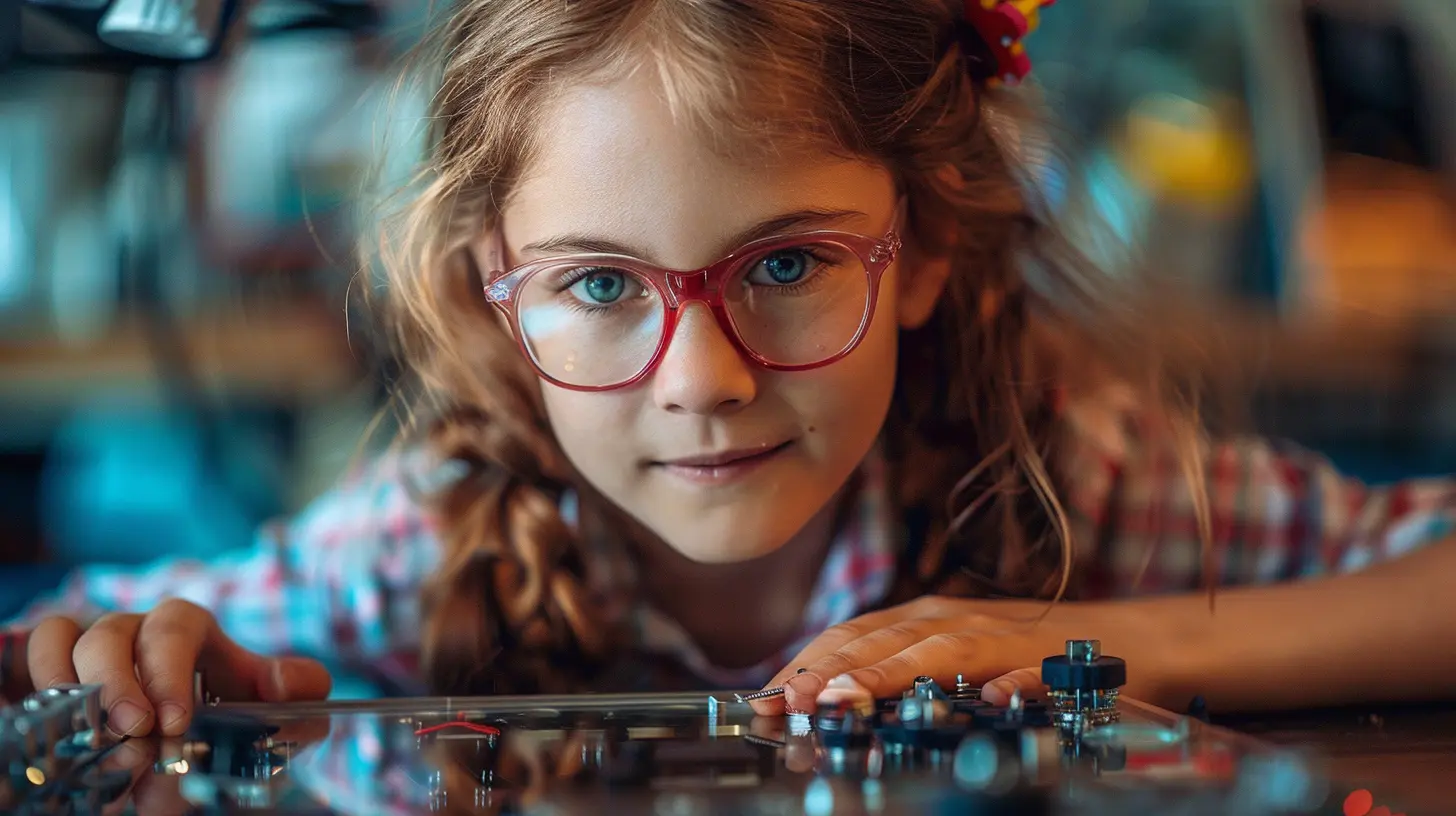
Learning Through Play in the Digital Age
"But wait a second," I hear you say. “What about video games? Aren’t those just time-wasters?” Not necessarily.When Screens Are Smart
Educational games that are well-designed (think Minecraft: Education Edition, Osmo, or even Portal 2) offer rich, immersive learning experiences. They can teach coding, math, storytelling, critical thinking, even ethics.What matters is how the game is used. A game that prompts collaboration, exploration, and discussion? That’s golden. A game that isolates and overstimulates? Not so much.
Video Games and the Brain
Studies show that action games improve hand-eye coordination, spatial awareness, and multitasking. Strategy games sharpen decision-making and planning. Games that require communication enhance teamwork and social skills.It’s all about balance, moderation, and selecting the right kind of game.
How to Encourage Learning Through Play
If you’re wondering how to bring more learning-through-play into your day-to-day, no worries. You don’t need a fancy toy room or a PhD to make it happen.Let Them Choose the Game
Autonomy is powerful. When kids get to choose how they play, they engage more deeply. Whether it’s building with blocks or creating a musical, follow their lead.Ask Open-Ended Questions
Instead of giving instructions, ask:- “What do you think will happen if…?”
- “Why did you build it that way?”
- “Can you tell me the story behind your drawing?”
Questions like these get those brain wheels turning without making it feel like a quiz.
Mix Toys With Real-Life Materials
Sometimes the best “toys” are sticks, spoons, and blankets. They encourage open-ended play, which leads to higher creativity and problem-solving.Play Together
Join in the fun! Kids learn tons from you during play. Model curiosity, enthusiasm, and flexibility. Plus, it tightens the bond between you.The Role of Schools and Educators
Schools are increasingly realizing that sitting still at a desk all day may not be the golden ticket to learning. Play-based learning is making a comeback, especially in early childhood education. And the results? Pretty compelling.Play-Based Curriculum
In preschool and even some forward-thinking elementary schools, play isn’t considered extra—it’s the main event. Activities are designed to promote development through exploration and discovery.Research shows that kids in play-based programs tend to perform better long-term—academically and socially—compared to those in more “rigid” academic settings.
Gamification of Learning
More educators are blending games with lessons. Whether it’s math bingo or history scavenger hunts, turning learning into a game boosts engagement and motivation. Even older students benefit from game-based learning platforms like Kahoot!, Quizizz, or Classcraft.Learning Through Play Isn’t Just for Kids
That’s right. Adults can—and should—play too. Board games, escape rooms, improvisation classes, and even workplace team-building games all feed our creative and cognitive selves.Playing helps adults better manage stress, improve memory, and encourage out-of-the-box thinking. It keeps our brains flexible and our spirits high.
And hey, who said learning had to stop at graduation?
Common Myths About Learning Through Play
Let’s bust some common myths, shall we?"Play Is Wasted Time"
Nope. Play is productive. It’s how children (and adults) practice skills in real-life scenarios—without the real-life consequences."Academic Learning Is More Important"
Both are important. In fact, play often supports academic learning. Counting blocks? That’s early math. Storytelling with dolls? That’s language development."Video Games Are Always Bad"
Not true. Like anything, moderation is key. Well-designed video games can teach strategy, communication, and even empathy.Final Thoughts
Learning through play isn’t just a theory—it’s backed by decades of research and centuries of observation. When we engage in play, we tap into the most natural, effective, and joyful kind of learning there is. The brain lights up, connections form, and skills blossom—all while we’re having a blast.So whether you’re planning your child’s next playdate, choosing a video game, or grabbing some dice for Sunday game night, remember this: you’re not just playing. You’re growing, learning, and connecting.
And that’s something worth celebrating.
all images in this post were generated using AI tools
Category:
Educational Value Of GamesAuthor:

Leif Coleman
Discussion
rate this article
2 comments
Solaria Gibson
This article compellingly illustrates how play fosters cognitive development and social skills. By integrating game mechanics into learning, we can optimize educational experiences, making them engaging while effectively enhancing retention and critical thinking.
March 1, 2026 at 6:03 AM
Leif Coleman
Thank you for your thoughtful comment! I'm glad you found the article compelling. Play truly transforms learning into an engaging and effective experience.
Nadine McVicker
Great article! It's fascinating how play enhances learning—fun really is the best teacher. Keep up the awesome work!
February 28, 2026 at 4:12 AM
Leif Coleman
Thank you! I’m glad you enjoyed it and appreciate your support!