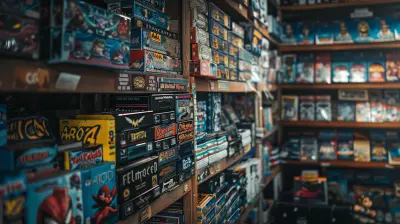
Tracking Down Rare Arcade Cabinets for Your Collection
2 April 2026
So, you’ve caught the collecting bug, huh? Whether you're an old-school gamer with a soft spot for blinking lights and joystick jams, or you're just falling for the pixelated charm of retro gaming, one thing’s for sure—rare arcade cabinets are addictive. They’re not just epic centerpieces for game rooms, man caves, or she-sheds... they’re time machines that teleport you back to the golden days of gaming.
But let’s not sugarcoat it—tracking down rare arcade cabinets can feel like hunting for unicorns in a digital jungle. They’re elusive, maybe slightly dusty, and often come with a story. If you're ready to go on this wild adventure, buckle in! Here's your guide to finding those rare gems and giving them the forever home they deserve.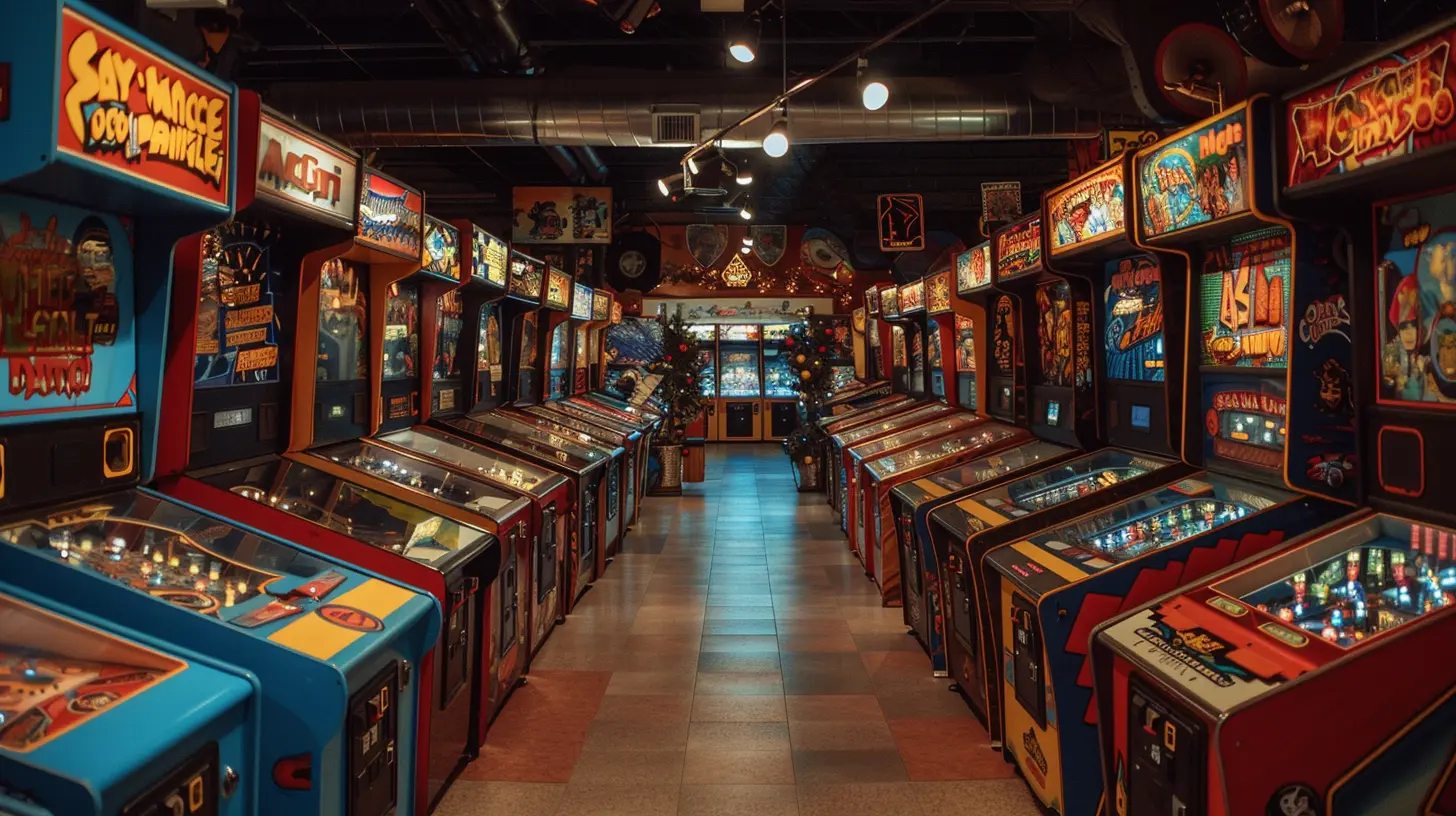
Why Rare Arcade Cabinets Are Worth the Chase
Before we get into the nitty-gritty of tracking them down, let’s just appreciate why these machines are worth your time (and money). Rare arcade cabinets aren't just collectibles—they’re pieces of history. Every joystick wiggle, every coin inserted, every pixelated explosion tells a story.They’re nostalgic, sure. But beyond that nostalgia, they’re an investment. As more collectors enter the game and working machines get harder to find, prices—and excitement levels—are only going up.
Do you want a collection that turns heads? One that makes fellow gamers go “Wait, is that the original Polybius?” (Okay, maybe not that rare)? You gotta go rare.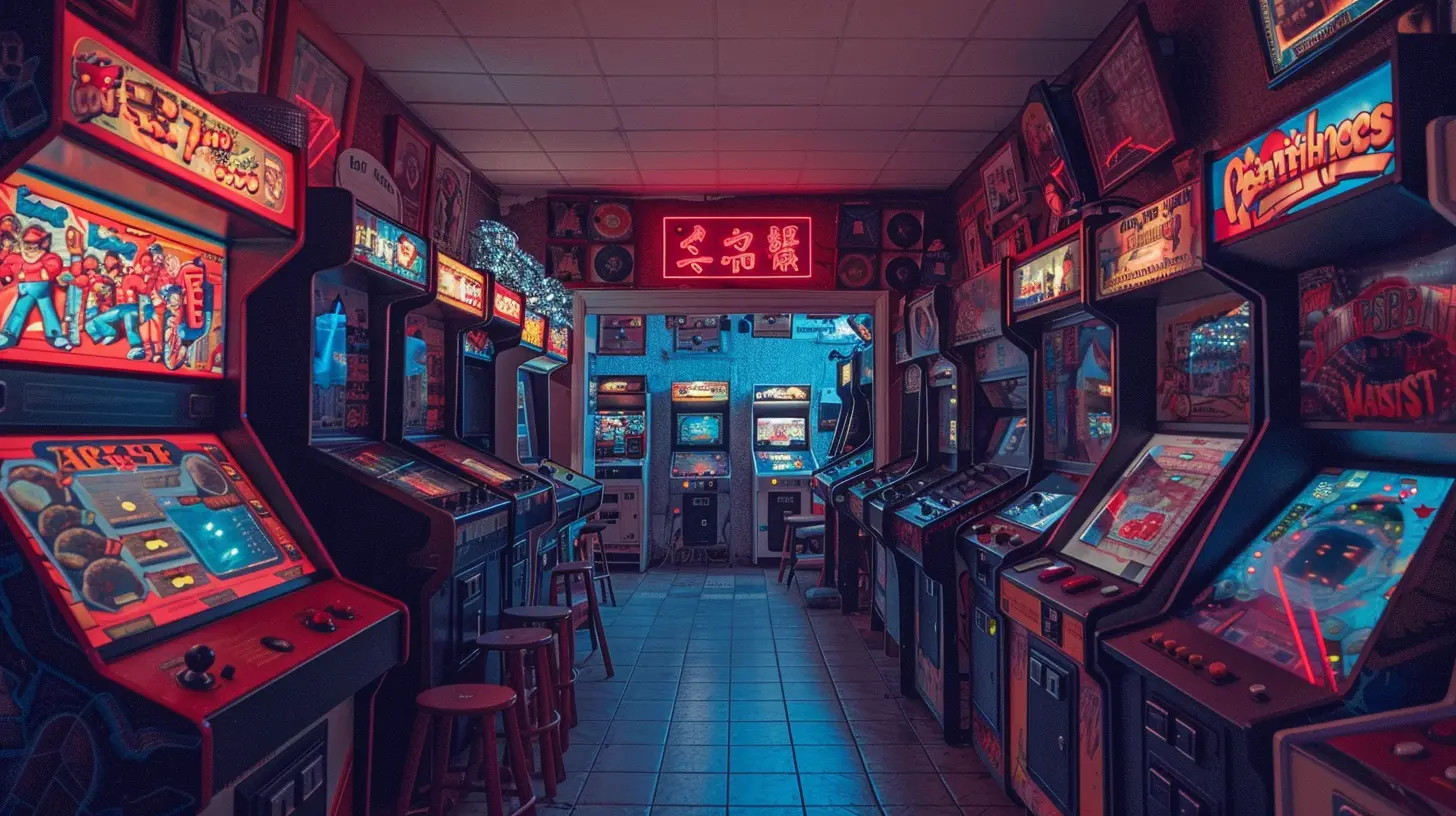
What Makes an Arcade Cabinet Rare?
Let’s set the record straight—not all old arcade machines are rare. You might find a Frogger machine on Craigslist, but that doesn’t mean it's a unicorn.Here’s what actually makes an arcade cabinet rare:
- Limited Production Runs: Games that were only produced in small quantities.
- Region-Specific Releases: Machines that never made it to certain countries.
- Prototype Models: These were never meant for commercial release—like folklore in cabinet form.
- Low Survival Rate: Cabinets from the '70s and '80s that weren’t mass-produced or didn’t sell well.
- Collector Demand: Even a somewhat common game can become rare if demand skyrockets (yes, nostalgia economics are real).
Some examples? Try tracking down "The Act: An Interactive Comedy" or "Quantum" by Atari. You'll see what real rarity looks like.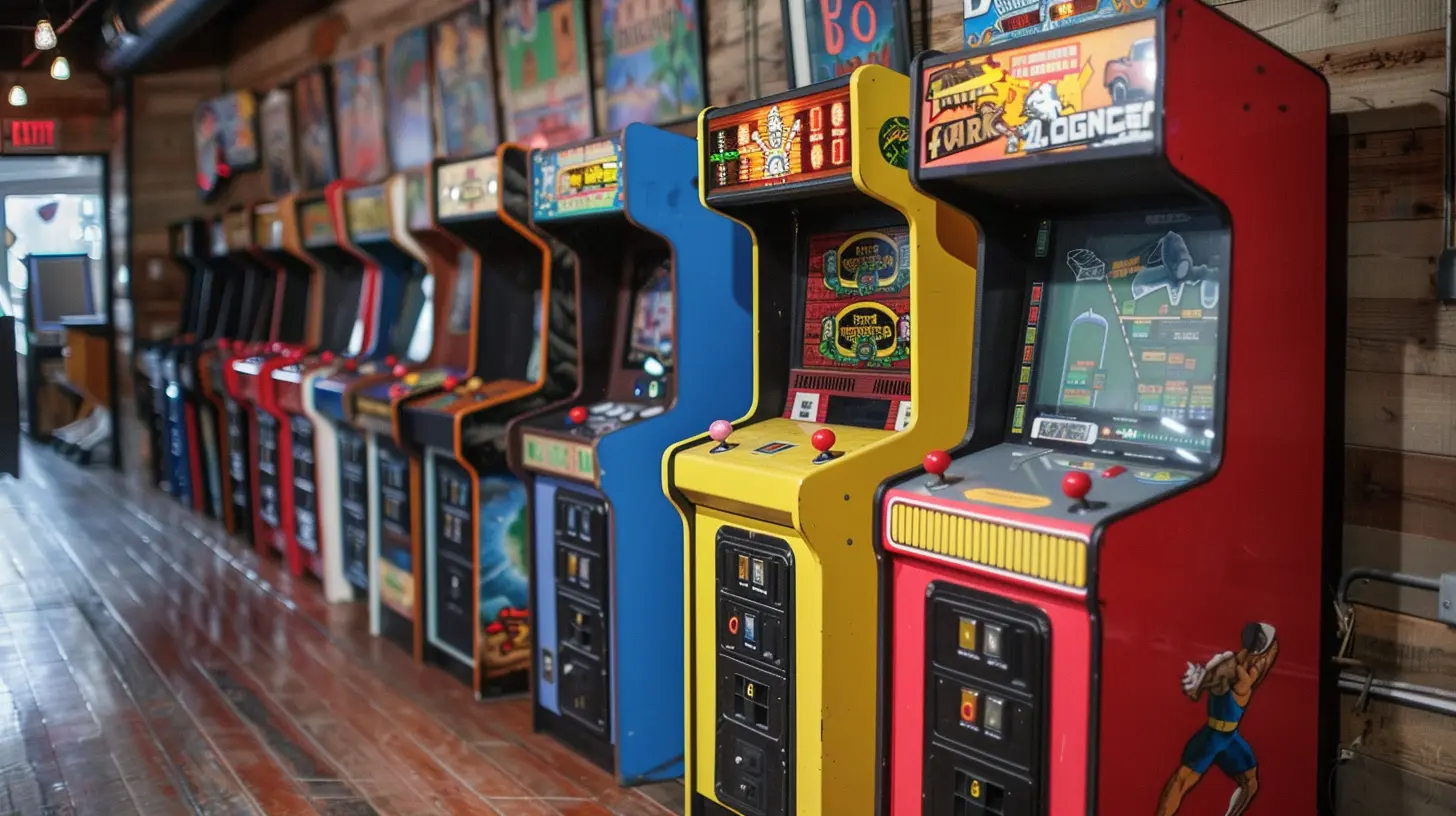
Where to Begin Your Arcade Cabinet Hunt
Alright, ready to get your hands dirty? Here's where you can start your quest to chase down these arcade legends.1. Online Marketplaces (The Wild West of Collecting)
- eBay: Yes, it’s obvious. But it’s also where many rare cabinets surface. Use search alerts and scan daily.- Craigslist / Facebook Marketplace: Pure gold—especially if you're willing to do a little road tripping.
- Arcade Forums: Websites like KLOV (Killer List of Videogames) and Arcade Museum aren’t just forums. They’re a rabbit hole of potential leads.
Pro Tip: Never underestimate the power of a good keyword search. Try combinations like “arcade cabinet,” “upright arcade,” “classic arcade,” or even fetch terms like “project cabinet” for fixer-uppers.
2. Auctions and Estate Sales
Yes, estate sales. You’d be surprised how many Baby Boomer basements have a hidden Donkey Kong machine collecting dust.- Local Auctions: Check out local auction houses specializing in antiques or industrial equipment.
- Specialty Game Auctions: Every now and then, dedicated video game or pop culture auctions roll around. Keep tabs on sites like Heritage Auctions or eBid.
3. Arcade Operators and Distributors
Arcades may be closing, but their owners often still have stock. Some operators have warehouses full of machines awaiting a new life. Make some calls. Send some emails. Be that friendly collector who’s “just wondering.”And don’t be shy—ask:
> “Got anything in storage that hasn’t seen the light of day in 30 years?”
You'd be amazed how often the answer is "Actually, yeah..."
4. Networking with Other Collectors
This one’s huge. The arcade collecting community is tight. Get to know some diehards, and you’ll soon hear whispers of local finds or machines someone’s “thinking about letting go.”- Join Facebook Groups like 'Vintage Arcade Collectors'
- Attend Arcade Conventions like California Extreme or Midwest Gaming Classic
- Hop on Discord servers dedicated to retro gaming
People love sharing their finds—and sometimes, they’re even willing to sell or trade.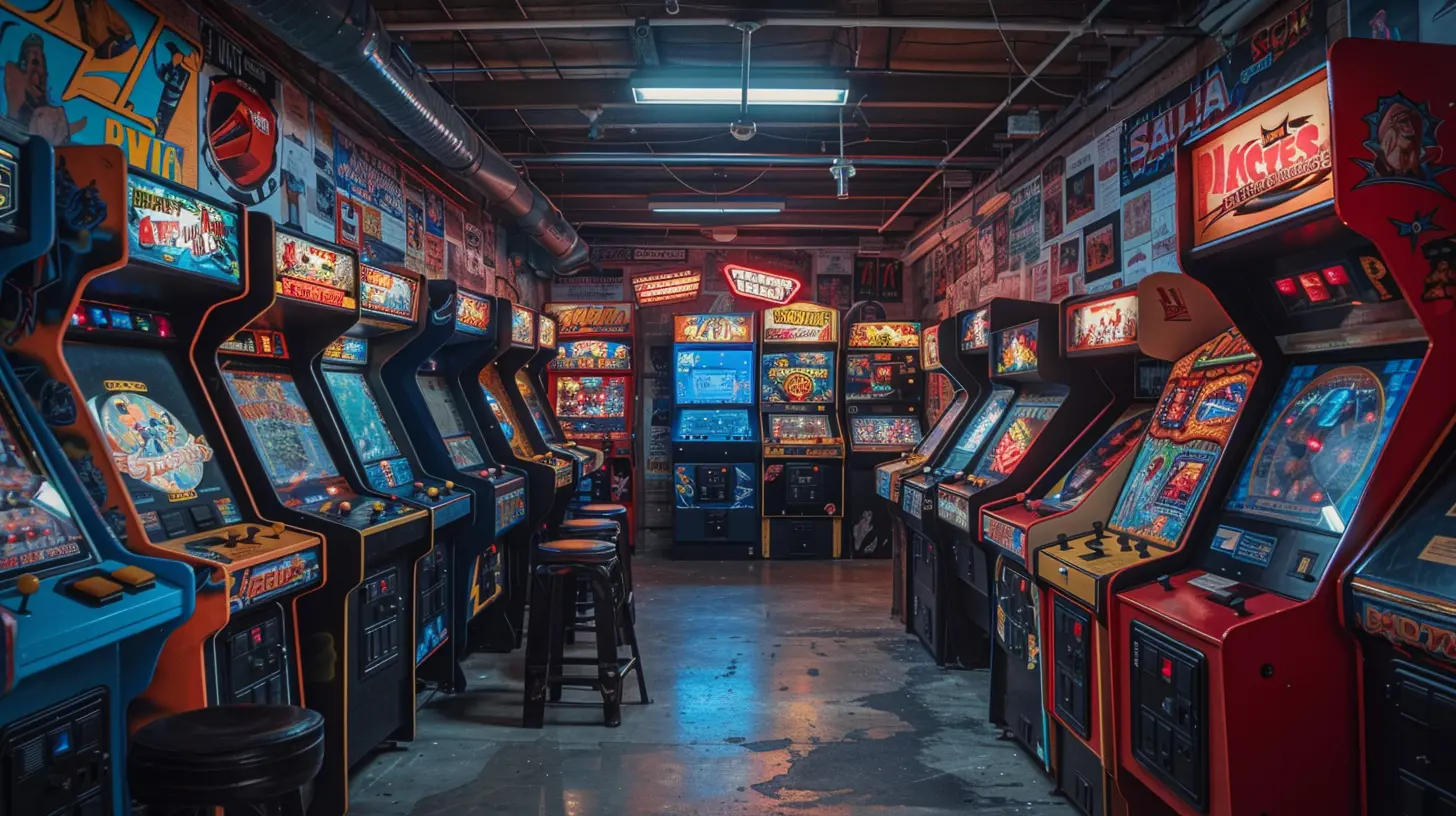
How to Evaluate a Rare Arcade Cabinet
So you’ve tracked one down—awesome! But how do you know it's the real deal?1. Check for Authenticity
Original cabinets have differences in artwork, woodwork, and control layouts. Do your homework. Compare photos of original models. Ask for serial numbers and check against online databases like the KLOV registry.2. Condition Matters (But So Does Potential)
Mint condition? That’s the dream. But don’t walk away from a dusty relic just because the screen’s busted or the coin mech is jammed. Many cabinets can be restored with a little elbow grease (and YouTube tutorials).Things to factor in:
- Cabinet integrity (no major wood rot)
- Original parts (joysticks, monitor, decals)
- Powering up (Does it boot? Any error codes?)
3. Determine Rarity and Value
Some games might be rare but not very desirable (sorry, obscure Mahjong games). Others, like “I, Robot” by Atari or “Bouncer” by Entertainment Sciences, are both rare AND in high demand. Use tools like:- PriceCharting
- Arcade Price Guide
- Archived sales on eBay
Keep it real—if you’re paying top dollar, make sure the cabinet backs it up with genuine rarity and solid condition.
Restoring vs. Preserving: What Should You Do?
This is a hot topic in the arcade world. Should you go for a complete restoration with new decals and a fresh coat of paint? Or leave it all as-is to preserve the “battle scars”?There’s no right answer—it depends on your style (and the cabinet’s condition). But here's a quick breakdown:
- Restore: For heavily damaged or non-functional cabinets
- Preserve: For rare or historically significant machines
Just remember: if you restore, do it respectfully. Keep original parts if possible. And stay true to the era—the goal isn’t to make it look new, but to make it feel right.
Avoiding Scams and Pitfalls
The rarer the item, the more likely you’ll find shady sellers trying to cash in.A few red flags:
- "Brand new" cabinets that are actually replicas
- MAME cabinets passed off as originals
- Sellers who refuse to send detailed photos or videos
Always ask for:
- Up-close shots of control panels, circuit boards, and serial tags
- A video of the machine powering on and in action
- Pickup location and proof of ownership
And if it sounds too good to be true... well, you know how the saying goes.
Transportation and Storage Tips
These cabinets are big. They can weigh over 200 pounds and won’t exactly fit in a compact car.A few moving tips:
- Use a dolly with straps to safely transport machines.
- Secure them upright—never lay CRT monitors face-down.
- Invest in heavy-duty blankets and padding to avoid cosmetic damage.
- Store in a temperature-controlled space to prevent warping or corrosion.
Seriously—don’t stash your precious “Tempest” in a damp garage. Treat that bad boy like the relic it is.
Final Thoughts: It’s a Marathon, Not a Sprint
Finding a rare arcade cabinet isn’t just a hobby—it’s a quest. It takes patience, persistence, and a whole lotta Google searches. Some days you’ll strike out, and others, you’ll hit the jackpot and find a holy grail in a barn 50 miles away.But that's what makes it fun. Every cabinet has a story—and now, you're part of it.
So get out there, keep your ear to the ground, and trust your gamer’s gut. Who knows? The rare arcade cabinet of your dreams might be waiting just around the corner (or buried deep in a warehouse you’ve never heard of).
Happy hunting, my fellow pixel pioneer.
all images in this post were generated using AI tools
Category:
Game CollectingAuthor:

Leif Coleman
Discussion
rate this article
2 comments
Justice Erickson
Chasing rare arcade cabinets is not just about the game—it's about preserving nostalgia and igniting joy!
April 6, 2026 at 4:51 AM
Leif Coleman
Absolutely! Collecting rare arcade cabinets is a journey that celebrates our gaming history and keeps those cherished memories alive.
Natasha McNair
This article provides valuable insights for enthusiasts seeking rare arcade cabinets. The tips on sourcing, restoration, and community engagement are particularly helpful for both newcomers and seasoned collectors alike.
April 4, 2026 at 2:52 PM
Leif Coleman
Thanks for the feedback! I'm glad you found the tips useful for both new and experienced collectors. Happy hunting!