Understanding the Rarity Scale in Game Collecting
20 June 2026
If you've ever dipped your toes into the world of game collecting, you've probably heard terms thrown around like "uncommon," "rare," or even "ultra-rare." But what do these terms actually mean? Is there a magical scale that tells us just how rare that obscure NES cartridge or limited-edition PlayStation release truly is?
Well… kinda.
Welcome to the rabbit hole, where rarity isn't just about numbers—it's a blend of history, demand, availability, and a touch of collector madness. In this guide, we’re going to break down the rarity scale, how it works, why it matters, and how you can use it to up your collecting game.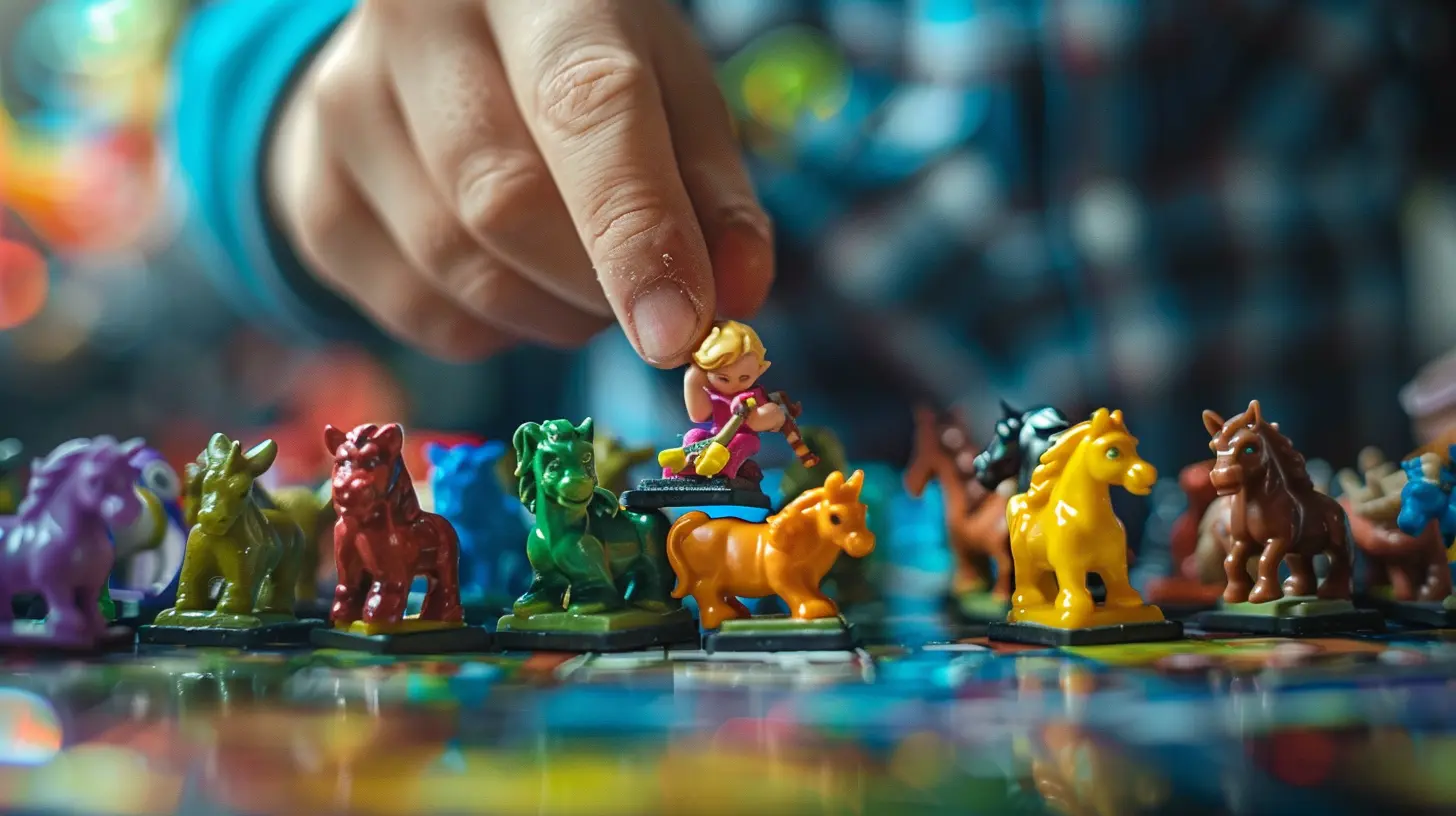
What Is the Rarity Scale in Game Collecting?
Let’s start with the basics. The rarity scale is a rating system used by collectors to determine how difficult a particular game is to find. Think of it like a treasure map—except instead of "X marks the spot," you've got numbers or descriptions that tell you how often that game actually pops up in the wild.Some scales use numbers (like 1 to 10), while others use words (like "Common" to "Ultra Rare"). The goal? Helping collectors figure out what’s easy to grab off eBay, and what’s going to take some serious hunting (and likely some serious cash).
Why Does Rarity Even Matter?
Great question. Rarity adds that satisfying gristle to game collecting. It transforms it from just buying retro games into a hunt, a challenge, a story.Here’s why rarity is a big deal:
- Value – Rare games usually cost more. Sometimes, a lot more.
- Bragging Rights – Owning a rare game is kind of like being in an exclusive club.
- Historical Significance – Rare titles often have unique backstories, like limited production runs or regional releases.
- Completeness – If you’re going for a full set of a console’s library, knowing what games are rare helps you plan accordingly.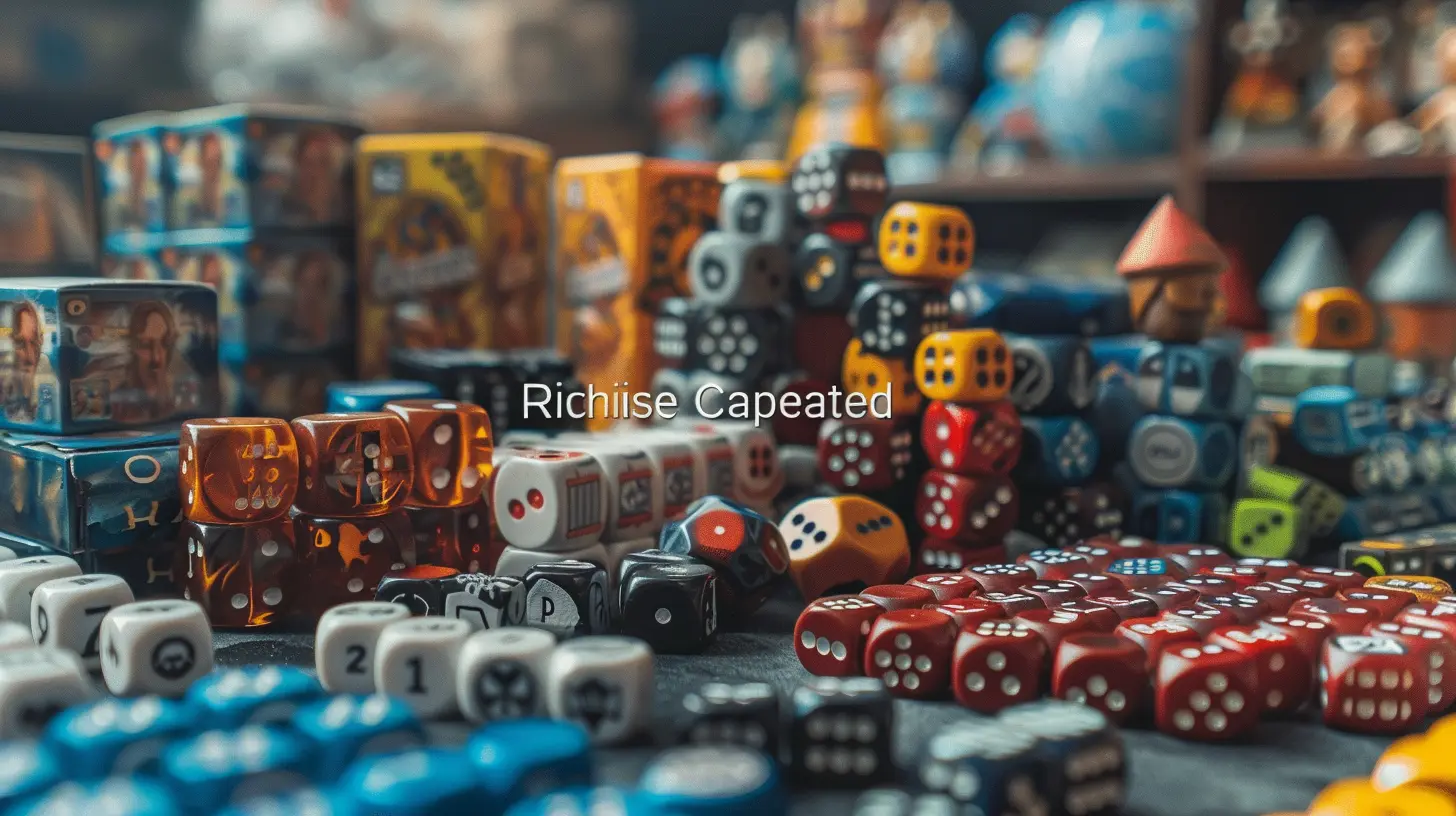
The Common Formats of Rarity Scales
So, how are these scales actually formatted? You’ll mostly see two types: numerical scales and descriptive levels.1. Numerical Rarity Scale (1–10)
This is one of the most widely used systems. Each game gets a score from 1 to 10, with:- 1 = Common as dirt (think Tetris or Wii Sports)
- 10 = Unicorn-rare (games like Stadium Events or the Nintendo World Championships cartridge)
It gives you a quick idea of what’s what. That said, the scale can be a bit subjective, especially when the scene evolves or new stock is discovered.
2. Descriptive Rarity Scale
This system uses terms like:- Common
- Uncommon
- Rare
- Very Rare
- Ultra Rare
You’ll often see this on collecting sites and price guides. It’s more reader-friendly and easier to grasp without needing to memorize numbers.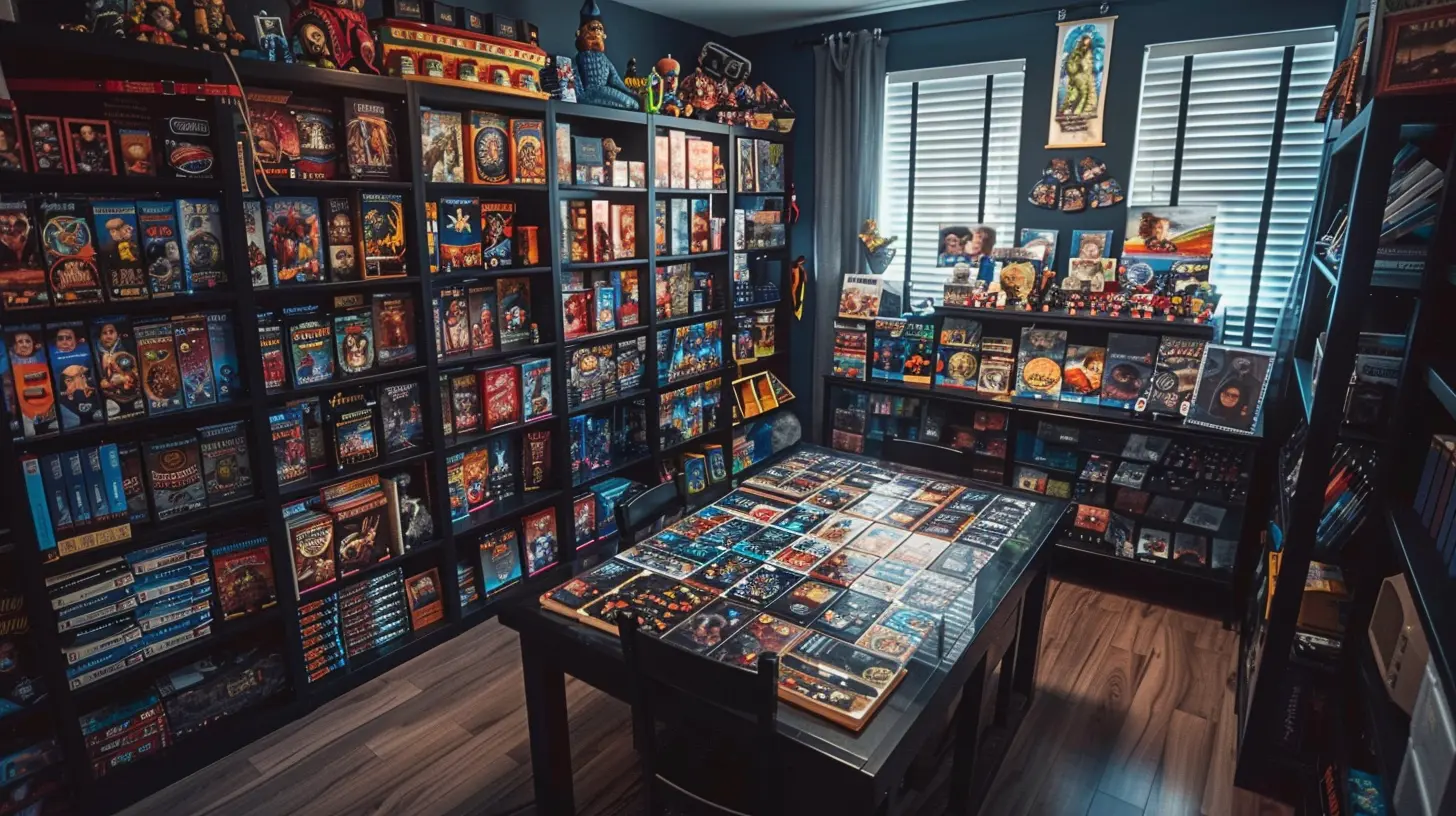
Factors That Determine a Game’s Rarity
Okay, so what actually makes a game rare? Here's a rundown of the core factors that go into rarity:1. Production Numbers
If only 500 copies of a game were made, you bet it's going to be rare. Limited releases, test market games, or region-specific editions can all land in this territory.2. Geographical Availability
Sometimes, a game might be common in Japan but super rare in North America—or vice versa. That’s why import collecting is such a big deal.3. Condition and Packaging
Loose cartridges are one thing, but finding a pristine, sealed copy? That’s a whole new level of rare. Complete-in-box (CIB) games often skyrocket in value thanks to their scarcity.4. Popularity and Demand
This one's interesting: a game can be rare, but if no one wants it, who cares? On the flip side, a moderately rare game in high demand can fetch a crazy price.5. Controversy or Legal Issues
Ever heard of games pulled from shelves due to lawsuits or offensive content? Yeah, those become rare real quick. "Chiller" for the NES is a classic example.6. Development Histories
Some games were never officially released but ended up leaked in prototype form. These pre-release versions often come with wild stories and even wilder price tags.Examples of Rare and Common Games
Let’s get some skin in the game. Here are a few examples that showcase the spectrum.? Common: Super Mario Bros. / Duck Hunt (NES)
This bundle was packed in with the NES, meaning millions of copies exist. You can probably find one at a garage sale for a few bucks.? Uncommon: EarthBound (SNES)
Not exactly a unicorn, but EarthBound didn’t sell well initially, so complete copies can be tough to find—and pricey.? Rare: Flintstones: Surprise at Dino Peak (NES)
A late NES release sold only through Blockbuster, and it's one of those "oh wow, you own that?" kind of games.? Ultra Rare: Nintendo World Championships 1990 Cartridge
Only 116 copies were made (90 gray carts, 26 gold), and they were given to competition finalists. One of these puppies can easily hit six figures.How to Use the Rarity Scale in Your Collecting Strategy
So, let’s say you’re diving into collecting. How can this scale actually help you?✅ Set Goals
Are you trying to collect every SNES game? Focus on knocking out the commons first, then budget and time for the rares later.✅ Track Prices
Cross-reference rarity with price guides. Sometimes people overprice “uncommon” games thinking they’re rare. Knowing the scale helps you avoid getting hosed.✅ Prioritize Wisely
Don’t chase after the holy grails first. Build up your collection with mid-tier rarities, then work your way up.✅ Stay Alert for Deals
Garage sales, thrift shops, and estate sales can hide rare gems. Knowing the rarity scale helps you spot a $200 game for $5 in a heartbeat.Common Misconceptions About Rarity
Let’s debunk some myths real quick:❌ Rarity = Value
Nope. A game can be rare and worthless if no one cares about it. Demand plays a huge role.❌ New = Rare
Just because a game is a special edition doesn’t mean it will stay rare. If it was mass-produced, chances are it'll be common in the future.❌ Digital Games Can Be Rare
Not really. Digital formats are endlessly reproducible unless removed from stores entirely—and even then, there's usually a backup floating around online.Tools and Resources for Identifying Rarity
You’re not expected to memorize every single game’s rarity. That’s what tools are for. Here are a few solid options:- PriceCharting.com – Combines price with rarity insights.
- GameValueNow.com – Tracks current selling prices and rarity.
- Collectorz.com – Ideal for cataloging your collection and tracking rarity data.
- Reddit and Forums – Subreddits like r/gamecollecting are full of nerds (lovable nerds) who’ll gladly help you out.
Should You Focus on Rare Games?
That’s entirely up to you. Rarity is fun to chase, but it shouldn’t be your only priority.If you love the thrill of the hunt and the prestige of owning a hard-to-find game, go for it. But don’t forget—this hobby is about fun. Getting obsessed with rarity can burn you out and drain your wallet faster than a loot box addiction.
My advice? Mix it up. Build a collection you actually enjoy, not just one that looks good on a spreadsheet.
Final Thoughts
Understanding the rarity scale in game collecting is like decoding the DNA of your hobby. It makes you smarter, more strategic, and less likely to blow a bunch of cash on an overhyped title.It's not just about owning the rarest games—it’s about the stories, the thrill of the find, and that little rush you get when you finally snag a grail you've been chasing for years.
So whether you’re hoarding PS2 titles, hunting Sega Genesis cartridges, or drooling over sealed SNES games—keep the rarity scale in your back pocket. It might just be your most powerful tool behind the joystick.
all images in this post were generated using AI tools
Category:
Game CollectingAuthor:

Leif Coleman
Discussion
rate this article
2 comments
Sarah Gomez
Great article! Understanding the rarity scale is crucial for collectors. It can be overwhelming at times, but knowing how to navigate it can enhance the joy of collecting. Your insights really help make this hobby more accessible and enjoyable for everyone.
August 22, 2026 at 5:04 AM
Leif Coleman
Thanks for the kind words! I'm glad you found the insights helpful. Happy collecting!
Rocco Porter
Great insights on the rarity scale! I appreciate how you broke down the concepts. It really helps collectors like me understand the market better and make informed choices. Thanks for sharing!
June 23, 2026 at 4:53 PM
Leif Coleman
Thanks for your kind words! I'm glad you found the breakdown helpful. Happy collecting!