What Makes a Game Truly Mod-Friendly
23 December 2025
Modding. It's the secret sauce that keeps some games alive for years—or even decades—past their original release. If you've ever lost countless hours tweaking Skyrim with a hundred mods or diving into wild Minecraft creations, you already know the power of mods.
But here’s the thing: not all games are created equal when it comes to modding. Some titles make modding feel like painting with a full artist’s kit. Others? Like trying to carve a sculpture with a spoon. So, what exactly sets a game apart as being truly mod-friendly?
Let’s dig into it.
What Is Modding, and Why Should Developers Care?
Before we go all-in, it's worth answering the basics. Modding—short for modification—is when players alter a game’s content. That could be as simple as a new character skin or as complex as a total gameplay overhaul.But why does this matter for developers?
Well, for starters, mods extend a game’s life. Look at The Elder Scrolls V: Skyrim. That sucker launched in 2011 and still has a booming community, mostly thanks to mods. Not to mention the free promotion mods bring. Every time a streamer shows off a wild mod, that’s more eyes on the game.
So yeah—mods matter. A lot.
1. Open File Structures: The Foundation of Modding
This one might sound kind of boring, but it’s important: a file system that’s easy to access and understand is modding gold.Why It Helps:
Games that bury everything in encrypted archives or proprietary file formats put up immediate brick walls for modders. On the flip side, if the game’s assets—textures, models, audio, scripts—are easy to read and edit, it opens the door wide for creativity.Think of it like giving modders a toolbox versus giving them a sealed briefcase with no key.
Real Example:
Take Minecraft. Almost everything is exposed and tweakable. That’s half the reason there are entire platforms—like CurseForge—overflowing with mods for it.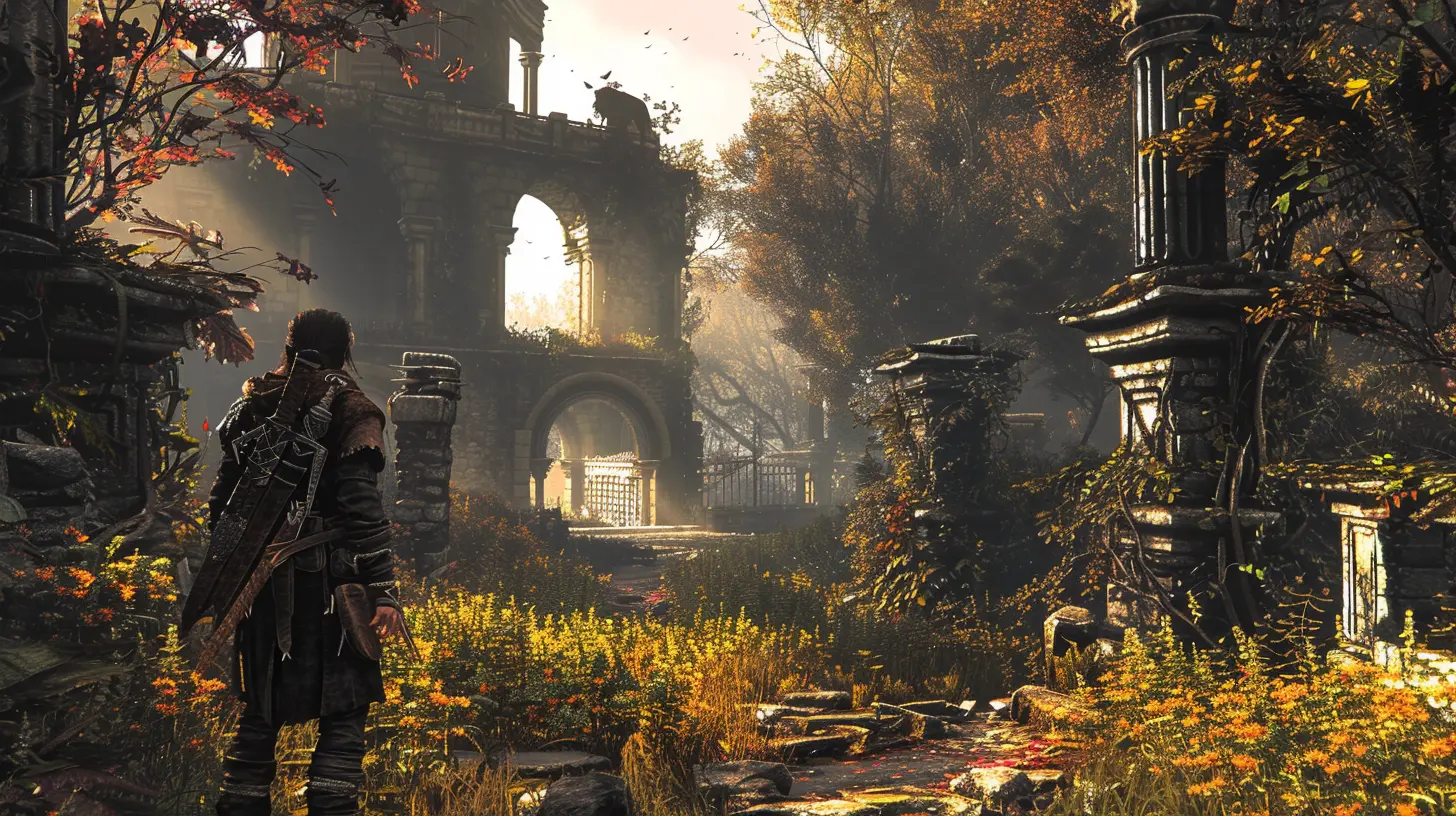
2. Developer Support and Tools
If a developer really wants their game to thrive in the modding world, they can go the extra mile by officially supporting the community.Tools Modders Dream About:
- Modding SDKs (Software Development Kits) – Makes building content a breeze.- Official Editors – Like Bethesda's Creation Kit.
- Proper Documentation – It's not sexy, but it’s crucial.
- APIs or Scripting Access – Want to allow crazy new game mechanics? Scripting is your friend.
Why It’s a Big Deal:
When devs provide the right tools, it’s like lighting a match in a fireworks factory. Everything just explodes—in the best way. Modders get creative, the community grows, and the game thrives.
3. A Flexible Game Engine
Your game engine is kind of like the skeleton of a game. If it's rigid, mods will struggle to bend and shape it into something new. If it's flexible? The possibilities are endless.Examples of Flexibility:
- Dynamic AI Behaviors: So modders can script enemies or allies with new brains.- Custom Physics and Animations: So that someone can turn your medieval fighter into a Star Wars lightsaber duel.
- Expandable Asset Pipelines: Want to add custom 3D models? Sound effects? UI tweaks? A flexible engine makes that simple.
Some popular engines like Unity and Unreal offer built-in support for modding, especially if devs leverage those tools the right way.
4. Mod Loaders and Managers: Quality of Life
It’s one thing to create a mod. It’s another to install it without breaking the game.This is where mod loaders and managers come in.
What They Do:
- Help players install, update, and organize mods.- Avoid annoying conflicts between mods.
- Allow toggling mods on/off as needed.
- Sometimes allow mod stacking or load order management.
The Alternative?
Players manually dragging files into obscure folders and praying everything works. Spoiler alert: it usually doesn’t.By supporting tools like Vortex, Mod Organizer, or even creating official ones, devs make life easier for everyone.
5. Community Engagement and Encouragement
Want to know one surefire way to boost modding activity? Talk to your community. Encourage them. Highlight their work.What Devs Can Do:
- Host modding contests.- Share mod showcases on social media.
- Collaborate with modders on official content (yes, looking at you, Valve).
- Create forums or Discords specifically for creators.
Communities that feel heard and appreciated will give back tenfold. And trust me, modders are some of the most passionate fans out there.
6. A Stable Yet Expandable Game Core
Here’s a weird tightrope: mods thrive most when a game is stable, but also customizable.Why Stability Matters:
If the core game keeps changing dramatically—especially because of updates—it can break mods left and right. Been there. Cried about it.Why Expandability Matters:
If mods are just surface-level tweaks, things get old fast. A truly mod-friendly game allows deep changes without creating chaos.This means:
- Modular design.
- Versioning systems.
- Patch notes optimized for developers and modders alike.
Basically, balance innovation with consistency.
7. Legal and Licensing Clarity
Let’s get real—nothing kills a modding scene faster than legal gray areas.Games that have confusing or hostile terms of service will scare modders away. Fast.
What Helps:
- Clear guidelines on what's allowed.- Permission to monetize (like on Patreon or Ko-fi)
- Respectful intellectual property handling.
Bethesda, CD Projekt Red, and Mojang have set solid examples here.
If you're a developer, don't treat modders like pirates. Treat them like unpaid interns that might just make your game legendary.
8. A Game Built with Modding in Mind
At the heart of it all, the biggest factor that makes a game truly mod-friendly is intent. If the developers build the game knowing modding will be a big part of it, everything else becomes easier.When modding is an afterthought? It shows. And it hurts.
Signs the Game Was Built for Mods:
- Modular systems (like independent game mechanics).- Plug-and-play design for in-game assets.
- A codebase with scripting and API hooks.
Compare that to games where every tiny thing is hardcoded and locked down—night and day difference.
9. A Thriving, Active Modding Community
Even the most mod-ready game can flop if no one shows up to the party.Why Community Matters:
- Modders inspire each other.- Shared tools and templates speed up the process.
- Players can discover mods easily through showcases and reviews.
Sometimes it just takes one killer mod to spark a movement. Ever heard of DayZ? That was just an Arma mod. Now it’s its own entire game.
10. Popularity and Accessibility of the Game
Last (but definitely not least): the game has to be, well… popular enough to attract modders in the first place.Factors That Help:
- Affordable or free pricing.- Cross-platform support (PC is king for mods, but consoles are catching up).
- Good performance and optimization.
If no one's playing the game, no one’s modding it. It’s that simple.
Final Thoughts: Creating a Modder’s Paradise
So what truly makes a game mod-friendly? It’s not just throwing in a level editor and calling it a day. It’s about giving the player community room to stretch their creative muscles.It’s about saying: “We made something awesome. Want to make it even cooler?”
From open file systems to active community engagement, there’s a whole ecosystem that needs to work together. But when it does? Magic happens. Mods breathe new life, bring players back, and keep the game world turning.
If you're a developer, want your game to live forever? Give the modders the keys.
And if you're a player thinking about dabbling in modding... what are you waiting for?
all images in this post were generated using AI tools
Category:
Game ModsAuthor:

Leif Coleman
Discussion
rate this article
3 comments
Avery McIlroy
Mod-friendliness in games is like a buffet: if you can't customize your plate, what's the point? Give me the freedom to sprinkle my chaos on every pixel, slap on some spaghetti monster skins, and tinker until my character looks more like a meme than a hero!
April 3, 2026 at 3:29 AM
Leif Coleman
Absolutely! Modding adds so much personality to a game. The freedom to customize really enhances the experience and keeps it fresh. Let's embrace the chaos!
Alyssa McQuiston
Great article! It’s fascinating to see how mod-friendly games encourage creativity and community engagement. I wonder how developers balance their vision with player modifications. Could the rise of modding tools lead to entirely new genres or gameplay experiences? Excited to see what’s next!
January 14, 2026 at 5:00 AM
Leif Coleman
Thank you for your insights! Balancing developer vision with player mods is crucial, and the rise of modding tools certainly has the potential to inspire new genres and experiences. Exciting times ahead!
Joy McCord
Absolutely love this topic! Mod-friendly games are like playgrounds for creativity. They let us reshape worlds and tell new stories. Here’s to developers who embrace the community—your passion fuels our imagination. Keep those mods coming! 🎮✨
December 25, 2025 at 5:05 AM
Leif Coleman
Thank you for your enthusiasm! Mod-friendly games truly empower creativity and foster a vibrant community. Here’s to the developers who support this dynamic ecosystem! 🎮✨