What Makes a Great RPG Protagonist
14 May 2026
When you're neck-deep in a fantasy world crawling with dragons, corrupt kings, and magic glinting off swords—in short, a classic RPG—there’s one constant that either makes or breaks the whole adventure: the protagonist. You know, the central character through whom you experience every twist, betrayal, victory, and awkward romance dialogue option.
But here's the kicker: not all RPG protagonists are created equal. Some are unforgettable legends etched into the minds of players for years. Others? Well, they fade faster than a potion cooldown. So, what separates the iconic from the forgettable? Let's break it down.
The Heart of the Journey: Why the Protagonist Matters
RPGs (Role-Playing Games) are all about immersion. You’re supposed to feel like you're living another life. The protagonist is your lens into the world—your avatar, your story-driver, your moral compass (or lack thereof). They’re not just a meat shield you shove into battle. They're the emotional anchor of the game.Whether it’s Commander Shepard in Mass Effect or Geralt of Rivia in The Witcher, the protagonist shapes the tone, the story beats, and how invested you feel from start to finish.
1. Personality That’s Actually... Well, Personal
Let’s face it—cardboard cutouts don’t cut it anymore. A great RPG protagonist has a personality that feels nuanced and human. They’ve got flaws. Maybe they’re a little too cocky, or they carry emotional baggage heavier than their inventory. That’s what makes them relatable.Even in games where the player customizes the protagonist (hi, Dragon Age: Inquisition), giving them emotional depth makes a huge difference. Players need to feel they’re shaping someone real—not just pushing dialogue prompts with blank stares.
Customization vs. Pre-Written Personalities
Some of the best RPGs give you full control over your protagonist—Looks, class, gender, backstory—the works. Think Skyrim or Baldur’s Gate. The trick here? Even with total customization, the game still needs to offer enough interaction with the world that your character feels fleshed out.Then you have pre-written protagonists like Aloy from Horizon Zero Dawn. She's not just a name—you know what makes her tick, what drives her, and why she fights. It's the perfect balance between player engagement and crafted storytelling.
2. Motivation: The Inner Fire That Drives Them
Why is the protagonist doing what they’re doing? What’s keeping them going? Vengeance? Redemption? A lost sibling? Or maybe, it's just survival. Good RPG protagonists don’t act just because the quest log says so—they have clear, compelling motivations.Let’s take Arthur Morgan from Red Dead Redemption 2—not a traditional fantasy RPG, but narrative gold nonetheless. His internal struggle and evolving motivations pull you into every mission with a sense of purpose.
A protagonist without motivation is just a fancy mannequin. Motivation gives the game emotional stakes.
3. Growth That Feels Earned
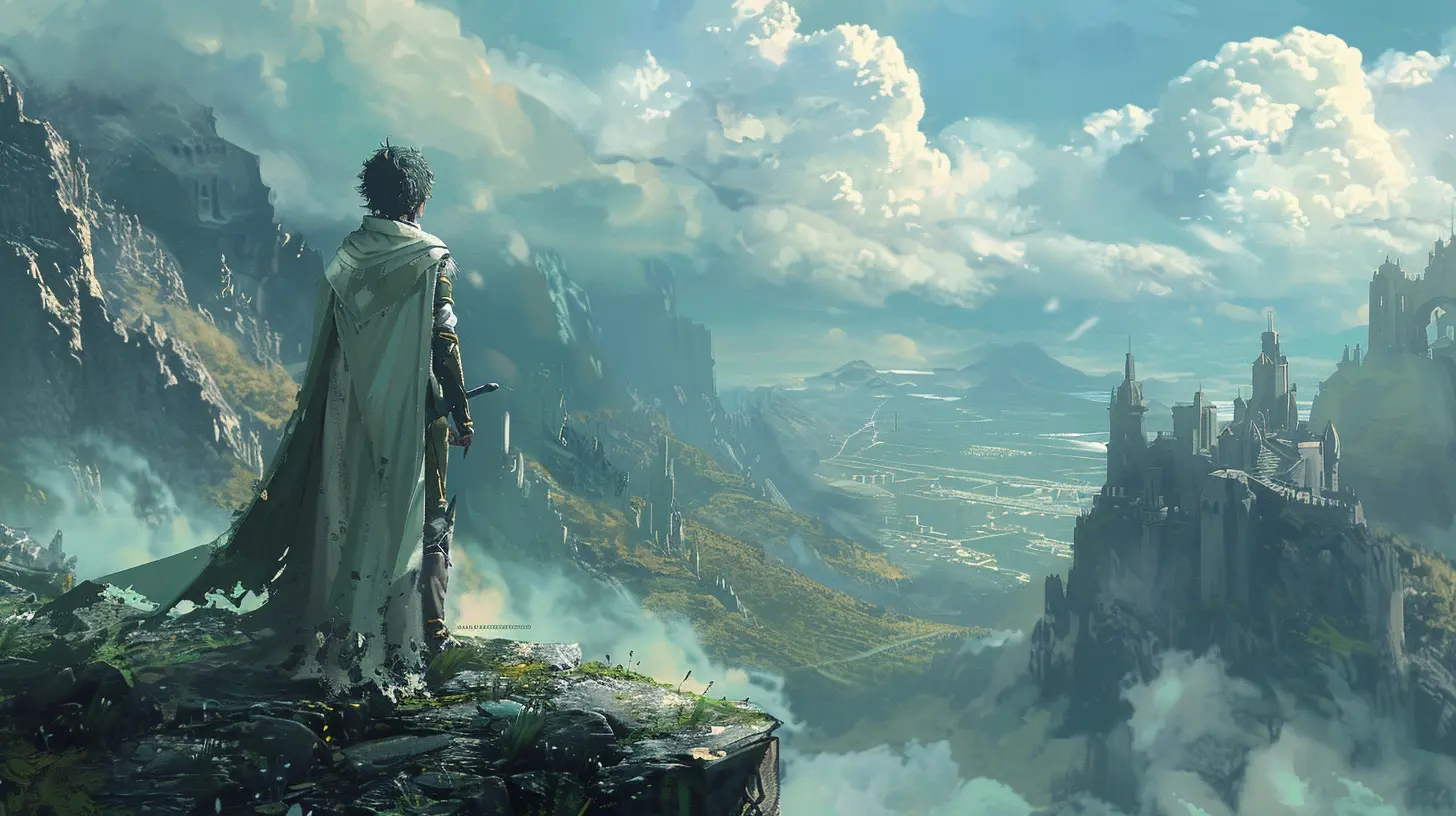
One of the most satisfying parts of an RPG is watching your character grow. And I’m not just talking about gaining XP or unlocking badass spells. We're talking real character development.Does the cowardly rogue learn to trust others? Does the cold-blooded warrior soften after a tragic loss? The best RPG protagonists change because of the events around them—not in spite of them.
Choice Matters to Growth
Games like The Witcher 3 or Cyberpunk 2077 nail this by intertwining personal choices with character growth. What you decide shapes not only the world but also your protagonist’s emotional arc.It should feel like each story beat, each choice you make, adds a layer to your character. You want to look back at the end and think, “Wow, I’m not the same person I was when I started.”
4. Voice Acting and Dialogue That Doesn't Kill the Mood
A good script can elevate a game. But voice acting? That’s the secret sauce. A great protagonist needs to sound believable. Not just the line delivery, but the emotional weight behind it.Think of Geralt’s dry, gravelly sarcasm. Or FemShep’s commanding tone. These voices aren’t just reading lines—they’re breathing life into the story.
And let’s not forget the importance of dialogue options. Players want to steer conversations and see the world react to them. Even silent protagonists can work (like Link in Zelda), but it’s riskier. Most players today expect their characters to talk and make an impression.
5. Symbolism and Themes
Iconic RPG protagonists often represent something bigger. They're not just saving the world—they symbolize resilience, rebellion, hope, or sacrifice.Take Cloud Strife. Emo hair aside, he’s a walking metaphor for identity and inner conflict. Or take Commander Shepard—a symbol of unity in a fractured galaxy.
When a protagonist embodies a compelling theme, the story hits harder. You’re not just completing quests—you’re living out a powerful narrative that resonates on a personal level.
6. Emotional Range: More Than Just a Stone-Faced Killer
Let’s get real. If your protagonist’s only emotion is "battle rage," they've already lost the RPG protagonist Olympics.A well-rounded hero shows vulnerability. They care. They mourn. They laugh. When NPCs die, or betray you, or make sacrifices—it should hurt. And your character should reflect that.
Games that let you show emotional responses—anger, sadness, empathy—double down on immersion. You’re not just playing a role. You’re feeling it.
7. A Memorable Design
Yes, looks aren’t everything. But in games? They kind of are.You can spot Leon Kennedy’s jacket or Aloy’s red braid from a mile away. A great protagonist has a design that sticks—something iconic, something that screams, “Yep, that’s them.”
Whether it’s armor style, tattoos, or a specific sword—give players a visual cue that reflects the character’s personality and journey.
Even in games with customizable characters, you can still craft a memorable aesthetic. Just look at how people remember their Dragon Age Inquisitor or Fallout Courier.
8. Player Freedom Without Losing Focus
This one’s tricky. A great RPG protagonist should feel like a blank slate and a real person. It’s a tightrope walk.If you go too far in one direction, the character feels like a robot. Too far the other way? You alienate players who want to role-play their own way.
Games like Mass Effect hit this sweet spot. You can be Paragon or Renegade, diplomatic or brutal—but Shepard still feels like Shepard. They have an anchor personality, but you define the edges.
9. Relationships That Matter
Let’s talk about companions, romance, and all that juicy social stuff. A great RPG protagonist isn’t alone in the world. The people they care about shape them.Who they fall for, who betrays them, who they lose—it all adds emotional depth. When the game lets you nurture relationships, it strengthens your bond with the protagonist.
When Garrus says he’s proud of Shepard? Goosebumps. When your Dragon Age companion turns on you because of a hard choice? That stings. The protagonist shines brightest when surrounded by well-written allies and adversaries.
10. Legacy: Leaving a Mark
At the end of the day, the greatest RPG protagonists are the ones you still think about after the credits roll. They linger. Not because they had the most stats or killed the biggest monster—but because their journey meant something.They leave a legacy. Sometimes that’s saving the world. Other times, it’s changing one person’s life. Either way, they matter. And that’s the ultimate goal of any RPG protagonist—to matter to you.
Final Thoughts
A great RPG protagonist isn’t defined by one thing—it’s a cocktail of personality, motives, voice, design, choices, and emotional resonance. They’re not just our guide through the game world—they are the game world, in a way.Whether we create them from scratch or step into their shoes, we want to care about them. We want to laugh with them, cry for them, and cheer when they finally overcome the impossible.
Because that’s the magic of RPGs—they make us feel like heroes. But only if the hero is worth rooting for.
all images in this post were generated using AI tools
Category:
Rpg GamesAuthor:

Leif Coleman
Discussion
rate this article
2 comments
Carter Jacobs
A great RPG protagonist should be relatable and dynamic, with a compelling backstory that evolves throughout the game. Their decisions should matter, influencing the story and player experience, and they need a blend of strengths and vulnerabilities that resonate.
May 25, 2026 at 3:02 AM
Leif Coleman
I completely agree. A relatable and evolving protagonist truly enhances the player's connection to the story. Their choices should definitely shape the narrative and create a more immersive experience.
Jade McClellan
Great RPG protagonists resonate because they reflect our own struggles and growth. Their journeys inspire us to face challenges, while their flaws make them relatable. A well-crafted character can truly elevate the experience, making every choice feel meaningful.
May 19, 2026 at 4:10 AM
Leif Coleman
Absolutely, a great RPG protagonist mirrors our own journeys, making every choice and challenge feel personal. Their growth, flaws, and experiences truly elevate our connection to the story.