What Makes Unreal Engine the Go-To Choice for Developers
1 July 2026
If you've spent any time in the world of game development, chances are you've heard of Unreal Engine. Maybe you’ve marveled at the stunning visuals in your favorite AAA games, or perhaps you’ve toyed with the idea of making your own game someday. Either way, Unreal Engine is a name that pops up again and again—for good reason.
But what is it exactly that makes Unreal Engine so darn popular among developers? Is it just hype, or is there some real meat behind all that praise? Let’s dig deep into what truly makes Unreal Engine the go-to choice for developers—whether you're just starting out or leading a team on the next big title.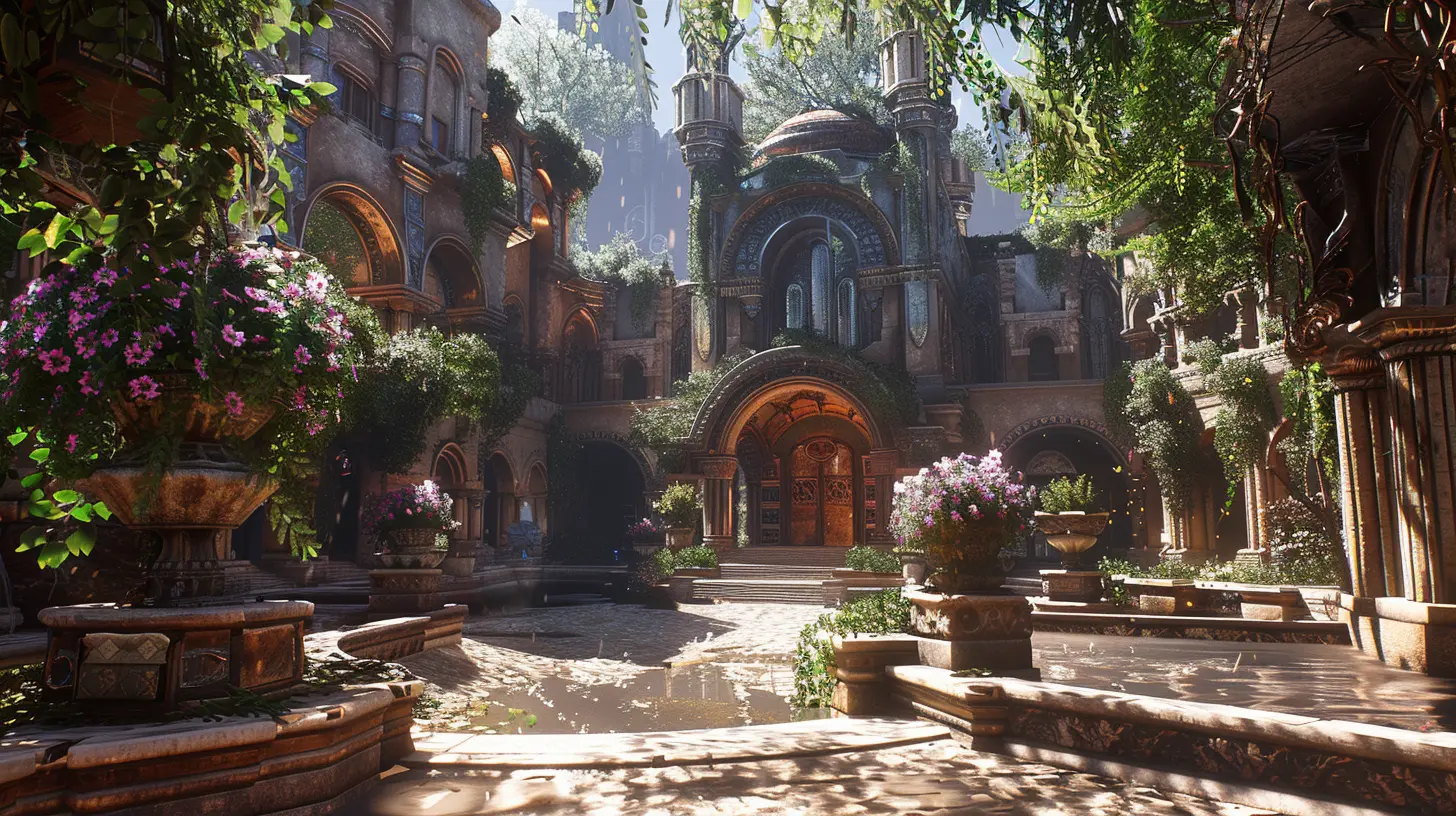
Unreal Engine in a Nutshell
Before we dive in, let's lay a bit of groundwork. Unreal Engine is a powerful game development engine created by Epic Games. It debuted in 1998 and has grown exponentially since then. It’s used not just for games, but also for architecture, film, automotive design, and even virtual production.Sounds fancy, right? But what REALLY sets it apart? Let’s break it down.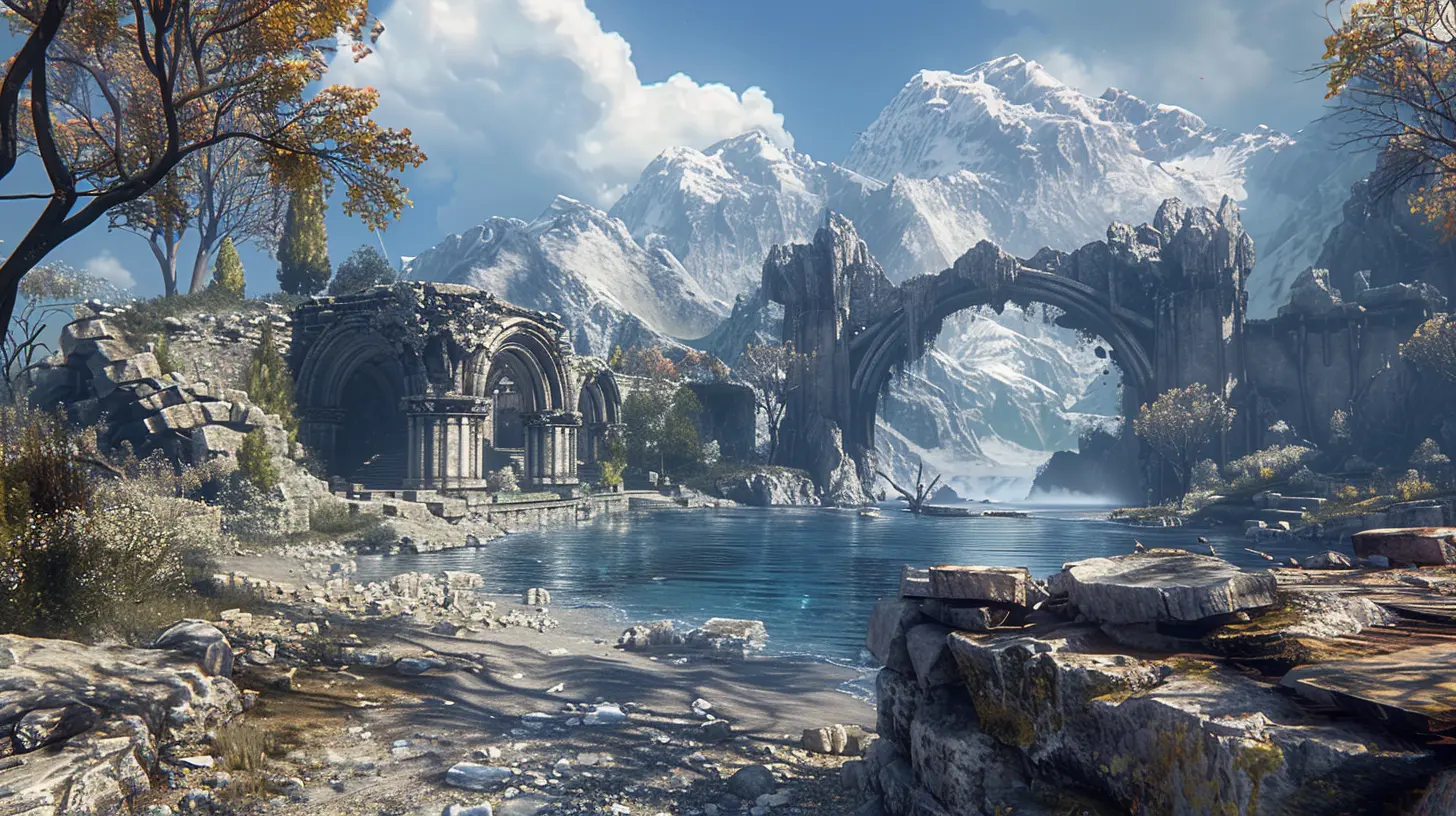
1. Stunning Graphics Out of the Box
Let’s start with the big one—graphics. The moment you boot up a project in Unreal Engine, you can practically feel the power pulsing under the hood. It’s like jumping into a sports car after driving a minivan.Unreal Engine is famous for its photorealistic rendering capabilities. Thanks to tools like Lumen for dynamic lighting and Nanite for high-poly models, developers can craft experiences that look like they belong on a movie screen. No exaggeration.
But here’s what’s wild—Unreal doesn’t make you jump through hoops to get those graphics. The visuals are jaw-dropping straight out of the box, no million-dollar GPU required.
Ever seen those “how they made it” breakdowns of games like Fortnite or The Matrix Awakens demo? Yep, that’s Unreal doing its thing.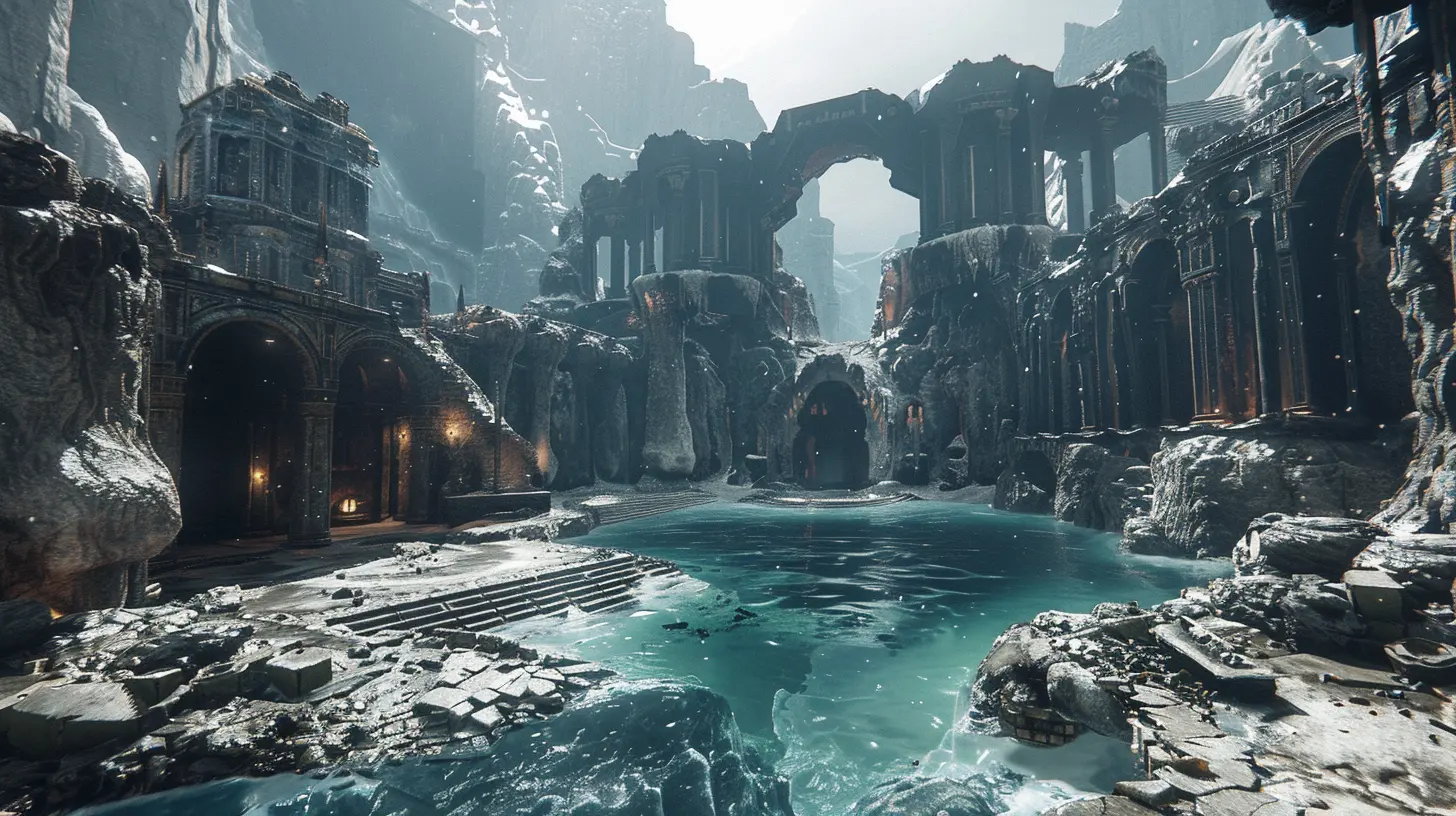
2. Blueprint Visual Scripting: Code Without Code
Now, if you're not a programmer, you might think game development is out of your league. Unreal says, “Not so fast.”Enter: Blueprint.
Blueprint is Unreal’s visual scripting language. It's like logic-building with LEGO blocks. You don’t need to write a single line of code to make something move, react, or explode dramatically. Think drag-and-drop programming that’s powerful enough to build entire games.
For beginners, this is a game-changer—literally.
But here’s the kicker: advanced devs love it too. Even if you know C++, Blueprint lets you whip up prototypes fast or tweak gameplay without trudging through lines of code.
3. AAA Tools for Free
You’d think tools like this would cost a fortune, right? But Unreal Engine is free to use. Epic only takes a cut (5%) after you make your first $1,000,000 in revenue per product. That’s a deal that’s hard to beat.In short: you can build a high-quality game without spending a dime up front. For indie developers or small studios, that's a breath of fresh air—and possibly a ticket into the big leagues.
4. A Robust, Real-Time Engine
One word: real-time. Unreal is a beast when it comes to real-time processing. What does that mean for you? Less waiting around. You can make changes and see the results instantly.Whether you're working on lighting, physics, animation, or shading—it all happens in real time. This not only speeds up the workflow but also encourages experimentation. You can try wild ideas on the fly without killing your momentum.
Imagine being an artist painting a masterpiece and seeing the final colors emerge as you brush them on. That’s what working with Unreal feels like.
5. Cross-Platform Prowess
Want to build for PC? Xbox? PlayStation? Mobile? VR? AR? Unreal Engine has you covered across the board.Unreal makes deploying your game to different platforms as seamless as possible. This is a massive deal. Some engines make porting your game feel like building it all over again. Unreal? Not so much.
Whether you're gunning for Steam, the App Store, or Meta Quest—Unreal can take you there.
6. Massive and Supportive Community
Let’s face it—no matter how good a tool is, you’re going to hit a wall sooner or later. That’s where Unreal’s community shines.There are thousands of tutorials, forum threads, YouTube channels, and Discord servers dedicated to helping developers get unstuck. Got a question? Odds are someone’s already asked—and answered—it.
Plus, there’s the Unreal Marketplace. You can grab ready-made assets, blueprints, animations, and even fully playable game systems. It’s like having a dev toolkit supercharged with user-generated goodness.
7. Tight C++ Integration for Pros
When you’re ready to go under the hood, Unreal's got the muscle. Unreal Engine is built with C++ in mind, so if you’re fluent in that language, you’ll feel right at home.Why does this matter? C++ gives you total control. If you want to tweak rendering pipelines, build custom engine features, or optimize performance at the nitty-gritty level, you can do it.
In essence: Blueprint for speed, C++ for power. It’s a one-two punch that caters to all skill levels.
8. Unreal Engine 5: The Game Just Leveled Up
Unreal Engine 5 is the latest version, and it’s a total game-changer. With features like:- Nanite – a virtualized geometry system that allows for film-quality assets to be rendered in real time.
- Lumen – global illumination technology that looks borderline magical.
- World Partition – a new system that lets massive open worlds load and stream more smoothly.
- MetaSounds – bringing the same control to audio as material editors give to visuals.
It’s like Epic took everything that was great and cranked it up to 11.
9. Not Just for Games
Here's something you might not know—Unreal isn't just for games anymore.It’s being used for virtual sets in Hollywood (like in The Mandalorian), architectural walkthroughs, automotive designs, and even live concerts in the metaverse.
Unreal’s real-time capabilities and photorealism make it ideal for any kind of interactive experience. So, whether you’re building a fantasy MMORPG or designing a luxury car showroom, Unreal has your back.
10. Epic’s Support Doesn't Hurt
Let’s give Epic Games some credit. They don’t just build the engine—they support the heck out of it.From frequent updates to major industry grants (hello, Epic MegaGrants!), Epic backs developers in a serious way. Even Fortnite serves as a tech testbed, constantly pushing Unreal to be better.
It’s rare to see a tool being used so heavily by its own creators. That means when Epic improves Unreal, they're improving it for their own benefit—and yours.
11. Scalability That Grows With You
Whether you're making a hyper-casual mobile game or a sprawling open-world RPG, Unreal scales beautifully.Start with a tiny prototype, then expand it into a full game with cutting-edge tech—without switching engines. That alone saves time, money, and sanity.
Plus, Unreal's modularity means you only use what you need. Turn off unneeded systems to keep things lean, or go full-throttle when you’re ready to go big.
12. Future-Proofing with Metaverse and AI Integration
Let’s talk future.Epic isn’t just building a game engine—they’re creating infrastructure for tomorrow. From advanced AI systems to digital humans (check out MetaHuman Creator), Unreal is leaning hard into what’s next.
The idea? Build once, use everywhere—from games to metaverse experiences. If you want to future-proof your projects, Unreal is a smart bet.
Final Thoughts: Is Unreal Right for You?
So, is Unreal Engine perfect? Of course not. It has a learning curve, especially for solo devs without prior experience. The file sizes can get massive, and it can feel like overkill for super-simple projects.But when it comes to power, versatility, and long-term potential? It’s hard to ignore Unreal.
Whether you’re tinkering with your first game or leading a AAA studio, Unreal Engine offers a toolbox that’s deep, adaptable, and just plain fun to use.
If you’re serious about crafting unforgettable gaming experiences—or exploring the frontiers of interactive digital media—then Unreal might just be your new best friend.
TL;DR (Too Long; Didn't Read)
- Unreal Engine gives you stunning visuals with minimal effort- Blueprint scripting makes dev accessible even if you don’t code
- AAA-quality tools are free until you make $1M
- Real-time editing boosts creativity and productivity
- Cross-platform support is top-notch
- Massive community and asset marketplace
- Deep C++ integration for advanced users
- Unreal Engine 5 introduces game-changing features
- It’s being used beyond games—in film, architecture, and more
- Epic Games actively supports and evolves the engine
- Scales from indie projects to AAA titles
- Future-focused with AI, MetaHuman, and metaverse tech
all images in this post were generated using AI tools
Category:
Unreal Engine GamesAuthor:

Leif Coleman
Discussion
rate this article
2 comments
Alice McGinnis
Unreal Engine stands out for its powerful graphics, versatile tools, and strong community support. These features make it an ideal choice for developers looking to create visually stunning and immersive games.
September 3, 2026 at 3:47 PM
Leif Coleman
Absolutely, Unreal Engine's graphics and tools are top-notch, and the community is really supportive. It truly enables developers to bring their creative visions to life.
Imani McAdams
Great article! Unreal Engine's powerful features and flexibility truly set it apart for developers. It's inspiring to see how it continues to push the boundaries of game design.
July 2, 2026 at 3:50 PM
Leif Coleman
Thanks for the feedback! I'm glad you enjoyed the article. Unreal Engine really does open up exciting possibilities for developers.