What Permadeath Means for Character Attachment
6 September 2026
Let’s face it — nothing hits you quite like losing a character you've poured hours into. That’s the gut punch permadeath delivers, and if you’ve ever lost a beloved virtual hero for good, you already know how personal it can feel. But why is that? How does permadeath impact the bond we form with our digital alter-egos or party members?
In this article, we’ll pull back the curtain on permadeath, dig into how it shapes the emotional connection between players and characters, and why developers keep bringing it back — even when gamers scream in agony. So, buckle up, and let’s get real about this brutal but oddly beautiful feature in gaming.
What Is Permadeath, Really?
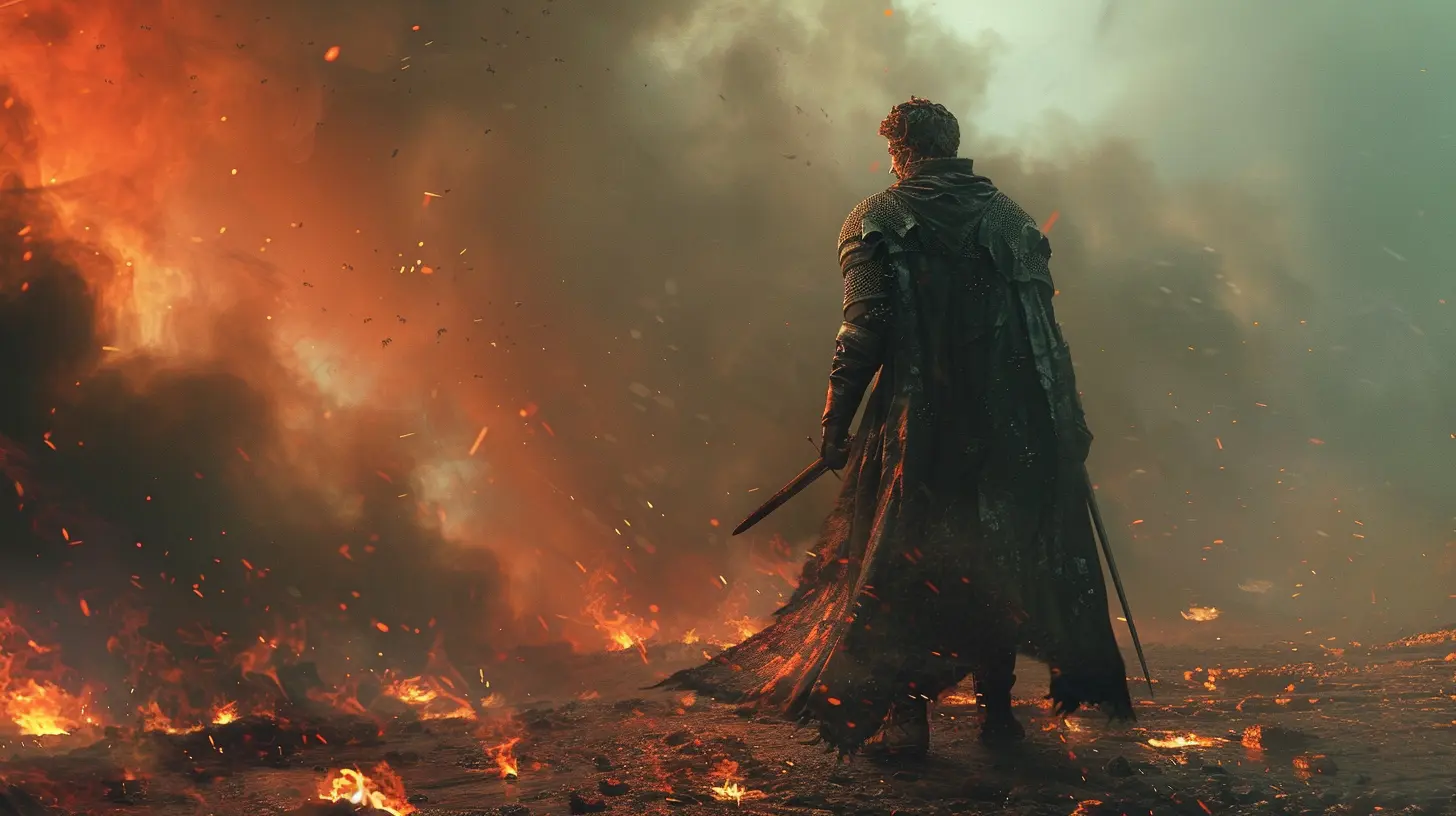
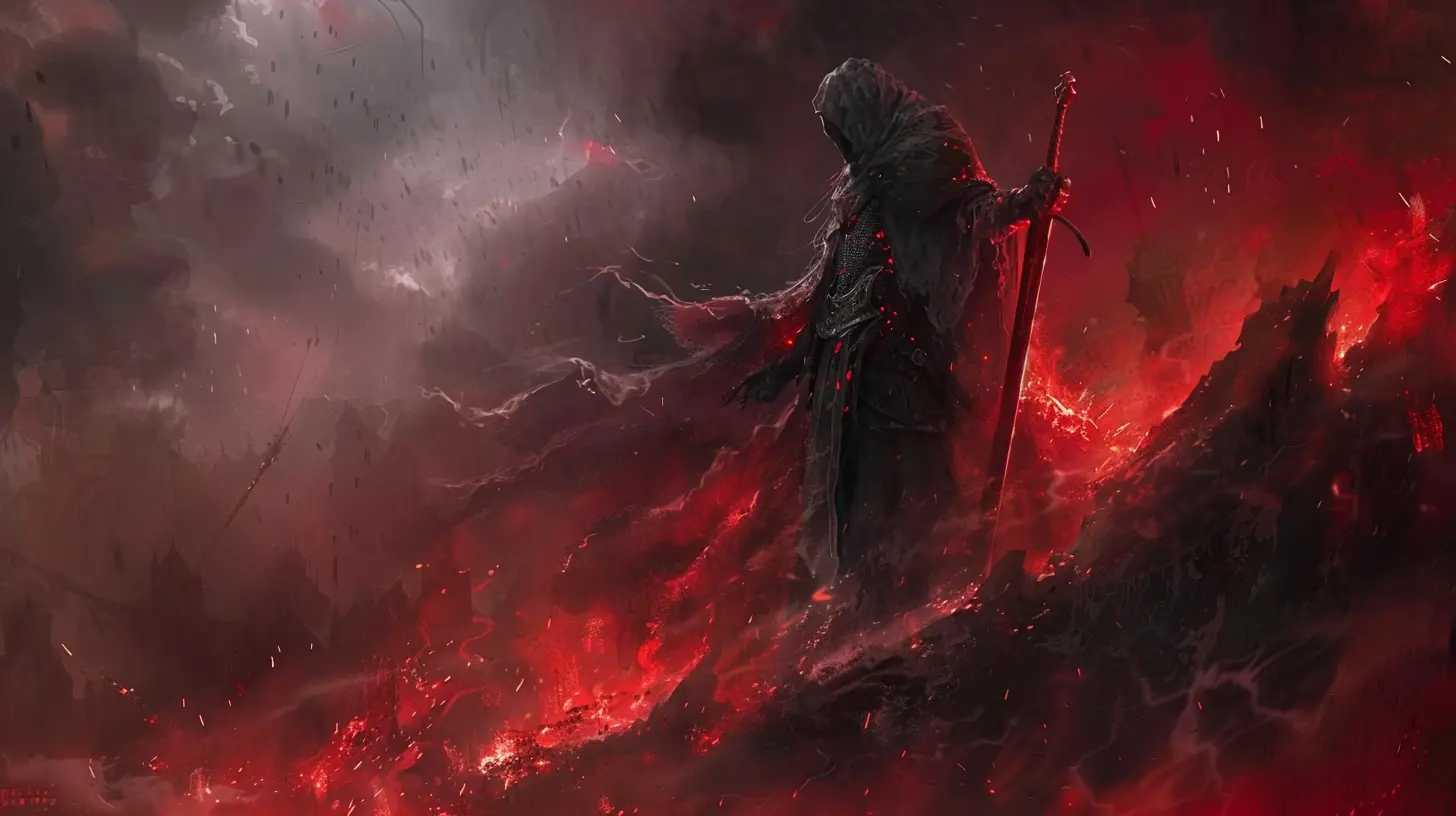
Permadeath, short for "permanent death," is exactly what it sounds like. When your character dies, it’s game over — for them at least. You don't get a second chance, a magical phoenix down, or a cozy checkpoint to return to. They're gone. Dead. Fini. And that changes everything.Unlike traditional game mechanics where death is little more than a slap on the wrist — maybe you lose some gold or experience — permadeath pulls no punches. It pushes players to tread carefully, value their characters, and, most importantly, get emotionally invested.
Why Permadeath Hits Different
So why does permadeath hurt so much? It’s not just about losing progress. It’s about losing a connection. That character you lost? They were more than pixels on a screen — they were your story, your journey. It stings because it matters.Let’s break it down:
1. It Forces You to Care
When death has real consequences, you stop treating your character like a throwaway tool. You start weighing your decisions. Every battle feels intense. Every choice matters. That high-stakes tension? That’s where the magic happens.Think of it like owning a pet versus borrowing someone else’s. When it's yours — when you’ve raised it, trained it, and bonded with it — you care deeply. Same with characters in permadeath games.
2. The Fear Is Real
Permadeath injects fear — and fear is a powerful emotional anchor. That anxiety you feel when your health bar drops to red? That’s your heart reacting, not just your hands. You play smarter, slower, and think three moves ahead.3. The Narrative Becomes Yours
In games with permadeath, stories become personal. Maybe you lost your best archer in a desperate defense. Maybe your medic sacrificed themselves to save the rest of the squad. These aren’t pre-written plot points — they’re your drama, unscripted and raw.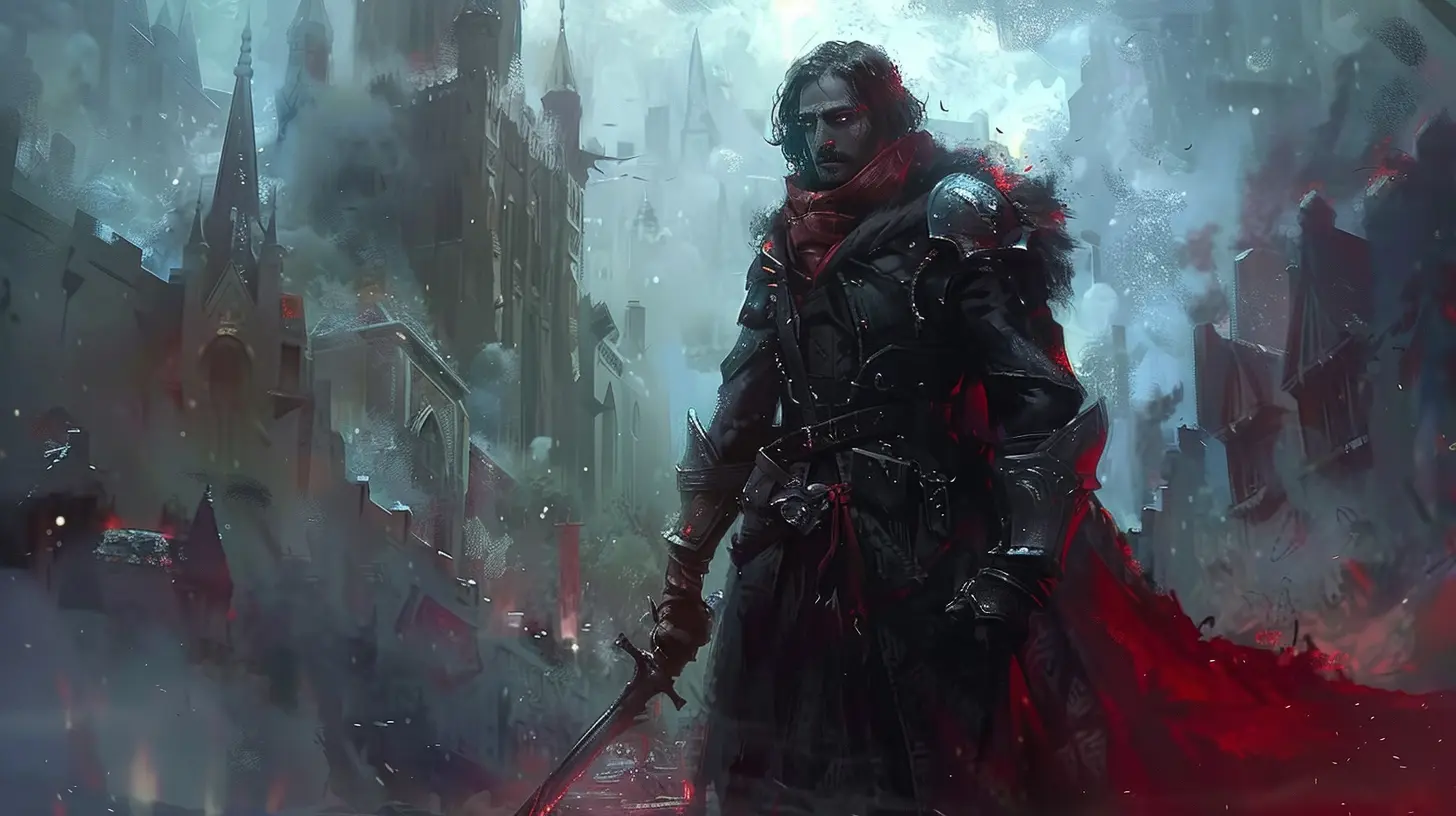
How Permadeath Changes Gameplay
Permadeath doesn’t just change the emotional terrain — it transforms gameplay on a core level. Let’s look at some of the ways it flips the script.1. Risk Management Becomes Key
Permadeath makes you think like a strategist. You start assessing every battle: Is this really worth it? Can we retreat? Is my tank ready to take that much damage?Gamers become risk-calculating machines. It’s no longer about “Can I win this fight?” but “Should I even try to fight?” That shift brings a deeper level of engagement to every encounter.
2. You Learn to Let Go (Or Rage Quit)
Let’s be honest — not everyone handles permadeath the same way. Some players respect the rules, mourn, and move on. Others throw their controller across the room and rage about how “unfair” it was. Still, there's something uniquely human about that range of reactions.Permadeath teaches one of gaming’s toughest lessons: sometimes, you have to say goodbye. That sense of finality builds emotional resilience — or it just sends us back to save-scumming. No judgment.
3. Party Dynamics Matter More
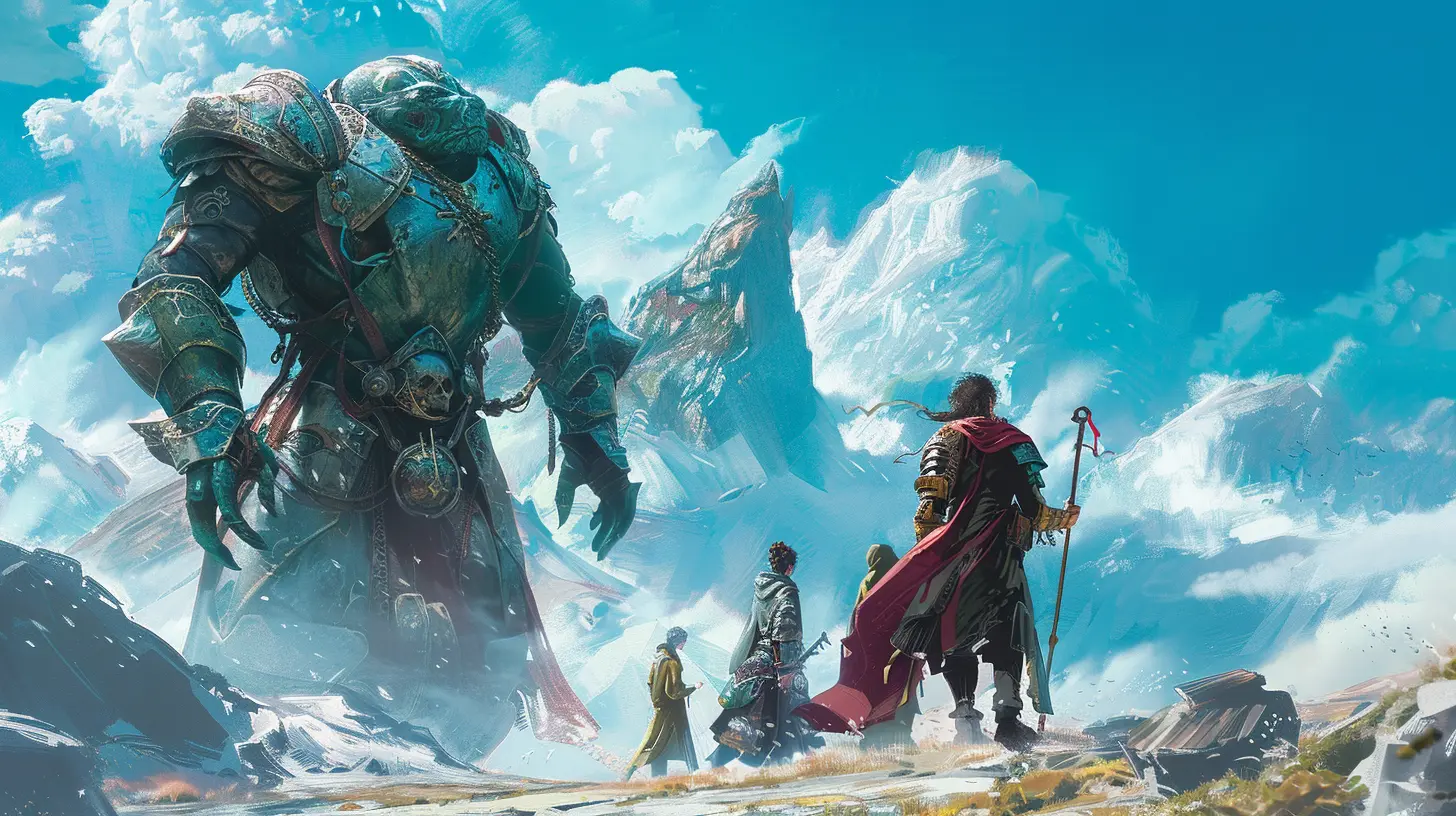
In games where you manage a team (think Fire Emblem or XCOM), permadeath makes every character matter. You start noticing who’s pulling their weight, who’s clutch under pressure, and who’s always getting in trouble.Characters stop being generic units and start becoming friends. That’s wild, right? They’re fictional, but we care because every moment with them might be their last.
The Psychological Pull of Permadeath
So now we’ve seen the gameplay and emotional impact, but let’s dig into the psychology behind it. Why do some players love permadeath while others stay far, far away?1. It Taps Into Mortality
Yeah, we’re going deep now. At its core, permadeath mirrors real life. You get one shot. That’s it.This mechanic forces you to confront loss, regret, and consequence — all very real, very human experiences. It hits a nerve because it’s relatable. It mimics the finality we all face in the real world, even while playing a game.
2. It Builds Deeper Attachment
When a character can die for good, your brain shifts gears. You become more attentive, more protective. That emotional commitment doesn’t come from flashy cutscenes — it’s born in the trenches, during those barely-won battles and close calls.You don’t just like these characters — you bond with them. You remember their accomplishments, their close shaves, their quirks.
3. It Encourages Grief (Yes, That’s a Good Thing)
Ever felt a pang of sadness when a game character died? That’s grief. And believe it or not, it’s part of the human experience — even in a digital world.Permadeath opens the door for mourning. That might sound grim, but it also enhances the emotional depth of the game. When a character dies and it breaks your heart, that means the game worked. It meant something.
Games That Nail Permadeath
Plenty of games use permadeath — some better than others. Here are a few standouts that really turn it into an art form.1. Fire Emblem Series
One of the OGs when it comes to permadeath. Every fallen unit stays dead (unless you're playing on Casual Mode, you big softy). The result? Every battle feels like a gut-wrenching chess match.2. XCOM and XCOM 2
These games don’t just give you characters — they give you stories. You name your soldiers, customize them, and watch them rise through the ranks. Then boom — one bad call and they’re toast. Legendary permadeath feels right at home here.3. Darkest Dungeon
This one is brutal. Permadeath is just the beginning — your characters also suffer from stress, PTSD, and a whole mess of personality quirks. Lose a long-standing hero and it legitimately hurts. It’s like watching your favorite barista quit after you've finally learned their schedule.4. Dead Cells
While it’s not character-focused in the same way, Dead Cells leverages permadeath to crank up the pressure. You lose all your progress after each death, so every run matters. Fast-paced, intense, and crazy addictive.
Pros and Cons of Permadeath
Still on the fence about whether it’s the greatest twist in gaming or a sadistic design choice? Fair. Let’s stack up the pros and cons to get a clearer picture.Pros
- Emotional depth: Characters matter more, and you feel it.- Strategic gameplay: Every decision counts; you think more critically.
- Unique storytelling: No two players have the same story.
- Higher replay value: Failure isn’t the end — it’s a new beginning.
Cons
- Frustration factor: One misstep can cost you hours of progress.- Barrier to casual play: Not great if you’re just looking to relax.
- Save-scumming temptation: Some players will do anything to cheat the system.
- Attachment anxiety: Loving characters you might lose can be emotionally exhausting.
Is Permadeath Right for You?
That all depends on what kind of gamer you are. If you love emotional storytelling, high-stakes gameplay, and aren’t afraid of heartbreak, permadeath could be your jam. If, on the other hand, you prefer stress-free sessions and hate the idea of losing progress, you might want to steer clear.But even if you’re skeptical, give it a shot. The emotional highs — and lows — of permadeath gaming are unlike anything else.
The Future of Permadeath in Games
Developers are getting more creative with how they implement permadeath. Some games give you the option to toggle it on or off, while others bake it deep into the game’s identity.We’re seeing hybrid models too — where death has lasting consequences, but not total erasure. It’s a way to split the difference and give players options. Either way, permadeath isn't going anywhere. It's too potent, too powerful, and too effective at making us feel something real.
Final Thoughts
Permadeath isn’t just a gameplay feature — it's a storytelling tool, an emotional detonator, and sometimes, a rite of passage. It reminds us that our actions have weight, that characters are more than just numbers, and that even in a world of respawns and retries, loss can still have meaning.So the next time you lose a character for good, don’t just curse the screen. Take a minute. Remember the journey. Because that’s what permadeath is all about — not just the end, but the story you built along the way.
all images in this post were generated using AI tools
Category:
Rpg GamesAuthor:

Leif Coleman
Discussion
rate this article
1 comments
Jackson Hudson
Permadeath transforms every decision into a weighty gamble. As players cling to their characters, the emotional stakes rise. Will the next choice lead to triumph or an irreversible farewell? The tension is intoxicating.
September 13, 2026 at 4:51 AM
Leif Coleman
Absolutely, permadeath heightens the stakes and deepens the connection to characters. Every choice feels monumental, making victories even sweeter and losses truly impactful.