Why Condition Matters in Video Game Collecting
1 May 2026
So, you're diving headfirst into the world of video game collecting. You've dusted off your old NES, maybe snagged a sealed copy of Chrono Trigger off eBay (nice flex), and now you're wondering—why does everyone keep freaking out about condition?
Let me tell you this straight up: condition is everything in video game collecting. It’s not just a minor detail or a nitpicky obsession—it can spell the difference between a $20 cartridge and a $5,000 collector’s gem. Whether you're in it for the nostalgia or planning to build a serious investment portfolio, understanding why condition matters is essential. Let's unpack this, step by step.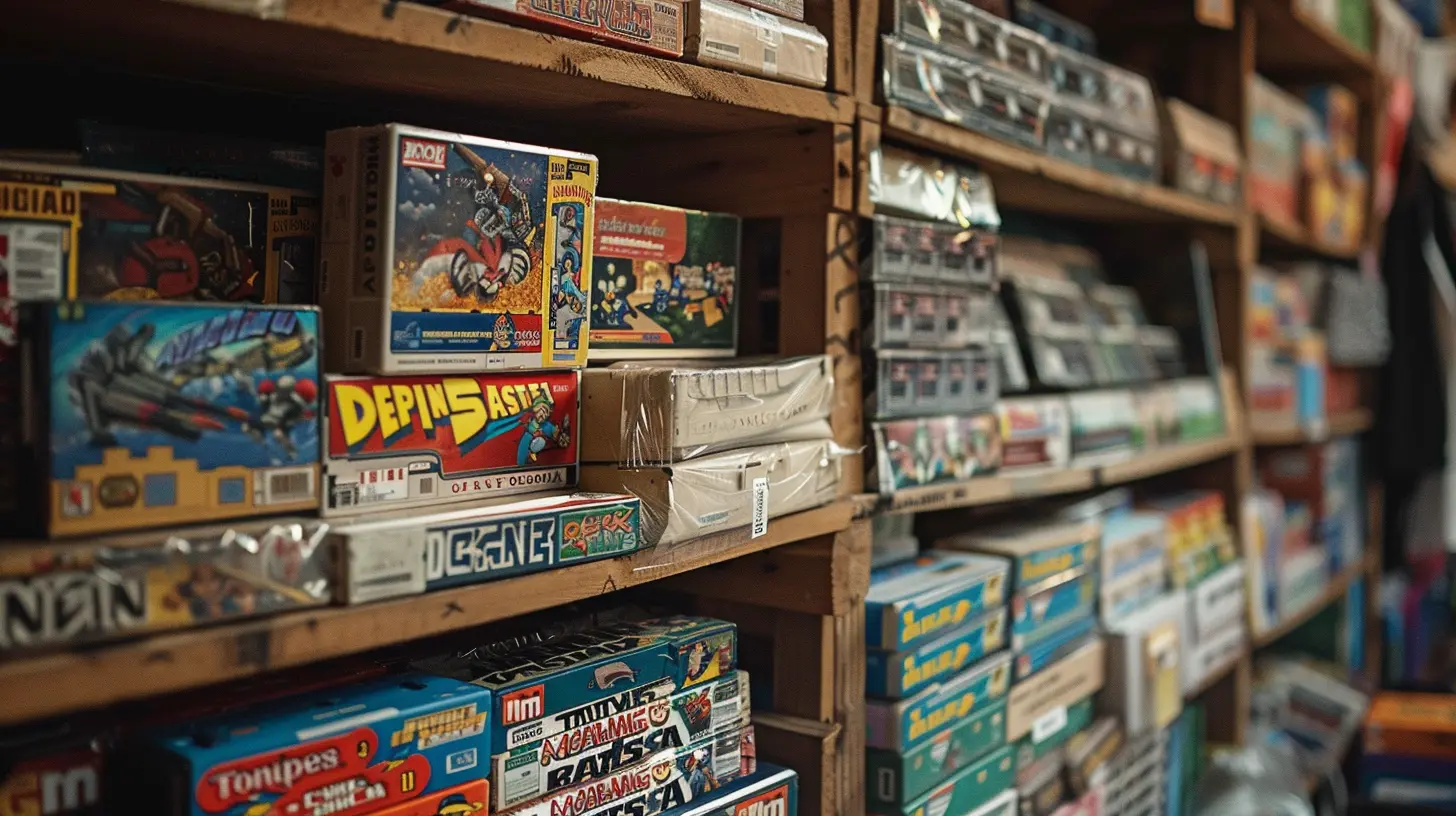
The Basics: What Do We Mean By “Condition”?
First off, let’s clear the fog. “Condition” in the video game world isn’t just about whether the game works. It’s way deeper than that.Here's what condition typically includes:
- Physical appearance of the cartridge or disc (scratches, discoloration, cracks)
- Box quality (is it torn, faded, or crushed?)
- Manuals and inserts (are they even there? In good shape?)
- Factory seals (has it been opened or is it still wrapped?)
- Authenticity (has anything been replaced or tampered with?)
Now, you might be thinking, “C’mon, I just want to play the game—not frame it like art.” And that’s totally fair. But the collecting scene? That’s a different beast.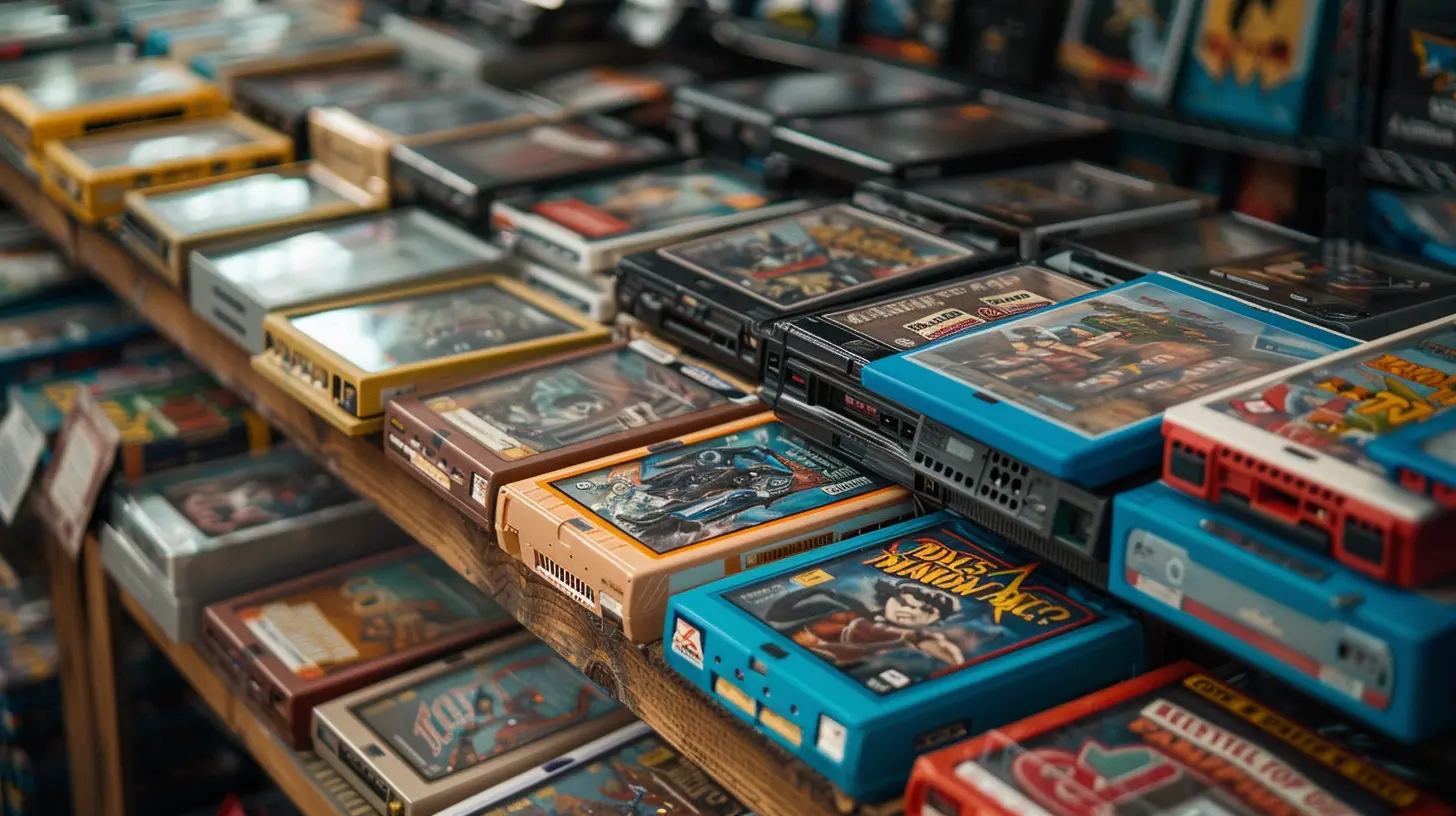
Condition Determines Value—Period
You’ve probably heard stories of old games selling for eye-watering prices. Ever seen that sealed Super Mario 64 that went for over $1.5 million? Yeah—that’s not because it’s a rare game (it’s not). It’s because of its condition. Specifically, it had a near-perfect WATA grade, meaning it was practically time-capsuled.Collectors aren’t just buying the game—they’re buying the preservation of a moment in time. Like comic books or baseball cards, the better the condition, the more it's worth.
Here’s a quick value breakdown for a classic game like Zelda: Ocarina of Time:
- Loose cartridge: $20–40- Complete in box (CIB) with manual: $100–150
- Sealed and graded: $1000+
See the difference? One’s a weekend nostalgia trip. The other’s a legit investment.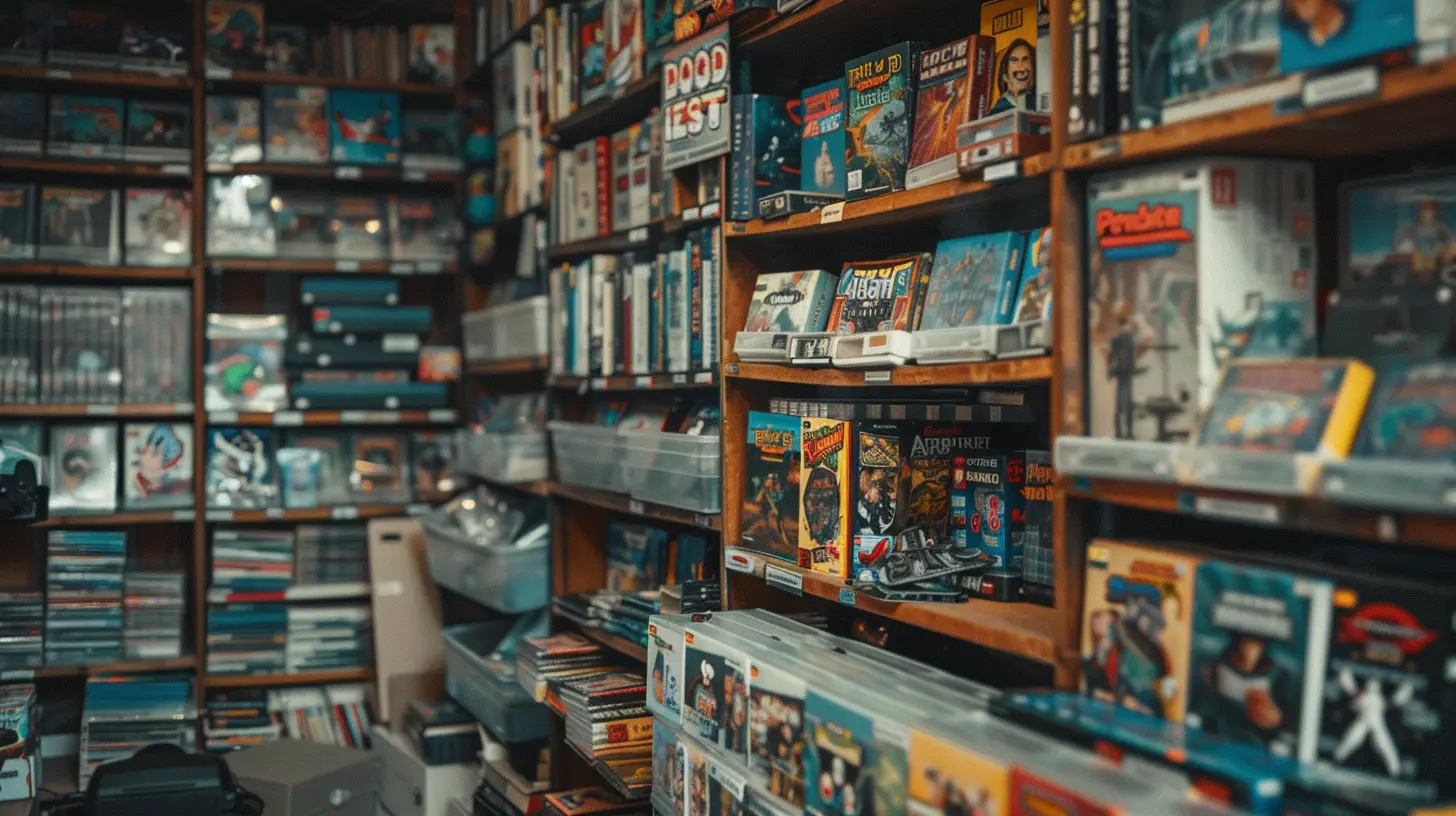
Nostalgia vs. Investment: Where Do You Stand?
This is where the road forks. Are you collecting because you love the games? Or are you eyeing future profits?If You’re In It for Nostalgia:
You might not care if the box is a little dented or the manual’s missing a page. That’s cool! It’s like buying a beat-up vinyl—you’re here to vibe, not impress.But even then, trust me—you’ll appreciate better-condition items long-term. Once you get a taste of a mint condition copy sitting on your shelf, it hits different.
If You’re In It for Investment:
Condition is your holy grail. Every bent corner or faded label knocks dollars off the resale value. If your goal is to hold value—or even flip games later—then condition needs to be your #1 priority.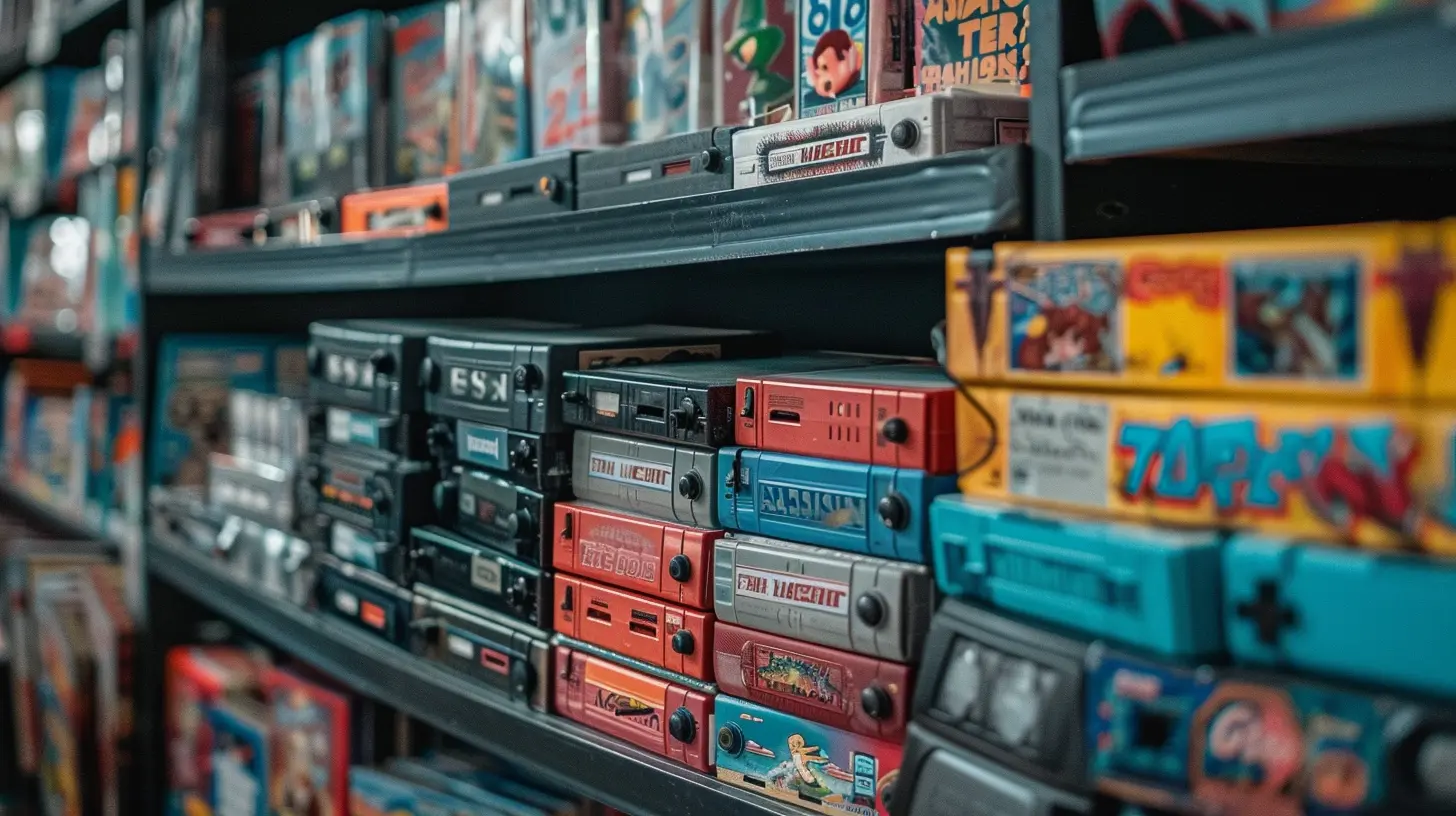
Grading: The Minty-Fresh Scorecard
Ever heard of WATA, VGA, or CGC? These are grading services that inspect your game and assign it a score, usually from 1 to 10 or using a letter system. Think of it like a report card for your cartridge.Grades usually break down like this:
- 10 A++: Factory fresh, sealed, pristine
- 9 to 9.8: Near mint, maybe a tiny flaw
- 8 to 8.5: Excellent but noticeable wear
- Below 7: Moderate wear, possibly damaged
Graded games usually sell for way more than ungraded ones—and grading itself can significantly boost a game's value if the condition is stellar.
But be warned: grading costs money, and it only really makes sense if the game is already in excellent condition or worth a lot.
The Psychology of Perfection
Let’s be real—humans love new things. You know that feeling when you open a brand-new game and everything's crisp, untouched, perfect? That’s what sealed or mint-condition collectors chase. It’s not just nostalgia—it’s about owning a perfect slice of history.A flawless box with its original shrink-wrap and unused manual feels like it time-traveled straight from the '90s. And collectors? They go nuts for that.
Scarcity: The Minty Ones Are Rare
Here’s another kicker—games that are in excellent condition are hard to find. Think about it: kids ripped open boxes, parents tossed them in the trash, manuals got scribbled on or lost. Over time, even the most common game can become rare if you’re hunting for a mint copy.It’s like this:
Finding a loose cartridge of Super Mario Bros. is like spotting a leaf during fall. Easy.Finding a sealed, pristine copy from 1985? That’s like finding a four-leaf clover made of gold.
That scarcity drives up both demand and value.
Condition Affects Playability Too (Sometimes)
Sure, most modern discs and cartridges are fairly durable. But let's not forget—older cartridges, especially from the SNES or N64 era, can be finicky. Dirty contacts, corroded edges, cracked PCBs—they all affect whether the game even runs.If you’re picking up games you want to actually play, better condition usually means a smoother experience with less frustration. Nobody wants to blow on a cartridge for 10 minutes every time they want to play Donkey Kong Country.
Red Flags to Watch For When Buying
Whether you’re browsing at a flea market or sniping eBay auctions, you’ve gotta be sharp. Some sellers will jazz up their listings, calling a beat-up copy “like new.” Uh… no, Todd. That cartridge has been through the wringer.Here’s what to keep an eye out for:
- Repro/reseal scams – Fake shrink wraps are a thing. Suss out authenticity.- Water damage – Warped boxes, faded ink, moldy smell? Hard pass.
- Label tampering – Some people try to "fix" peeling labels. It’s obvious.
- Sun fading – That bright red cover might look pinkish now. It matters.
Always ask for close-up photos, preferably with the item in natural lighting. If something seems off, trust your instincts.
Tips for Protecting Your Collection
Once you've got your hands on a few gems, keeping them in good shape is just as important. Treat your games like treasure—because they totally are.Here are a few tips:
- Use plastic protectors or acrylic cases for boxed games
- Keep them in a cool, dry place, away from sunlight or humidity
- Handle everything with clean hands (or gloves if you’re hardcore)
- Store manuals and inserts flat, not folded
- Avoid stacking heavy boxes (flattened boxes are collector heartbreak)
Trust me—future you will thank current you for taking the extra care.
Should You Prioritize Condition Over Rarity?
Great question. Let’s say you find a super rare game, but the condition is kinda meh. Do you still go for it?Answer: it depends.
If the game is insanely rare and you might never see it again, a lower condition copy might still be worth grabbing. But if it’s a game that pops up often, wait for a better version. You’ll feel better about it every time you look at your shelf.
Collectors often upgrade over time—buying a lower-condition version first, then swapping it out when they find a better one. It’s like dating your "okay" crush until your dream game comes along. Totally normal.
Final Thoughts: Condition Is King
In the world of video game collecting, condition isn’t just a bonus feature—it’s the main character. Whether you're looking to build a shrine to your childhood or make some serious cash down the road, taking condition seriously is a game-changer.So next time you're deciding between a beat-up bargain or a pristine prize, think about your goals. Do you want quick nostalgia, or are you building your own slice of gaming history?
Whatever you choose, just remember—when it comes to collecting, condition isn’t just important. It’s everything.
all images in this post were generated using AI tools
Category:
Game CollectingAuthor:

Leif Coleman
Discussion
rate this article
2 comments
Heidi McCaffrey
Condition is key-don't let junk clutter your collection!
May 16, 2026 at 2:31 AM
Leif Coleman
Absolutely! Keeping your collection in great shape ensures its value and enjoyment.
Daniella Dorsey
Great insights! Condition really does make a difference in collecting and enjoyment.
May 11, 2026 at 2:46 AM
Leif Coleman
Thanks for your comment! Condition truly enhances the experience for collectors.