Why Gamers Should Pay Attention to Unreal Engine Titles
30 August 2026
If you’re a gamer, chances are you’ve heard of Unreal Engine. Maybe you’ve seen the logo flash across your screen before a game starts, or maybe you've read about it in gaming news. But let’s be real—how much thought have you actually given it? Probably not much. And hey, that’s understandable. Most of us just want to dive into a game and have fun. But here’s the thing—Unreal Engine is a big deal. Like, a really big deal. If you care even a little about game quality, graphics, performance, and how your games feel moment to moment, it’s time to keep an eye on any title built on Unreal Engine.
In this article, we’re going to break down exactly why Unreal Engine titles deserve your attention. We’re talking visuals that make your jaw drop, gameplay that feels smooth as butter, and worlds so immersive you’ll forget what planet you’re on. Let's dive in.
What Is Unreal Engine Anyway?
Let’s start with the basics. Unreal Engine is a game development engine created by Epic Games. It’s essentially the toolbox that developers use to build games. Think of it like the kitchen where your favorite meal is cooked—if the kitchen is top-tier, what comes out of it usually is too.The first version came out back in 1998 with the original Unreal game. Fast forward to today, and we're looking at Unreal Engine 5, a game development beast that’s rewriting what’s possible in gaming. It's open to indie devs and AAA studios alike, and that's part of its magic.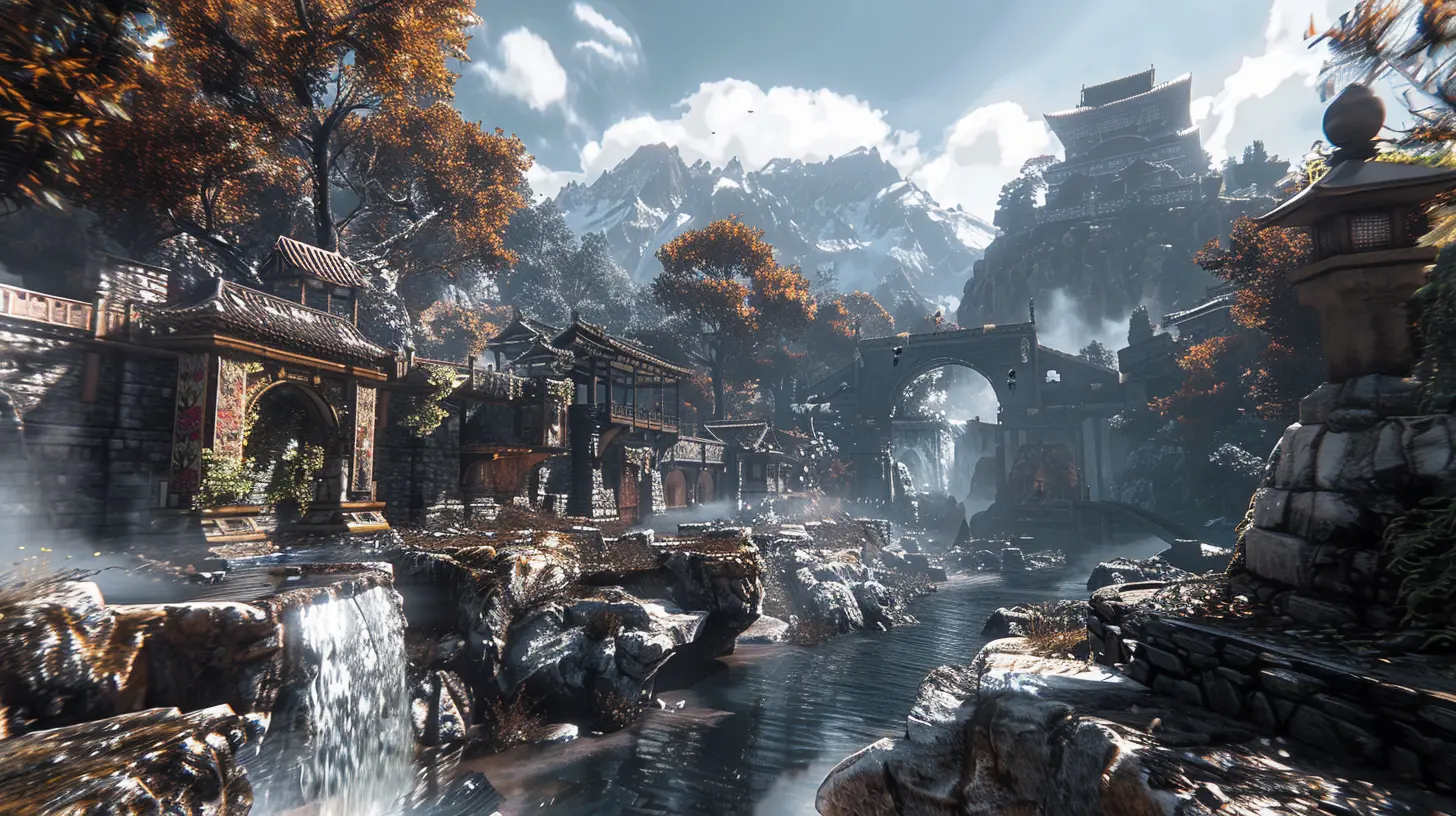
The Visuals Are Off the Charts
Let’s be blunt: Unreal Engine games look stunning.You know that moment in a game where the sun sets over a mountain range, the light hits a lake just right, and you swear it could be a real photo? That’s Unreal Engine working its magic.
Lumen and Nanite – Game-Changers for Graphics
Unreal Engine 5 introduced two powerhouse technologies—Lumen and Nanite. Heard of them? If not, here's the scoop:- Lumen is a global illumination system that handles lighting in real time. That means dynamic, realistic lighting and shadows that shift and change based on the environment. No more baked-in light maps. We’re talking real-time sunlight streaming through windows and bouncing off reflective surfaces like you'd see in Hollywood movies.
- Nanite lets artists import film-quality assets directly into the game. Not "game models"—we're talking full studio-grade assets. The engine automatically handles optimization. So while you’re running through detailed ruins or futuristic cities, the game isn't sacrificing performance to look that good.
If you’ve played games like The Matrix Awakens tech demo or seen Fortnite’s latest updates, you’ve already sampled this next-gen eye candy.
Unreal Engine = Ridiculously Immersive Worlds
Beyond graphics, what's a game without immersion? Unreal Engine doesn’t just make things look pretty—it builds worlds you want to live in.From dense forests that react to your movement to city streets buzzing with NPCs, Unreal's physics, materials, lighting, and audio systems all work together to make everything feel authentic.
And here’s the kicker—it’s not just about what you see. It’s what you feel. You know when a game gets the atmosphere so right that your brain forgets it’s fiction? That’s immersion, and Unreal Engine nails it.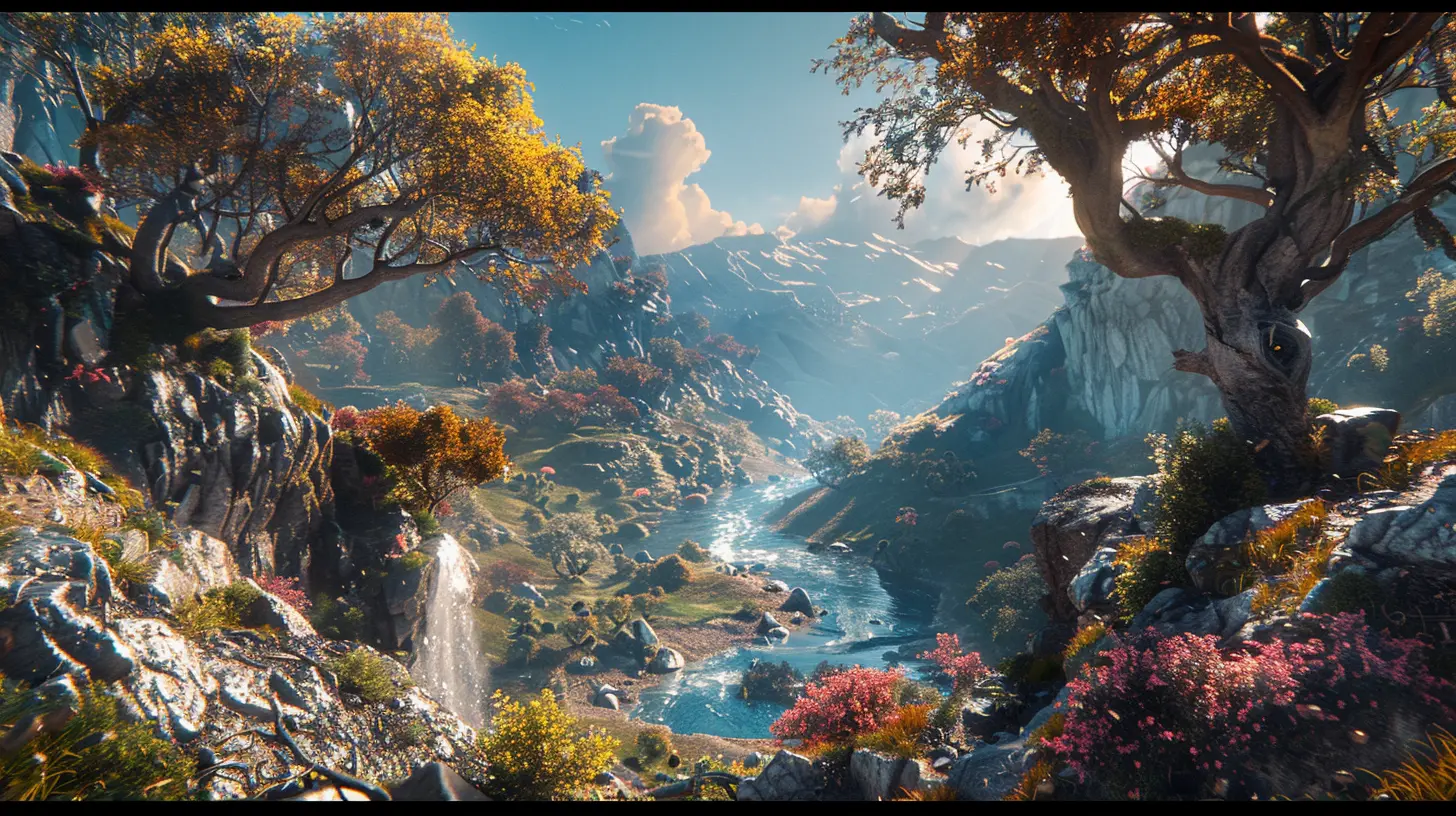
Smooth Gameplay You Can Feel
Let’s talk feel. You can crank up the visuals all you want, but if a game handles like a shopping cart with a broken wheel, who cares, right?Unreal Engine games are known for tight gameplay mechanics. Whether you're slashing through enemies, racing at 200mph, or lining up that impossible sniper shot, smooth performance makes all the difference.
Built for Cross-Platform Excellence
Unreal Engine supports just about everything—PC, console, mobile, VR. That means developers don’t have to start over from scratch to bring a game to multiple platforms. This leads to more optimized, well-rounded experiences across the board.You get stable frame rates, solid controller support, and better loading times, no matter where you play. What's not to like?
A Playground for Indie Devs and AAA Studios Alike
Here's where things get interesting: Unreal Engine isn’t just for the big dogs.Sure, you’ve got AAA titles like Gears of War, Final Fantasy VII Remake, and S.T.A.L.K.E.R. 2 flexing Unreal’s muscles. But indie developers are thriving too.
Unreal Engine is free to use until your game hits a certain revenue threshold. That means small teams with big dreams can craft experiences that look and feel like multi-million-dollar productions.
Think about it—some of the most original and heartfelt games out there today started as passion projects by tiny teams using Unreal. The engine levels the playing field, and we all win.
UE Is Constantly Evolving
You know how frustrating it is when a game engine feels outdated? Unreal Engine doesn’t rest.Epic Games is deeply committed to updating and expanding the engine. With UE5, they didn’t just release a new version—they overhauled the entire experience to meet the demands of next-gen gaming.
They're working with developers, listening to feedback, and keeping the engine future-proof. So when you see a game being built in Unreal, it often means that tech-savvy folks are involved, pushing envelopes and setting new standards.
Massive Community Means Long-Term Support
Ever played a game that got abandoned after six months? Yeah, not ideal. One of the great things about Unreal Engine titles is the community behind the scenes.With a huge global developer network, active forums, constant tutorials, and mods galore, Unreal Engine isn’t just a tool—it’s a movement.
Games built on it are easier to support, patch, and expand. That often translates to better post-launch updates, more content drops, and a longer lifespan for the game you’ve fallen in love with.
Unreal Engine in Esports and Competitive Play
Let’s not forget about competitive gaming. If you’re into esports, you want games that are stable, fair, and precise. Unreal Engine delivers on all counts.Games like Fortnite have shown just how scalable and tournament-ready UE really is. Hit detection, net code, and input responsiveness are finely tuned, which makes all the difference in high-stakes matches.
Plus, the engine’s easy-to-integrate replay and spectator tools are a big win for streamers, broadcasters, and tournament organizers.
Future-Proofing the Gaming Industry
Unreal Engine isn’t just about today’s games—it’s paving the way for the future of interactive entertainment.We're talking about:
- Photorealistic VR experiences
- AI-driven storytelling
- Cinematic-quality cutscenes in real time
Epic's recent partnerships and acquisitions are pushing boundaries outside of gaming too—into architecture, film production, and even virtual concerts (looking at you, Travis Scott in Fortnite).
The impact of Unreal Engine is seeping into every corner of digital life. It’s not just a game engine—it’s the future entertainment engine.
So, Why Should Gamers Pay Attention?
Okay, let's cut to the chase. Why should you, as a gamer, pay attention to Unreal Engine titles?Here’s the quickfire rundown:
- You're getting next-gen graphics without needing to wait for the next console.
- The gameplay is smooth, optimized, and satisfying.
- Unreal Engine games tend to last longer with better updates and mod support.
- There's a diverse range of games available—from blockbuster titles to indie gems.
- It's a mark of quality, innovation, and ambition that often pays off big time.
When you see that “Powered by Unreal Engine” splash screen, don’t just brush it off. Take note—it usually means something great is on the other side.
Games to Watch Out For
Need some examples? Keep an eye on these Unreal Engine titles:- Senua’s Saga: Hellblade II – Expect jaw-dropping visuals and sound design.
- The Day Before – A survival MMO with realistic environments and physics.
- Fortnite (Chapter 4 and beyond) – Continually evolving, now built with UE5.
- ARK II – Dino survival with a massive graphical upgrade.
- Unrecord – A photorealistic bodycam-style FPS that’s already turning heads.
These aren’t just games—they’re technical showcases that could reshape genres.
Wrapping It Up
At the end of the day, paying attention to Unreal Engine titles isn’t just for tech geeks or devs—it matters for all of us. Whether you’re gaming casually on your couch or grinding out leaderboards on your custom-built rig, the engine behind your favorite games plays a huge role in your experience.Unreal Engine is setting the bar high and raising expectations across the board. So next time you see that UE logo—pay attention. You might just be loading up your next obsession.
all images in this post were generated using AI tools
Category:
Unreal Engine GamesAuthor:

Leif Coleman
Discussion
rate this article
1 comments
Caitlin Barker
Unreal Engine titles redefine immersion, blending creativity with groundbreaking technology.
August 30, 2026 at 4:28 AM