Why Skill Trees Still Matter in Modern RPGs
9 May 2026
Ah, the sweet nostalgia of leveling up your character and being greeted with a glowing skill tree… remember that feeling? It’s like opening a treasure chest of possibilities. With modern RPGs becoming bigger, flashier, and more cinematic, many might wonder: do skill trees still matter?
Spoiler alert — yes, they absolutely do! And not just for a touch of old-school charm, but because they are essential ingredients in the recipe that makes RPGs so addictive and personal.
Grab your potions, sharpen your blade (or get your spellbook ready), and let’s dive into the world of skill trees and why they continue to thrive in modern role-playing games.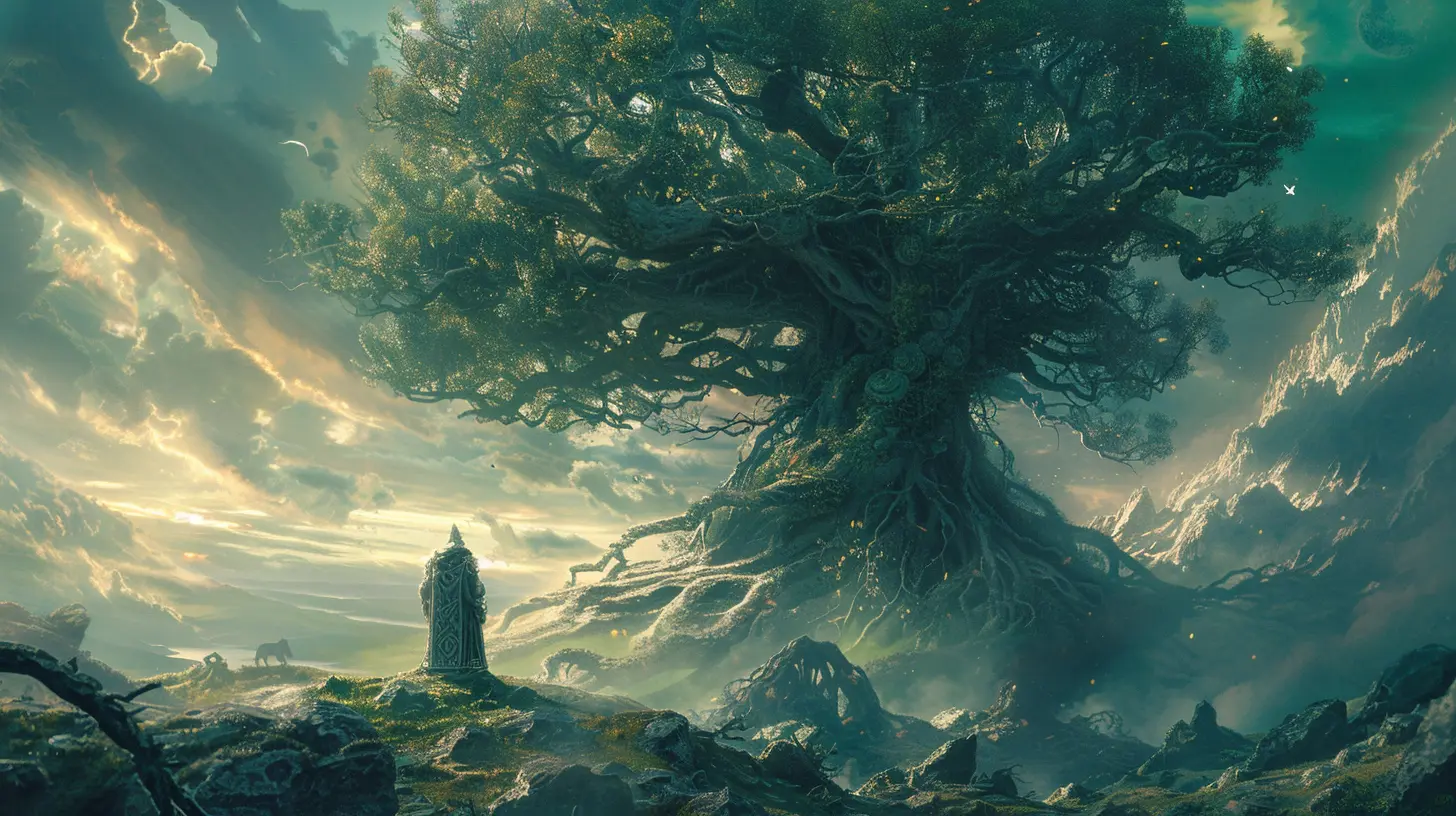
What Are Skill Trees, Anyway?
Let’s rewind just a bit. A skill tree is a progression system where players unlock abilities or stat boosts along branching paths. Think of it like a visual representation of your character's growth — roots at the base, branches going out in multiple directions, each one filled with potential upgrades.Some games go super straightforward — like “choose fireball or ice shard?” Others weave detailed webs of interconnected abilities that make you ponder your next move like you’re cracking a life-or-death puzzle.
They’re not just flashy menus; they’re blueprints of who your character becomes.
The Freedom to Play Your Way
One of the biggest reasons we still love skill trees? Player freedom.In games like The Witcher 3, Cyberpunk 2077, or Elden Ring, how you build your character deeply impacts your gameplay experience. Want to be a stealthy rogue who uses poisons and crits in the shadows? Go for it. Prefer to go in like a tank with brute force? There’s a branch for that too.
Skill trees let us role-play not just in story but in mechanics. It’s like choosing your own adventure — except instead of picking Page 54, you’re unlocking dual daggers and teleportation.
Personalization Makes It Personal
Skill trees inject identity into your character. Sure, everyone might be playing the same protagonist, but thanks to skill trees, your version is totally unique.It’s like ordering a burger: some may go classic, while others stack it with everything from avocado to ghost pepper sauce. The core is the same, but the flavor? All you.
And that sense of ownership — of looking at your character and knowing every skill or perk was your choice — is incredibly satisfying.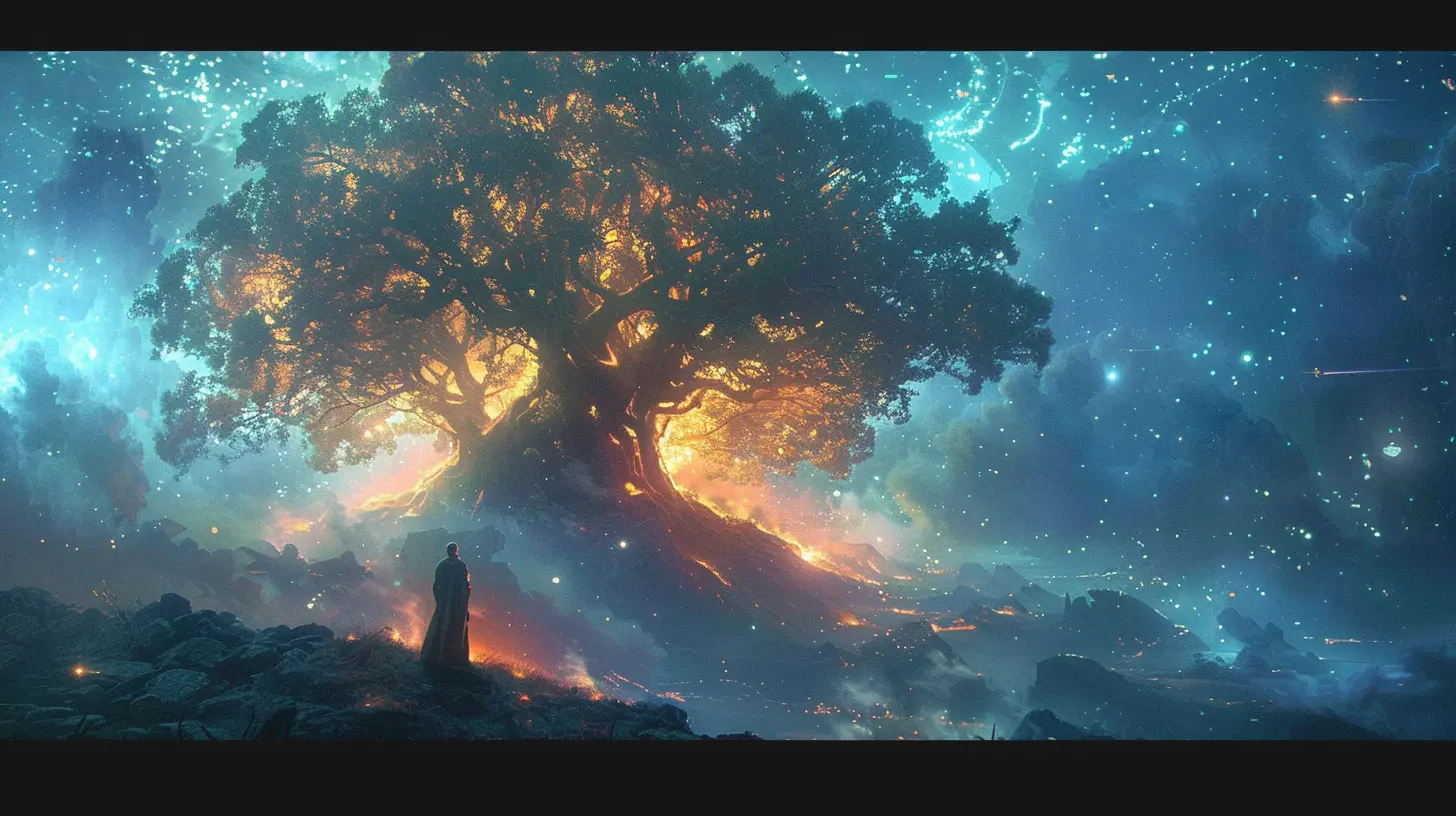
The Joy of Progression
Let’s be real — unlocking stuff feels good. Like, really good.Skill trees feed that serotonin loop we gamers crave. You finish a quest, earn XP, and boom! A new skill point to spend. It’s like getting a gold star in grade school, except instead of stickers, you get invisibility cloaks or faster reload speeds.
This steady drip-feed of progress keeps us hooked. Each choice feels rewarding. Every battle or mission leads to something tangible. And that’s just good game design.
Depth and Strategy
Skill trees don’t just hand you power — they make you think.Should you invest in passive health regen now, or save points for that powerful whirlwind move? Is it smarter to be a jack-of-all-trades or master one niche? These decisions add layers of strategy that challenge the player’s planning skills.
It’s like planting a garden. Some trees bear fruit quickly, others take time to grow — but the payoff is worth it when that endgame build clicks.
And let’s not forget the thrill of theory crafting. Forums, guides, and endless Reddit threads exist purely because of how complex (and fun) skill trees can get. Players love tinkering with builds, comparing notes, and discovering crazy synergies that devs may not have even planned for. It’s like building with LEGOs, but for digital warriors.
Encouraging Replayability
Ever finished a game and immediately thought, “What if I played it differently?”Skill trees are a major reason why RPGs have such high replay value. That magic-focused mage you rolled? Next time, you could go full archer or brawling barbarian. Entire sections of gameplay can feel fresh again just by going down a different path.
Multiple builds mean multiple experiences. It’s like rewatching your favorite show, but from a different character’s point of view. Same world, new story.
A Modern Twist on a Classic Mechanic
Now, to be fair, skill trees have evolved. Today’s RPGs aren’t just restricted to old-school trees with "+2 strength" nodes (though hey, we love those too). Modern titles get creative:- Horizontal progression systems: where different builds are balanced rather than stronger (e.g., Path of Exile)
- Dynamic trees that change based on your playstyle — like in Dragon Age: Inquisition
- Integrated story choices that affect your build (shoutout to Mass Effect, where moral choices shaped abilities!)
This evolution proves one thing: skill trees aren’t outdated. They’re adapting. Growing, even. Like any good tree should.
A Sense of Character Growth
RPGs are about growth — not just leveling up in numbers but evolving emotionally, narratively, and mechanically.Skill trees reflect that journey. They mirror your character’s learning curve. At the start? You fumble with basic moves. A few hours in? You’re summoning storms or slicing through enemies like butter.
Skill trees provide a visual and mechanical diary of your journey. They’re not just spreadsheets; they’re stories. And that’s what RPGs are all about.
They Make Every Player Feel Smart
Let’s face it — we all like to feel clever. And when you craft the perfect build that completely shreds enemies? Oh boy, what a power trip.Skill trees reward experimentation. They’re gaming’s version of “work hard, play smart.” You’re rewarded not just for grinding levels but for making savvy decisions.
Even casual players get a taste of mastery. Whether you’re min-maxing to perfection or just winging it with cool-sounding powers, the system makes you feel like you've built something yours. And feeling smart and strong? That’s the kind of combo that keeps you coming back.
The Nostalgia Factor
Alright, let's admit it. There’s some nostalgia tied up in this too.For many of us, skill trees are part of our gaming roots. We grew up with Diablo II, Final Fantasy X, Skyrim — all games where skill trees weren’t just menus, but memories.
Bringing skill trees into modern RPGs is like putting a retro filter on a digital photo. It connects old with new. It gives a nod to where games have been, while still pushing forward.
They’re Just Fun. Period.
When all is said and done, skill trees are fun. They’re engaging, interactive, and offer moments of “Ooh, what does this do?” that keep us entertained for hours.In a world where many games are trying to streamline systems and simplify mechanics, skill trees proudly say, “Nah, let’s keep things a little nerdy, a little crunchy — and a whole lot of fun.”
Final Thoughts: Skill Trees Are Here to Stay
Whether you’re talking about epic, sprawling RPGs or tight, rogue-lite adventures, skill trees continue to be a vital part of game design. They enhance freedom, encourage experimentation, and make every battle feel like a step forward on your unique journey.So the next time you level up and see those beautiful branching options in front of you, take a moment to appreciate them. Because skill trees? They still matter.
And they always will.
all images in this post were generated using AI tools
Category:
Rpg GamesAuthor:

Leif Coleman
Discussion
rate this article
2 comments
Samuel Dodson
Skill trees are the backbone of character customization in RPGs. They empower players to shape their experience and strategy. Game developers should embrace this classic feature for deeper engagement.
May 23, 2026 at 3:27 AM
Leif Coleman
Absolutely, skill trees add depth and allow players to truly define their playstyle. They enhance engagement and keep the experience fresh.
Ava McAdams
Skill trees are like hidden pathways in a vast forest, each choice revealing secrets that can change the course of your journey. Are you ready to explore the unknown?
May 15, 2026 at 5:06 AM
Leif Coleman
Absolutely! Skill trees add depth and excitement, guiding players through unique journeys and discoveries. Let's embrace the adventure!