Why Some Developers Embrace the Modding Community
18 March 2026
Let’s be honest—games are awesome. But you know what makes them even better sometimes? Mods. Whether it's turning dragons into Thomas the Tank Engine in Skyrim or adding jaw-dropping graphics enhancements to older classics like GTA San Andreas, mods can breathe new life into your favorite digital worlds.
But here's the thing: not every game developer is on board with modding. Some studios lock their games up so tight, you’d think they were guarding state secrets. Others? They’re practically rolling out the red carpet for modders, offering tools, guides, and everything short of snacks.
So, why do some developers welcome the modding community with open arms while others slam the door shut? Buckle up—we’re diving into the immersive world of mods, creativity, and how they're shaping the future of games.
What Is Modding Anyway?
In case you’re new here, let’s clear something up first. Modding, short for "modification," is when players alter a game—sometimes just a teeny bit, other times so much it barely resembles the original.Mods can range from:
- New skins and character models
- Fresh missions or expanded storylines
- Tweaks to gameplay mechanics
- Full-blown overhauls creating entirely new games
If you've ever turned your Minecraft world into a Pokémon safari or changed Doom’s weapons into bananas for laughs, congrats—you’ve entered the wild world of mods.
Modding = Free Labor, Right?
Let’s call it like it is. Some studios might look at modding and think, “Hey, free content we didn’t have to pay for!” But that’s actually selling it short.Modders often pour hours—sometimes days—into crafting experiences that other players absolutely love. They’re passionate, creative, and often deeply embedded in the gaming community. Some even go on to become professional developers themselves. Yep, modding is like the farm system for game design talent.
And here’s the kicker: studios that embrace modding usually end up with some huge benefits. Let’s break those down.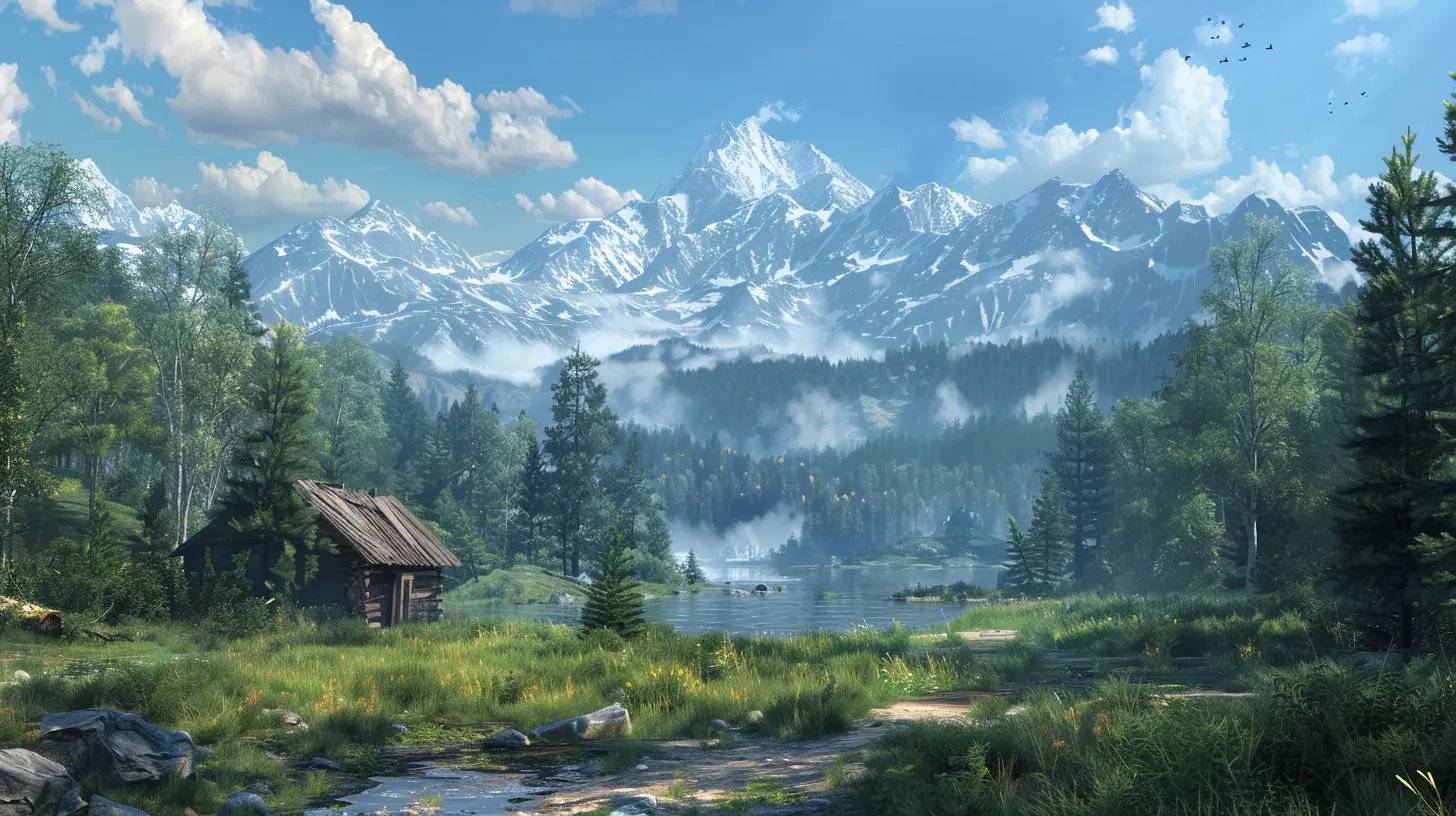
1. It Keeps The Game Alive—Way Longer Than Expected
Think of modding as CPR for aging games. Games like Skyrim, Fallout, and Half-Life 2 are still racking up playtime years (even decades) after their original release—all thanks to dedicated modders.Ever heard of The Elder Scrolls V: Skyrim? Of course, you have. The game came out in 2011, and people are still playing it daily. Why? Because of mods. There are new quests, better graphics, new weapons, and even entirely new lands. The community has basically transformed it into an ever-evolving RPG playground.
Why Developers Love This:
- Extended shelf life for their game- Increased sales long after launch
- Free publicity as streamers showcase modded gameplay
Modding isn’t just icing on the cake—it’s sometimes a whole new cake.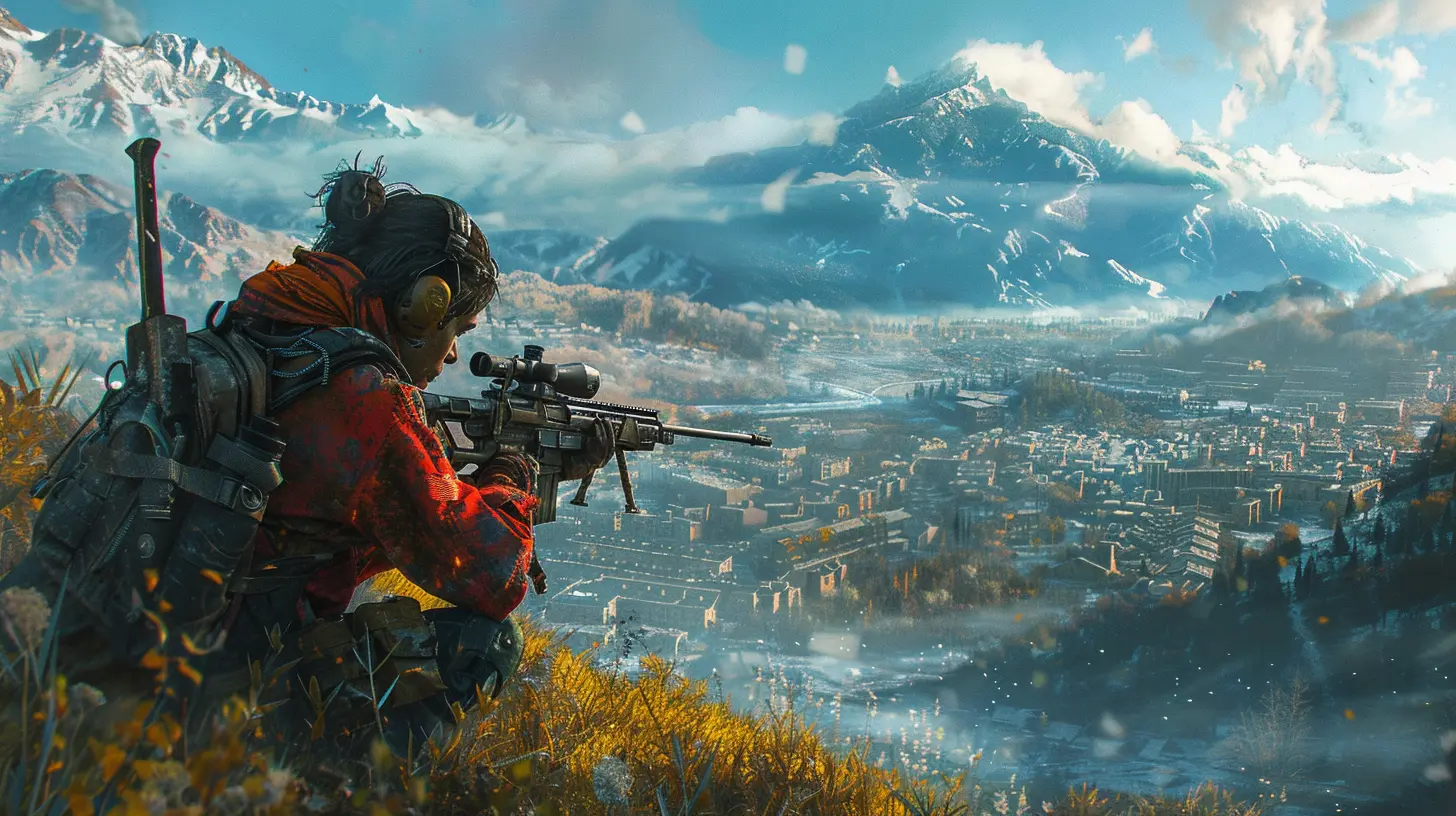
2. It Builds A Loyal, Engaged Community
Mods don’t just enhance a game—they build communities. Who do you think is hanging around on forums, Discord servers, and Reddit threads sharing feedback, support, and new creations? The modding community, that’s who.Games like Minecraft, Terraria, and The Sims have massive modding communities that are bursting with creativity. These gamers aren’t just players; they’re creators, testers, and ambassadors.
A Win-Win Situation:
By allowing mods, devs create a two-way street. Sure, they get feedback and cool new content, but they also empower players to shape their own experiences. It’s like giving your fans a paintbrush and watching them turn your work into a masterpiece.3. It Helps Devs Understand What Players Really Want
Want a direct line into your players’ minds? Watch what they mod.When players consistently make mods that, say, add survival mechanics or improve AI behavior, developers get a clear loud-and-proud message: “We want this.”
Sometimes, these signals are so strong that features inspired by mods actually get baked into future games. Remember how battle royale mods took off? Yeah, now it’s one of the biggest genres out there.
Real Talk:
Mods are like focus groups—except way cheaper and 10x more passionate.4. It Sparks Innovation
Modding is a hotbed of experimentation. Since modders aren’t bound by strict deadlines, budgets, or corporate red tape, they have freedom to test out wild, ambitious ideas.Let’s not forget that some of the biggest games today started as mods:
- Counter-Strike was a mod for Half-Life
- Dota 2? A mod of Warcraft III
- PUBG was originally a mod before the standalone version exploded
By embracing modding, devs aren’t just enabling creativity—they’re potentially cultivating the next big thing.
5. Good PR Goes A Long Way
Gamers notice when studios support modding—and they absolutely adore it.When Bethesda released official mod support for Skyrim Special Edition, fans rejoiced. When CD Projekt Red made tools available for The Witcher 3, it was another reason they were hailed as one of the “good guy” devs in the industry.
Contrast That With...
Remember the criticism when big-name titles like Call of Duty or other AAA games lock down modding or ban custom content outright? Yeah. Not a good look.Gamers love transparency and freedom. Support modding, and you’re seen as pro-consumer.
6. It Boosts Replayability and Sales
Here’s the cool part—games with mod support often have much longer tails. Translation? They keep selling and stay relevant longer than their non-moddable counterparts.Platforms like Steam even highlight games with mod support through the Steam Workshop. That means more visibility, more downloads, and more potential fans jumping on board.
Think About It:
Would you rather buy a game you play once and shelve forever, or one with endless new content thanks to a passionate modding community?Easy choice.
But Wait… Why Don’t All Developers Support Modding?
Okay, we’ve been singing the praises of modding, but let’s be fair—some devs have legit reasons for not opening their games up.Technical Constraints
Games built with certain engines or architectures may simply not be mod-friendly. Maybe the code is spaghetti. Maybe the assets are too tightly locked. It’s not always just a matter of not wanting to.Copyright and Licensing Nightmares
Some games use licensed music, characters, or other IPs that can’t legally be tampered with. Opening up those games to mods could land studios in hot water. No one wants a lawsuit over a SpongeBob mod.Multiplayer Mayhem
With online games, mods can be a nightmare to manage. Cheats, exploits, and hacks can ruin the experience for others. So devs often lock things down to keep things fair and stable.Protecting The Brand
Let’s face it—sometimes people make weird or inappropriate mods. No studio wants their family-friendly game turned into a meme-fest with adult content. So, they play it safe.So, What’s The Right Balance?
Honestly, it depends on the game. But more and more developers are finding a middle ground. Tools like Bethesda’s Creation Kit or Minecraft’s modding APIs give creators freedom while maintaining a level of control and safety.Some games even have curated mod libraries or “mods with restrictions” policies. This lets devs encourage creativity while still preserving their vision and avoiding chaos.
The Future of Modding Looks Bright
It feels like we’re at a tipping point. More game engines are becoming modular. More studios are seeing how much value their fanbase can bring. Some are even releasing games with modding in mind from day one.As the line between player and developer continues to blur, expect modding to become an even bigger part of game culture.
And who knows? Maybe one day, your favorite modder will be heading up the next big studio—starting with a tiny tweak to a beloved classic.
Final Thoughts
The modding community is more than just a bunch of people tinkering with files in a folder. They’re passionate fans, skilled creators, and sometimes even visionaries. Developers who embrace this community aren’t just giving players tools—they’re building bridges, extending the life of their games, and sparking ideas that could lead to the next gaming revolution.Games aren’t just products anymore. They’re platforms. They’re playgrounds. And modding? That’s the secret sauce that keeps them interesting, personalized, and alive for years to come.
So the next time your game lets you add a Shrek skin or turn a sword into a lightsaber, show a little love for the devs that said, “Hey, go wild.
all images in this post were generated using AI tools
Category:
Game ModsAuthor:

Leif Coleman
Discussion
rate this article
2 comments
Aubrey McCollum
Great article! It's fascinating to see how modding can enhance the gaming experience and foster a strong community. Developers embracing this creativity not only extend the life of their games but also build a loyal fanbase. Looking forward to seeing more collaboration in the future!
March 21, 2026 at 6:12 PM
Leif Coleman
Thank you for your kind words! I completely agree—modding truly enriches the gaming experience and strengthens community bonds. Exciting times ahead!
Ace McCarron
Modding communities can breathe new life into games, offering fresh content and extended longevity. Developers who embrace modding tap into a wealth of creativity, strengthening player engagement and building dedicated fanbases. This collaboration fosters innovation, creating a win-win situation that benefits both the developers and the players alike.
March 20, 2026 at 4:37 PM
Leif Coleman
Absolutely! Embracing modding communities not only enhances player engagement but also encourages creativity and innovation, benefiting both developers and players.