Why Some Games Skyrocket in Value Overnight
14 February 2026
Ever notice how certain video games go from bargain-bin throwaways to collector's treasures seemingly overnight? You've probably seen a modestly priced game suddenly selling for hundreds—or even thousands—of dollars on eBay and thought, “What the heck happened?”
Well, you're not alone.
This overnight transformation from digital dust-collector to golden goose is not just random luck. There’s a method (and sometimes madness) behind why some games become incredibly valuable in such a short timeframe. In this deep dive, we’ll unpack the complex web of reasons behind this phenomenon, looking at market forces, nostalgia, cultural shifts, and a sprinkle of good ol' scarcity.
So, ready to venture down the rabbit hole of retro riches and digital gold? Let’s press start.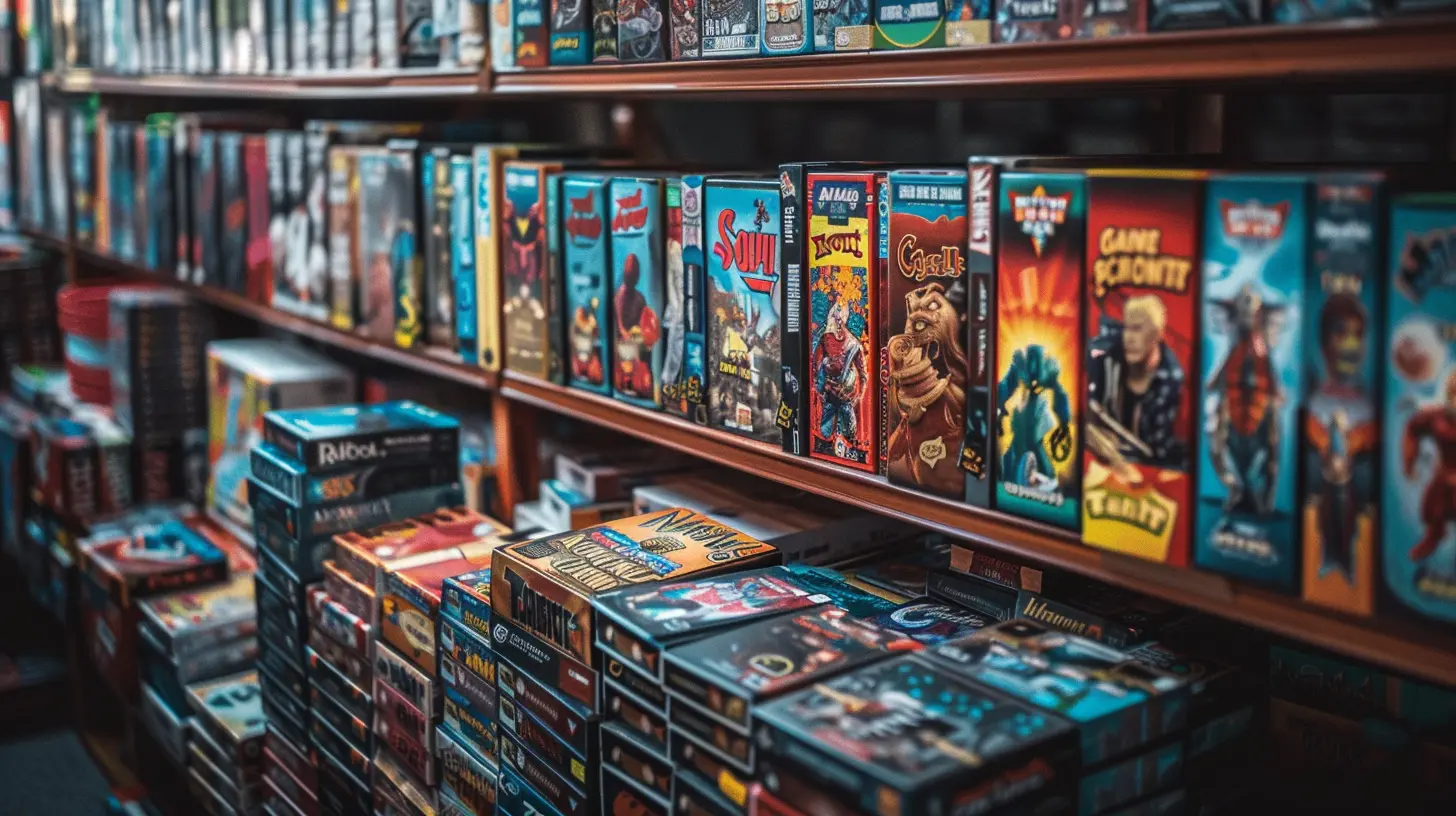
The Supply and Demand Power Play
Let’s start with something basic—Economics 101: supply and demand. It's the beating heart of any market-driven phenomenon, and video games are no exception.A low-supply, high-demand situation causes prices to soar. Classic games that were printed in limited quantities or were commercial failures at launch often go unnoticed. However, when just a handful of die-hard fans start raving about their hidden brilliance, demand spikes.
Imagine a tiny indie game like Rule of Rose—released with minimal copies and not very well received initially. Years later, critics revisit it, influencers praise it, and suddenly hundreds of gamers want to experience it. There's just one problem—not enough copies to go around. The result? A price surge faster than you can say “rare PS2 gem.”
Nostalgia: The Time Machine That Costs Money
Ah, nostalgia—the emotional time machine that has us yearning for our childhoods. Ever played a game and instantly been transported back to your bedroom floor with a bowl of sugary cereal in hand?That’s nostalgia wielding its mighty influence.
As gamers age, our disposable income grows. We start chasing experiences tied to good memories. This is where old games become more than just entertainment; they’re pieces of our past. When a generation raised on N64 hits their 30s, demand for Conker’s Bad Fur Day or EarthBound rises. These games weren't blockbuster hits back then, but now they symbolize something priceless—youth, simplicity, pure fun.
And when demand meets nostalgia-fueled irrational spending? Boom. Skyrocketing value.
The YouTube & Social Media Effect
Let’s be real—content creators rule the entertainment world today. YouTubers, Twitch streamers, and TikTok influencers can revive or ruin a game with a single upload.A forgotten title can be launched into the mainstream consciousness if someone with a few million subs calls it "an underrated masterpiece" or slaps it into a Top 10 list. Suddenly, thousands of fans want it.
This ripple effect happens faster than wildfire. Sellers notice the demand, prices adjust in real-time, and boom—the value spikes overnight.
Remember when Chulip for PS2 sat ignored for years? One viral review later, it's a collector must-have. That’s the power of digital word of mouth.
Limited-Edition Releases & Print Runs
Scarcity isn’t always accidental.Sometimes, game publishers release limited editions on purpose. There are games with only a few thousand physical copies ever produced. This artificial scarcity turns them into luxury items, especially if they come with collector items like maps, soundtracks, or art books.
Games like Fire Emblem: Path of Radiance, Xenoblade Chronicles (Wii version), or even Stadium Events (infamous for its rarity) were victims—or beneficiaries—of short print runs.
And when collectors realize how few copies exist? The game becomes a modern-day treasure chest.
Cultural Moments & Trend Surges
Games don’t exist in a vacuum. Cultural shifts and broader entertainment trends can suddenly catapult a title into relevance.For example, when a movie or TV series adaptation is announced, related games shoot up in price. When Netflix dropped The Witcher, interest in The Witcher 3 exploded. Same thing happened with Cyberpunk 2077, despite its rocky release.
Or take Pokémon. Every time a new generation hits theaters or Nintendo announces a remake, the older-gen games—like Pokémon Emerald or FireRed—see a surge in value.
Pop culture works like a tide. And when it rises, it lifts certain games to new heights—often ridiculously fast.
Preservation Panic: The Fear of Digital Extinction
Let’s face it—digital stores are not eternal.When platforms like the Wii Shop or PlayStation Store for older consoles announce shutdowns, it triggers a panic-buying spree. Players scramble to buy digital-only titles before they vanish. Physical copies of rare or obscure titles also benefit because people fear losing access permanently.
Games like Scott Pilgrim vs. The World: The Game experienced a renaissance after being delisted—suddenly becoming hot commodities. When it was re-released, the demand didn’t die—it exploded thanks to the pent-up desire.
Fear can be a powerful motivator. And in gaming, it's a value amplifier.
Game Quality… Matters (Sometimes)
Let’s not forget: Some games skyrocket in value simply because they’re phenomenal.Masterpieces that were initially overlooked but eventually recognized for their innovation, gameplay, or storytelling often surge in value. Panzer Dragoon Saga, Silent Hill 2, Mother 3—all cult classics that aged like fine wine.
When the gaming community finally acknowledges a game’s greatness, the market shifts to reflect that reverence. People don't just want to play these—they want to own them.
Condition, Completeness, and Collectability
Here’s where things get real nerdy—but also really important.Collectors care. A lot. If a game has its original box, manual, or even the plastic sleeve—price skyrockets. Sealed? That’s the holy grail.
Two copies of the same game can have wildly different values based on condition. A cartridge alone might fetch $50, while the complete-in-box version sells for $500.
Then there’s grading. Companies like WATA or VGA grade video games like comic books, and a high-grade sealed copy can be worth thousands. It adds authenticity, rarity, and bragging rights.
It’s not just about playing—it's about showcasing, preserving, and flexing.
The Flipper Frenzy: Speculation and Reseller Hype
Where there’s money, opportunists follow.Once a game's value starts climbing, resellers swoop in. Like sneakerheads or stock traders, they buy low with hopes of selling high. This creates artificial demand and can inflate prices even faster.
Platforms like eBay, Facebook Marketplace, or specialty forums become battlegrounds for snagging hot titles before they peak. It’s a risky game of digital stocks—but with cartridges and discs.
And yes, this sometimes leads to bubbles. But while that bubble’s growing? It’s a seller’s paradise.
Regional Exclusives & Localization Mystique
Many rare games owe their value to being region-locked or never officially released in certain countries.Japanese-only RPGs or European exclusives often become pricey due to localization barriers. Gamers will pay a premium to own a unique piece of international gaming history, especially if you need a special console or translation patch to even play them.
Games like Terranigma (never released in North America) or Shin Megami Tensei titles before Persona’s rise gained cult status purely due to exclusivity.
It’s like chasing forbidden fruit—the harder to get, the more people want it.
Conclusion: It's a Complex Combo of Factors
So, when you see a once-forgotten game now worth a small fortune, remember: it's not magic. It’s an avalanche of factors—nostalgia, scarcity, influencer hype, limited runs, cultural timing, and collector psychology—all crashing together to turn pixels into pricey artifacts.And while not every game will become a goldmine, the stories behind the ones that do? Those are worth their weight in memory cards.
If you’ve got old games lying around, who knows? You might be sitting on a digital diamond.
So next time you walk into a thrift store or scroll past a cheap listing online, take a second look. That $5 copy of an obscure PS2 game? It might just be tomorrow’s big-ticket treasure.
all images in this post were generated using AI tools
Category:
Game CollectingAuthor:

Leif Coleman
Discussion
rate this article
3 comments
Dylan Barlow
“Ah, the age-old mystery of game value inflation! It’s like watching a rare Pokémon evolve into a legendary beast overnight—one moment you’re casually trading for a retro title, and the next, it's worth more than your car! Who knew pixels could be so precious?” 🎮✨
April 29, 2026 at 3:11 AM
Leif Coleman
It's wild how nostalgia turns pixels into treasure. The rarity and demand really can make a game feel like a legendary find overnight!
Katie Kirk
Market demand, nostalgia, rarity, and strategic marketing drive sudden game value increases.
February 15, 2026 at 5:33 PM
Leif Coleman
Absolutely! Factors like market demand, nostalgia, rarity, and effective marketing can significantly influence a game's value, leading to sudden increases.
Ursula McClintock
Exciting trends in gaming prices!
February 14, 2026 at 6:00 PM
Leif Coleman
Thank you! It's fascinating to see how various factors, from rarity to nostalgia, can cause game prices to fluctuate dramatically.